Department of Medicine, University of Arizona, Tucson, AZ, United States.
Asthma and Airway Disease Research Center, University of Arizona Health Sciences, Tucson, AZ, United States.
Front Immunol. 2022 Jul 8;13:900022. doi: 10.3389/fimmu.2022.900022. eCollection 2022.
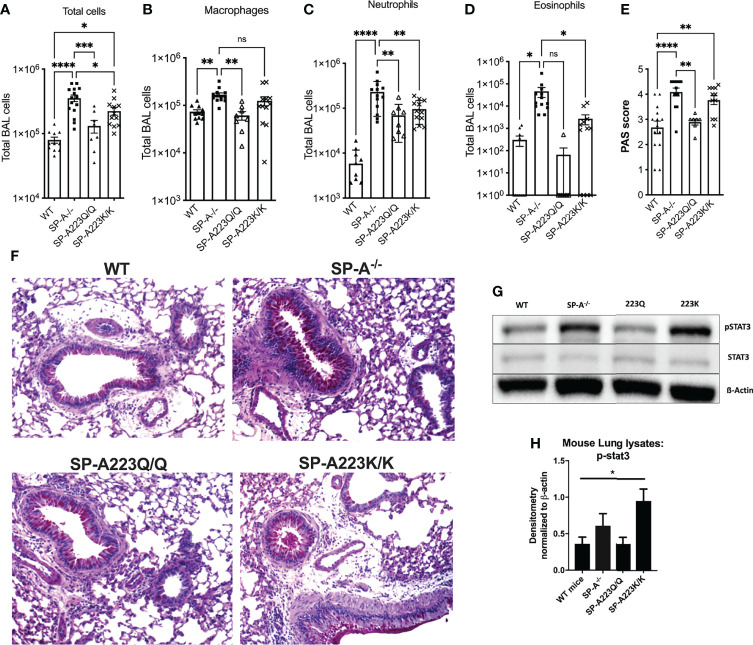
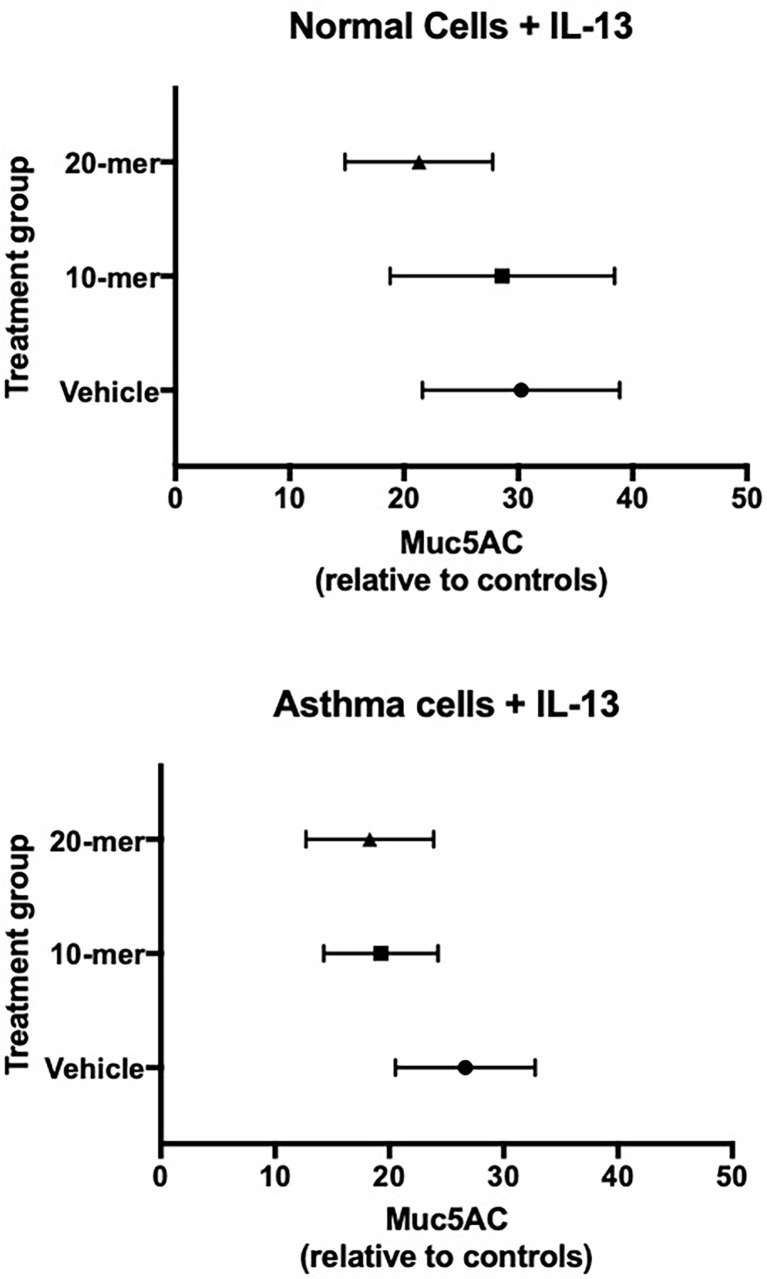
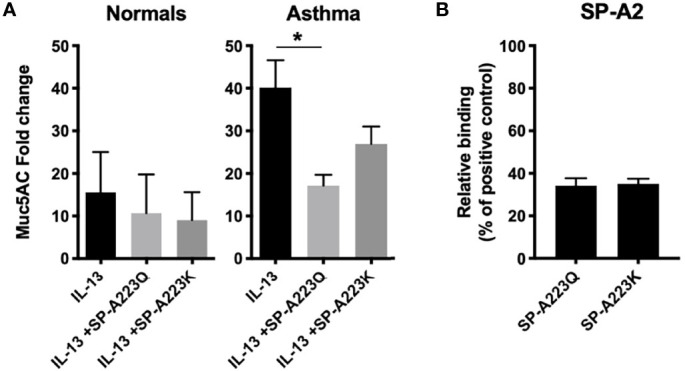
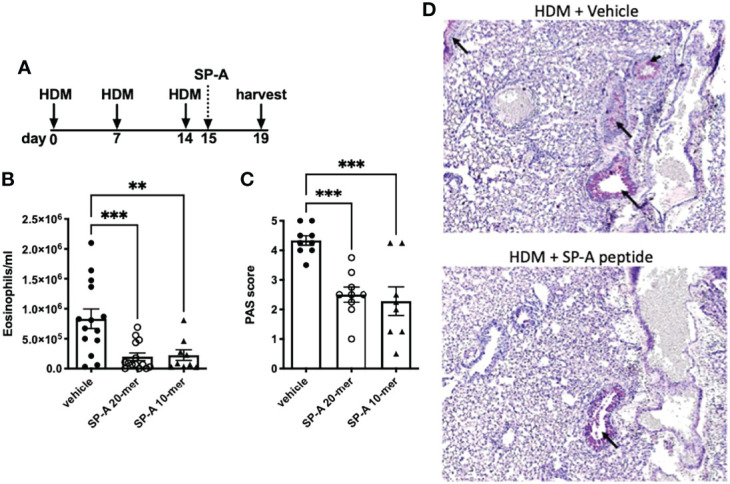
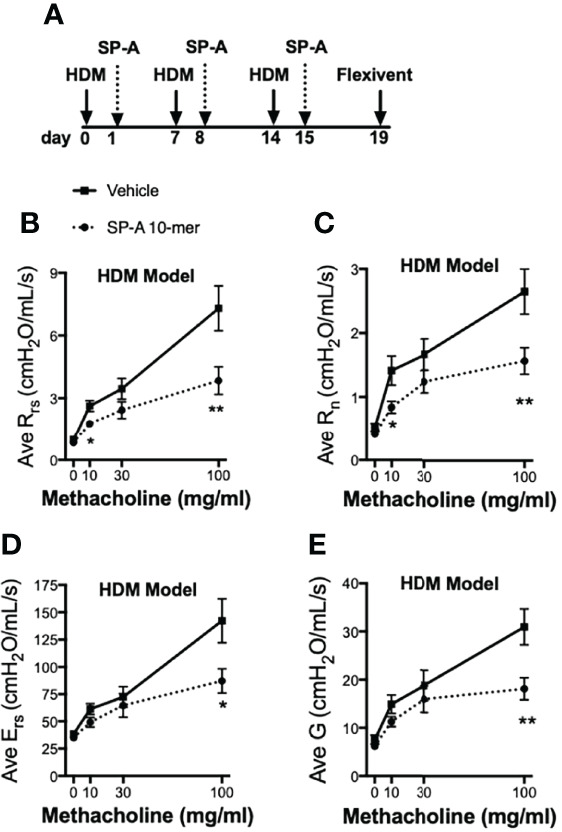
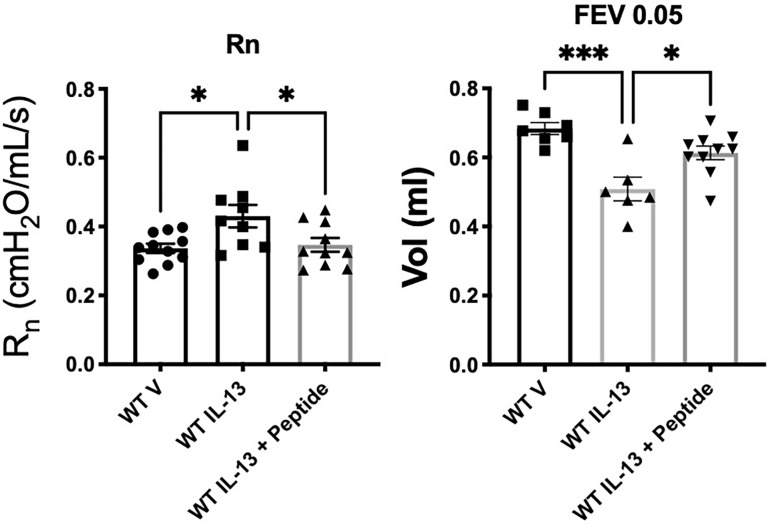
Surfactant Protein-A (SP-A) is an innate immune modulator that regulates a variety of pulmonary host defense functions. We have shown that SP-A is dysfunctional in asthma, which could be partly due to genetic heterogeneity. In mouse models and primary bronchial epithelial cells from asthmatic participants, we evaluated the functional significance of a particular single nucleotide polymorphism of SP-A2, which results in an amino acid substitution at position 223 from glutamine (Q) to lysine (K) within the carbohydrate recognition domain (CRD). We found that SP-A 223Q humanized mice had greater protection from inflammation and mucin production after IL-13 exposure as compared to SP-A-2 223K mice. Likewise, asthmatic participants with two copies the major 223Q allele demonstrated better lung function and asthma control as compared to asthmatic participants with two copies of the minor SP-A 223K allele. In primary bronchial epithelial cells from asthmatic participants, full-length recombinant SP-A 223Q was more effective at reducing IL-13-induced MUC5AC gene expression compared to SP-A 223K. Given this activity, we developed 10 and 20 amino acid peptides of SP-A2 spanning position 223Q. We show that the SP-A 223Q peptides reduce eosinophilic inflammation, mucin production and airways hyperresponsiveness in a house dust mite model of asthma, protect from lung function decline during an IL-13 challenge model in mice, and decrease IL-13-induced MUC5AC gene expression in primary airway epithelial cells from asthmatic participants. These results suggest that position 223 within the CRD of SP-A2 may modulate several outcomes relevant to asthma, and that short peptides of SP-A2 retain anti-inflammatory properties similar to that of the endogenous protein.
表面活性蛋白-A(SP-A)是一种先天免疫调节剂,可调节多种肺部宿主防御功能。我们已经表明,SP-A 在哮喘中功能失调,这可能部分是由于遗传异质性。在小鼠模型和哮喘参与者的原代支气管上皮细胞中,我们评估了 SP-A2 的一个特定单核苷酸多态性的功能意义,该多态性导致碳水化合物识别域(CRD)内第 223 位的氨基酸从谷氨酰胺(Q)替换为赖氨酸(K)。我们发现,与 SP-A-2 223K 小鼠相比,SP-A 223Q 人源化小鼠在暴露于 IL-13 后对炎症和粘蛋白产生的保护作用更大。同样,与携带次要 SP-A 223K 等位基因的哮喘参与者相比,携带两个主要 223Q 等位基因的哮喘参与者具有更好的肺功能和哮喘控制。在哮喘参与者的原代支气管上皮细胞中,全长重组 SP-A 223Q 比 SP-A 223K 更有效地降低 IL-13 诱导的 MUC5AC 基因表达。鉴于这种活性,我们开发了跨越 223Q 位的 10 个和 20 个氨基酸的 SP-A2 肽。我们表明,SP-A 223Q 肽可减少屋尘螨诱导的哮喘模型中的嗜酸性粒细胞炎症、粘蛋白产生和气道高反应性,在 IL-13 挑战模型中保护小鼠的肺功能下降,并降低哮喘参与者原代气道上皮细胞中 IL-13 诱导的 MUC5AC 基因表达。这些结果表明,CRD 中 SP-A2 的 223 位可能调节与哮喘相关的几种结果,并且 SP-A2 的短肽保留与内源性蛋白相似的抗炎特性。