Chtita Samir, Belaidi Salah, Qais Faizan Abul, Ouassaf Mebarka, AlMogren Muneerah Mogren, Al-Zahrani Ateyah A, Bakhouch Mohamed, Belhassan Assia, Zaki Hanane, Bouachrine Mohammed, Lakhlifi Tahar
Laboratory of Analytical and Molecular Chemistry of Sciences Ben M'Sik, Hassan II University of Casablanca, B.P. 7955 Sidi Othmane, Casablanca, Morocco.
Laboratory of Molecular Chemistry and Environment, University of Biskra, BP145, 07000 Biskra, Algeria.
J King Saud Univ Sci. 2022 Oct;34(7):102226. doi: 10.1016/j.jksus.2022.102226. Epub 2022 Jul 20.
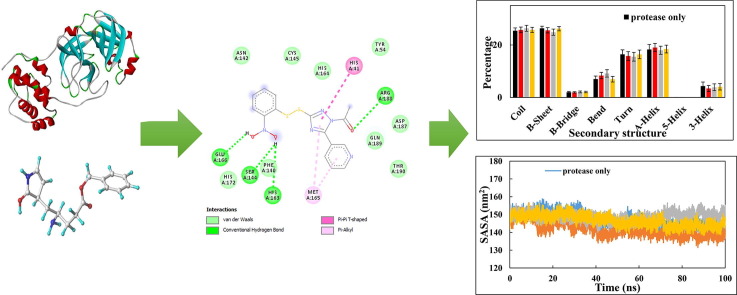
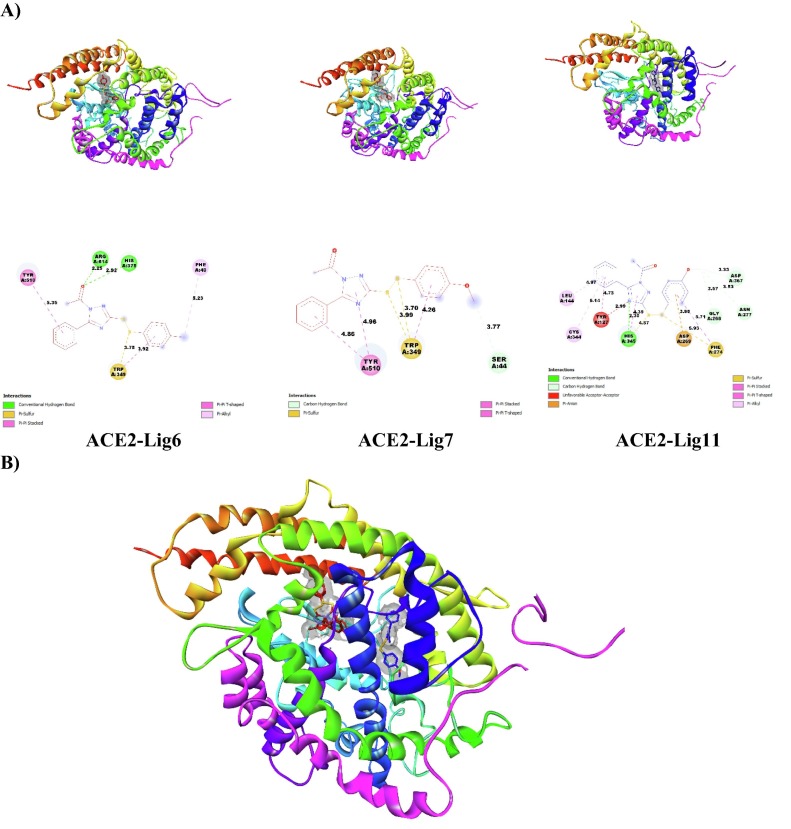
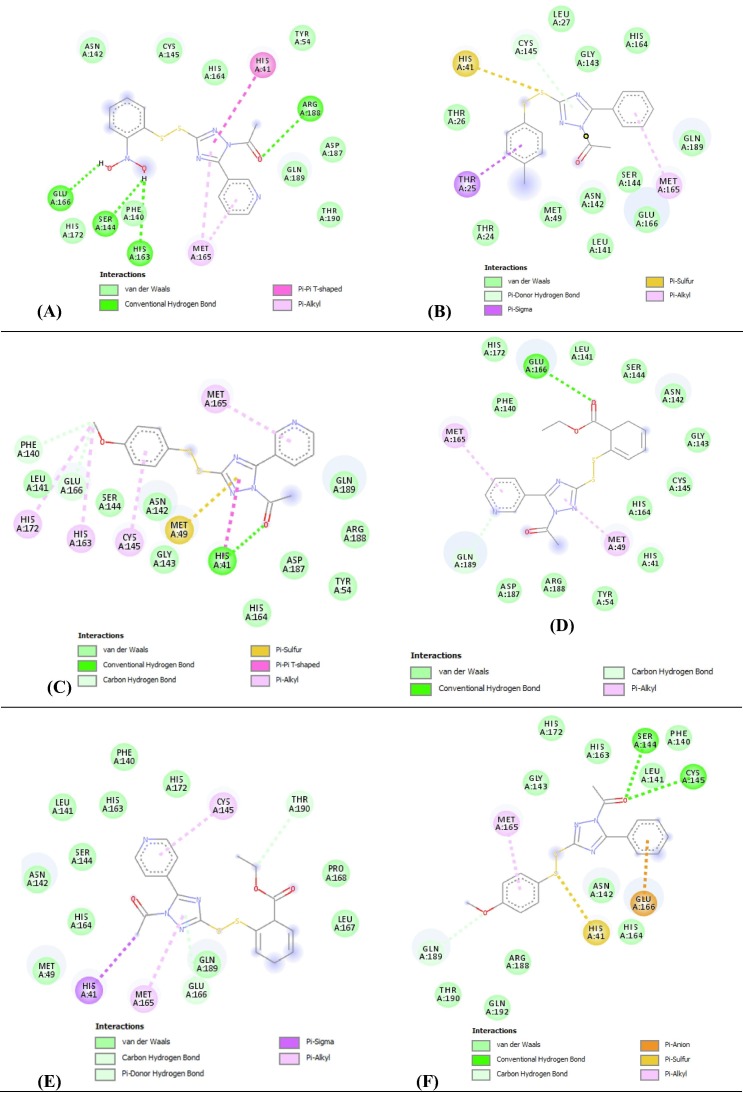
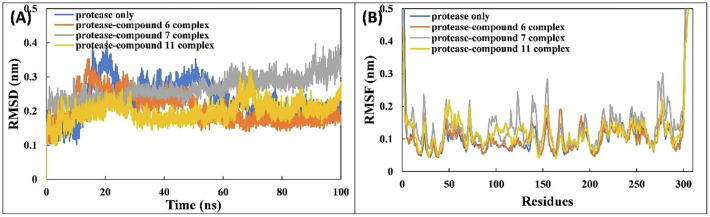
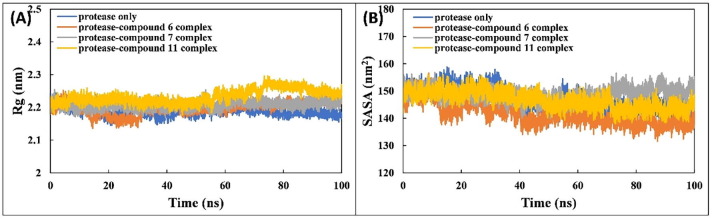
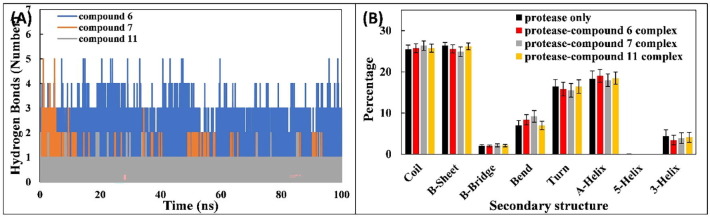
COVID-19 pandemic caused by very severe acute respiratory syndrome coronavirus-2 (SARS-CoV-2) agent is an ongoing major global health concern. The disease has caused more than 452 million affected cases and more than 6 million death worldwide. Hence, there is an urgency to search for possible medications and drug treatments. There are no approved drugs available to treat COVID-19 yet, although several vaccine candidates are already available and some of them are listed for emergency use by the world health organization (WHO). Identifying a potential drug candidate may make a significant contribution to control the expansion of COVID-19. The biological activity of asymmetric disulfides against coronavirus through the inhibition of SARS-CoV-2 main protease (Mpro) protein was reported. Due to the lack of convincing evidence those asymmetric disulfides have favorable pharmacological properties for the clinical treatment of Coronavirus, evaluation should be performed to assess the potential of these compounds to inhibit the SARS-CoV-2 Mpro. In this context, we report herein the molecular docking for a series of 40 unsymmetrical aromatic disulfides as SARS-CoV-2 Mpro inhibitor. The optimal binding features of disulfides within the binding pocket of SARS-CoV-2 endoribonuclease protein (Protein Data Bank [PDB]: 6LU7) was described. Studied compounds were ranked for potential effectiveness, and those have shown high molecular docking scores were proposed as novel drug candidates against SARS-CoV-2. Moreover, the outcomes of drug similarity and ADME (Absorption, Distribution, Metabolism, and Excretion) analyses have may have the effectiveness of acting as medicines, and would be of interest as promising starting point for designing compounds against SARS-CoV-2. Finally, the stability of these three compounds in the complex with Mpro was validated through molecular dynamics (MD) simulation, in which they displayed stable trajectory and molecular properties with a consistent interaction profile.
由严重急性呼吸综合征冠状病毒2(SARS-CoV-2)引起的COVID-19大流行是当前全球主要的健康问题。该疾病在全球已导致超过4.52亿例感染病例和超过600万人死亡。因此,迫切需要寻找可能的药物和治疗方法。尽管已有几种候选疫苗可供使用,其中一些已被世界卫生组织(WHO)列入紧急使用清单,但目前尚无批准用于治疗COVID-19的药物。确定潜在的候选药物可能对控制COVID-19的传播做出重大贡献。有报道称不对称二硫化物通过抑制SARS-CoV-2主要蛋白酶(Mpro)蛋白对冠状病毒具有生物活性。由于缺乏令人信服的证据表明这些不对称二硫化物具有用于冠状病毒临床治疗的良好药理学特性,因此应进行评估以评估这些化合物抑制SARS-CoV-2 Mpro的潜力。在此背景下,我们在此报告了一系列40种不对称芳族二硫化物作为SARS-CoV-2 Mpro抑制剂的分子对接情况。描述了二硫化物在SARS-CoV-2核糖核酸内切酶蛋白结合口袋(蛋白质数据库[PDB]:6LU7)内的最佳结合特征。对研究的化合物进行了潜在有效性排名,并将那些显示出高分的分子对接分数的化合物作为抗SARS-CoV-2的新型候选药物提出。此外,药物相似性和ADME(吸收、分布、代谢和排泄)分析的结果可能具有作为药物的有效性,并且作为设计抗SARS-CoV-2化合物的有希望的起点将是有意义的。最后,通过分子动力学(MD)模拟验证了这三种化合物与Mpro复合物的稳定性,在模拟中它们显示出稳定的轨迹和分子特性以及一致的相互作用概况。