Division of Experimental Medicine, Faculty of Medicine, McGill University, Montreal, QC H3A 0G4, Canada.
Department of Psychology, College of Healthcare Sciences, James Cook University, Singapore 387380, Singapore.
Curr Oncol. 2022 Jun 22;29(7):4438-4454. doi: 10.3390/curroncol29070353.
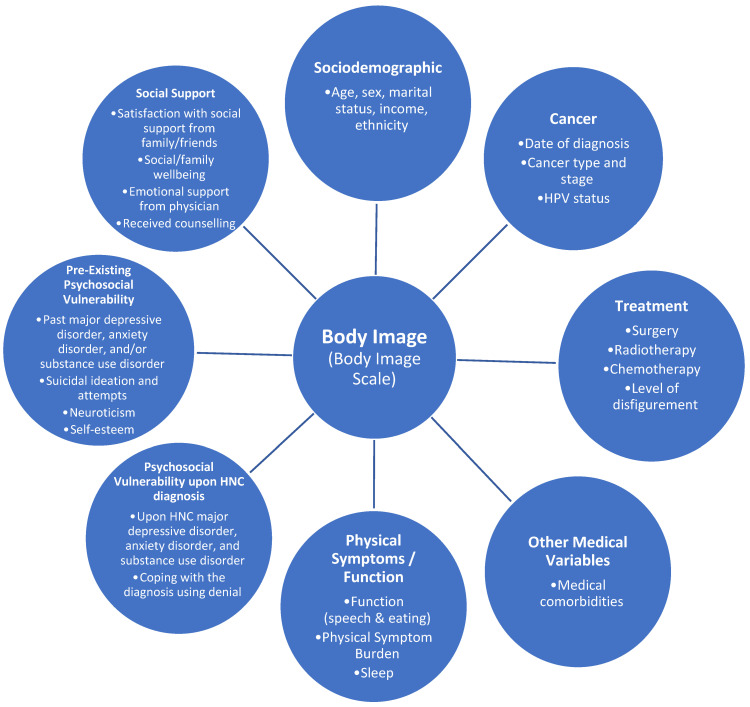
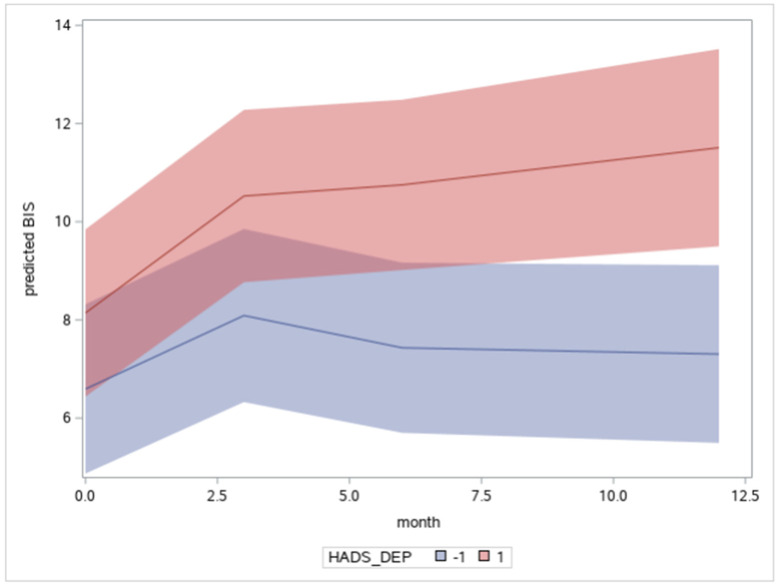
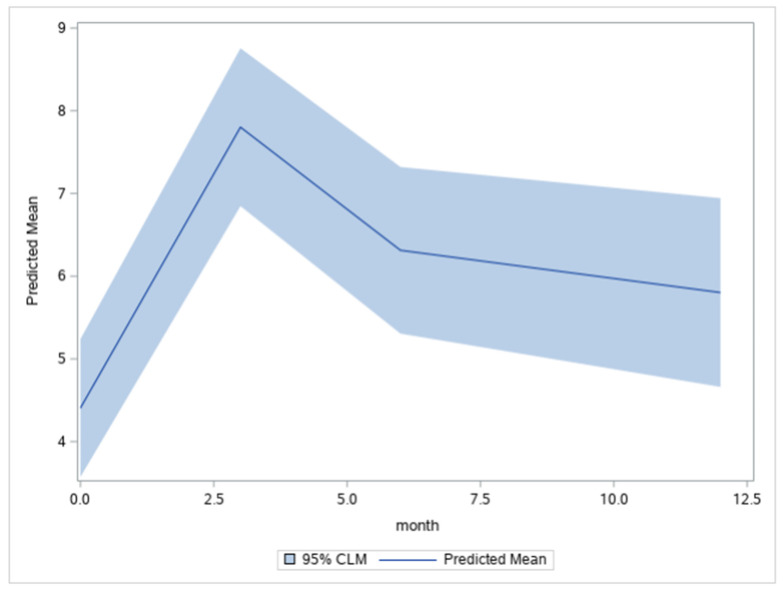
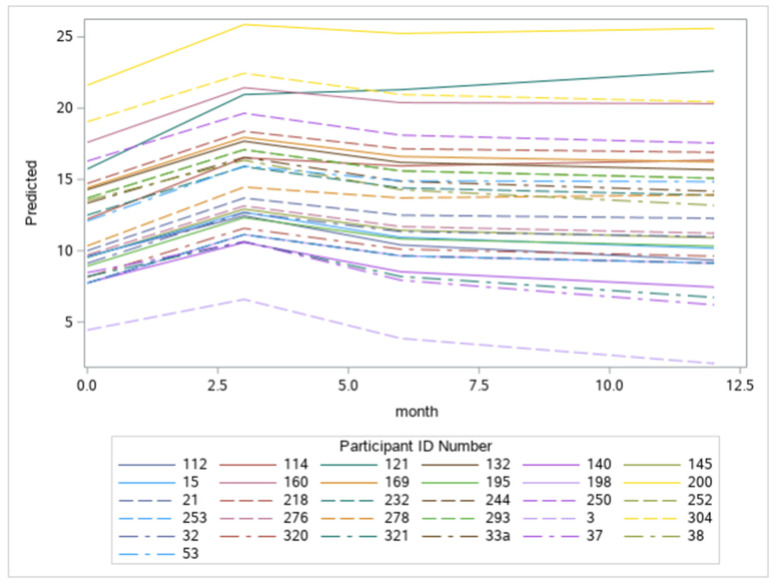
(1) Background: Patients and survivors of head and neck cancer (HNC) are at a high risk of developing body image concerns. Despite the prevalence of body image concerns in patients with HNC, there is a lack of longitudinal research exploring the wide array of its associated determinants. The current longitudinal study examined the determinants and longitudinal course of body image dissatisfaction in patients with HNC. (2) Methods: Patients participated in Structured Clinical Interviews and self-administered questionnaires at four time-points: (T1) upon cancer diagnosis, (T2) at 3 months post-diagnosis, (T3) at 6 months post-diagnosis, and (T4) at 12 months post-diagnosis. They also underwent a disfigurement rating on an objective scale. (3) Results: Two hundred and twenty-four patients participated in our study. Fourteen percent to twenty-eight percent of patients reported at least moderate body image concerns across time points, with the lowest rates at baseline and the highest at 3 months (T1). It was found that patients more predisposed to developing higher levels of body image concerns presented physical markers (i.e., advanced cancer stage, lower physical functioning, higher disfigurement), psychosocial markers (i.e., higher depression, higher anxiety, and higher levels of coping with denial), and health disparities (i.e., younger age, female sex, French language, and marital status, with divorced and widowers most affected). (4) Conclusions: The findings of this study highlight the multifaceted nature of body image concerns in patients with HNC and its biopsychosocial determinants. Clinicians should pay specific attention to these biopsychosocial markers in their clinics to predict high levels of body image concerns and tailor communication/refer for support accordingly.
(1)背景:头颈部癌症(HNC)患者和幸存者身体意象问题的风险较高。尽管 HNC 患者的身体意象问题普遍存在,但缺乏探索其广泛相关决定因素的纵向研究。目前的纵向研究探讨了 HNC 患者身体意象不满的决定因素和纵向过程。(2)方法:患者在四个时间点(T1)进行了结构性临床访谈和自我管理问卷调查:癌症诊断时、诊断后 3 个月、诊断后 6 个月和诊断后 12 个月。他们还接受了客观量表的毁容评分。(3)结果:224 名患者参加了我们的研究。14%至 28%的患者在各时间点报告至少有中度身体意象问题,基线时最低,3 个月(T1)时最高。研究发现,更倾向于出现更高水平身体意象问题的患者具有身体标志物(即晚期癌症、较低的身体功能、较高的毁容)、心理社会标志物(即较高的抑郁、焦虑和更高水平的否认应对)和健康差异(即较年轻、女性、法语和婚姻状况,离婚和鳏夫受影响最大)。(4)结论:本研究结果强调了 HNC 患者身体意象问题的多方面性质及其生物心理社会决定因素。临床医生应在诊所中特别注意这些生物心理社会标志物,以预测高水平的身体意象问题,并相应地调整沟通/转介以获得支持。