Bakare Olalekan Olanrewaju, Gokul Arun, Keyster Marshall
Environmental Biotechnology Laboratory (EBL), Department of Biotechnology, University of the Western Cape, Cape Town 7535, South Africa.
Department of Biochemistry, Faculty of Basic Medical Sciences, Olabisi Onabanjo University, Sagamu 120107, Ogun State, Nigeria.
Bioengineering (Basel). 2022 Jul 11;9(7):305. doi: 10.3390/bioengineering9070305.
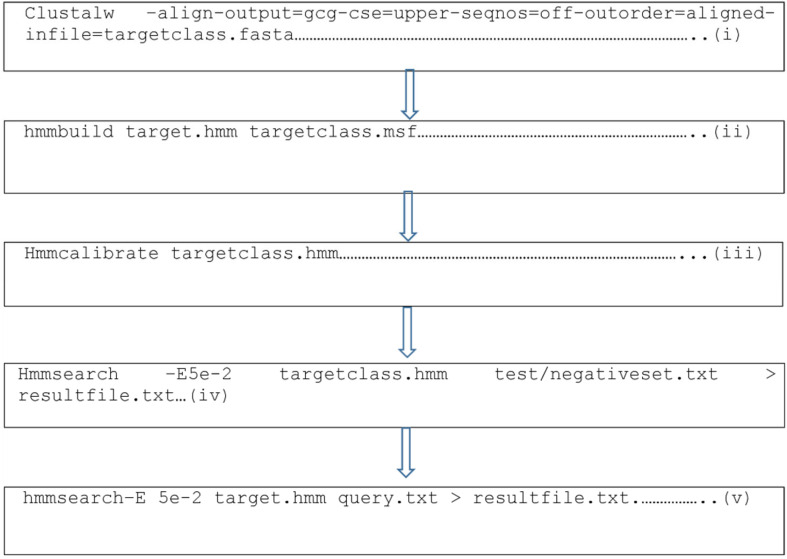
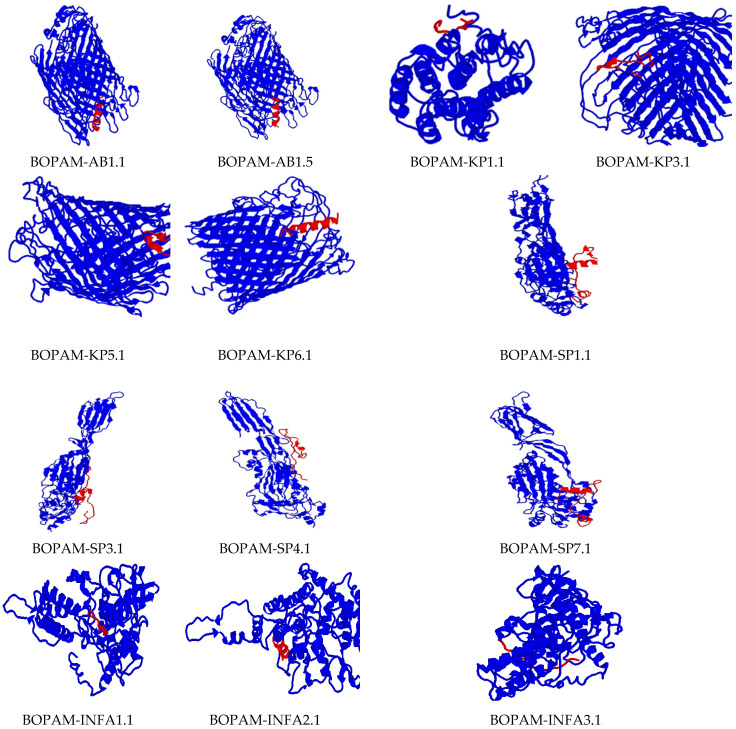
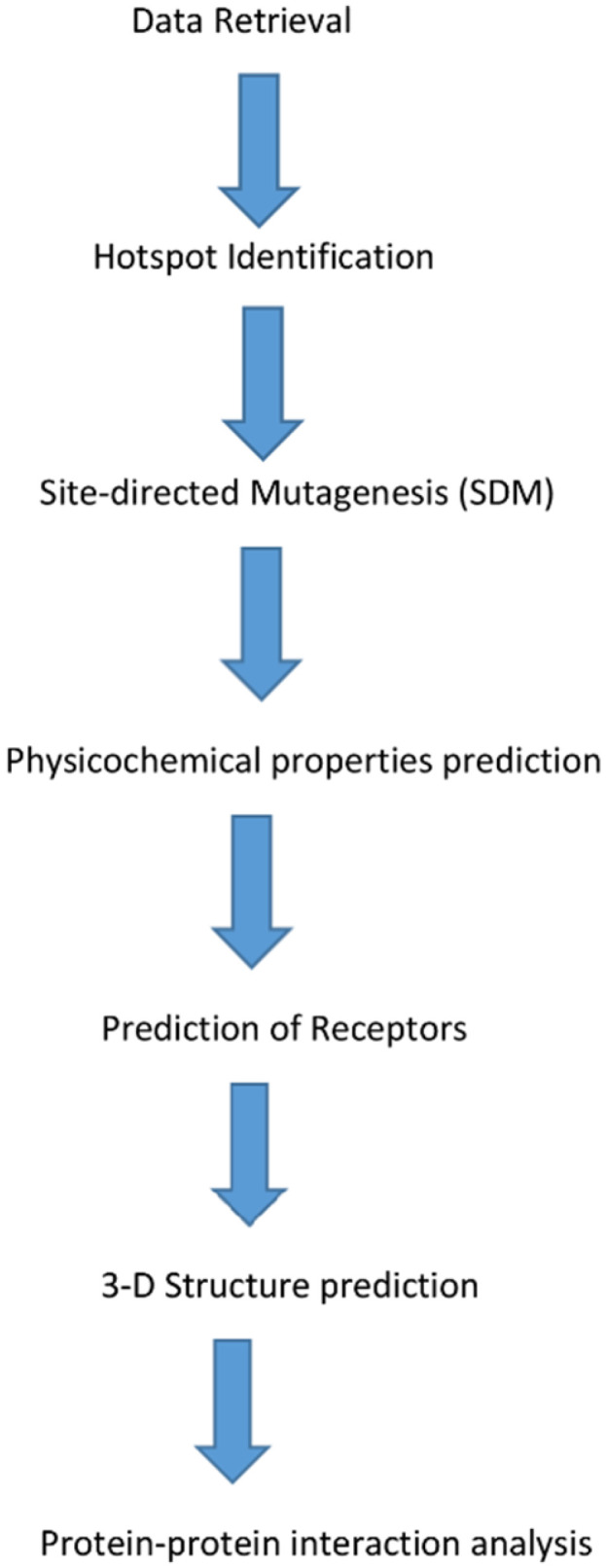
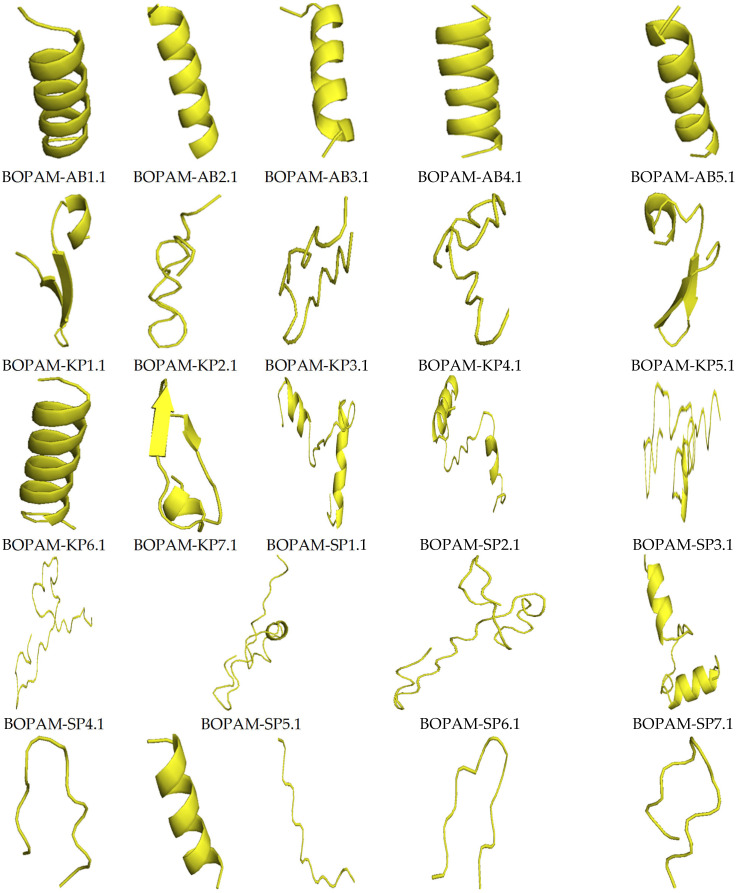
Pneumonia remains one of the leading causes of infectious mortality and significant economic losses among our growing population. The lack of specific biomarkers for correct and timely diagnosis to detect patients' status is a bane towards initiating a proper treatment plan for the disease; thus, current biomarkers cannot distinguish between pneumonia and other associated conditions such as atherosclerotic plaques and human immunodeficiency virus (HIV). Antimicrobial peptides (AMPs) are potential candidates for detecting numerous illnesses due to their compensatory roles as theranostic molecules. This research sought to generate specific data for parental AMPs to identify viral and bacterial pneumonia pathogens using in silico technology. The parental antimicrobial peptides (AMPs) used in this work were AMPs discovered in our previous in silico analyses using the HMMER algorithm, which were used to generate derivative (mutated) AMPs that would bind with greater affinity, in order to detect the bacterial and viral receptors using an in silico site-directed mutagenesis approach. These AMPs' 3D structures were subsequently predicted and docked against receptor proteins. The result shows putative AMPs with the potential capacity to detect pneumonia caused by these pathogens through their binding precision with high sensitivity, accuracy, and specificity for possible use in point-of-care diagnosis. These peptides' tendency to detect receptor proteins of viral and bacterial pneumonia with precision justifies their use for differential diagnostics, in an attempt to reduce the problems of indiscriminate overuse, toxicity due to the wrong prescription, bacterial resistance, and the scarcity and high cost of existing pneumonia antibiotics.
在不断增长的人口中,肺炎仍然是导致感染性死亡和重大经济损失的主要原因之一。缺乏用于正确及时诊断以检测患者病情的特异性生物标志物,是启动该疾病适当治疗方案的一大障碍;因此,目前的生物标志物无法区分肺炎与其他相关病症,如动脉粥样硬化斑块和人类免疫缺陷病毒(HIV)。抗菌肽(AMPs)作为治疗诊断分子具有补偿作用,是检测多种疾病的潜在候选物。本研究旨在利用计算机技术生成有关亲本抗菌肽的特定数据,以识别病毒和细菌性肺炎病原体。本研究中使用的亲本抗菌肽是我们之前使用HMMER算法进行计算机分析时发现的抗菌肽,这些抗菌肽用于生成具有更高亲和力的衍生(突变)抗菌肽,以便使用计算机定点诱变方法检测细菌和病毒受体。随后预测了这些抗菌肽的三维结构,并将其与受体蛋白进行对接。结果显示,推定的抗菌肽具有通过与这些病原体引起的肺炎结合的高精度,以高灵敏度、准确性和特异性进行检测的潜在能力,可用于即时诊断。这些肽能够精确检测病毒和细菌性肺炎受体蛋白的特性,证明了它们可用于鉴别诊断,以试图减少滥用、错误处方导致的毒性、细菌耐药性以及现有肺炎抗生素稀缺和成本高昂等问题。