Department of Molecular and Biomedical Science, Research Centre for Infectious Diseases, University of Adelaide, Adelaide, Australia.
Department of Oral Microbiology, School of Dentistry, University of Adelaide, North Terrace Campus, Adelaide, South Australia, Australia.
PLoS One. 2022 Jul 25;17(7):e0271912. doi: 10.1371/journal.pone.0271912. eCollection 2022.
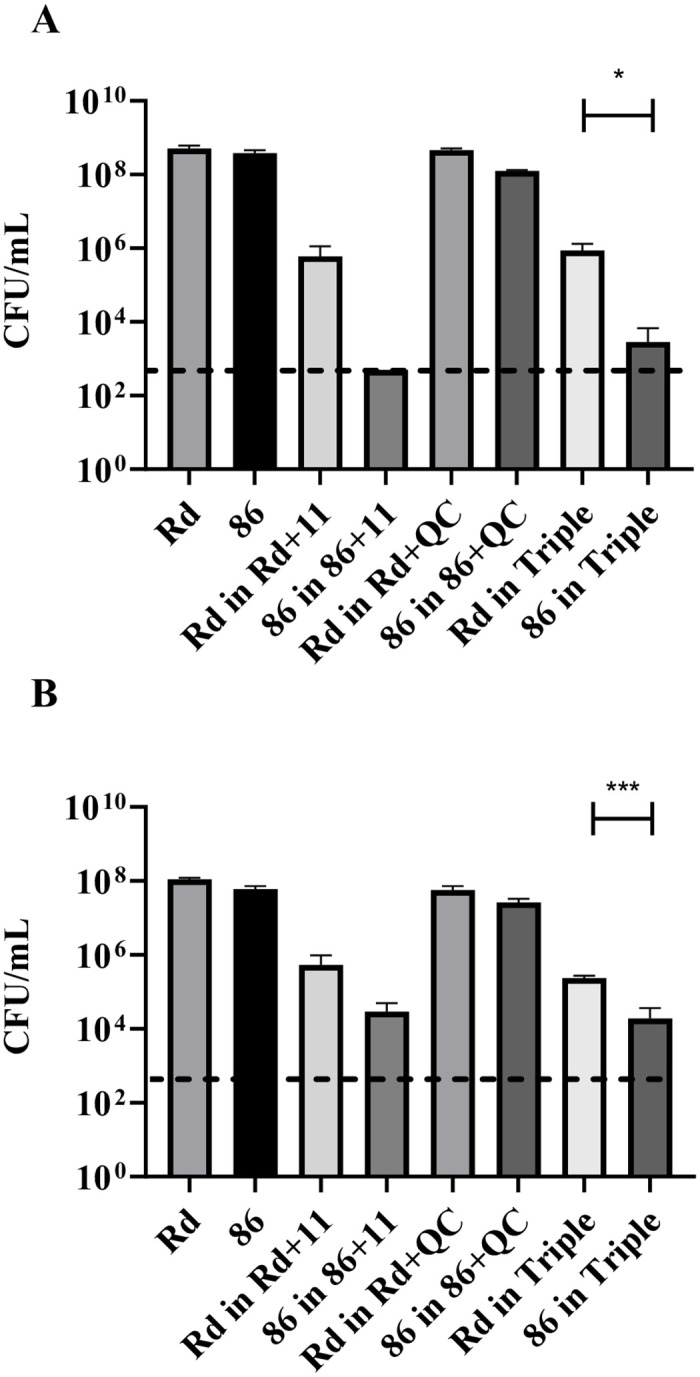
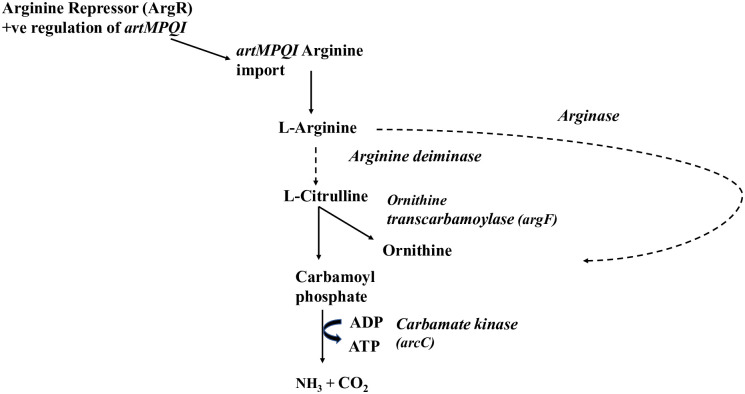
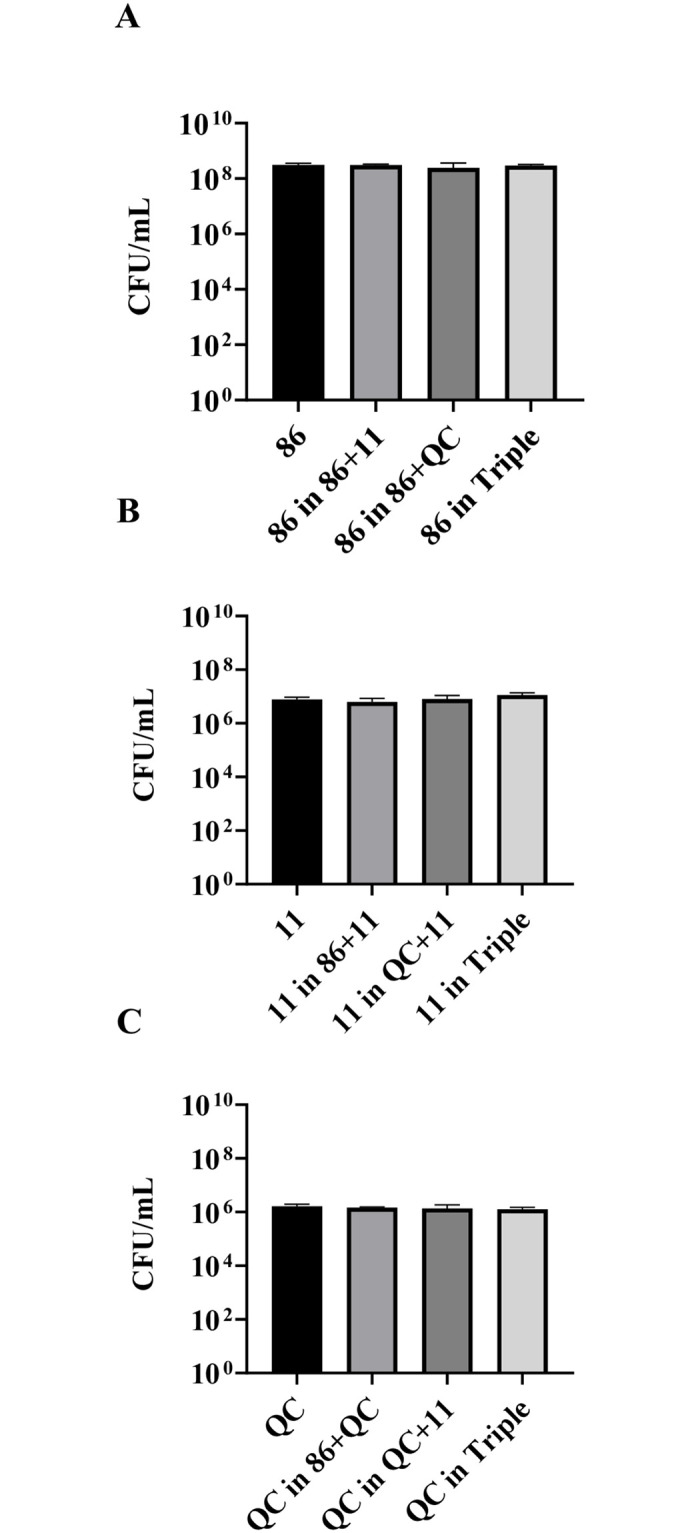
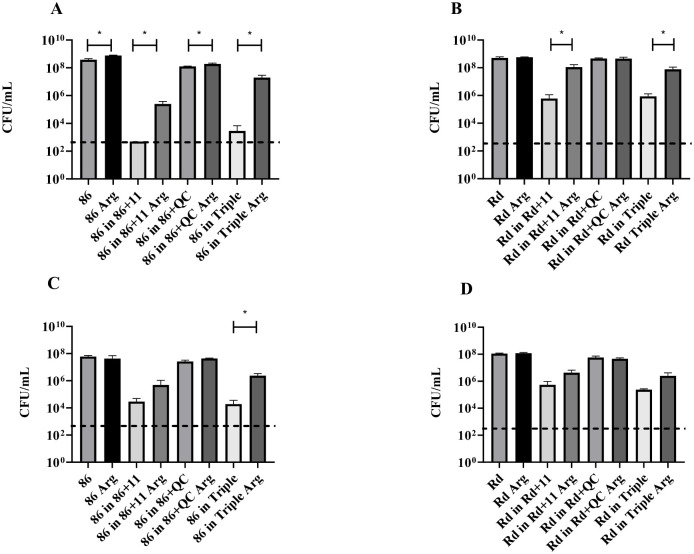
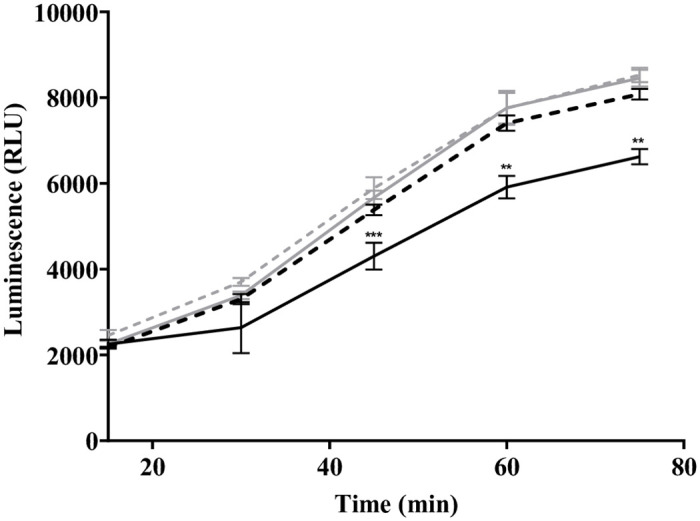
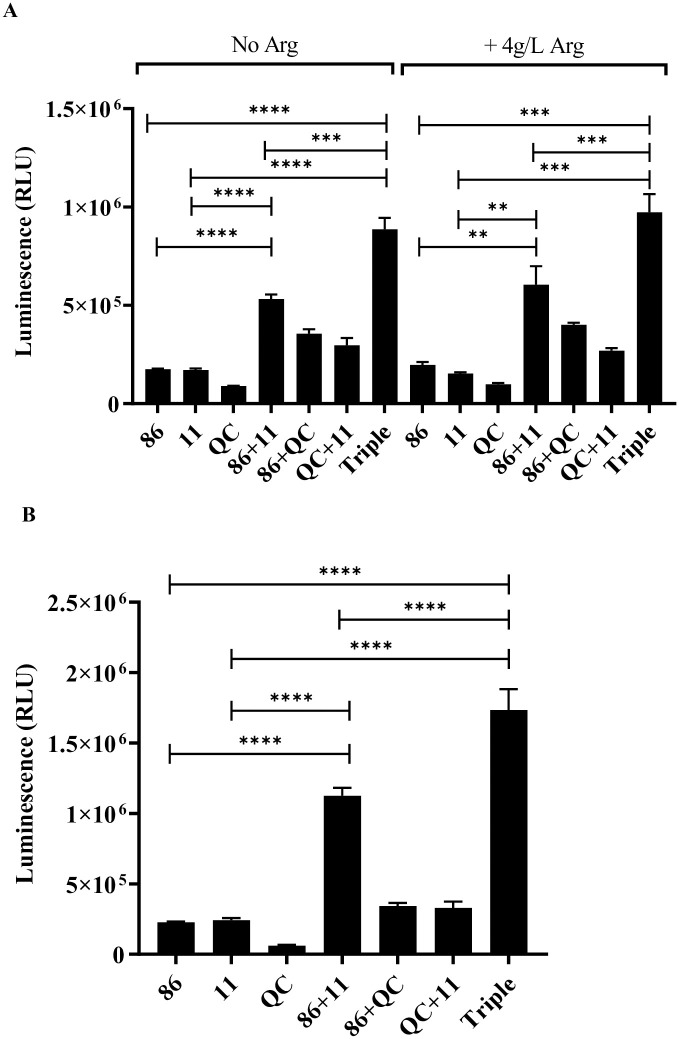
Haemophilus influenzae, Streptococcus pneumoniae and Moraxella catarrhalis are bacterial species which frequently co-colonise the nasopharynx, but can also transit to the middle ear to cause otitis media. Chronic otitis media is often associated with a polymicrobial infection by these bacteria. However, despite being present in polymicrobial infections, the molecular interactions between these bacterial species remain poorly understood. We have previously reported competitive interactions driven by pH and growth phase between H. influenzae and S. pneumoniae. In this study, we have revealed competitive interactions between the three otopathogens, which resulted in reduction of H. influenzae viability in co-culture with S. pneumoniae and in triple-species culture. Transcriptomic analysis by mRNA sequencing identified a central role of arginine in mediating these interactions. Arginine supplementation was able to increase H. influenzae survival in a dual-species environment with S. pneumoniae, and in a triple-species environment. Arginine was used by H. influenzae for ATP production, and levels of ATP generated in dual- and triple-species co-culture at early stages of growth were significantly higher than the combined ATP levels of single-species cultures. These results indicate a central role for arginine-mediated ATP production by H. influenzae in the polymicrobial community.
流感嗜血杆菌、肺炎链球菌和卡他莫拉菌是经常定植于鼻咽部的细菌,但也可转移至中耳引起中耳炎。慢性中耳炎常与这些细菌的混合感染有关。然而,尽管这些细菌存在于混合感染中,但它们之间的分子相互作用仍知之甚少。我们之前曾报道过 pH 值和生长阶段在流感嗜血杆菌和肺炎链球菌之间的竞争相互作用。在这项研究中,我们揭示了三种耳病原体之间的竞争相互作用,这导致在与肺炎链球菌的共培养物和三物种培养物中流感嗜血杆菌的活力降低。通过 mRNA 测序的转录组分析确定了精氨酸在介导这些相互作用中的核心作用。精氨酸补充能够增加流感嗜血杆菌在与肺炎链球菌的双物种环境中和三物种环境中的存活。流感嗜血杆菌将精氨酸用于 ATP 产生,在生长的早期阶段,双物种和三物种共培养物中生成的 ATP 水平明显高于单物种培养物的总 ATP 水平。这些结果表明,精氨酸介导的流感嗜血杆菌 ATP 产生在多微生物群落中起着核心作用。