Renoz François, Ambroise Jérôme, Bearzatto Bertrand, Fakhour Samir, Parisot Nicolas, Ribeiro Lopes Mélanie, Gala Jean-Luc, Calevro Federica, Hance Thierry
Biodiversity Research Centre, Earth and Life Institute, Université Catholique de Louvain (UCLouvain), 1348 Louvain-la-Neuve, Belgium.
Univ Lyon, INSA Lyon, INRAE, BF2I, UMR203, F-69621 Villeurbanne, France.
Microorganisms. 2022 Jul 6;10(7):1360. doi: 10.3390/microorganisms10071360.
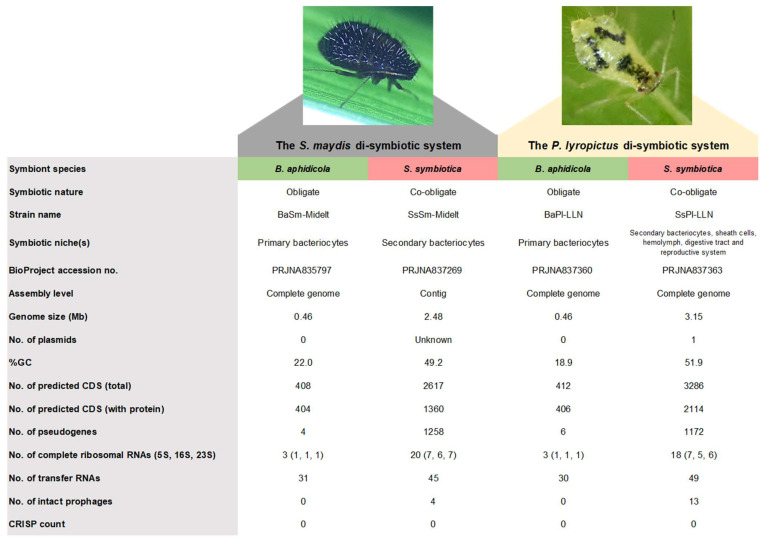
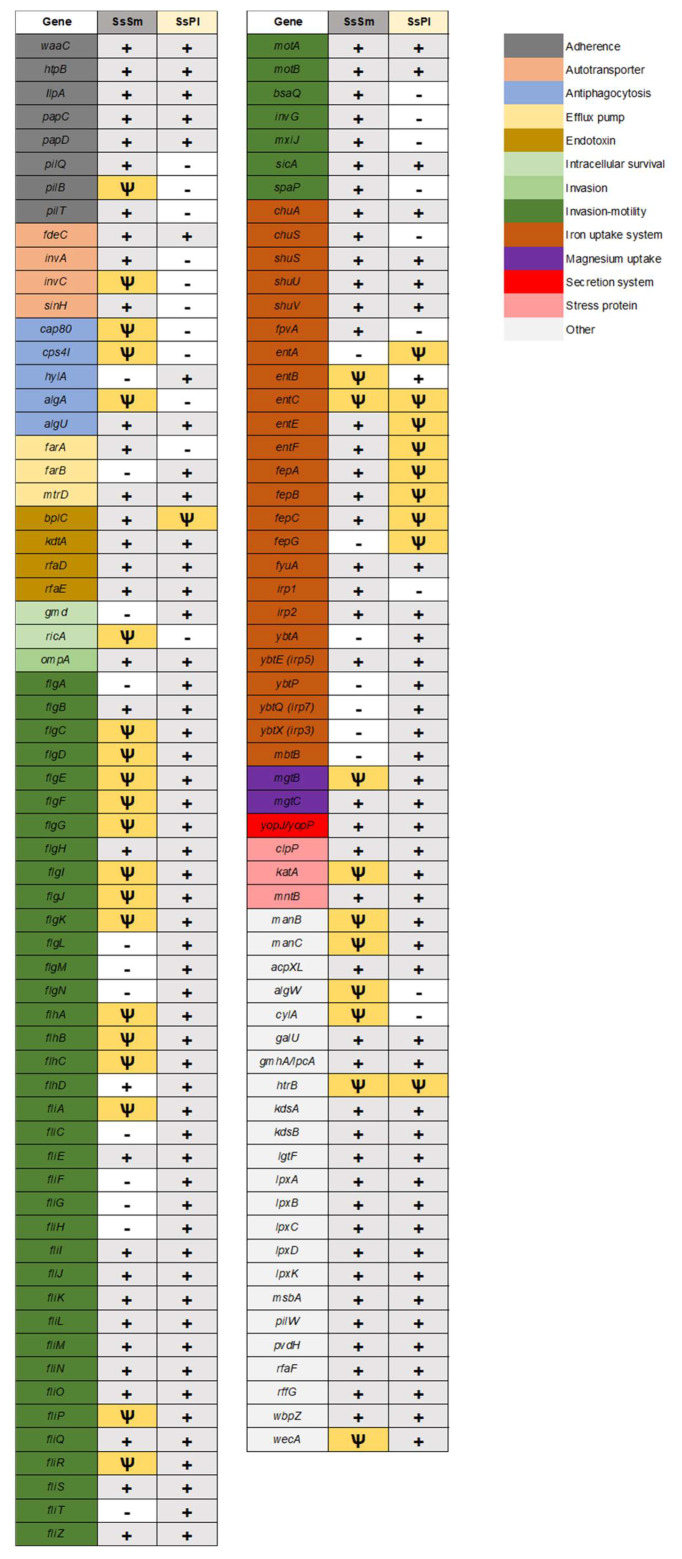
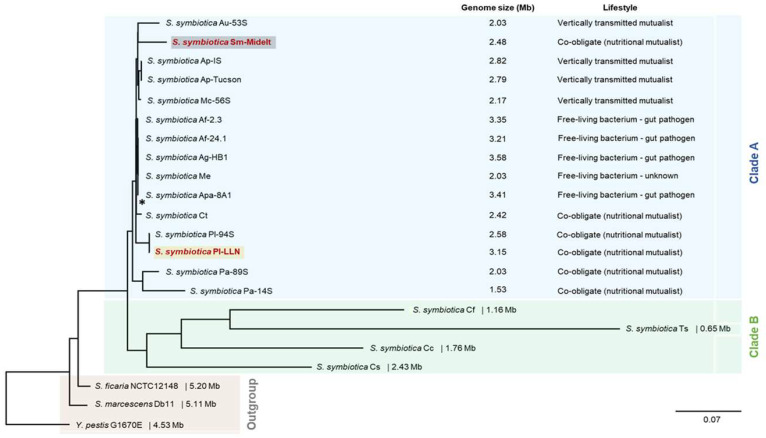
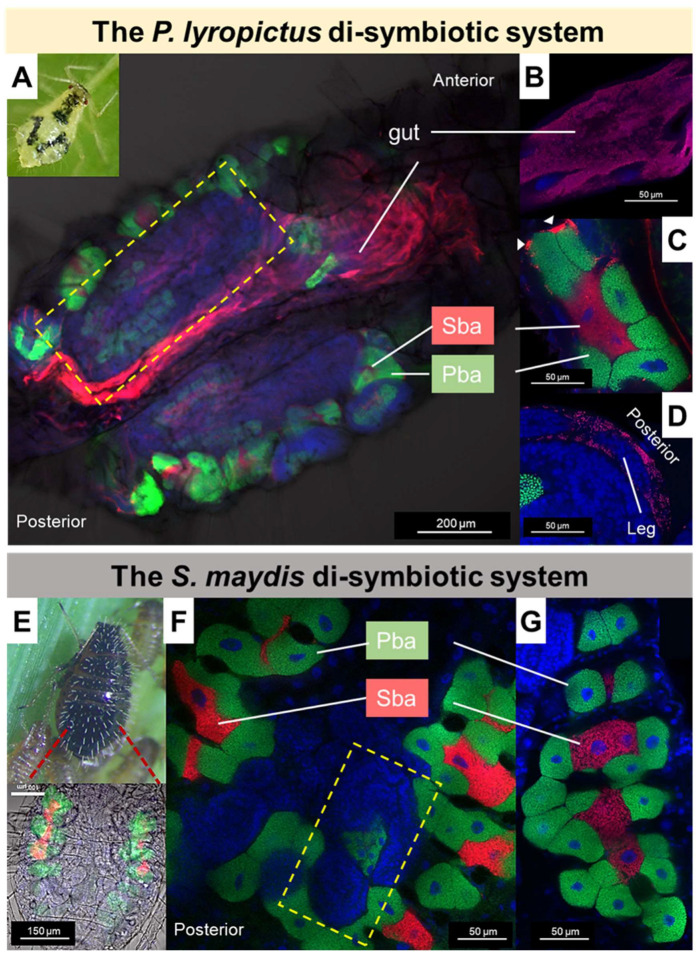
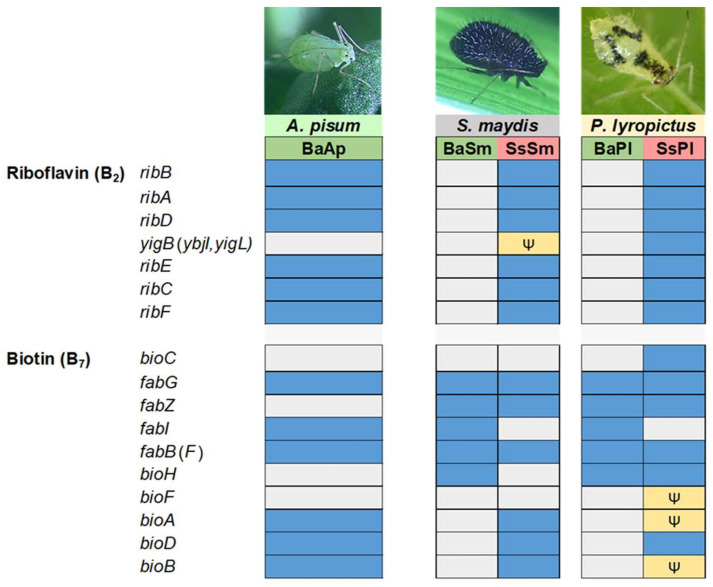
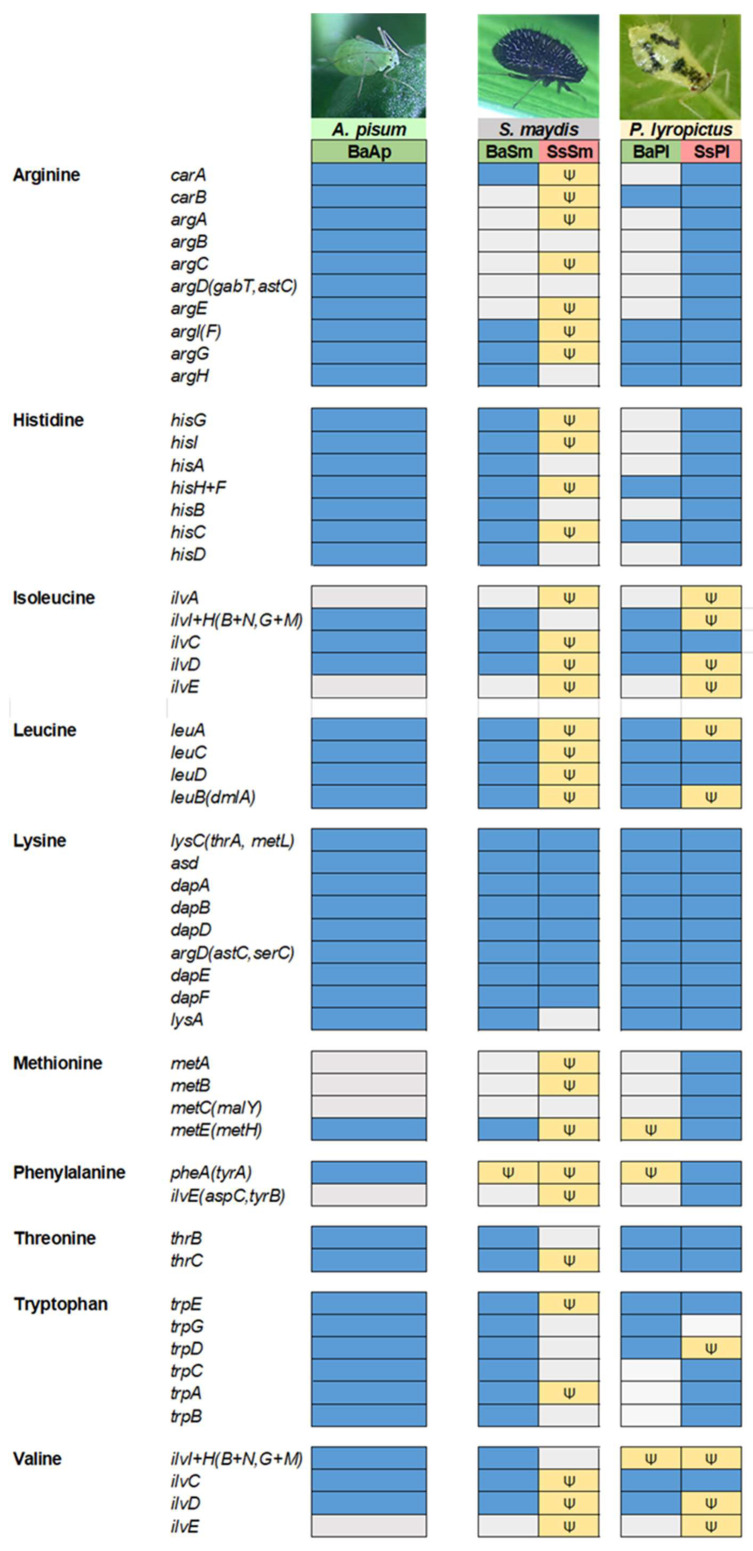
Dependence on multiple nutritional bacterial symbionts forming a metabolic unit has repeatedly evolved in many insect species that feed on nutritionally unbalanced diets such as plant sap. This is the case for aphids of the subfamilies Lachninae and Chaitophorinae, which have evolved di-symbiotic systems in which the ancient obligate nutritional symbiont is metabolically complemented by an additional nutritional symbiont acquired more recently. Deciphering how different symbionts integrate both metabolically and anatomically in such systems is crucial to understanding how complex nutritional symbiotic systems function and evolve. In this study, we sequenced and analyzed the genomes of the symbionts and associated with the Chaitophorinae aphids and . Our results show that, in these two species, and complement each other metabolically (and their hosts) for the biosynthesis of essential amino acids and vitamins, but with distinct metabolic reactions supported by each symbiont depending on the host species. Furthermore, the symbiont associated with appears to be strictly compartmentalized into the specialized host cells housing symbionts in aphids, the bacteriocytes, whereas the symbiont associated with exhibits a highly invasive phenotype, presumably because it is capable of expressing a larger set of virulence factors, including a complete flagellum for bacterial motility. Such contrasting levels of metabolic and anatomical integration for two symbionts that were recently acquired as nutritional co-obligate partners reflect distinct coevolutionary processes specific to each association.
对形成代谢单元的多种营养细菌共生体的依赖,在许多以营养不均衡的食物(如植物汁液)为食的昆虫物种中反复进化。内蚜亚科和毛蚜亚科的蚜虫就是这种情况,它们进化出了双共生系统,其中古老的专性营养共生体在代谢上由最近获得的另一种营养共生体补充。弄清楚不同的共生体在这样的系统中如何在代谢和解剖学上整合,对于理解复杂的营养共生系统如何发挥功能和进化至关重要。在这项研究中,我们对与毛蚜亚科蚜虫 和 相关的共生体 和 的基因组进行了测序和分析。我们的结果表明,在这两个物种中, 和 在必需氨基酸和维生素的生物合成方面(以及它们的宿主)在代谢上相互补充,但每种共生体支持的不同代谢反应取决于宿主物种。此外,与 相关的 共生体似乎严格地被分隔在蚜虫中容纳共生体的特化宿主细胞——含菌细胞中,而与 相关的 共生体表现出高度侵袭性的表型,大概是因为它能够表达更大一组毒力因子,包括用于细菌运动的完整鞭毛。这两种作为营养共专性伙伴最近获得的 共生体在代谢和解剖整合水平上的这种差异,反映了每种关联特有的不同协同进化过程。