Szallasi Arpad
Department of Pathology and Experimental Cancer Research, Semmelweis University, 1085 Budapest, Hungary.
Pharmaceuticals (Basel). 2022 Jul 11;15(7):851. doi: 10.3390/ph15070851.
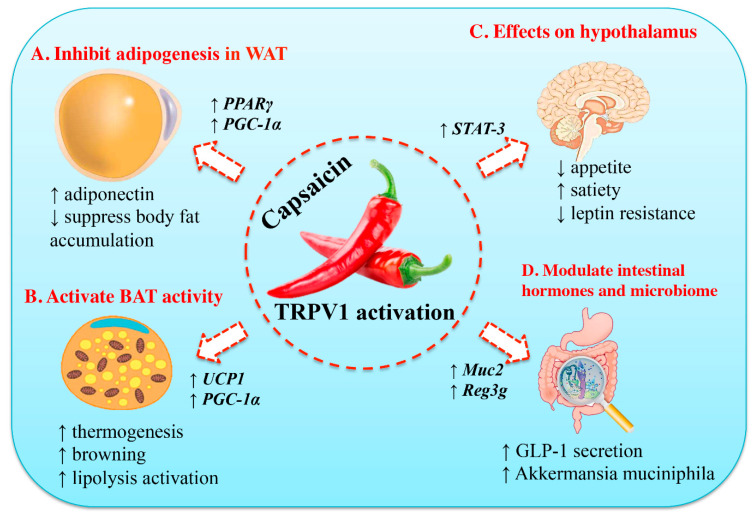
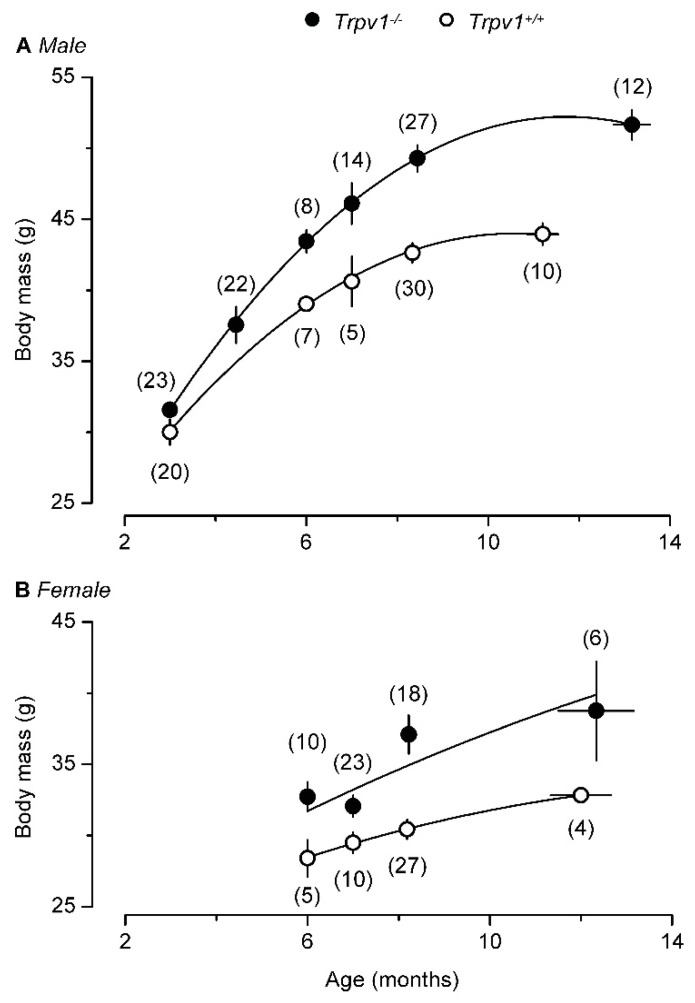
Medical management of obesity represents a large unmet clinical need. Animal experiments suggest a therapeutic potential for dietary capsaicin, the pungent ingredient in hot chili peppers, to lose weight. This is an attractive theory since capsaicin has been a culinary staple for thousands of years and is generally deemed safe when consumed in hedonically acceptable, restaurant-like doses. This review critically evaluates the available experimental and clinical evidence for and against capsaicin as a weight control agent and comes to the conclusion that capsaicin is not a magic "exercise in a pill", although there is emerging evidence that it may help restore a healthy gut microbiota.
肥胖的医学管理存在着巨大未被满足的临床需求。动物实验表明,膳食辣椒素(辣椒中的辛辣成分)具有减肥的治疗潜力。这是一个颇具吸引力的理论,因为辣椒素数千年来一直是烹饪中的主要成分,并且当以类似餐厅中令人愉悦的可接受剂量食用时,通常被认为是安全的。这篇综述批判性地评估了支持和反对辣椒素作为体重控制剂的现有实验和临床证据,并得出结论:辣椒素并非神奇的“药片形式的运动”,尽管有新证据表明它可能有助于恢复健康的肠道微生物群。