Zikhali Thembile, Kalinda Chester, Xulu-Kasaba Zamadonda Nokuthula
Department of Optometry, School of Health Sciences, University of KwaZulu-Natal, Westville Campus, Durban 4000, South Africa.
Bill and Joyce Cummings Institute of Global Health, University of Global Health Equity (UGHE), Kigali 20093, Rwanda.
Clin Pract. 2022 Jun 29;12(4):457-467. doi: 10.3390/clinpract12040050.
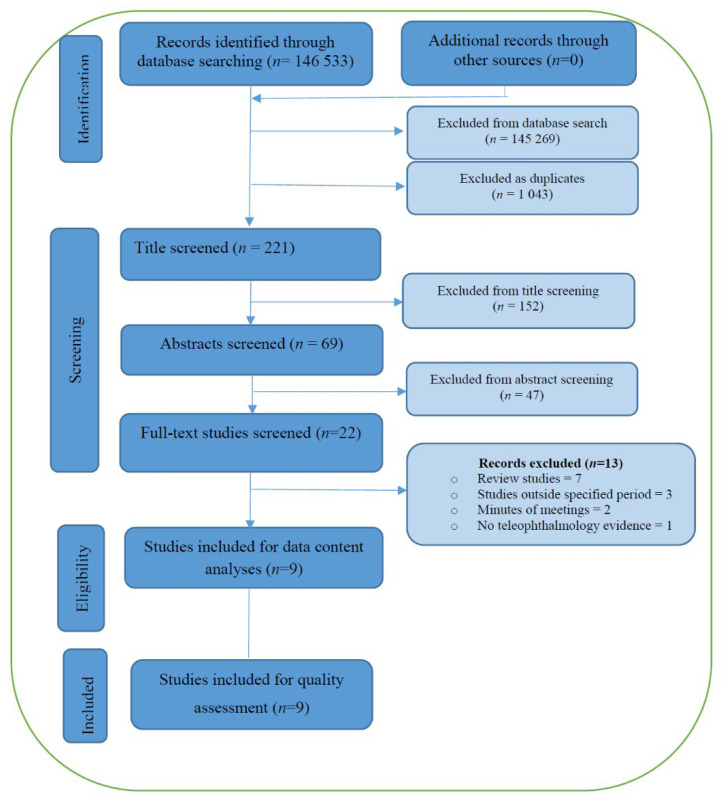
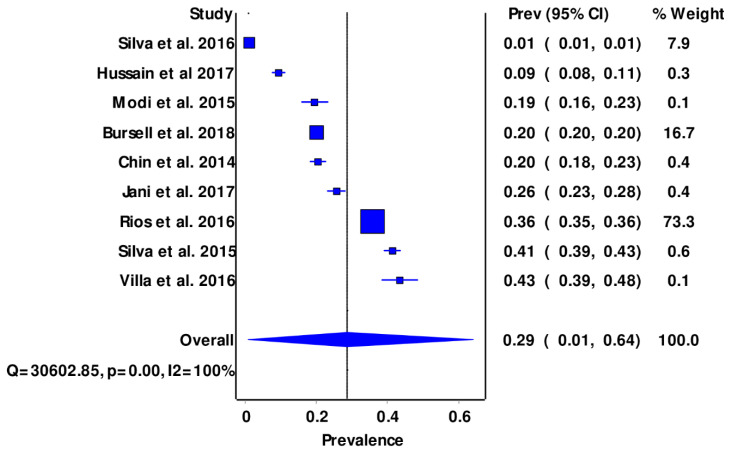
Diabetic retinopathy is a vascular disease of the retina that affects patients with uncontrolled diabetes. Untreated diabetic retinopathy (DR) can eventually lead to blindness. To date, diabetic retinopathy is the third leading cause of vision loss in the working class globally. Frequent retinal screening for all diabetic people is an effective method of preventing diabetic retinopathy blindness. This has relied on the use of ophthalmologists, but due to scarce resources, such as a shortage of human resources for eye health, this has denied many patients quality eye health care in a resource-limited setting. The recent advances on the use of teleophthalmology are promising to close this gap. This study aimed to map available evidence on the use of teleophthalmology in the screening of DR globally and to explore how this can be used to complement short-staffed eye clinics, especially in resource-constrained contexts. Studies were sourced from Google Scholar, PubMed, Science Direct, and EBSCO host. The final study selection was presented using a PRISMA chart. The mixed method appraisal tool was used to assess the quality of the nine studies included. The random effect model was used to estimate pooled prevalence estimates. Levels of heterogeneity were evaluated using Cochran's Q statistic and I. Of nine included studies, eight were from high-income countries. The screening was performed at the primary healthcare level in eight of nine included studies. Only one study used a mydriatic agent, and the commonly used fundus camera was the non-mydriatic fundus camera. The overall estimated pooled prevalence of DR was 29 (95%CI: 10-34). Teleophthalmology at the primary health care level showed that early intervention in diabetic retinopathy reduced avoidable blindness and ensured remote access to eye health professionals, thus alleviating the burden on them.
糖尿病性视网膜病变是一种影响未得到有效控制的糖尿病患者的视网膜血管疾病。未经治疗的糖尿病性视网膜病变(DR)最终可能导致失明。迄今为止,糖尿病性视网膜病变是全球劳动阶层视力丧失的第三大主要原因。对所有糖尿病患者进行定期视网膜筛查是预防糖尿病性视网膜病变致盲的有效方法。这一直依赖于眼科医生的参与,但由于资源稀缺,如眼保健人力资源短缺,在资源有限的环境中,许多患者无法获得高质量的眼保健服务。远程眼科的最新进展有望填补这一空白。本研究旨在梳理全球范围内远程眼科在糖尿病性视网膜病变筛查中的现有证据,并探讨如何利用其补充人员短缺的眼科诊所,特别是在资源受限的情况下。研究来源于谷歌学术、PubMed、科学Direct和EBSCO主机。最终的研究选择通过PRISMA图表展示。采用混合方法评估工具对纳入的9项研究的质量进行评估。使用随机效应模型估计合并患病率。使用 Cochr an's Q统计量和I统计量评估异质性水平。在纳入的9项研究中,有8项来自高收入国家。在纳入的9项研究中有8项在初级卫生保健层面进行了筛查。只有一项研究使用了散瞳剂,常用的眼底相机是非散瞳眼底相机。糖尿病性视网膜病变的总体估计合并患病率为29(95%CI:10-34)。初级卫生保健层面的远程眼科显示,对糖尿病性视网膜病变的早期干预减少了可避免的失明,并确保了远程获得眼保健专业人员的服务,从而减轻了他们的负担。