Rojas Gertrudis
Protein Engineering Department, Center of Molecular Immunology, Havana CP 11300, Cuba.
Antibodies (Basel). 2022 Jul 14;11(3):48. doi: 10.3390/antib11030048.
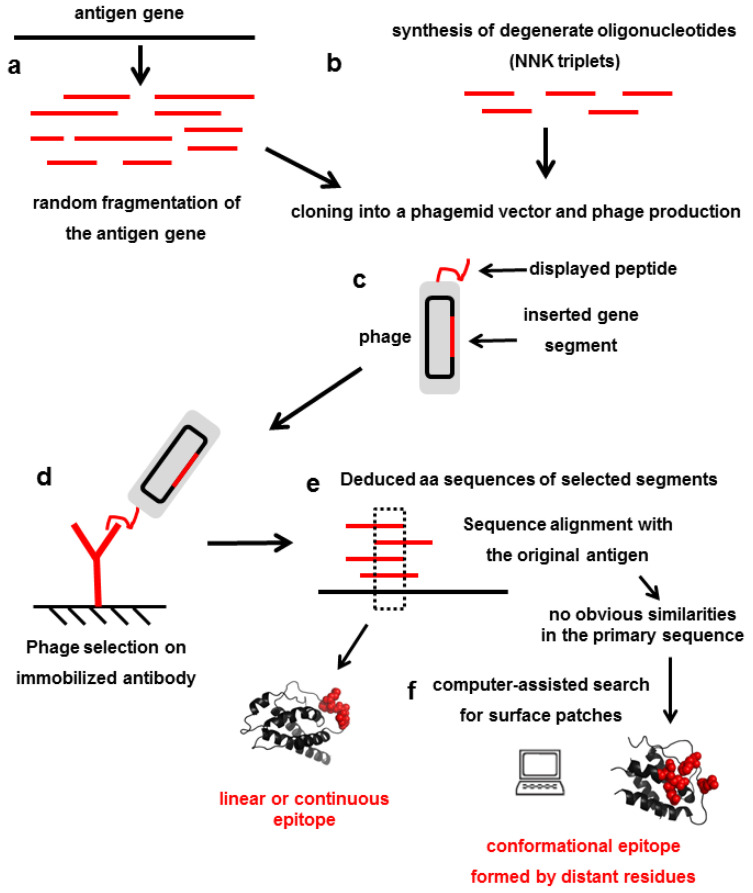
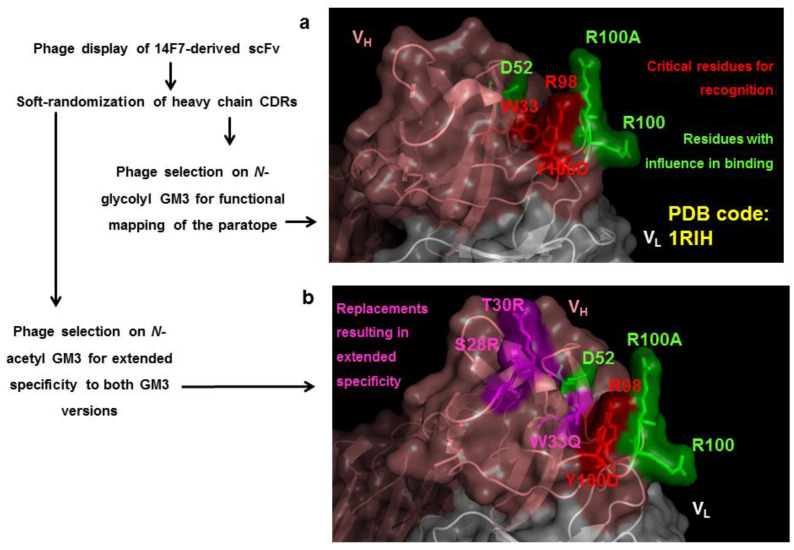
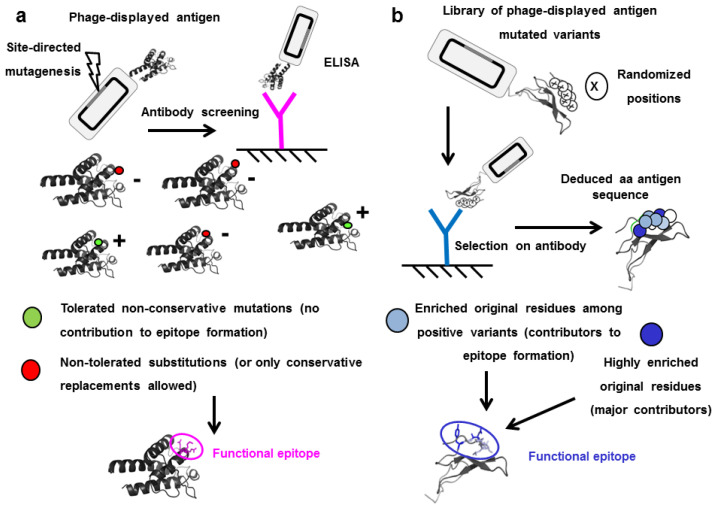
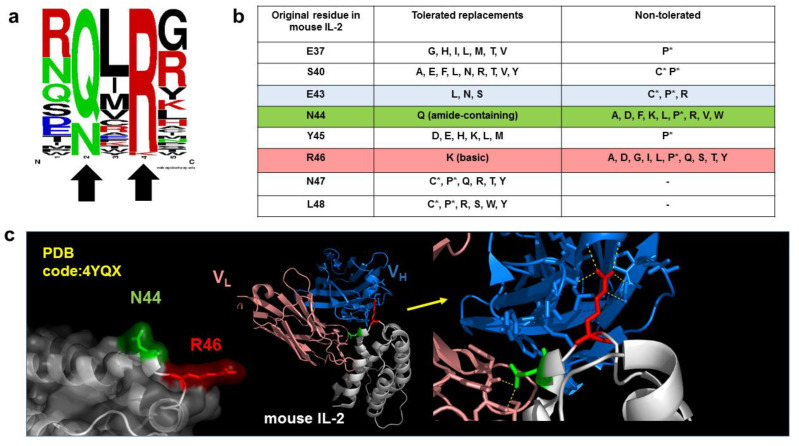
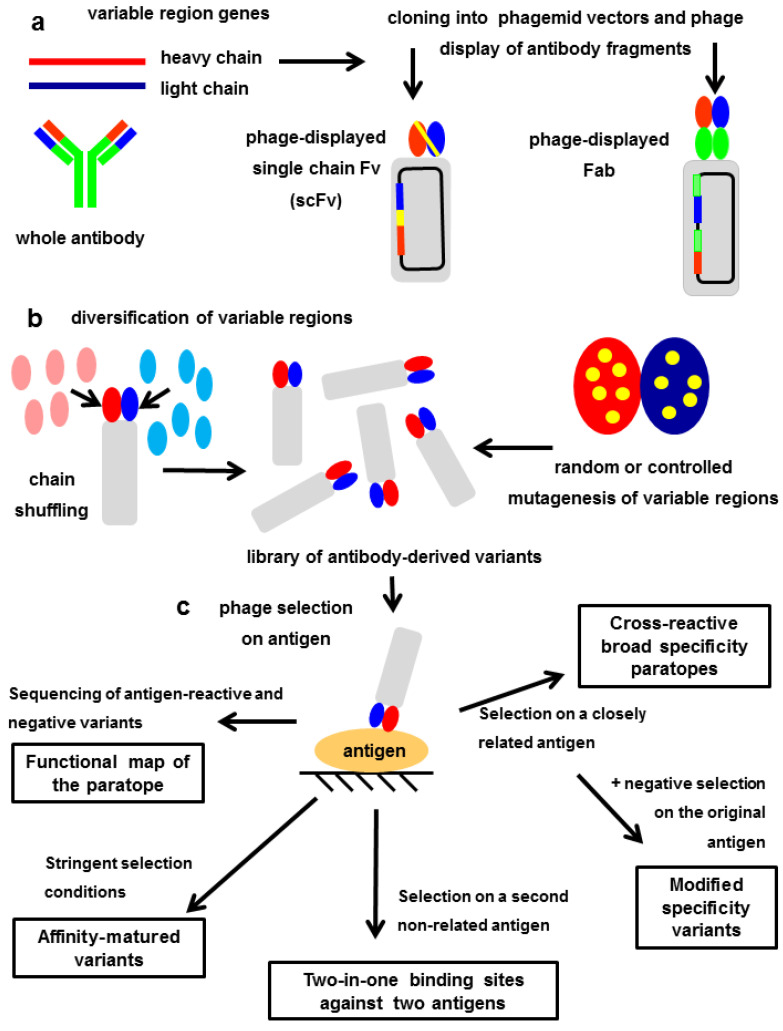
Combinatorial biology methods such as phage and yeast display, suitable for the generation and screening of huge numbers of protein fragments and mutated variants, have been useful when dissecting the molecular details of the interactions between antibodies and their target antigens (mainly those of protein nature). The relevance of these studies goes far beyond the mere description of binding interfaces, as the information obtained has implications for the understanding of the chemistry of antibody-antigen binding reactions and the biological effects of antibodies. Further modification of the interactions through combinatorial methods to manipulate the key properties of antibodies (affinity and fine specificity) can result in the emergence of novel research tools and optimized therapeutics.
组合生物学方法,如噬菌体展示和酵母展示,适用于生成和筛选大量蛋白质片段及突变变体,在剖析抗体与其靶抗原(主要是蛋白质性质的抗原)之间相互作用的分子细节时非常有用。这些研究的意义远不止于对结合界面的简单描述,因为所获得的信息对理解抗体 - 抗原结合反应的化学过程以及抗体的生物学效应具有重要意义。通过组合方法进一步修饰相互作用以操控抗体的关键特性(亲和力和精细特异性),可能会催生新的研究工具和优化的治疗方法。