Garcia-Urkia Nerea, Luzuriaga Jon, Uribe-Etxebarria Veronica, Irastorza Igor, Fernandez-San-Argimiro Francisco Javier, Olalde Beatriz, Briz Nerea, Unda Fernando, Ibarretxe Gaskon, Madarieta Iratxe, Pineda Jose Ramon
TECNALIA, Basque Research and Technology Alliance (BRTA), E20009 Donostia-San Sebastian, Spain.
Cell Biology and Histology Department, University of the Basque Country (UPV/EHU), 48940 Leioa, Spain.
Biology (Basel). 2022 Jul 23;11(8):1099. doi: 10.3390/biology11081099.
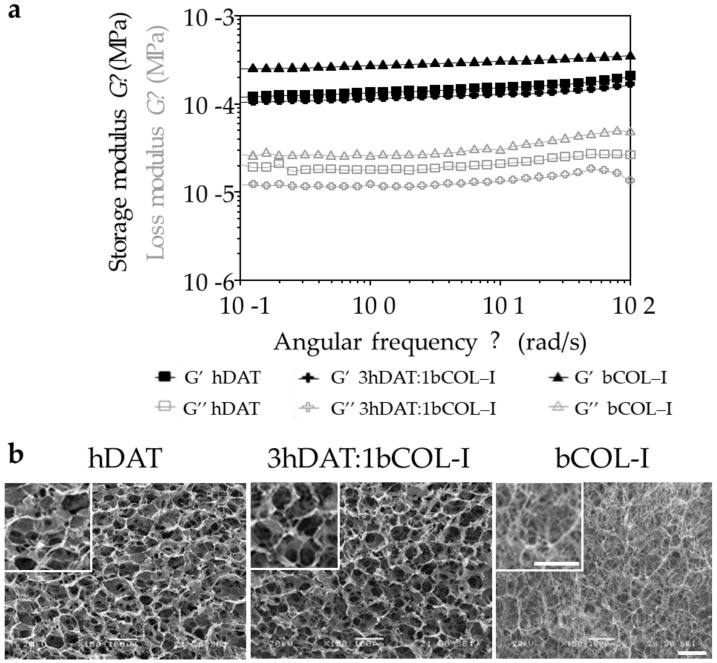
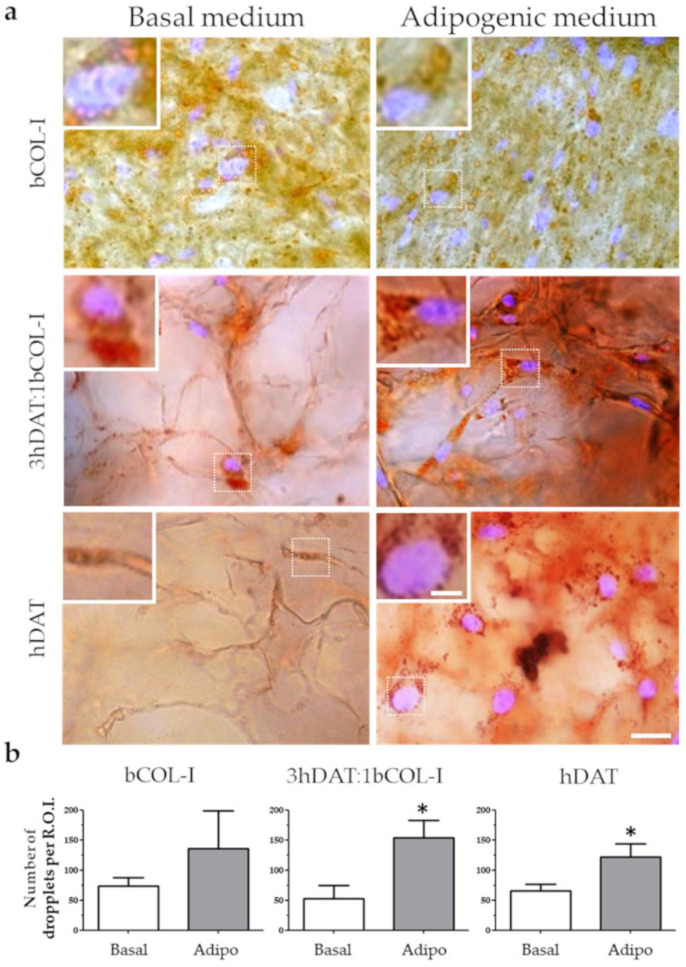
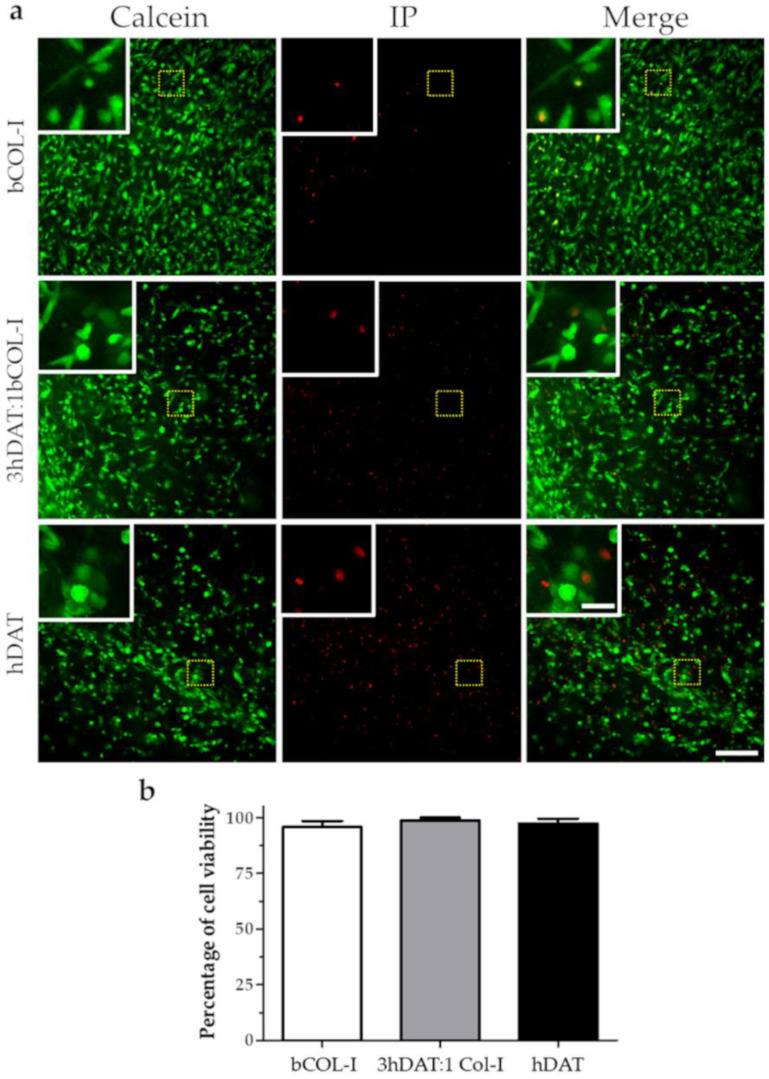
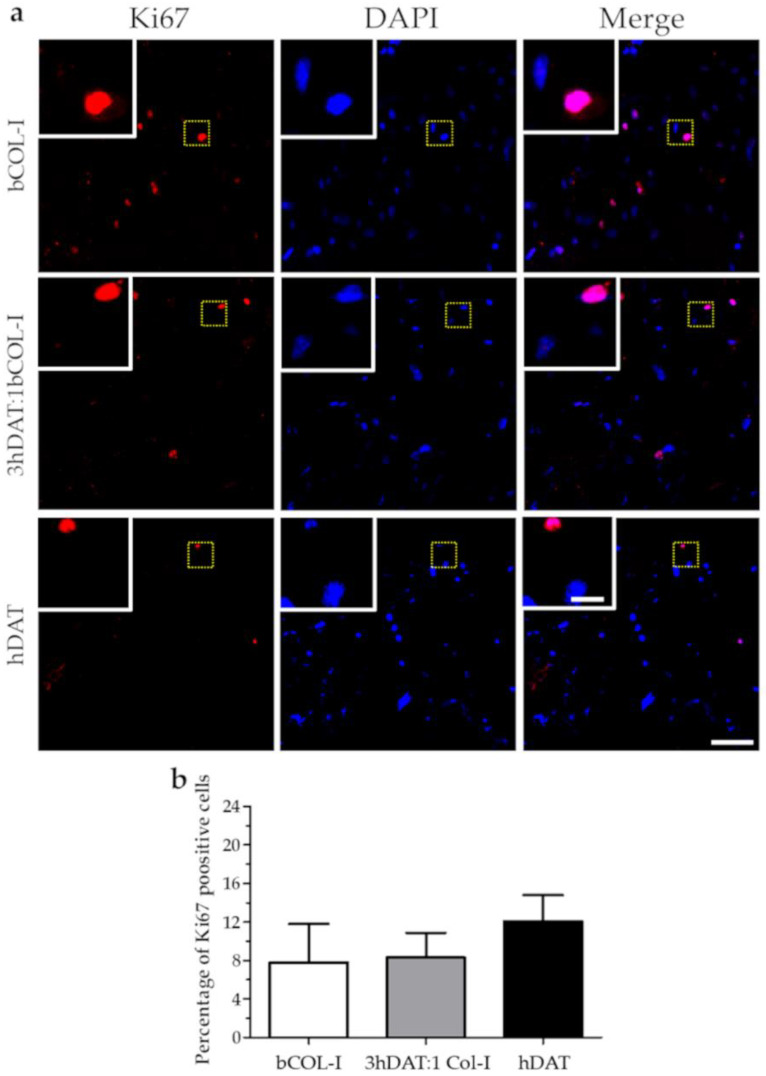
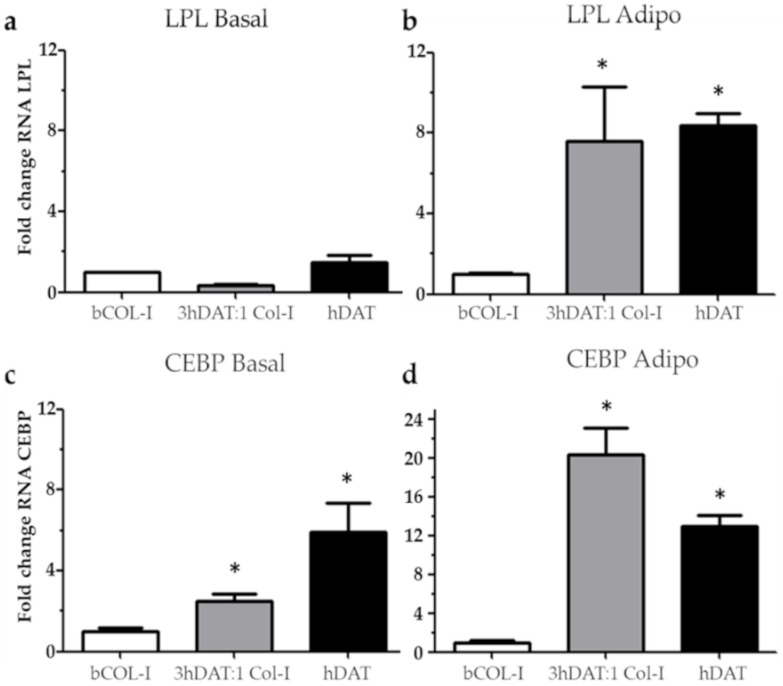
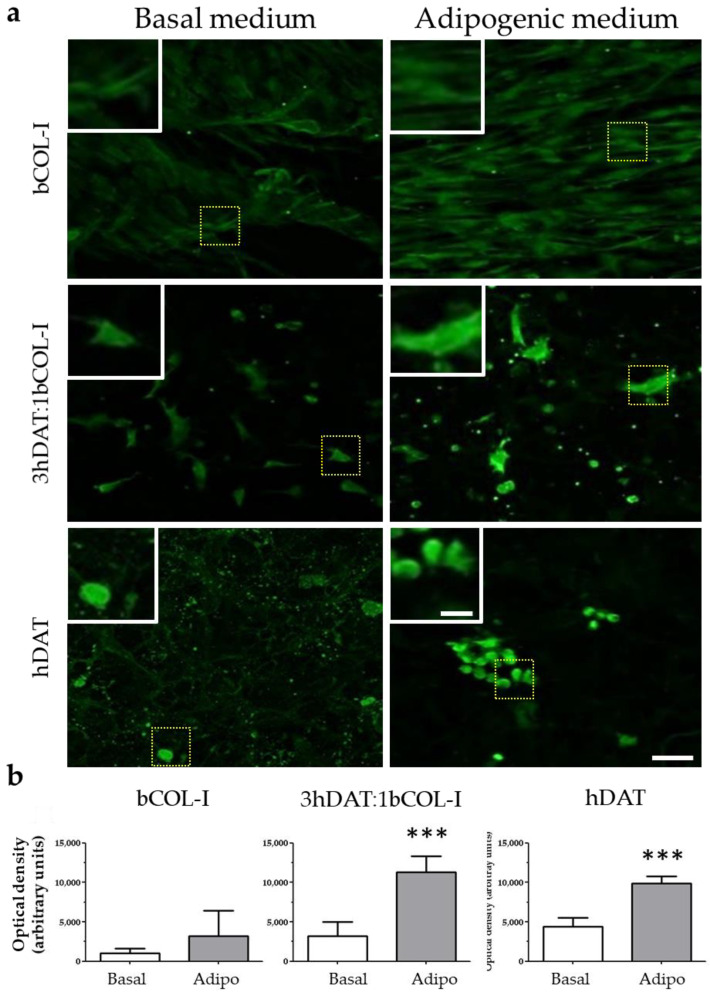
Engineered 3D human adipose tissue models and the development of physiological human 3D in vitro models to test new therapeutic compounds and advance in the study of pathophysiological mechanisms of disease is still technically challenging and expensive. To reduce costs and develop new technologies to study human adipogenesis and stem cell differentiation in a controlled in vitro system, here we report the design, characterization, and validation of extracellular matrix (ECM)-based materials of decellularized human adipose tissue (hDAT) or bovine collagen-I (bCOL-I) for 3D adipogenic stem cell culture. We aimed at recapitulating the dynamics, composition, and structure of the native ECM to optimize the adipogenic differentiation of human mesenchymal stem cells. hDAT was obtained by a two-enzymatic step decellularization protocol and post-processed by freeze-drying to produce 3D solid foams. These solid foams were employed either as pure hDAT, or combined with bCOL-I in a 3:1 proportion, to recreate a microenvironment compatible with stem cell survival and differentiation. We sought to investigate the effect of the adipogenic inductive extracellular 3D-microenvironment on human multipotent dental pulp stem cells (hDPSCs). We found that solid foams supported hDPSC viability and proliferation. Incubation of hDPSCs with adipogenic medium in hDAT-based solid foams increased the expression of mature adipocyte LPL and c/EBP gene markers as determined by RT-qPCR, with respect to bCOL-I solid foams. Moreover, hDPSC capability to differentiate towards adipocytes was assessed by PPAR-γ immunostaining and Oil-red lipid droplet staining. We found out that both hDAT and mixed 3:1 hDAT-COL-I solid foams could support adipogenesis in 3D-hDPSC stem cell cultures significantly more efficiently than solid foams of bCOL-I, opening the possibility to obtain hDAT-based solid foams with customized properties. The combination of human-derived ECM biomaterials with synthetic proteins can, thus, be envisaged to reduce fabrication costs, thus facilitating the widespread use of autologous stem cells and biomaterials for personalized medicine.
工程化三维人体脂肪组织模型以及用于测试新治疗化合物和推进疾病病理生理机制研究的生理性人体三维体外模型的开发,在技术上仍然具有挑战性且成本高昂。为了降低成本并开发新技术以在可控的体外系统中研究人类脂肪生成和干细胞分化,在此我们报告用于三维脂肪干细胞培养的基于细胞外基质(ECM)的脱细胞人脂肪组织(hDAT)或牛I型胶原(bCOL-I)材料的设计、表征和验证。我们旨在重现天然ECM的动态、组成和结构,以优化人间充质干细胞的脂肪生成分化。hDAT通过两步酶促脱细胞方案获得,并通过冷冻干燥进行后处理以生产三维固体泡沫。这些固体泡沫要么作为纯hDAT使用,要么与bCOL-I以3:1的比例混合,以重建与干细胞存活和分化兼容的微环境。我们试图研究脂肪生成诱导性细胞外三维微环境对人多能牙髓干细胞(hDPSCs)的影响。我们发现固体泡沫支持hDPSC的活力和增殖。与基于bCOL-I的固体泡沫相比,在基于hDAT的固体泡沫中用脂肪生成培养基培养hDPSCs,通过RT-qPCR测定,成熟脂肪细胞LPL和c/EBP基因标记物的表达增加。此外,通过PPAR-γ免疫染色和油红脂质滴染色评估hDPSC向脂肪细胞分化的能力。我们发现,hDAT和3:1 hDAT-COL-I混合固体泡沫在三维hDPSC干细胞培养中支持脂肪生成的效率明显高于bCOL-I固体泡沫,这为获得具有定制特性的基于hDAT的固体泡沫开辟了可能性。因此,可以设想将人源ECM生物材料与合成蛋白结合以降低制造成本,从而促进自体干细胞和生物材料在个性化医学中的广泛应用。