Center for Translational Research in Neurodegenerative Disease, University of Florida, Gainesville, FL 32610, USA.
Department of Neurology, University of Florida, Gainesville, FL 32610, USA.
Int J Mol Sci. 2022 Jul 25;23(15):8175. doi: 10.3390/ijms23158175.
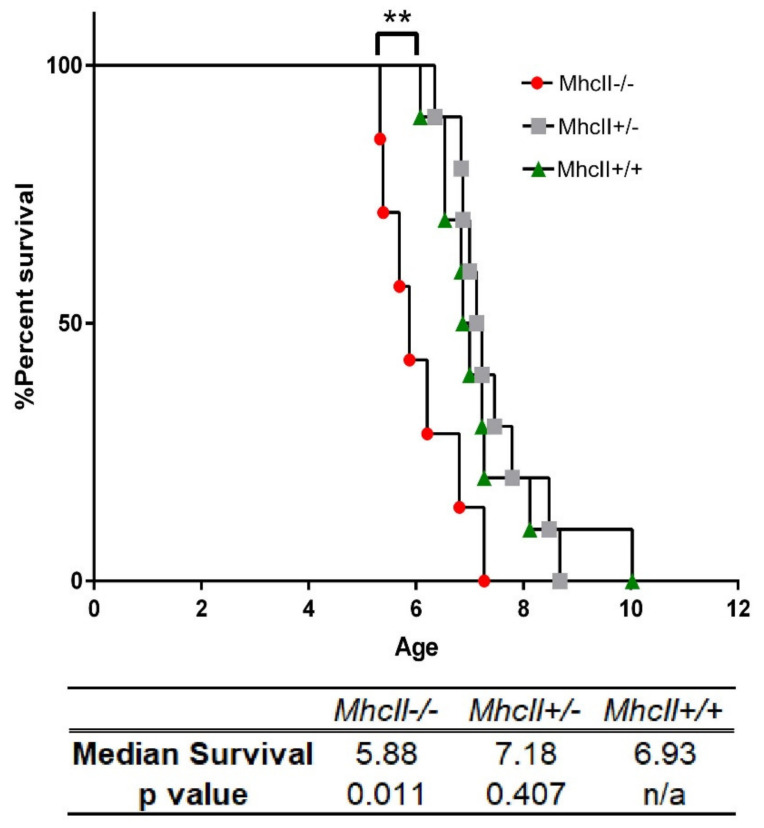
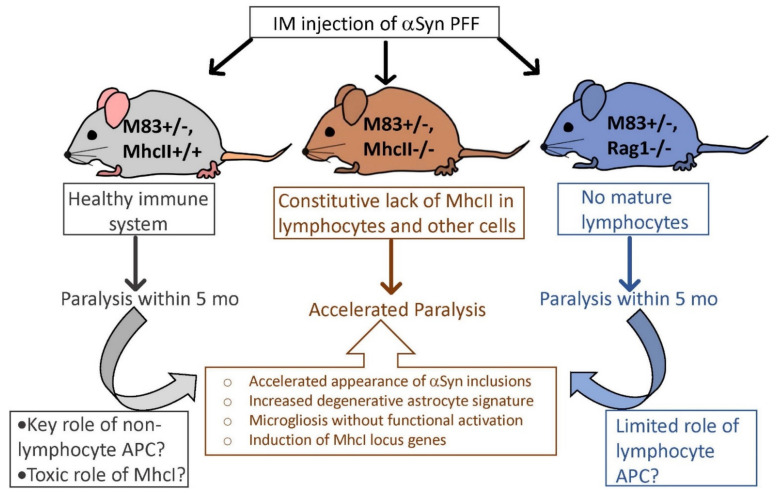
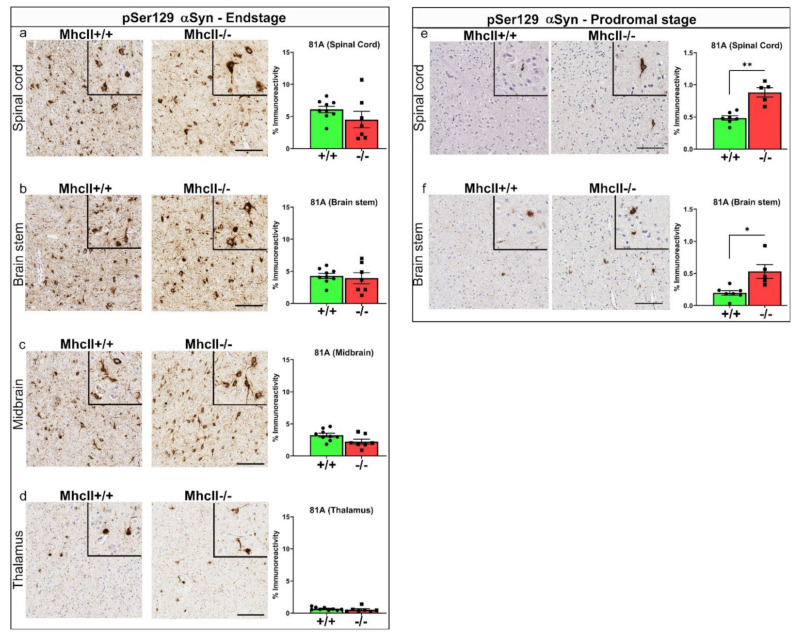
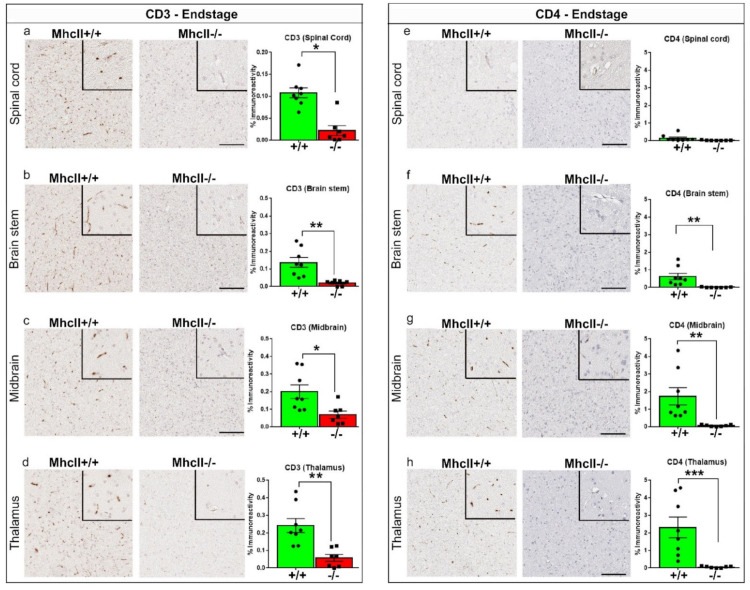
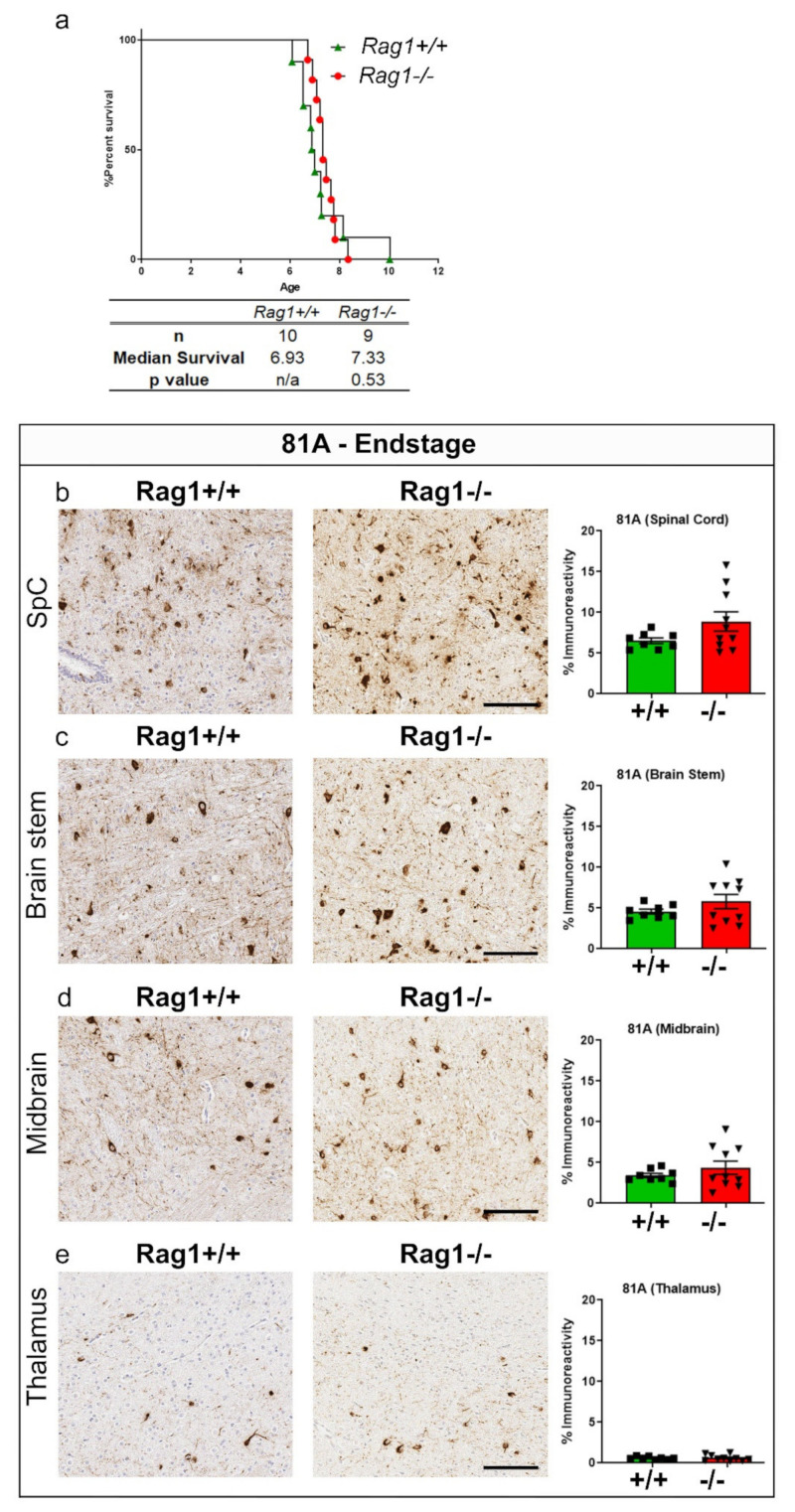
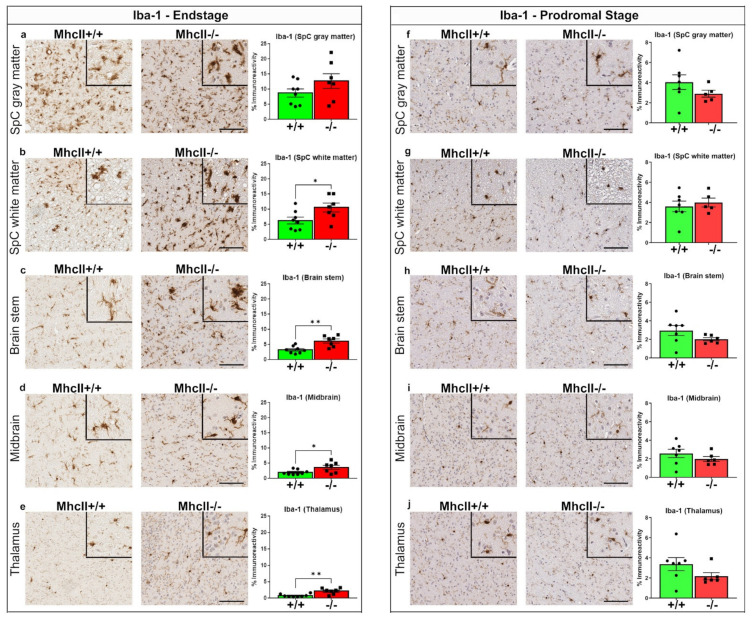
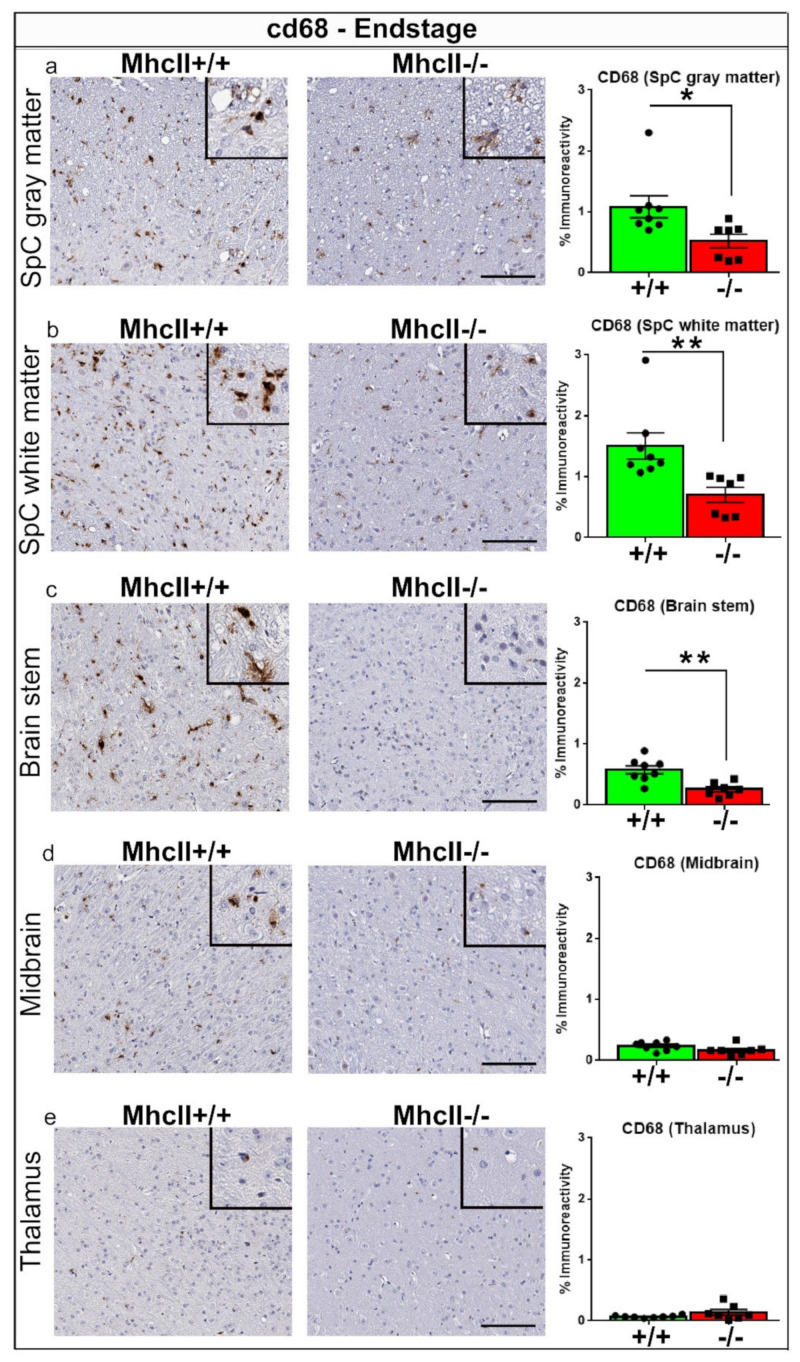
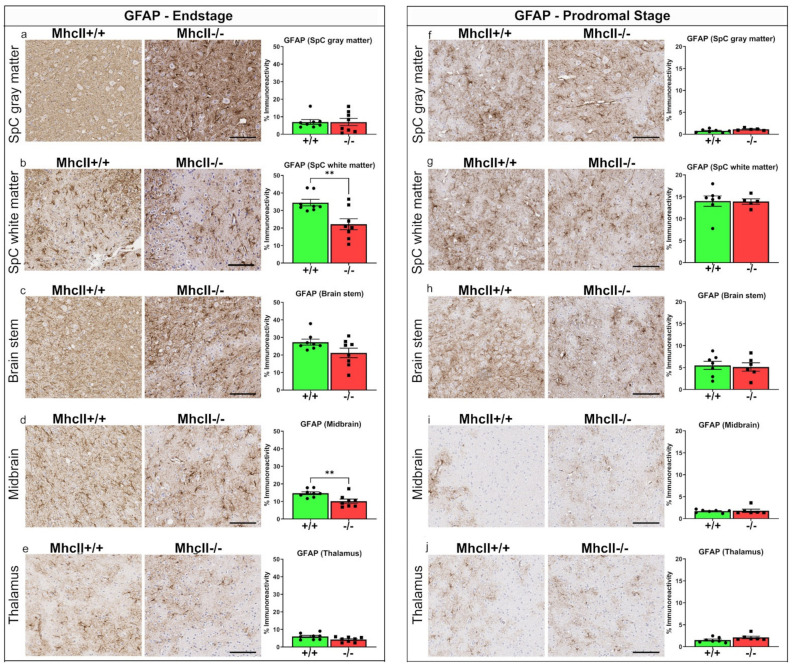
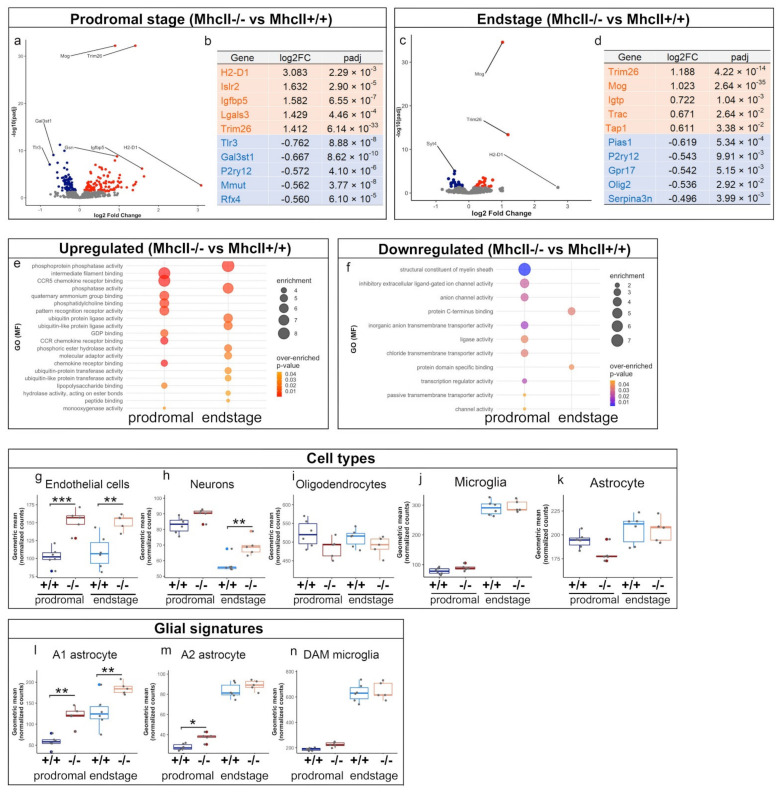
MHCII molecules, expressed by professional antigen-presenting cells (APCs) such as T cells and B cells, are hypothesized to play a key role in the response of cellular immunity to α-synuclein (α-syn). However, the role of cellular immunity in the neuroanatomic transmission of α-syn pre-formed fibrillar (PFF) seeds is undetermined. To illuminate whether cellular immunity influences the transmission of α-syn seeds from the periphery into the CNS, we injected preformed α-syn PFFs in the hindlimb of the Line M83 transgenic mouse model of synucleinopathy lacking MhcII. We showed that a complete deficiency in MhcII accelerated the appearance of seeded α-syn pathology and shortened the lifespan of the PFF-seeded M83 mice. To characterize whether B-cell and T-cell inherent MhcII function underlies this accelerated response to PFF seeding, we next injected α-syn PFFs in Rag1-/- mice which completely lacked these mature lymphocytes. There was no alteration in the lifespan or burden of endstage α-syn pathology in the PFF-seeded, Rag1-deficient M83+/- mice. Together, these results suggested that MhcII function on immune cells other than these classical APCs is potentially involved in the propagation of α-syn in this model of experimental synucleinopathy. We focused on microglia next, finding that while microglial burden was significantly upregulated in PFF-seeded, MhcII-deficient mice relative to controls, the microglial activation marker Cd68 was reduced in these mice, suggesting that these microglia were not responsive. Additional analysis of the CNS showed the early appearance of the neurotoxic astrocyte A1 signature and the induction of the Ifnγ-inducible anti-viral response mediated by MhcI in the MhcII-deficient, PFF-seeded mice. Overall, our data suggest that the loss of MhcII function leads to a dysfunctional response in non-classical APCs and that this response could potentially play a role in determining PFF-induced pathology. Collectively, our results identify the critical role of MhcII function in synucleinopathies induced by α-syn prion seeds.
MHCII 分子由专业抗原呈递细胞(APC)表达,如 T 细胞和 B 细胞,据推测在细胞免疫对 α-突触核蛋白(α-syn)的反应中发挥关键作用。然而,细胞免疫在 α-syn 预形成纤维(PFF)种子的神经解剖传播中的作用尚未确定。为了阐明细胞免疫是否影响 α-syn 种子从外周传入中枢神经系统,我们在缺乏 MHCII 的 Line M83 转基因神经核蛋白病模型的后肢中注射了预先形成的 α-syn PFF。我们发现,MHCII 的完全缺失加速了接种 α-syn 病理学的出现,并缩短了 PFF 接种 M83 小鼠的寿命。为了确定 B 细胞和 T 细胞固有的 MHCII 功能是否是对 PFF 接种的这种加速反应的基础,我们接下来在完全缺乏这些成熟淋巴细胞的 Rag1-/- 小鼠中注射了 α-syn PFF。在 PFF 接种的 Rag1 缺陷型 M83+/- 小鼠中,寿命或终末期 α-syn 病理学负担没有改变。总之,这些结果表明,除了这些经典 APC 之外,免疫细胞上的 MHCII 功能可能参与了该实验神经核蛋白病模型中 α-syn 的传播。我们接下来专注于小胶质细胞,发现与对照相比,在 PFF 接种的 MHCII 缺陷型小鼠中,小胶质细胞负担显著上调,但这些小鼠中的小胶质细胞激活标志物 Cd68 减少,表明这些小胶质细胞没有反应。对中枢神经系统的进一步分析表明,在 MHCII 缺陷型、PFF 接种的小鼠中,早期出现了神经毒性星形胶质细胞 A1 特征,并诱导了由 MHC I 介导的 IFNγ 诱导的抗病毒反应。总的来说,我们的数据表明 MHCII 功能的丧失导致非经典 APC 中的功能障碍反应,并且这种反应可能在确定 PFF 诱导的病理学中发挥作用。总之,我们的结果确定了 MHCII 功能在由 α-syn 朊病毒种子诱导的神经核蛋白病中的关键作用。