Cahusac Peter M B, Veermalla Arunteja
College of Medicine, Alfaisal University, Riyadh, Saudi Arabia.
Department of Comparative Medicine, King Faisal Specialist Hospital & Research Centre, Riyadh, Saudi Arabia.
IBRO Neurosci Rep. 2022 Jul 19;13:114-119. doi: 10.1016/j.ibneur.2022.07.002. eCollection 2022 Dec.
Camphor is a popular compound for therapeutic and cosmetic use with a distinctive odour, and somatosensory warming and cooling properties. The mechanisms for its action remain unclear.
The current study examined the effects of two enantiomers of camphor and related monoterpenoid compounds on mechanoreceptors.
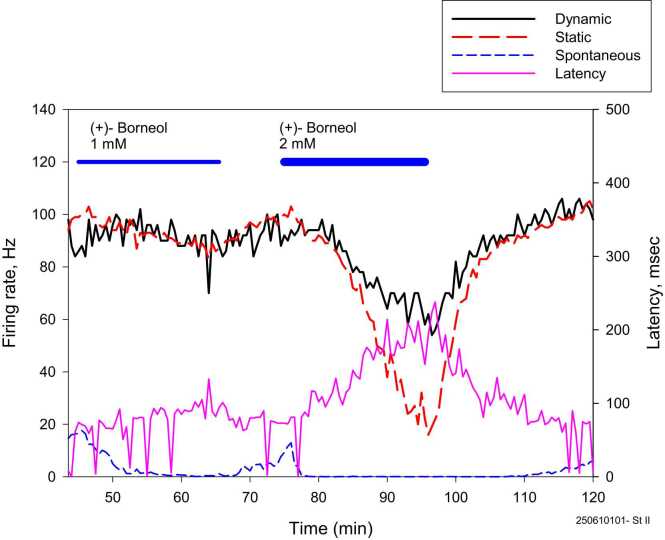
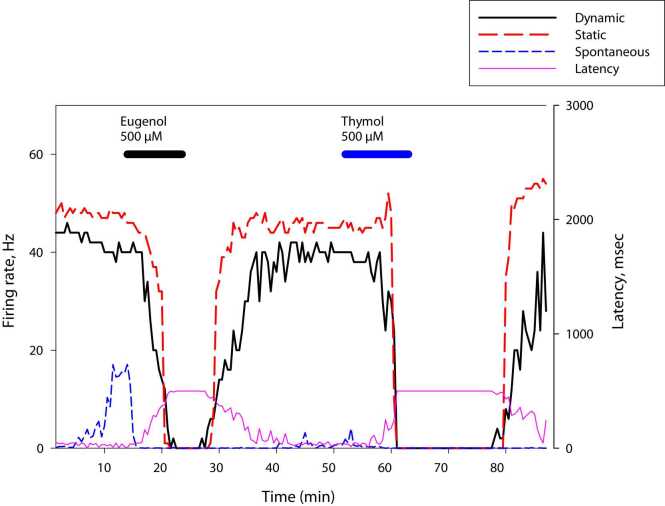
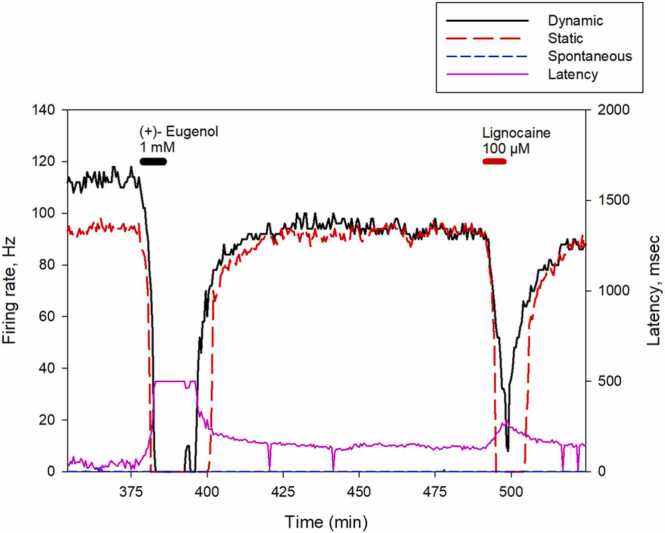
Extracellular recordings were made in an bath preparation. Camphor, borneol, eugenol, carveol, and thymol were tested on the neural activity of St I and St II slowly adapting mechanoreceptors in the rat vibrissal hair follicle preparation.
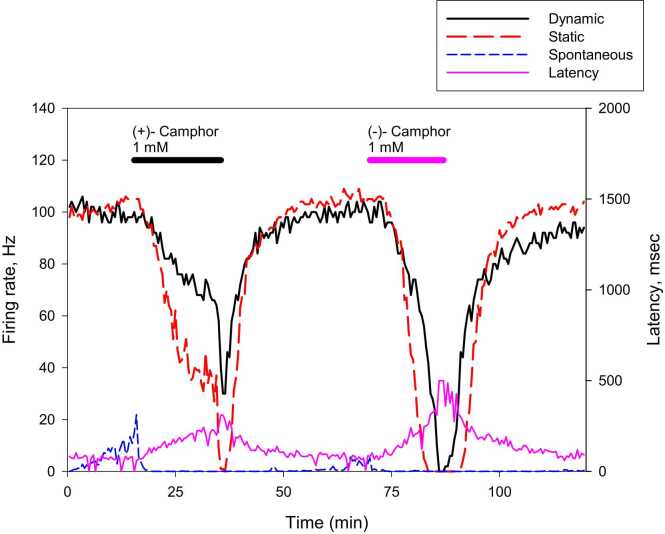
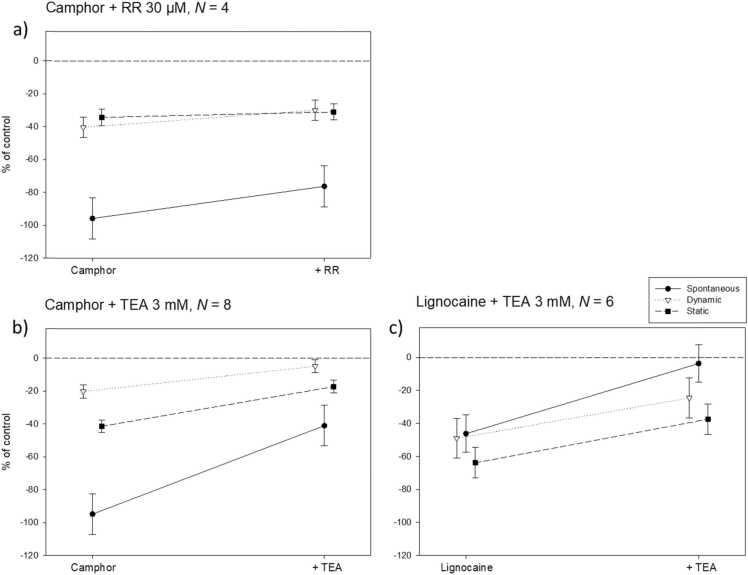
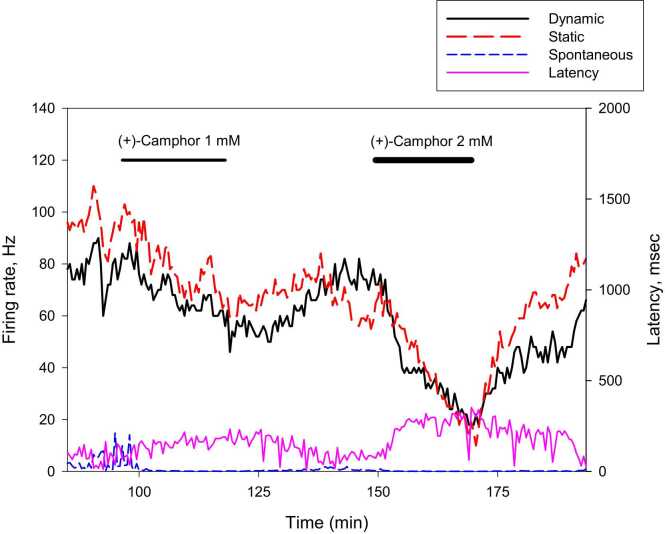
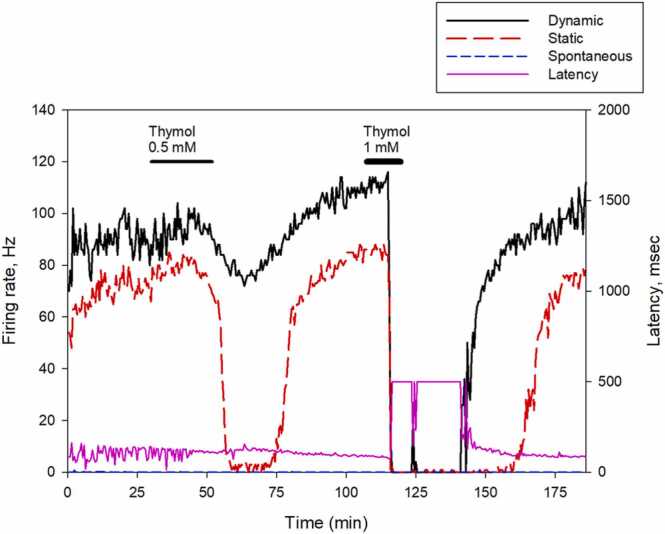
All compounds tested (0.5 - 2 mM bath concentrations) resulted in dose-dependent depression of spontaneous and mechanically evoked firing (dynamic and static phases). The mean latency of responses also increased. Both St I and St II were similarly affected, although (-)-camphor had a greater depressant effect on St II than on St I units. Differences were found across the different compounds for their effect on the dynamic and static phases. Thymol was found to have the greatest depressant effect on these phases. The broad spectrum TRP blocker ruthenium red did not reverse the depressant effects of camphor. The depressant effects of the compounds appeared similar to those obtained using the local anaesthetic lignocaine. The depressant effects of camphor and of lignocaine were partially reversed by the K channel blocker tetraethylammonium.
The results question whether the depressant effects of camphor and related compounds act through TRP channels. Perhaps the use of more selective blockers may reveal the molecular mechanisms through which these compounds act.
樟脑是一种常用于治疗和化妆品领域的化合物,具有独特气味以及体感温热和清凉特性。其作用机制尚不清楚。
本研究考察了樟脑的两种对映体及相关单萜类化合物对机械感受器的影响。
在离体浴槽标本中进行细胞外记录。在大鼠触须毛囊标本中,对樟脑、冰片、丁香酚、香芹醇和百里酚在第I类和第II类慢适应性机械感受器的神经活动上进行测试。
所有测试化合物(浴槽浓度为0.5 - 2 mM)均导致自发和机械诱发放电(动态和静态阶段)呈剂量依赖性抑制。反应的平均潜伏期也增加。第I类和第II类感受器受到的影响相似,尽管(-)-樟脑对第II类感受器的抑制作用比对第I类单位更强。不同化合物对动态和静态阶段的影响存在差异。发现百里酚对这些阶段的抑制作用最大。广谱TRP阻滞剂钌红不能逆转樟脑的抑制作用。这些化合物的抑制作用似乎与使用局部麻醉剂利多卡因所获得的作用相似。樟脑和利多卡因的抑制作用被钾通道阻滞剂四乙铵部分逆转。
结果质疑樟脑及相关化合物的抑制作用是否通过TRP通道发挥。或许使用更具选择性的阻滞剂可能揭示这些化合物发挥作用的分子机制。