Department of Transfusion Medicine, Center for Cellular Engineering, NIH Clinical Center, Bethesda, MD, 20892, USA.
Pediatric Oncology Branch, Center for Cancer Research, NIH NCI, Bethesda, MD, 20892, USA.
J Transl Med. 2022 Jul 28;20(1):338. doi: 10.1186/s12967-022-03531-3.
Cytokine release syndrome (CRS) is a strong immune system response that can occur as a result of the reaction of a cellular immunotherapy with malignant cells. While the frequency and management of CRS in CAR T-cell therapy has been well documented, there is emerging interest in pre-emptive treatment to reduce CRS severity and improve overall outcomes. Accordingly, identification of genomic determinants that contribute to cytokine release may lead to the development of targeted therapies to prevent or abrogate the severity of CRS.
Forty three clinical CD22 CAR T-cell products were collected for RNA extraction. 100 ng of mRNA was used for Nanostring assay analysis which is based on the nCounter platform. Several public datasets were used for validation purposes.
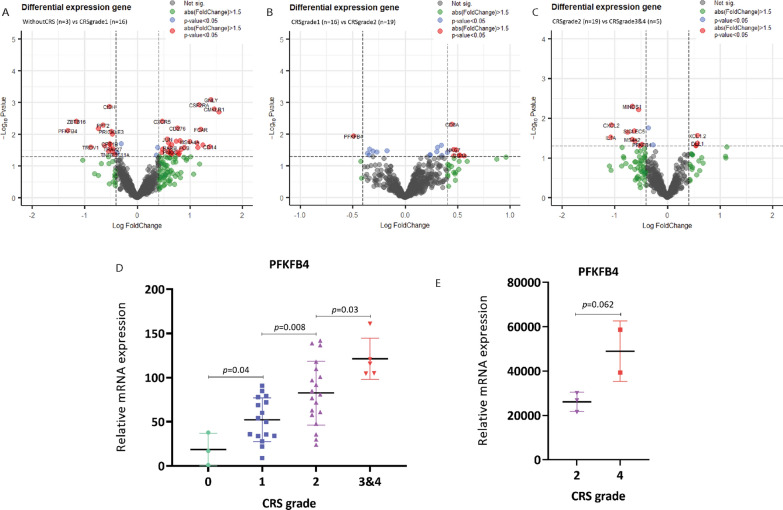
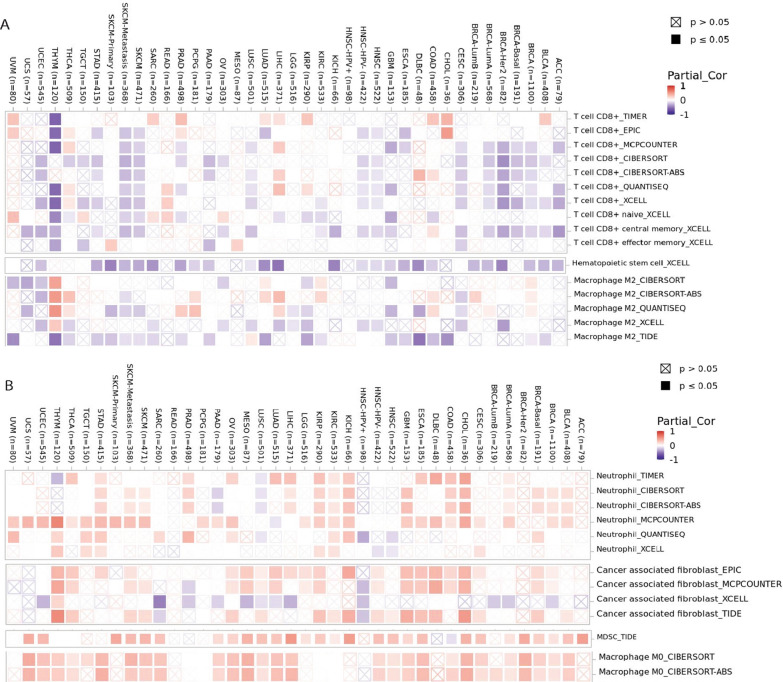
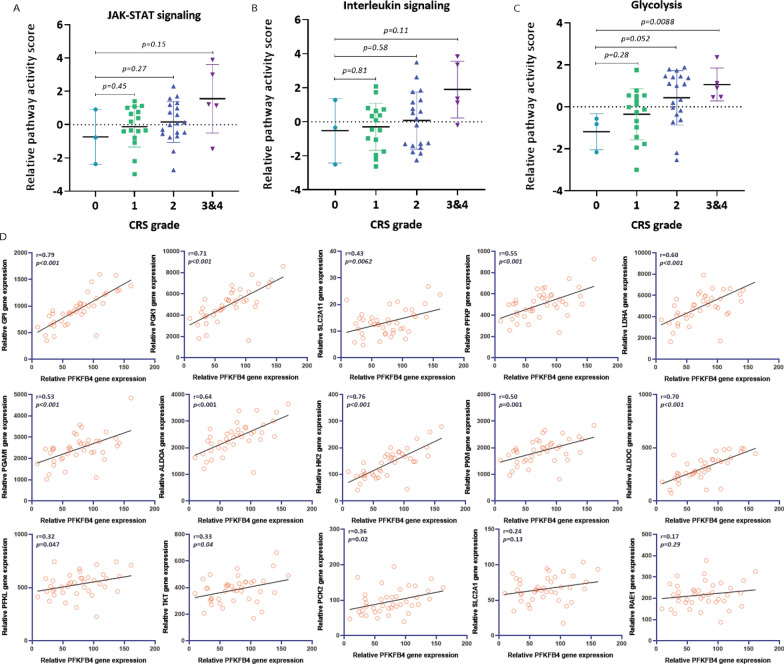
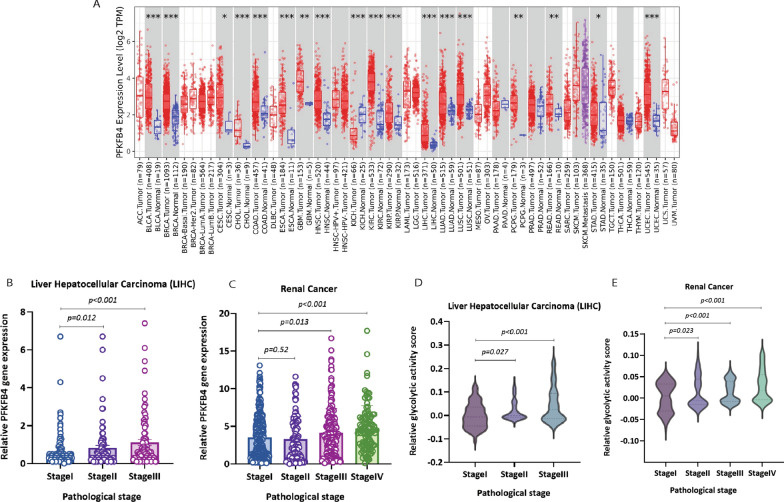
We found the expression of the PFKFB4 gene and glycolytic pathway activity were upregulated in CD22 CAR T-cells given to patients who developed CRS compared to those who did not experience CRS. Moreover, these results were further validated in cohorts with COVID-19, influenza infections and autoimmune diseases, and in tumor tissues. The findings were similar, except that glycolytic pathway activity was not increased in patients with influenza infections and systemic lupus erythematosus (SLE).
Our data strongly suggests that PFKFB4 acts as a driving factor in mediating cytokine release in vivo by regulating glycolytic activity. Our results suggest that it would beneficial to develop drugs targeting PFKFB4 and the glycolytic pathway for the treatment of CRS.
细胞因子释放综合征(CRS)是一种强烈的免疫系统反应,可能是由于细胞免疫疗法与恶性细胞反应引起的。虽然 CAR T 细胞疗法中 CRS 的频率和管理已经得到很好的记录,但人们对预防治疗以降低 CRS 严重程度和改善整体结果越来越感兴趣。因此,确定导致细胞因子释放的基因组决定因素可能会导致开发靶向治疗来预防或减轻 CRS 的严重程度。
收集了 43 种临床 CD22 CAR T 细胞产品进行 RNA 提取。使用 100ng mRNA 进行 Nanostring 分析,该分析基于 nCounter 平台。为了验证目的,使用了几个公共数据集。
我们发现,与未经历 CRS 的患者相比,在给予发生 CRS 的患者的 CD22 CAR T 细胞中,PFKFB4 基因的表达和糖酵解途径活性上调。此外,这些结果在 COVID-19、流感感染和自身免疫性疾病以及肿瘤组织的队列中得到了进一步验证。结果相似,只是流感感染和系统性红斑狼疮(SLE)患者的糖酵解途径活性没有增加。
我们的数据强烈表明,PFKFB4 通过调节糖酵解活性作为体内介导细胞因子释放的驱动因素。我们的结果表明,开发针对 PFKFB4 和糖酵解途径的药物将有助于治疗 CRS。