Busato Sebastiano, Ford Hunter R, Abdelatty Alzahraa M, Estill Charles T, Bionaz Massimo
Department of Animal and Rangeland Sciences, Oregon State University, Corvallis, OR, United States.
Department of Nutrition and Clinical Nutrition, Faculty of Veterinary Medicine, Cairo University, Giza, Egypt.
Front Vet Sci. 2022 Jul 12;9:931264. doi: 10.3389/fvets.2022.931264. eCollection 2022.
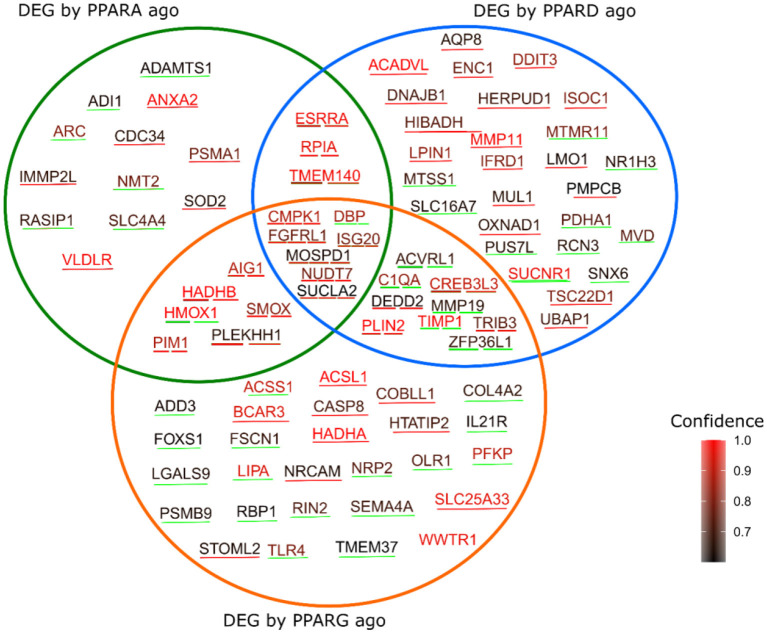
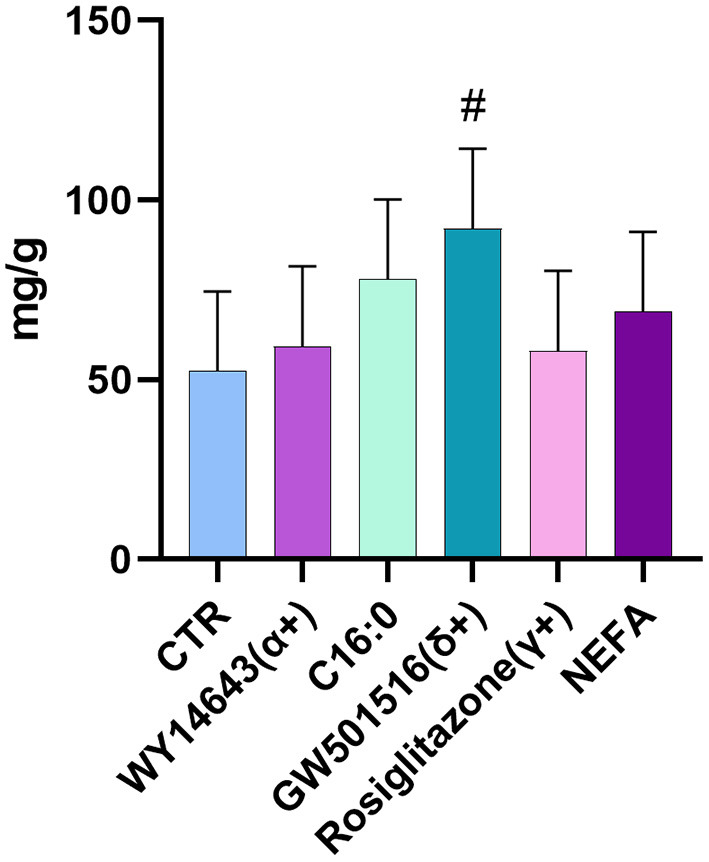
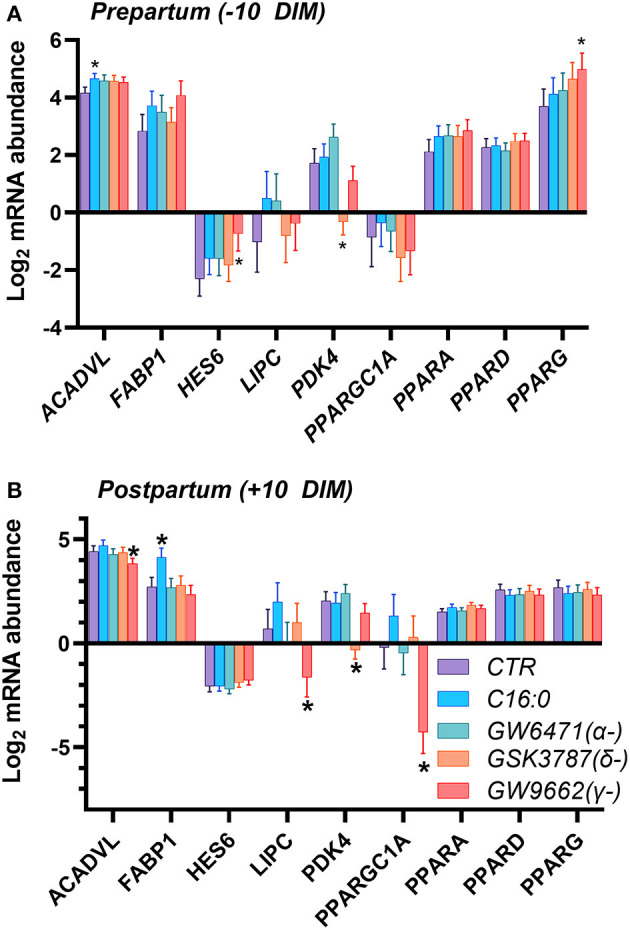
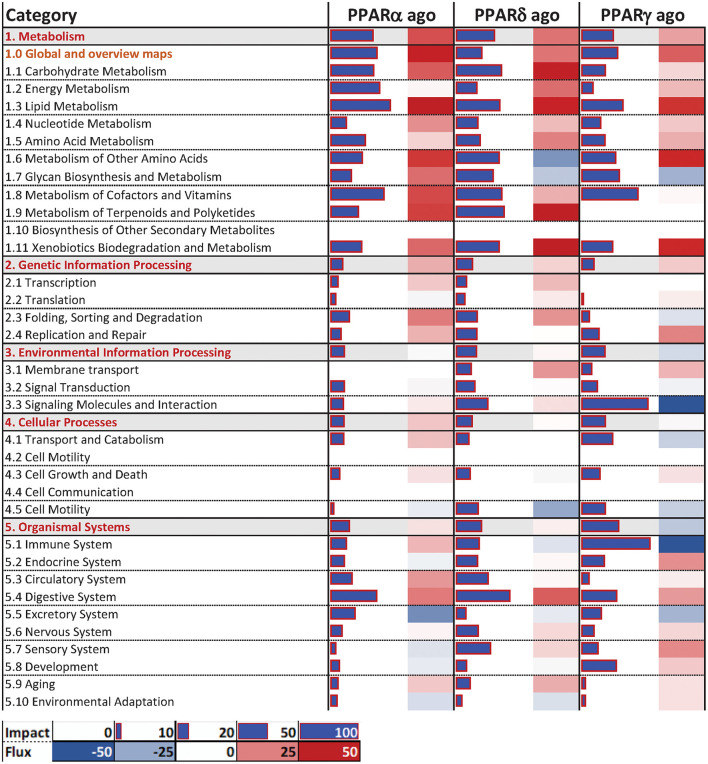
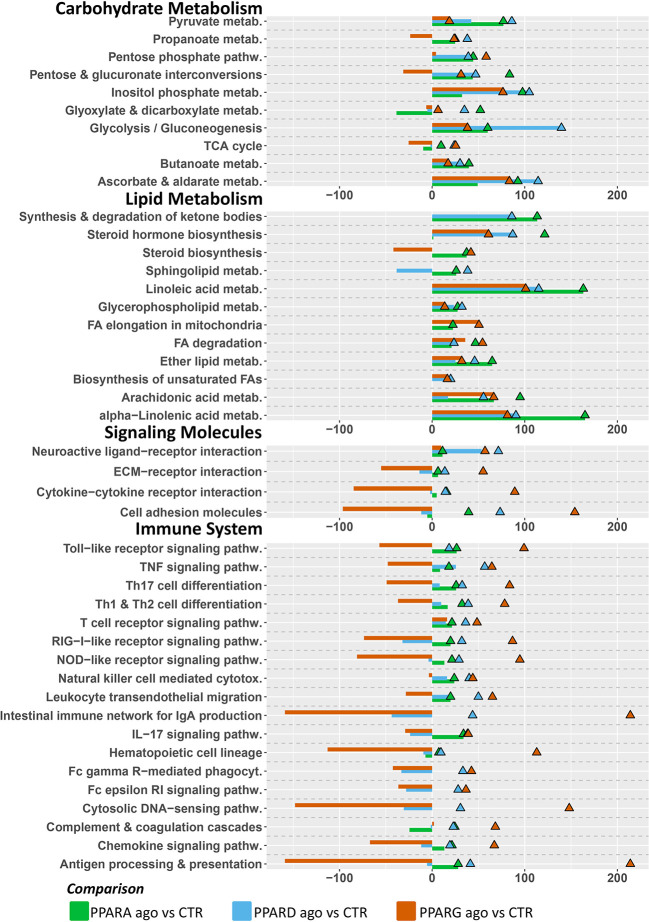
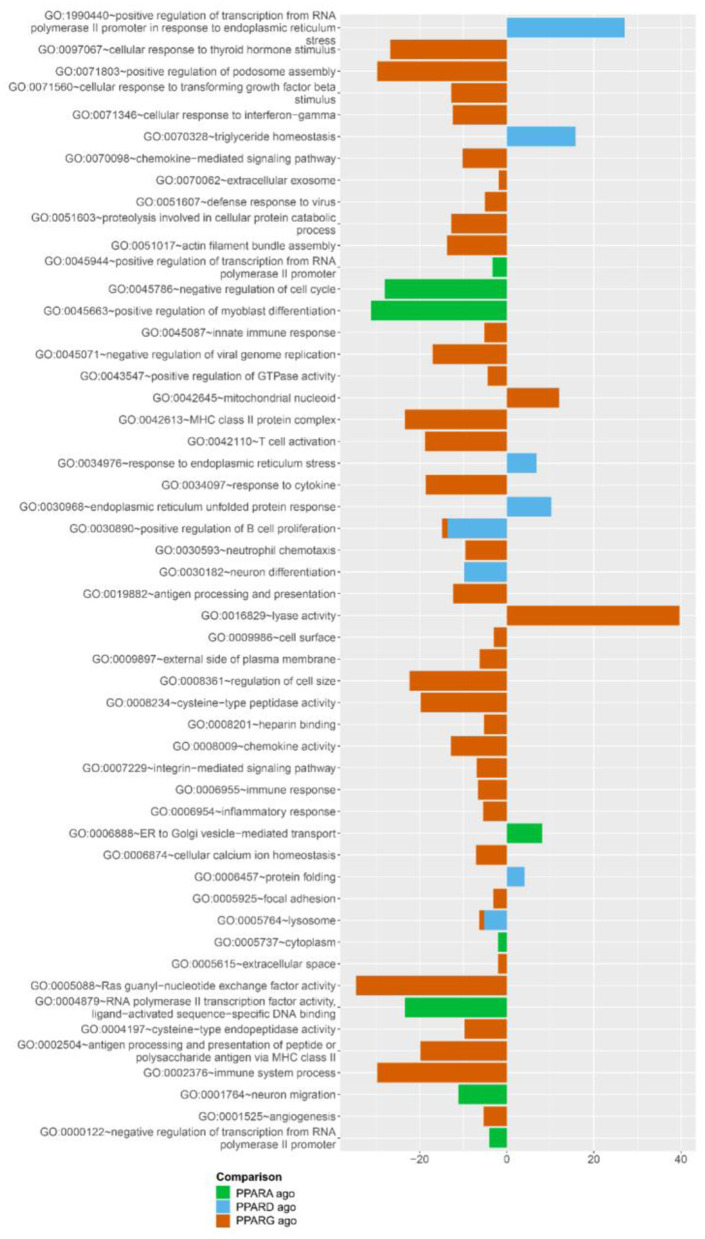
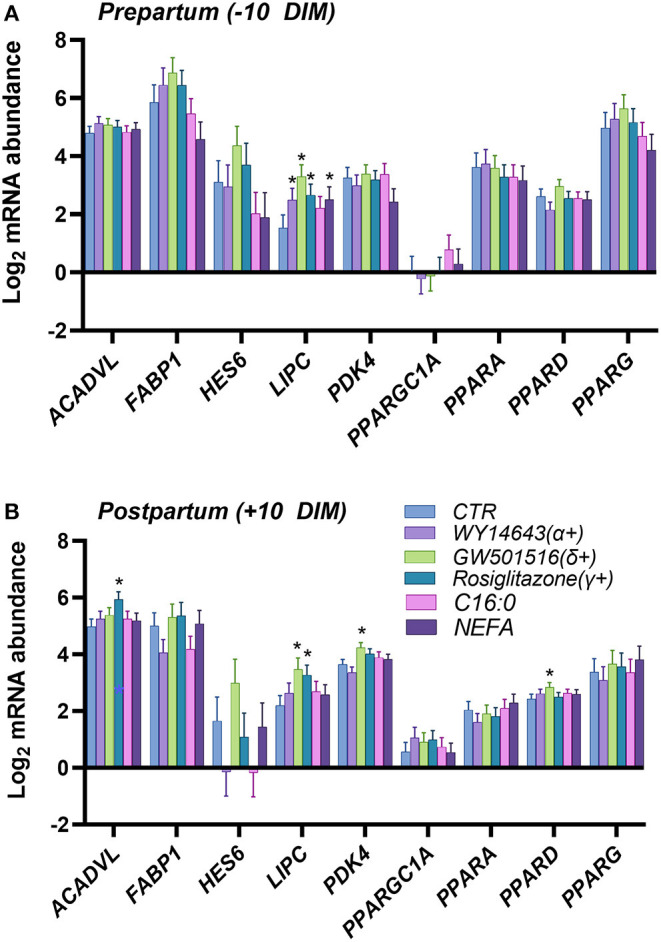
Metabolic challenges experienced by dairy cows during the transition between pregnancy and lactation (also known as peripartum), are of considerable interest from a nutrigenomic perspective. The mobilization of large amounts of non-esterified fatty acids () leads to an increase in NEFA uptake in the liver, the excess of which can cause hepatic accumulation of lipids and ultimately fatty liver. Interestingly, peripartum NEFA activate the Peroxisome Proliferator-activated Receptor (), a transcriptional regulator with known nutrigenomic properties. The study of PPAR activation in the liver of periparturient dairy cows is thus crucial; however, current models of the bovine liver are inadequate, and the isolation of primary hepatocytes is time consuming, resource intensive, and prone to errors, with the resulting cells losing characteristic phenotypical traits within hours. The objective of the current study was to evaluate the use of precision-cut liver slices () from liver biopsies as a model for PPAR activation in periparturient dairy cows. Three primiparous Jersey cows were enrolled in the experiment, and PCLS from each were prepared prepartum (-8.0 ± 3.6 DIM) and postpartum (+7.7± 1.2 DIM) and treated independently with a variety of PPAR agonists and antagonists: the PPARα agonist WY-14643 and antagonist GW-6471; the PPARδ agonist GW-50156 and antagonist GSK-3787; and the PPARγ agonist rosiglitazone and antagonist GW-9662. Gene expression was assayed through RT-qPCR and RNAseq, and intracellular triacylglycerol (TAG) concentration was measured. PCLS obtained from postpartum cows and treated with a PPARγ agonist displayed upregulation of and while those treated with PPARδ agonist had increased expression of , and . In PCLS from prepartum cows, transcription of was increased by all PPAR agonists and NEFA. TAG concentration tended to be larger in tissue slices treated with PPARδ agonist compared to CTR. Use of PPAR isotype-specific antagonists in PCLS cultivated in autologous blood serum failed to decrease expression of PPAR targets, except for , which was confirmed to be a PPARδ target. Transcriptome sequencing revealed considerable differences in response to PPAR agonists at a false discovery rate-adjusted -value of 0.2, with the most notable effects exerted by the PPARδ and PPARγ agonists. Differentially expressed genes were mainly related to pathways involved with lipid metabolism and the immune response. Among differentially expressed genes, a subset of 91 genes were identified as novel putative PPAR targets in the bovine liver, by cross-referencing our results with a publicly available dataset of predicted PPAR target genes, and supplementing our findings with prior literature. Our results provide important insights on the use of PCLS as a model for assaying PPAR activation in the periparturient dairy cow.
从营养基因组学的角度来看,奶牛在怀孕和泌乳过渡期间(也称为围产期)所经历的代谢挑战备受关注。大量非酯化脂肪酸(NEFA)的动员导致肝脏中NEFA摄取增加,过量的NEFA会导致肝脏脂质积累并最终引发脂肪肝。有趣的是,围产期NEFA会激活过氧化物酶体增殖物激活受体(PPAR),这是一种具有已知营养基因组学特性的转录调节因子。因此,研究围产期奶牛肝脏中PPAR的激活至关重要;然而,目前的牛肝脏模型并不完善,并且原代肝细胞的分离既耗时又耗费资源,还容易出错,所得到的细胞在数小时内就会失去特征性表型特征。本研究的目的是评估使用肝脏活检获得的精密肝切片(PCLS)作为围产期奶牛PPAR激活模型的可行性。三只初产泽西奶牛参与了该实验,分别在产前(-8.0±3.6天)和产后(+7.7±1.2天)制备每只奶牛的PCLS,并分别用多种PPAR激动剂和拮抗剂进行处理:PPARα激动剂WY-14643和拮抗剂GW-6471;PPARδ激动剂GW-50156和拮抗剂GSK-3787;以及PPARγ激动剂罗格列酮和拮抗剂GW-9662。通过RT-qPCR和RNAseq检测基因表达,并测量细胞内三酰甘油(TAG)浓度。从产后奶牛获得并经PPARγ激动剂处理的PCLS显示 和 上调,而经PPARδ激动剂处理的PCLS中 、 和 的表达增加。在产前奶牛的PCLS中,所有PPAR激动剂和NEFA均使 的转录增加。与对照组相比,经PPARδ激动剂处理的组织切片中TAG浓度往往更高。在自体血清中培养的PCLS中使用PPAR亚型特异性拮抗剂,除了 (已证实是PPARδ靶点)外,未能降低PPAR靶点的表达。转录组测序显示,在错误发现率调整后的P值为0.2时,对PPAR激动剂的反应存在显著差异,其中PPARδ和PPARγ激动剂的作用最为显著。差异表达基因主要与脂质代谢和免疫反应相关的途径有关。通过将我们的结果与公开可用的预测PPAR靶基因数据集进行交叉引用,并结合先前的文献,在差异表达基因中,有91个基因被鉴定为牛肝脏中新的假定PPAR靶点。我们的结果为使用PCLS作为围产期奶牛PPAR激活检测模型提供了重要见解。