Department of Zoology & Developmental Biology, Osnabrück University, 49076, Osnabrück, Germany.
Center of Cellular Nanoanalytics Osnabrück - CellNanOs, 49076, Osnabrück, Germany.
Nat Commun. 2022 Jul 29;13(1):4420. doi: 10.1038/s41467-022-31974-1.
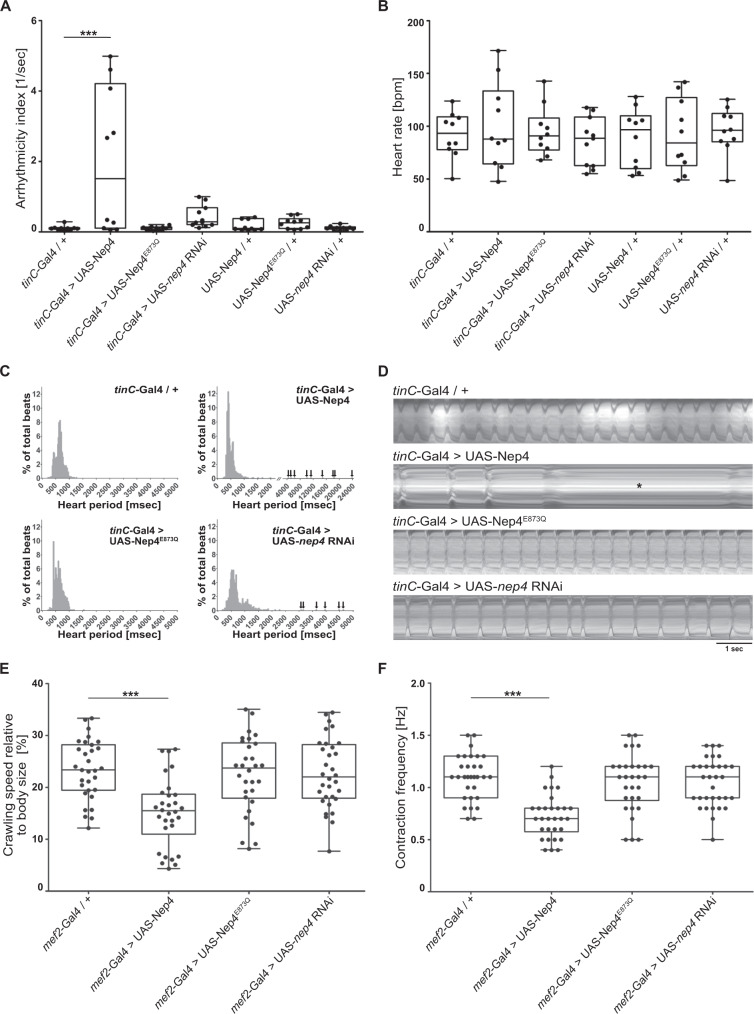
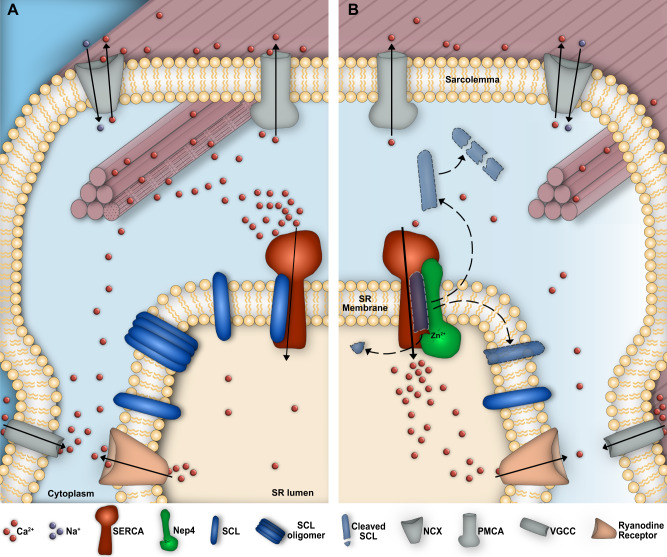
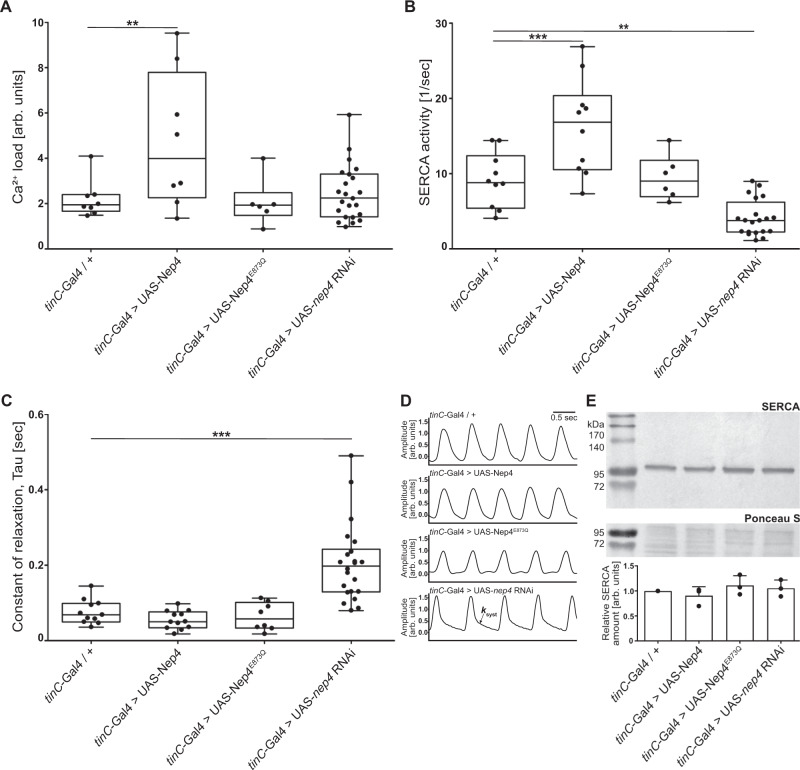
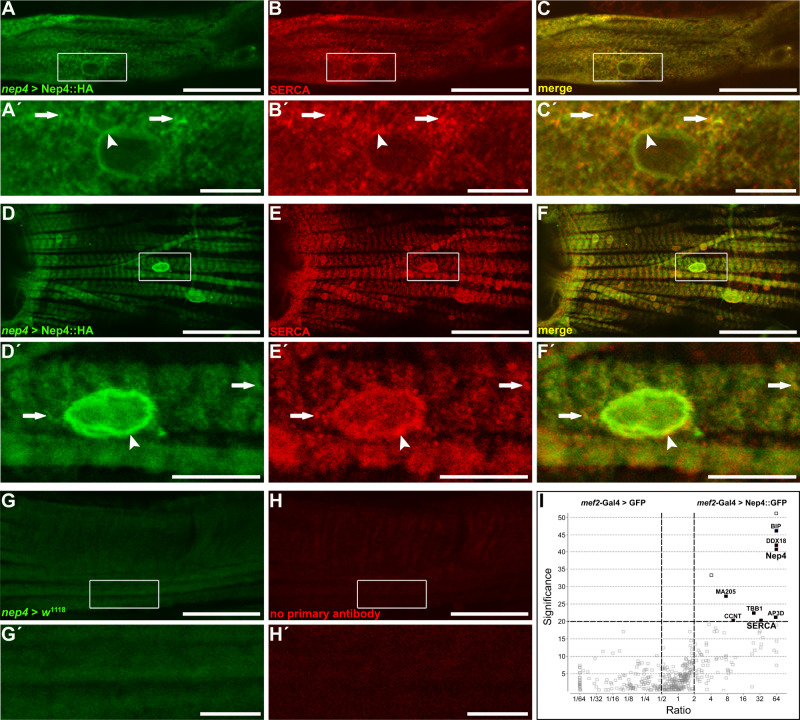
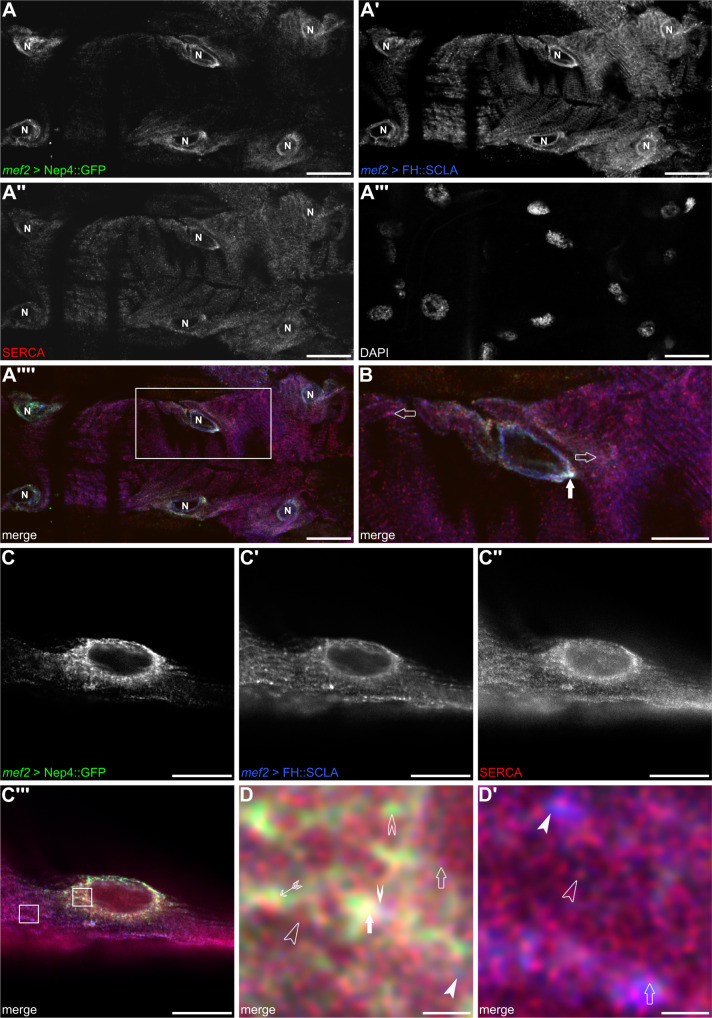
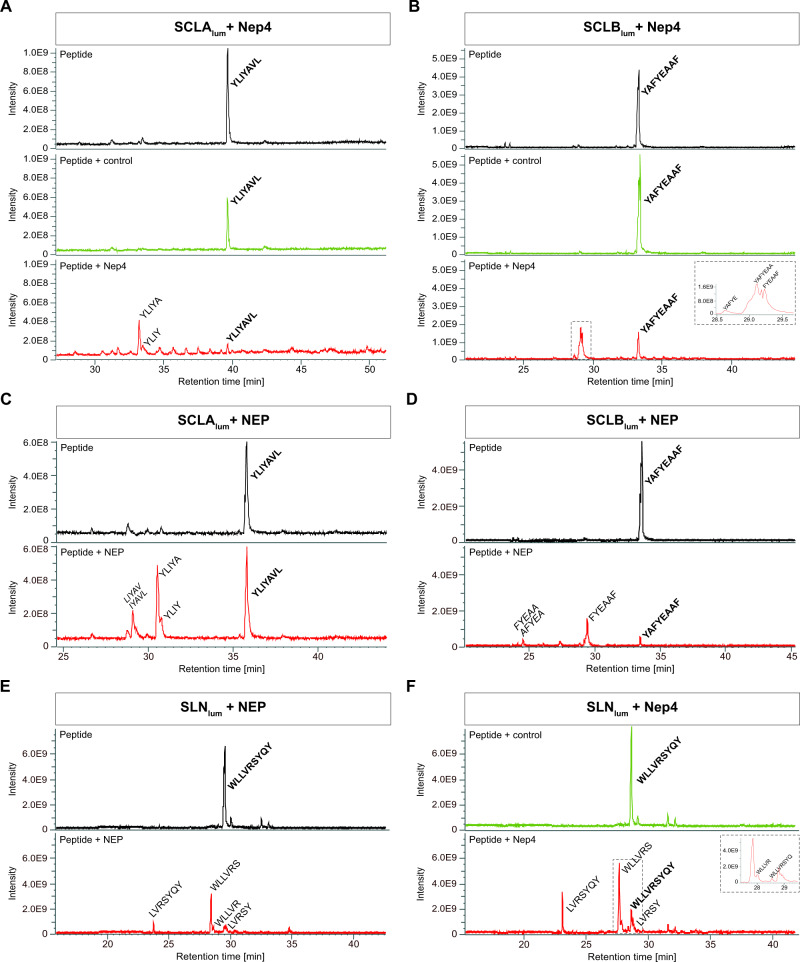
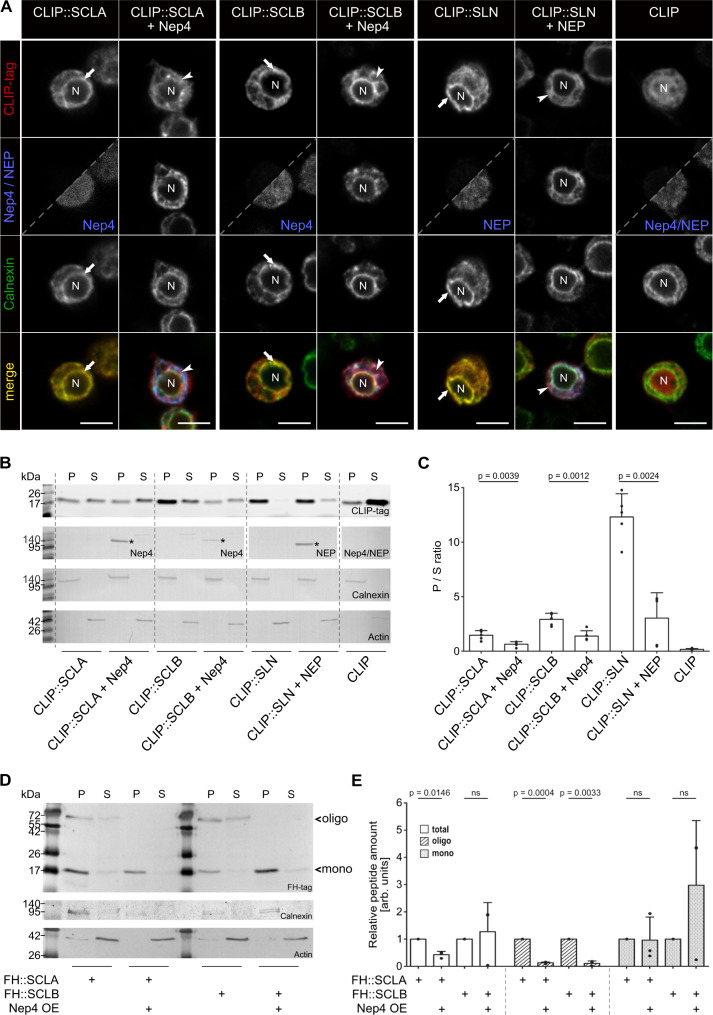
Muscle contraction depends on strictly controlled Ca transients within myocytes. A major player maintaining these transients is the sarcoplasmic/endoplasmic reticulum Ca ATPase, SERCA. Activity of SERCA is regulated by binding of micropeptides and impaired expression or function of these peptides results in cardiomyopathy. To date, it is not known how homeostasis or turnover of the micropeptides is regulated. Herein, we find that the Drosophila endopeptidase Neprilysin 4 hydrolyzes SERCA-inhibitory Sarcolamban peptides in membranes of the sarcoplasmic reticulum, thereby ensuring proper regulation of SERCA. Cleavage is necessary and sufficient to maintain homeostasis and function of the micropeptides. Analyses on human Neprilysin, sarcolipin, and ventricular cardiomyocytes indicates that the regulatory mechanism is evolutionarily conserved. By identifying a neprilysin as essential regulator of SERCA activity and Ca homeostasis in cardiomyocytes, these data contribute to a more comprehensive understanding of the complex mechanisms that control muscle contraction and heart function in health and disease.
肌肉收缩依赖于肌细胞内严格控制的 Ca 瞬变。维持这些瞬变的主要参与者是肌浆/内质网 Ca-ATP 酶(SERCA)。SERCA 的活性受微肽的结合调节,这些肽的表达或功能受损会导致心肌病。迄今为止,尚不清楚微肽的动态平衡或周转是如何调节的。本文中,我们发现果蝇内切酶 Neprilysin 4 在肌浆网的膜上水解 SERCA 抑制性 Sarcolamban 肽,从而确保 SERCA 的适当调节。切割是维持微肽的动态平衡和功能所必需和充分的。对人类 Neprilysin、肌浆素和心室肌细胞的分析表明,该调节机制在进化上是保守的。通过鉴定 Neprilysin 作为肌浆网 SERCA 活性和 Ca 动态平衡的必需调节剂,这些数据有助于更全面地了解控制肌肉收缩和心脏功能的复杂机制,无论在健康还是疾病状态下。