Division of Immunology and Infectious Disease, The John Curtin School of Medical Research, The Australian National University, Canberra, ACT, Australia.
Department of Microbiology and Immunology, The University of Melbourne, The Peter Doherty Institute for Infection and Immunity, Melbourne, VIC, Australia.
Nat Commun. 2022 Jul 29;13(1):4395. doi: 10.1038/s41467-022-32127-0.
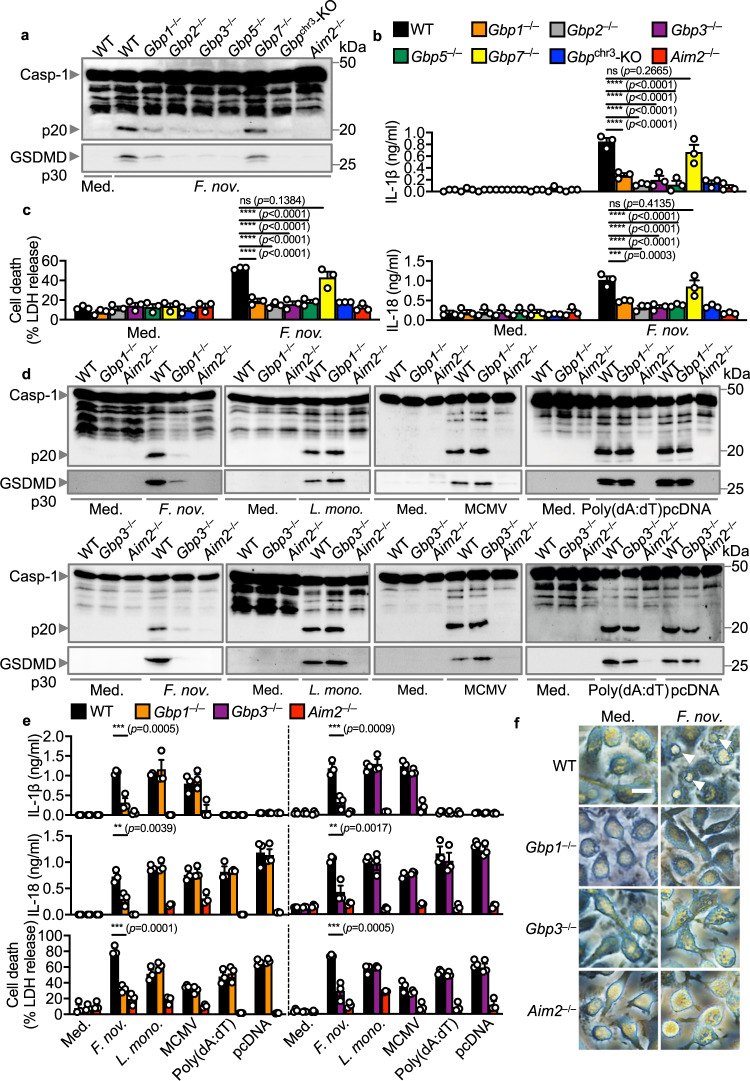
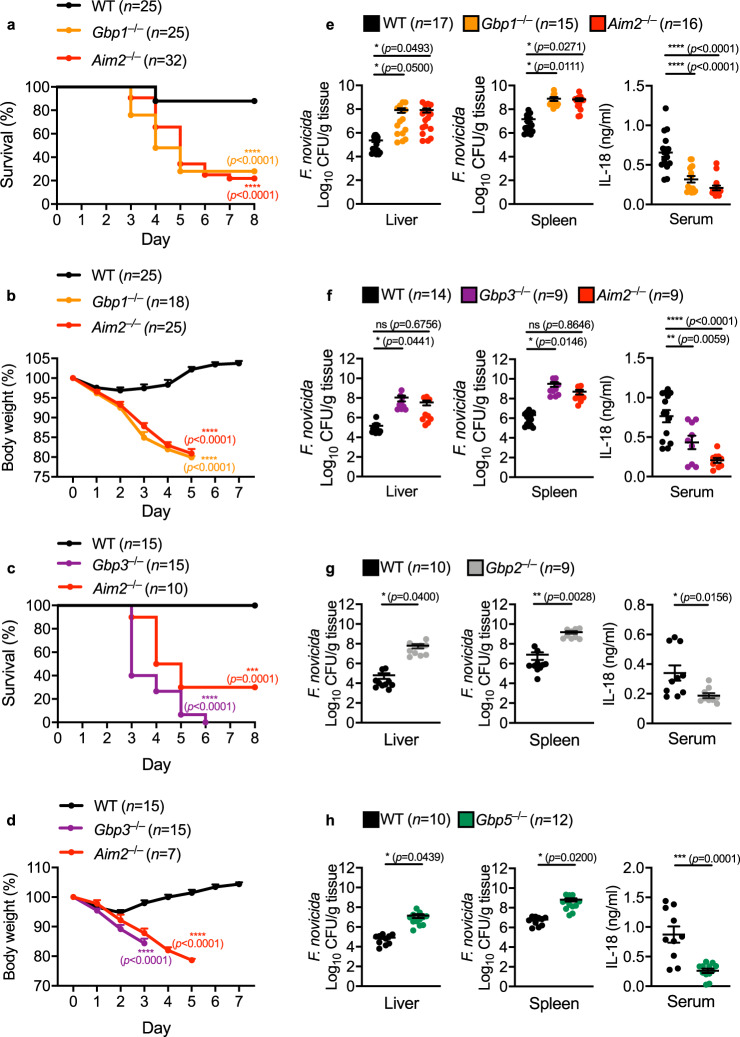
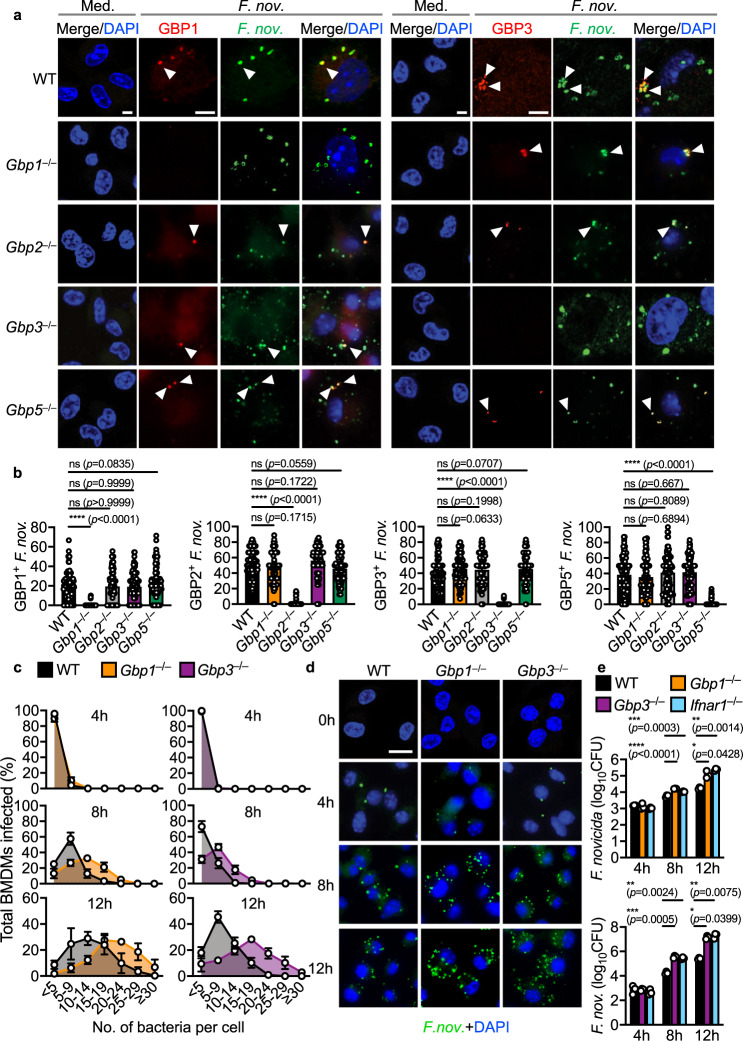
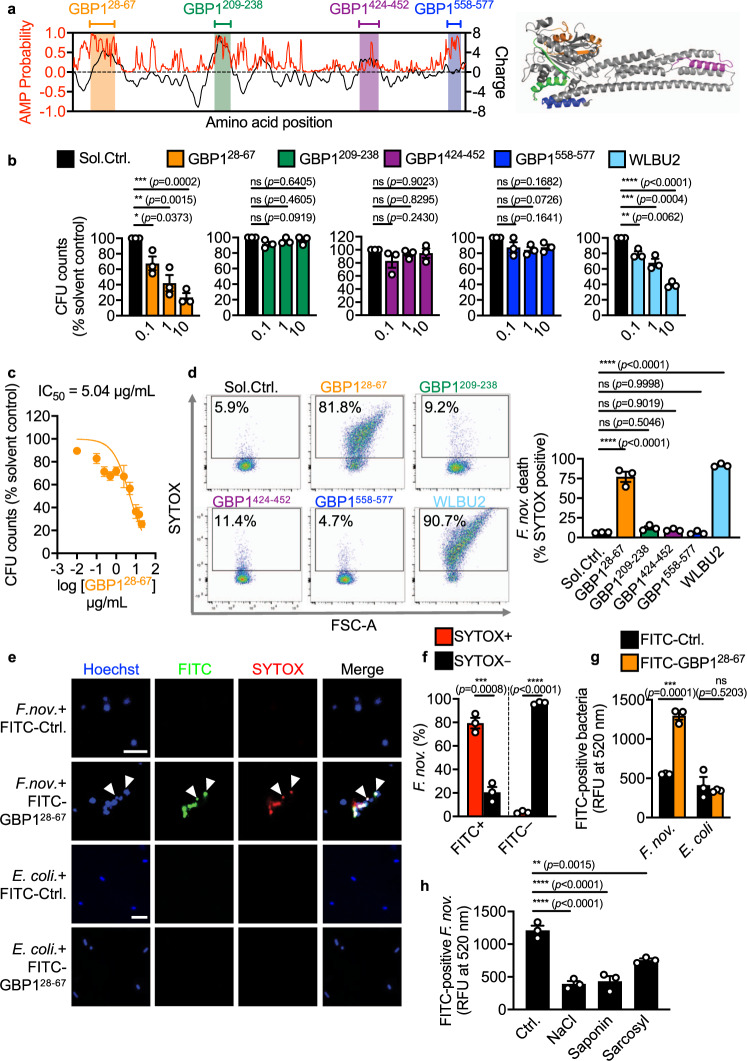
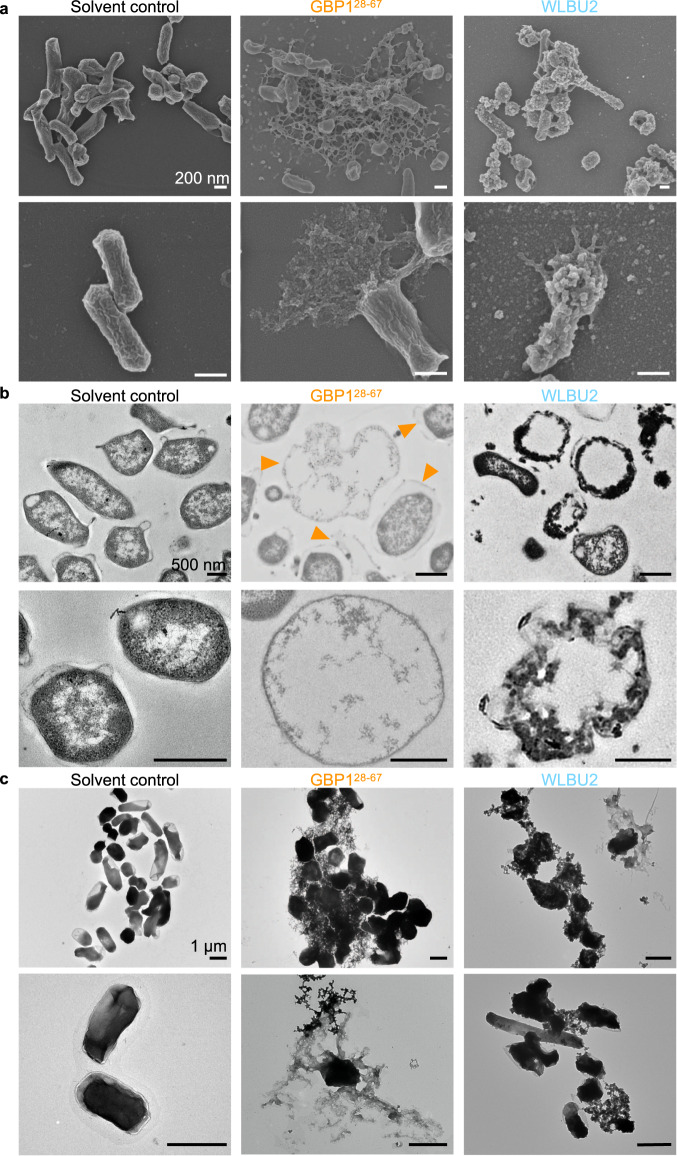
Inflammasomes are cytosolic signaling complexes capable of sensing microbial ligands to trigger inflammation and cell death responses. Here, we show that guanylate-binding proteins (GBPs) mediate pathogen-selective inflammasome activation. We show that mouse GBP1 and GBP3 are specifically required for inflammasome activation during infection with the cytosolic bacterium Francisella novicida. We show that the selectivity of mouse GBP1 and GBP3 derives from a region within the N-terminal domain containing charged and hydrophobic amino acids, which binds to and facilitates direct killing of F. novicida and Neisseria meningitidis, but not other bacteria or mammalian cells. This pathogen-selective recognition by this region of mouse GBP1 and GBP3 leads to pathogen membrane rupture and release of intracellular content for inflammasome sensing. Our results imply that GBPs discriminate between pathogens, confer activation of innate immunity, and provide a host-inspired roadmap for the design of synthetic antimicrobial peptides that may be of use against emerging and re-emerging pathogens.
炎性小体是细胞溶质信号复合物,能够感知微生物配体,引发炎症和细胞死亡反应。在这里,我们表明鸟苷酸结合蛋白(GBP)介导病原体选择性炎性小体激活。我们表明,在感染细胞质细菌弗朗西斯菌 novicida 期间,小鼠 GBP1 和 GBP3 特异性地需要炎性小体的激活。我们表明,小鼠 GBP1 和 GBP3 的选择性源于包含带电和疏水性氨基酸的 N 端结构域内的区域,该区域与弗朗西斯菌 novicida 和脑膜炎奈瑟菌结合,并促进其直接杀伤,但不杀伤其他细菌或哺乳动物细胞。小鼠 GBP1 和 GBP3 的该区域对病原体的这种选择性识别导致病原体膜破裂,并释放用于炎性小体感应的细胞内内容物。我们的结果表明,GBPs 可区分病原体,赋予先天免疫的激活,并为设计合成抗菌肽提供了宿主启发的路线图,这些抗菌肽可能对新兴和重现的病原体有用。