Department of Neuroscience and Pharmacology, University of Iowa, United States.
Iowa Neuroscience Institute, University of Iowa, United States; Department of Biology, University of Iowa, United States.
Brain Behav Immun. 2023 Jan;107:419-431. doi: 10.1016/j.bbi.2022.07.160. Epub 2022 Jul 28.
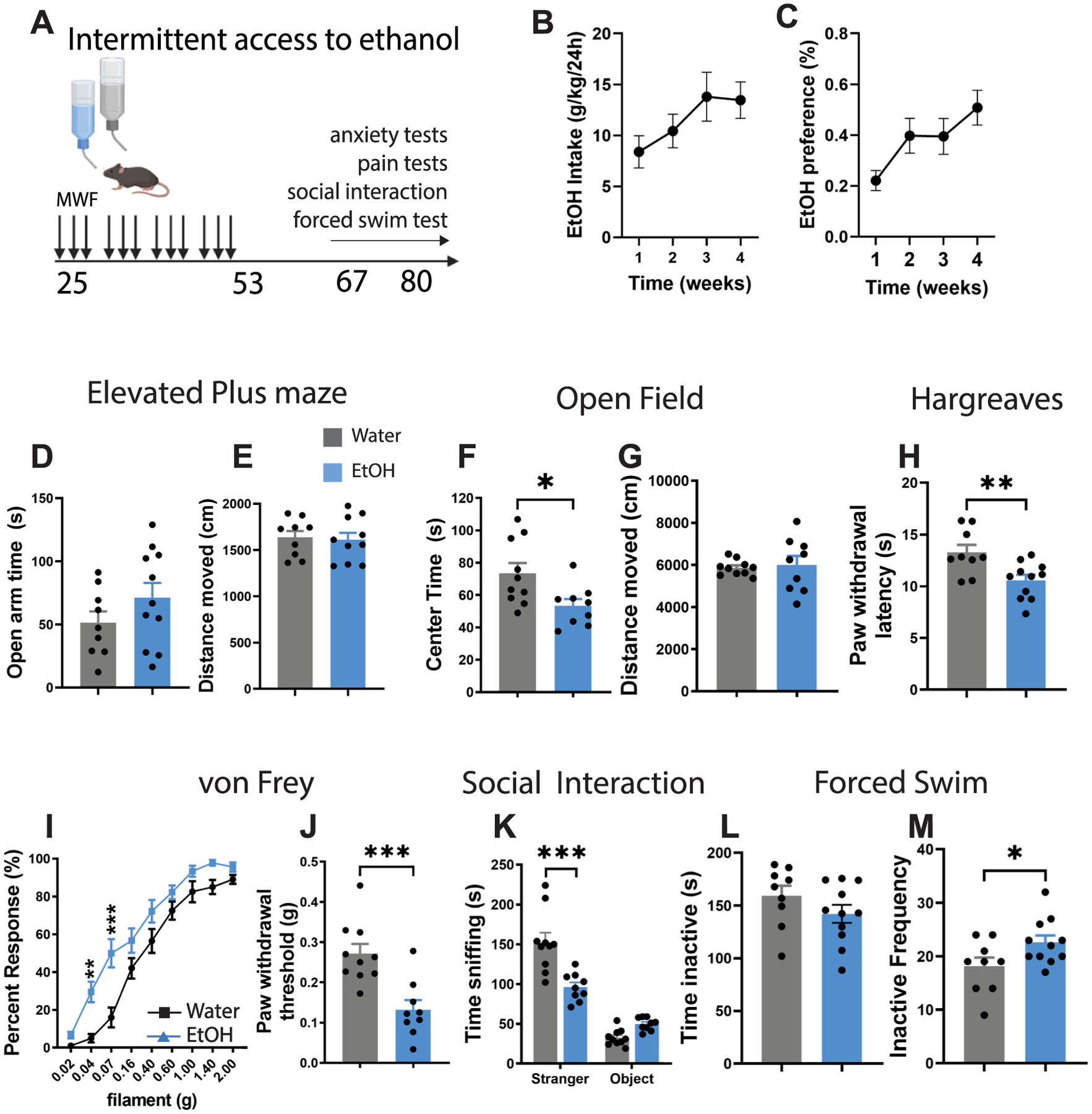
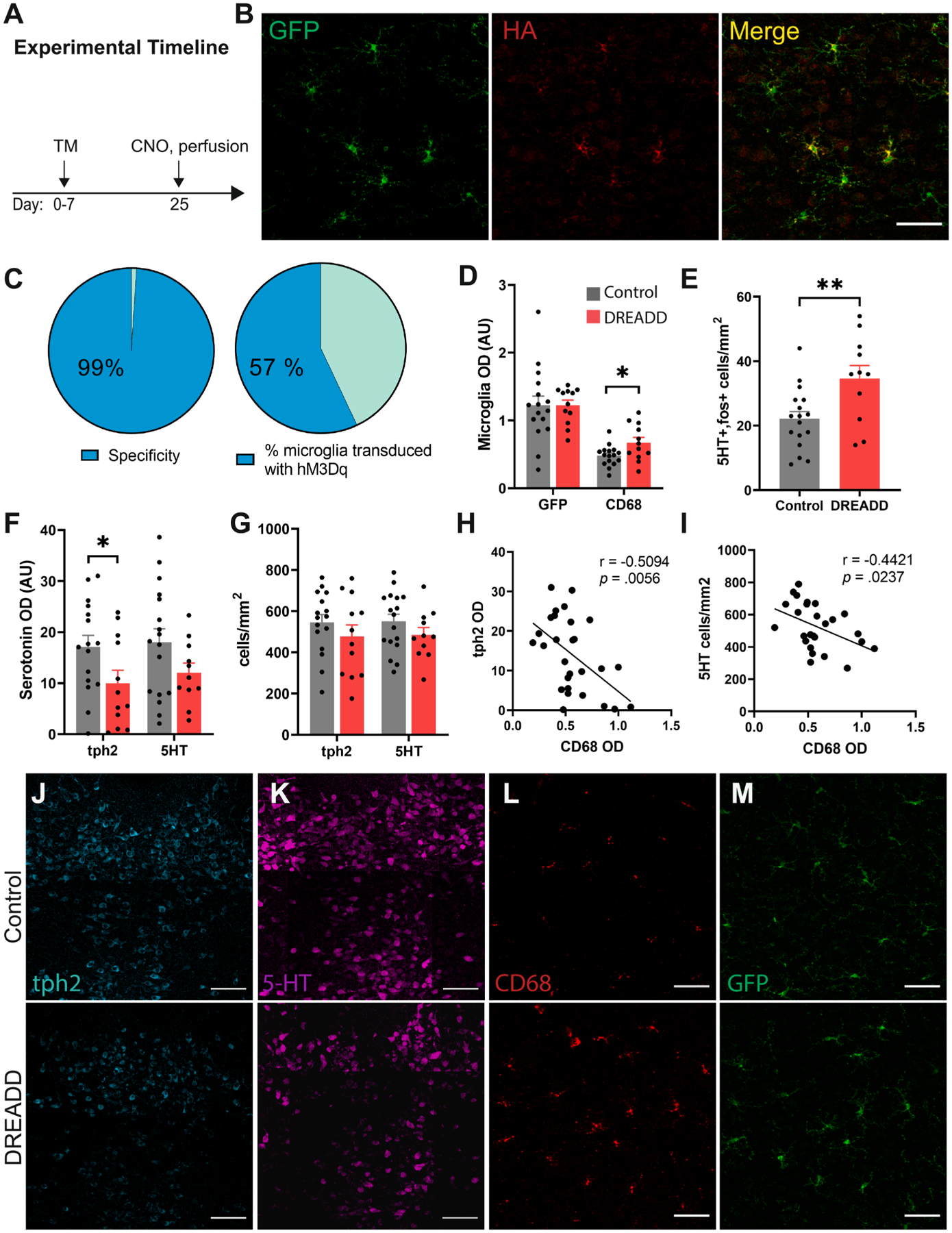
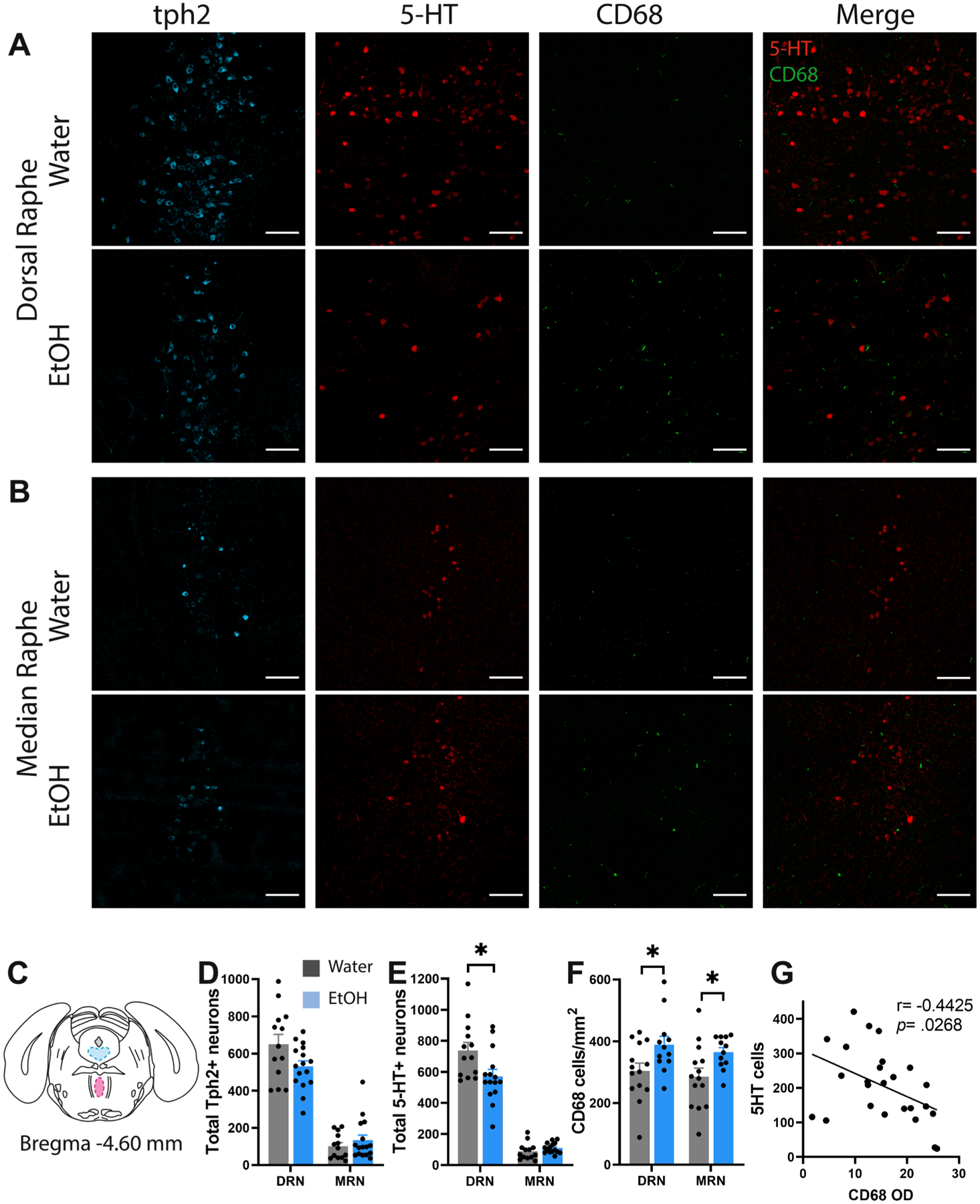
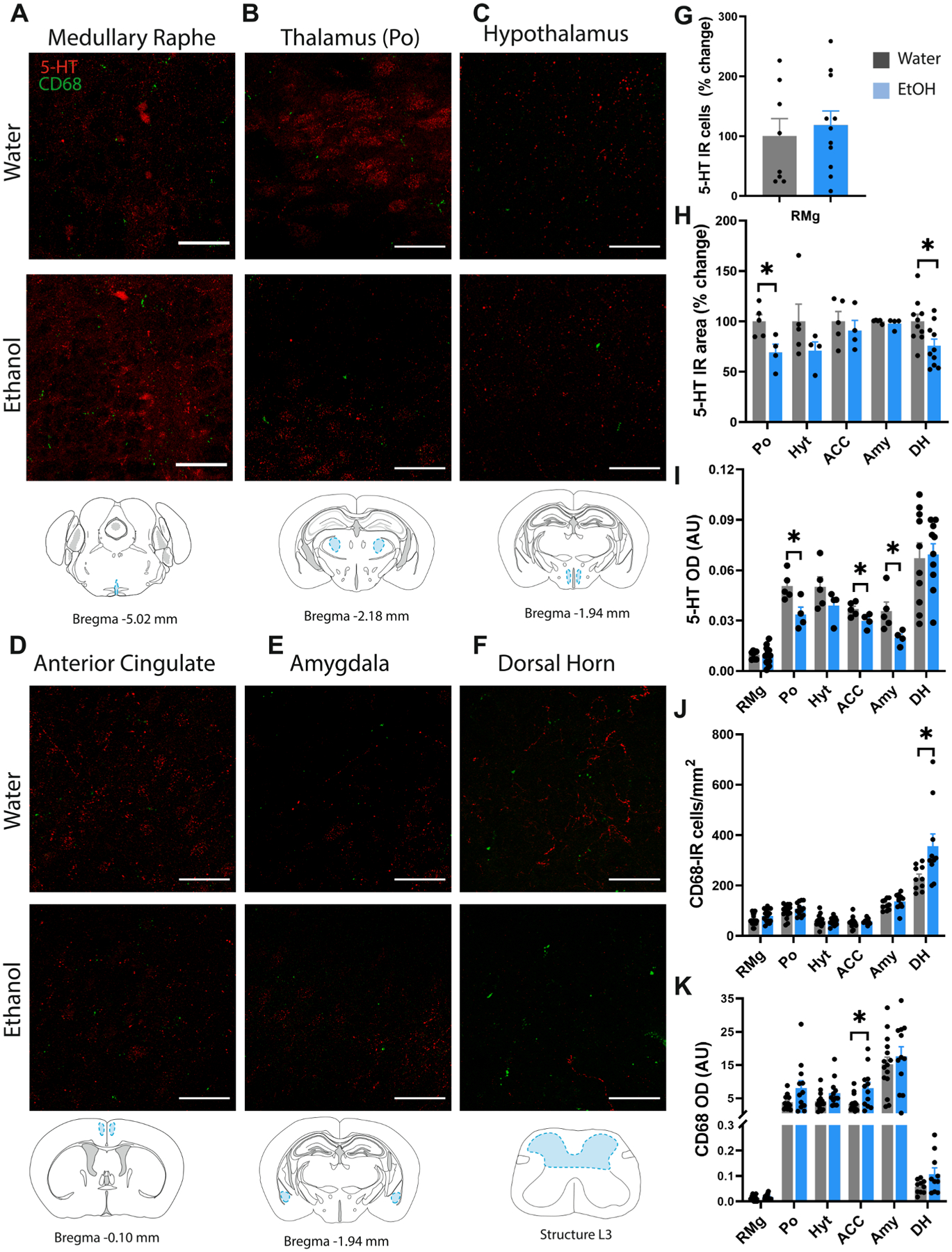
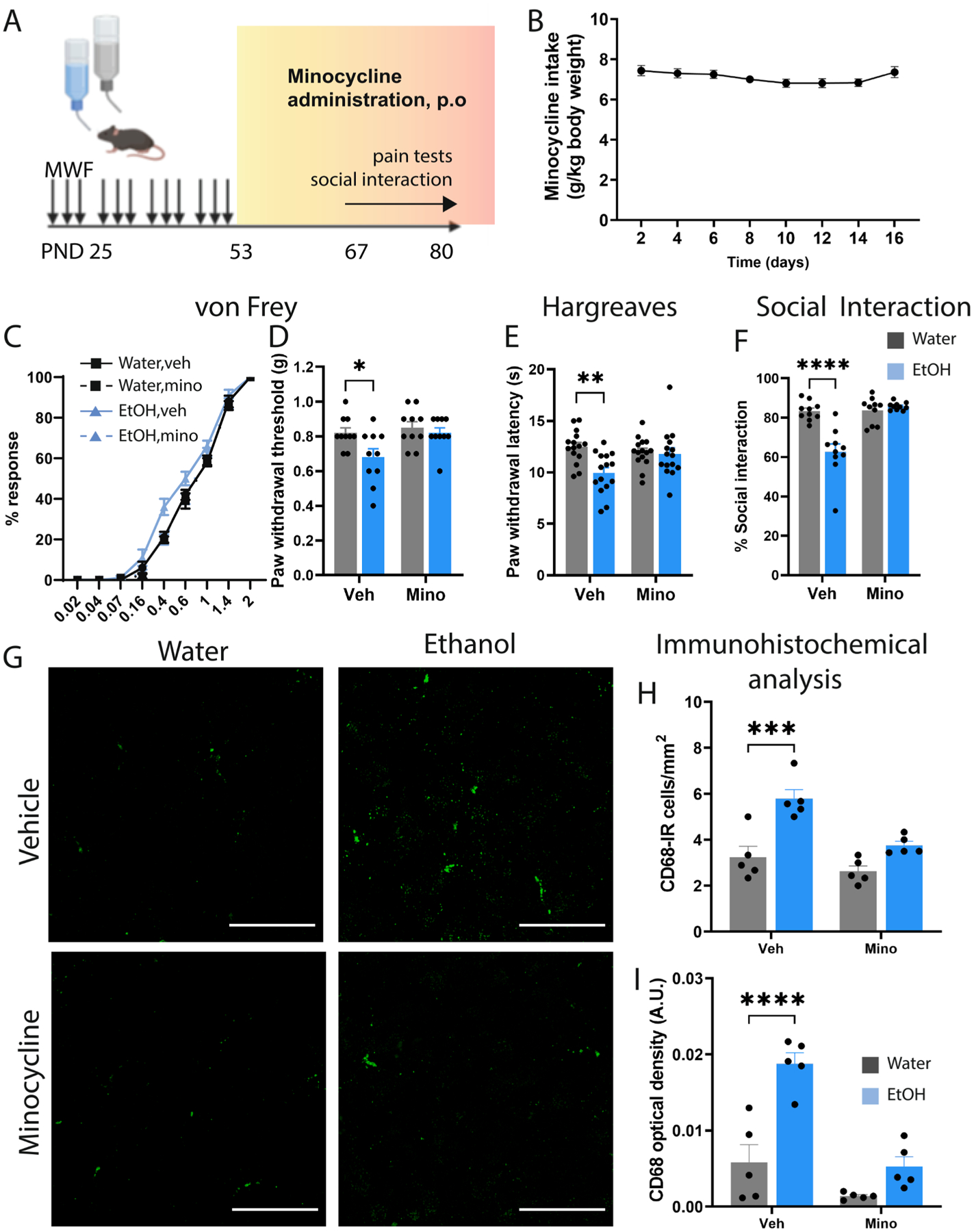
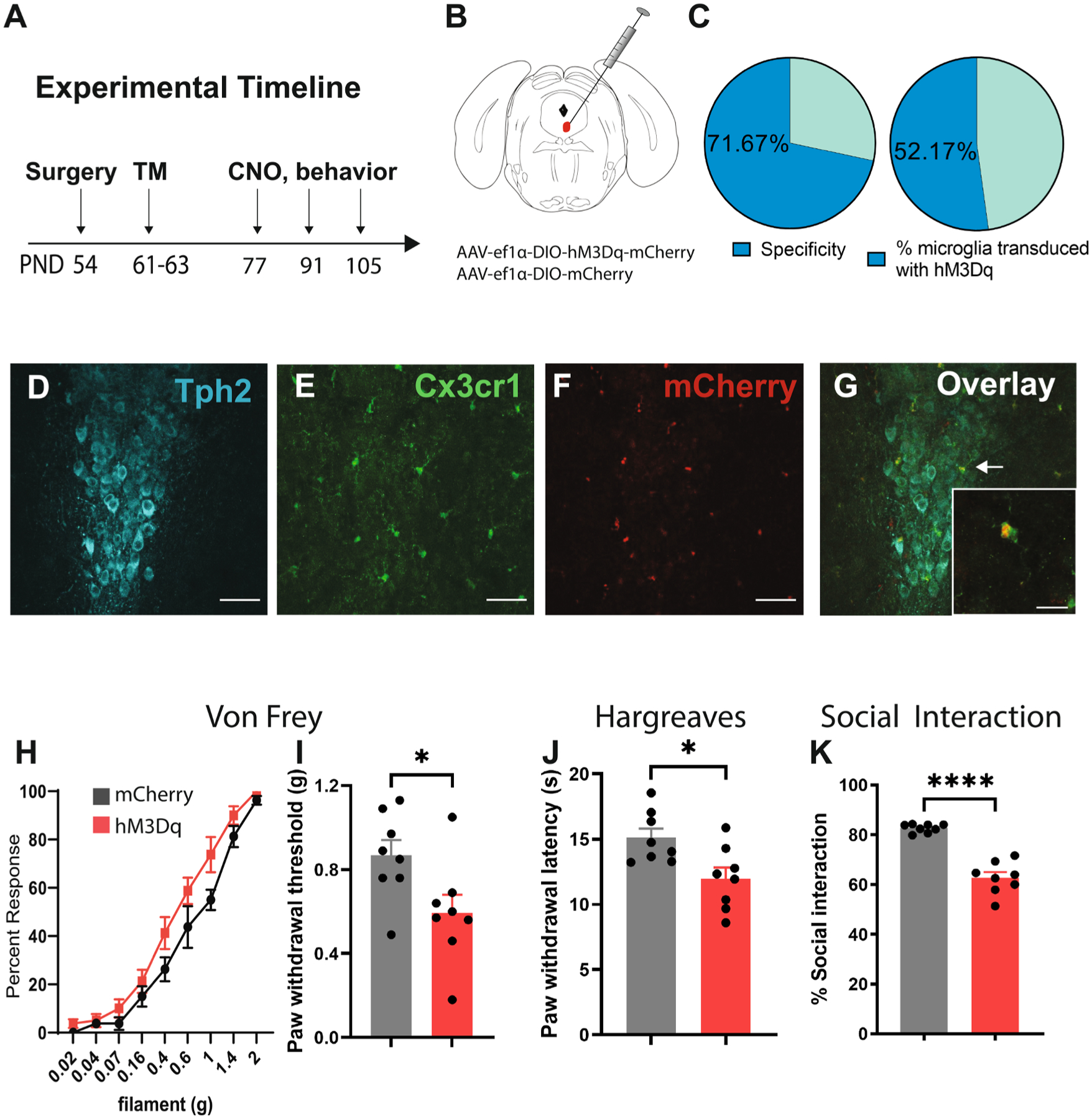
Adolescent alcohol use can permanently alter brain function and lead to poor health outcomes in adulthood. Emerging evidence suggests that alcohol use can predispose individuals to pain disorders or exacerbate existing pain conditions, but the underlying neural mechanisms are currently unknown. Here we report that mice exposed to adolescent intermittent access to ethanol (AIE) exhibit increased pain sensitivity and depressive-like behaviors that persist for several weeks after alcohol cessation and are accompanied by elevated CD68 expression in microglia and reduced numbers of serotonin (5-HT)-expressing neurons in the dorsal raphe nucleus (DRN). 5-HT expression was also reduced in the thalamus, anterior cingulate cortex (ACC) and amygdala as well as the lumbar dorsal horn of the spinal cord. We further demonstrate that chronic minocycline administration after AIE alleviated hyperalgesia and social deficits, while chemogenetic activation of microglia in the DRN of ethanol-naïve mice reproduced the effects of AIE on pain and social behavior. Chemogenetic activation of microglia also reduced tryptophan hydroxylase 2 (Tph2) expression and was negatively correlated with the number of 5-HT-immunoreactive cells in the DRN. Taken together, these results indicate that microglial activation in the DRN may be a primary driver of pain, negative affect, and 5-HT depletion after AIE.
青少年饮酒会永久性地改变大脑功能,并导致成年后患健康不良。新出现的证据表明,饮酒可能使个体易患疼痛障碍或使现有疼痛状况恶化,但目前尚不清楚其潜在的神经机制。在这里,我们报告说,暴露于青少年间歇性摄入乙醇(AIE)的小鼠表现出疼痛敏感性增加和抑郁样行为,这些行为在酒精戒断后持续数周,并伴有小胶质细胞中 CD68 表达升高和中缝背核(DRN)中 5-羟色胺(5-HT)表达神经元数量减少。5-HT 表达也减少了丘脑、前扣带皮层(ACC)和杏仁核以及脊髓的腰椎背角。我们进一步证明,AIE 后慢性米诺环素给药缓解了痛觉过敏和社交缺陷,而在乙醇-naïve 小鼠的 DRN 中化学遗传激活小胶质细胞则再现了 AIE 对疼痛和社交行为的影响。DRN 中小胶质细胞的化学遗传激活也降低了色氨酸羟化酶 2(Tph2)的表达,并且与 DRN 中 5-HT-免疫反应性细胞的数量呈负相关。总之,这些结果表明,DRN 中的小胶质细胞激活可能是 AIE 后疼痛、负性情绪和 5-HT 耗竭的主要驱动因素。