Amini Shahideh, Rezabakhsh Aysa, Hashemi Javad, Saghafi Fatemeh, Azizi Hossein, Sureda Antoni, Habtemariam Solomon, Khayat Kashani Hamid Reza, Hesari Zahra, Sahebnasagh Adeleh
Department of Clinical Pharmacy, Faculty of Pharmacy, Tehran University of Medical Sciences, Tehran, Iran.
Cardiovascular Research Center, Tabriz University of Medical Sciences, Tabriz, Iran.
J Intensive Care. 2022 Jul 30;10(1):38. doi: 10.1186/s40560-022-00625-4.
In late 2019, the severe acute respiratory syndrome coronavirus 2 (SARS-CoV-2) which is responsible for coronavirus disease (COVID-19), was identified as the new pathogen to lead pneumonia in Wuhan, China, which has spread all over the world and developed into a pandemic. Despite the over 1 year of pandemic, due to the lack of an effective treatment plan, the morbidity and mortality of COVID-19 remains high. Efforts are underway to find the optimal management for this viral disease.
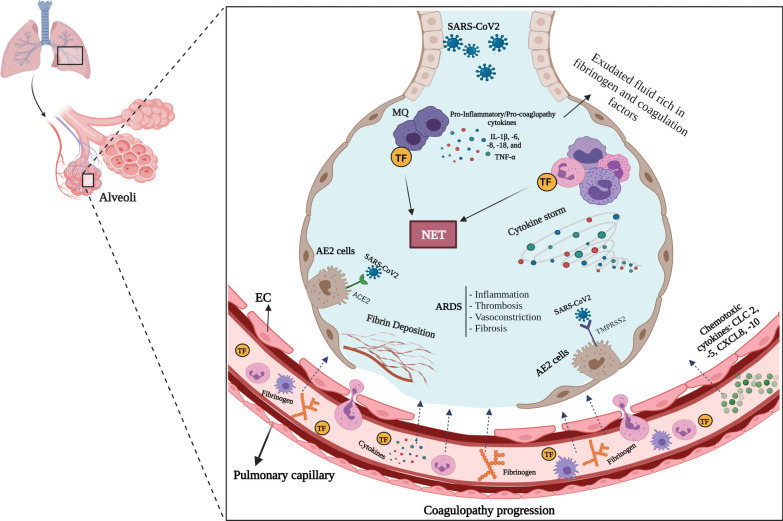
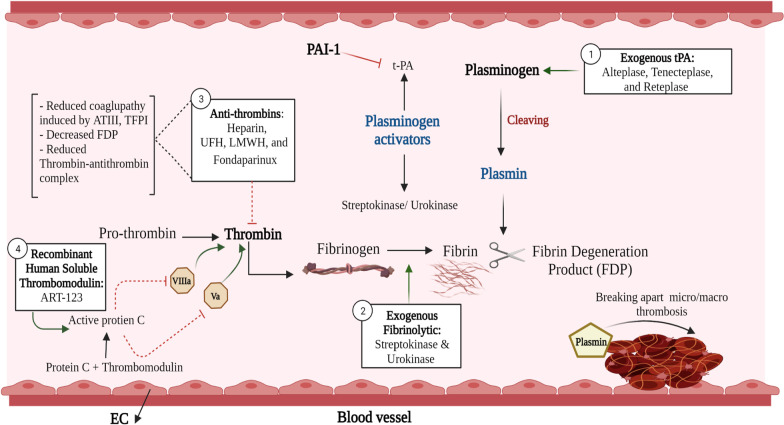
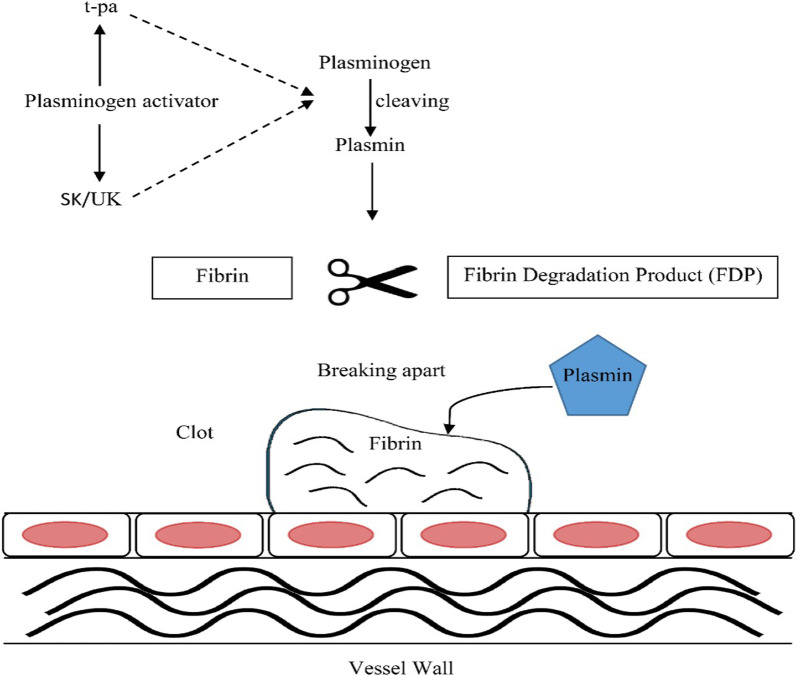
SARS-CoV-2 could simultaneously affect multiple organs with variable degrees of severity, from mild to critical disease. Overproduction of pro-inflammatory mediators, exacerbated cellular and humoral immune responses, and coagulopathy such as Pulmonary Intravascular Coagulopathy (PIC) contributes to cell injuries. Considering the pathophysiology of the disease and multiple microthrombi developments in COVID-19, thrombolytic medications seem to play a role in the management of the disease. Beyond the anticoagulation, the exact role of thrombolytic medications in the management of patients with COVID-19-associated acute respiratory distress syndrome (ARDS) is not explicit. This review focuses on current progress in underlying mechanisms of COVID-19-associated pulmonary intravascular coagulopathy, the historical use of thrombolytic drugs in the management of ARDS, and pharmacotherapy considerations of thrombolytic therapy, their possible benefits, and pitfalls in COVID-19-associated ARDS.
Inhaled or intravenous administration of thrombolytics appears to be a salvage therapy for severe ARDS associated with COVID-19 by prompt attenuation of lung injury. Considering the pathogenesis of COVID-19-related ARDS and mechanism of action of thrombolytic agents, thrombolytics appear attractive options in stable patients without contraindications.
2019年末,导致冠状病毒病(COVID-19)的严重急性呼吸综合征冠状病毒2(SARS-CoV-2)在中国武汉被确认为引发肺炎的新病原体,该病毒已蔓延至全球并发展成大流行病。尽管这场大流行已持续一年多,但由于缺乏有效的治疗方案,COVID-19的发病率和死亡率仍然很高。目前正在努力寻找针对这种病毒性疾病的最佳治疗方法。
SARS-CoV-2可同时影响多个器官,严重程度不一,从轻症到危重症。促炎介质的过度产生、细胞免疫和体液免疫反应的加剧以及诸如肺血管内凝血(PIC)等凝血病会导致细胞损伤。考虑到该疾病的病理生理学以及COVID-19中多个微血栓的形成,溶栓药物似乎在该疾病的治疗中发挥作用。除抗凝作用外,溶栓药物在COVID-19相关急性呼吸窘迫综合征(ARDS)患者治疗中的具体作用尚不明确。本综述重点关注COVID-19相关肺血管内凝血病的潜在机制、溶栓药物在ARDS治疗中的既往应用、溶栓治疗的药物治疗考量、其在COVID-19相关ARDS中的可能益处及风险。
吸入或静脉注射溶栓药物似乎是通过迅速减轻肺损伤来挽救与COVID-19相关的严重ARDS的一种治疗方法。考虑到COVID-19相关ARDS的发病机制和溶栓药物的作用机制,溶栓药物对于无禁忌证的稳定患者似乎是有吸引力的选择。