Sierra-Galan Lilia M, Bhatia Mona, Alberto-Delgado Angel Leovigildo, Madrazo-Shiordia Javier, Salcido Carlos, Santoyo Bernardo, Martinez Eduardo, Soto Maria Elena
Cardiology Department of the Cardiovascular Division of the American British Cowdray Medical Center, Mexico City, Mexico.
Department of Imaging, Fortis Escorts Heart Institute, New Delhi, India.
Front Cardiovasc Med. 2022 Jul 13;9:870200. doi: 10.3389/fcvm.2022.870200. eCollection 2022.
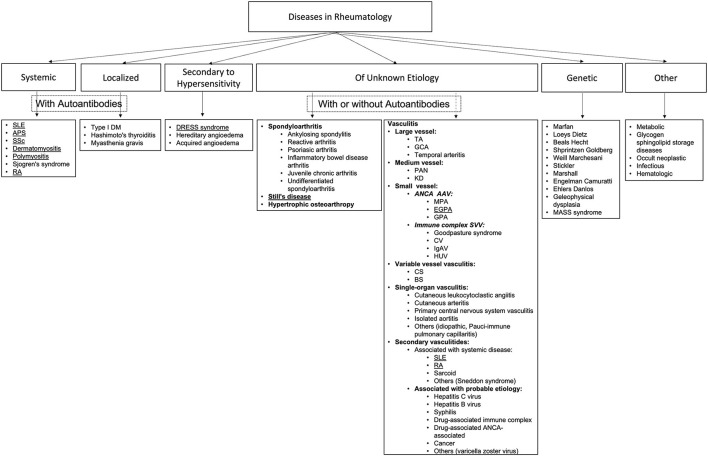
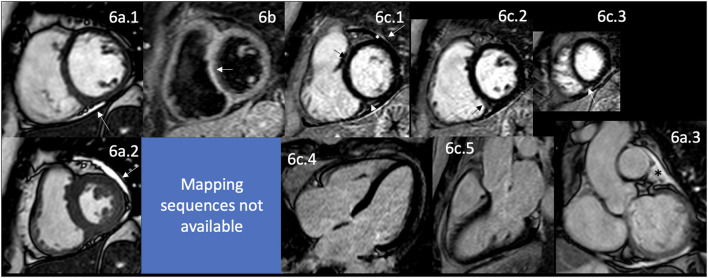
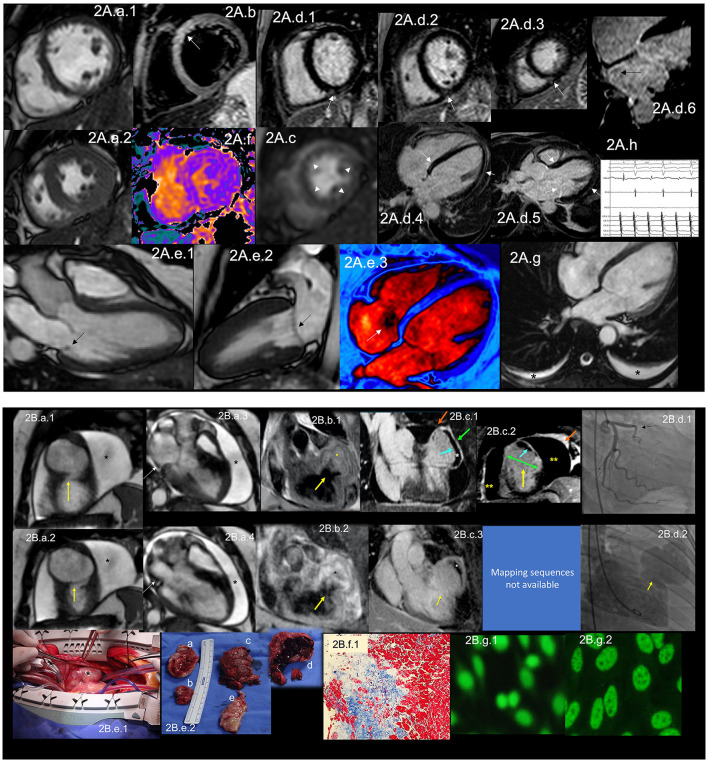
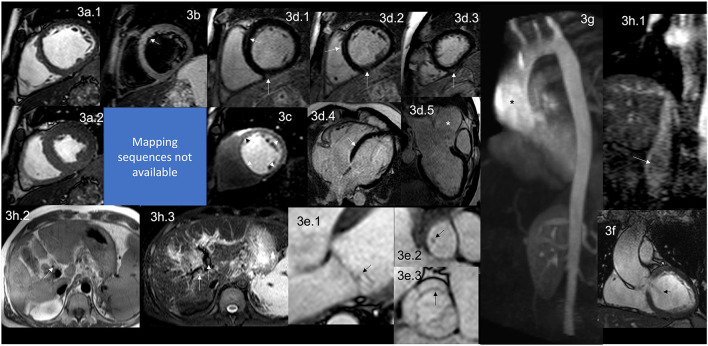
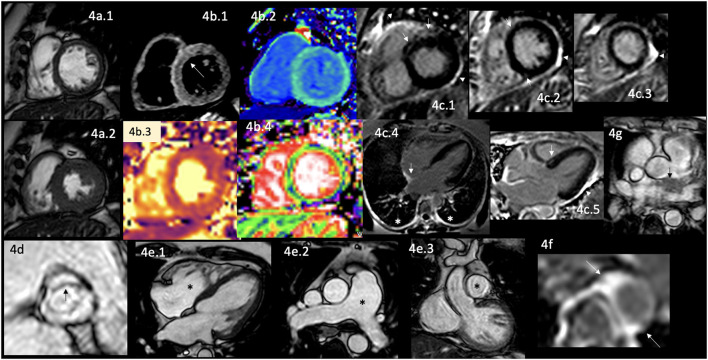
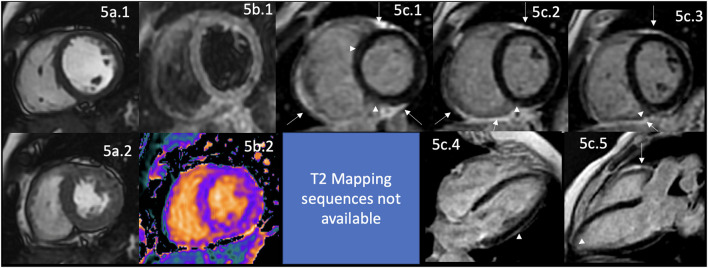
Autoimmune diseases (ADs) encompass multisystem disorders, and cardiovascular involvement is a well-known feature of autoimmune and inflammatory rheumatic conditions. Unfortunately, subclinical and early cardiovascular involvement remains clinically silent and often undetected, despite its well-documented impact on patient management and prognostication with an even more significant effect on severe and future MACE events as the disease progresses. Cardiac magnetic resonance imaging (MRI), today, commands a unique position of supremacy versus its competition in cardiac assessment and is the gold standard for the non-invasive evaluation of cardiac function, structure, morphology, tissue characterization, and flow with the capability of evaluating biventricular function; myocardium for edema, ischemia, fibrosis, infarction; valves for thickening, large masses; pericardial inflammation, pericardial effusions, and tamponade; cardiac cavities for thrombosis; conduction related abnormalities and features of microvascular and large vessel involvement. As precise and early detection of cardiovascular involvement plays a critical role in improving the outcome of rheumatic and autoimmune conditions, our review aims to highlight the evolving role of CMR in systemic lupus erythematosus (SLE), antiphospholipid syndrome (APS), rheumatoid arthritis (RA), systemic sclerosis (SSc), limited sclerosis (LSc), adult-onset Still's disease (AOSD), polymyositis (PM), dermatomyositis (DM), eosinophilic granulomatosis with polyangiitis (EGPA) (formerly Churg-Strauss syndrome), and DRESS syndrome (DS). It draws attention to the need for concerted, systematic global interdisciplinary research to improve future outcomes in autoimmune-related rheumatic conditions with multiorgan, multisystem, and cardiovascular involvement.
自身免疫性疾病(ADs)包括多系统疾病,心血管受累是自身免疫性和炎性风湿性疾病的一个众所周知的特征。不幸的是,亚临床和早期心血管受累在临床上仍然没有症状,常常未被发现,尽管其对患者管理和预后的影响已有充分记录,并且随着疾病进展,对严重和未来的主要不良心血管事件(MACE)有更显著的影响。如今,心脏磁共振成像(MRI)在心脏评估中相对于其他检查具有独特的优势地位,是无创评估心脏功能、结构、形态、组织特征和血流的金标准,能够评估双心室功能;检测心肌水肿、缺血、纤维化、梗死;瓣膜增厚、大肿块;心包炎症、心包积液和心包填塞;心脏腔室血栓形成;传导相关异常以及微血管和大血管受累特征。由于精确和早期检测心血管受累对改善风湿性和自身免疫性疾病的预后起着关键作用,我们的综述旨在强调心脏磁共振成像(CMR)在系统性红斑狼疮(SLE)、抗磷脂综合征(APS)、类风湿关节炎(RA)、系统性硬化症(SSc)、局限性硬化症(LSc)、成人斯蒂尔病(AOSD)、多发性肌炎(PM)、皮肌炎(DM)、嗜酸性肉芽肿性多血管炎(EGPA)(原称韦格纳肉芽肿)和药物超敏反应综合征(DS)中不断演变的作用。它提请人们注意需要开展协调一致、系统的全球跨学科研究,以改善与自身免疫相关的风湿性疾病在多器官、多系统和心血管受累情况下的未来预后。