Pokorna Zuzana, Hrabal Vaclav, Tichy Vlastimil, Vojtesek Borivoj, Coates Philip J
Research Center of Applied Molecular Oncology (RECAMO), Masaryk Memorial Cancer Institute, Brno, Czechia.
Department of Experimental Biology, Faculty of Science, Masaryk University, Brno, Czechia.
Front Oncol. 2022 Jul 14;12:924354. doi: 10.3389/fonc.2022.924354. eCollection 2022.
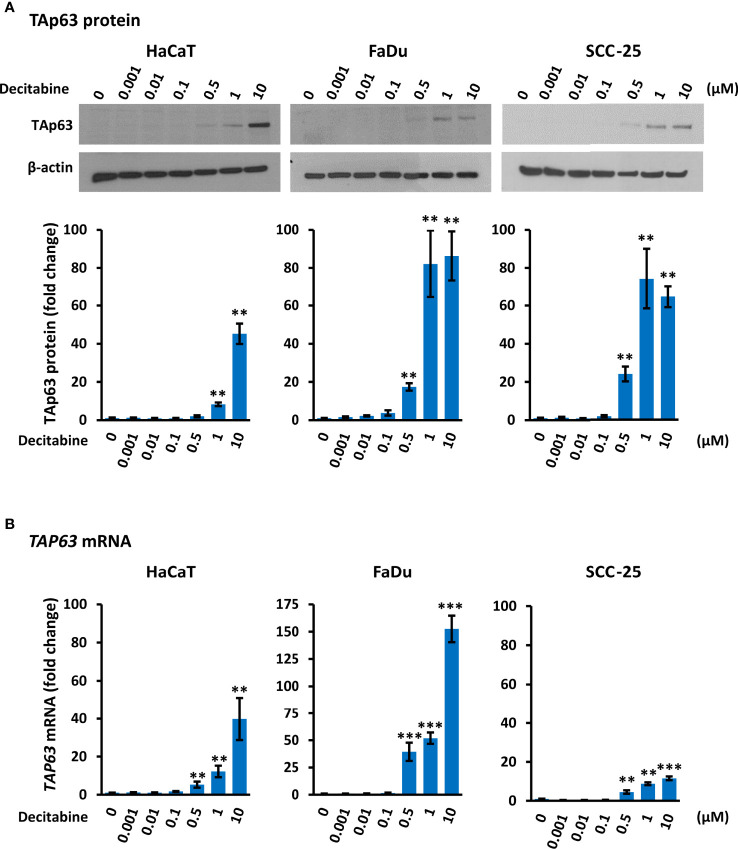
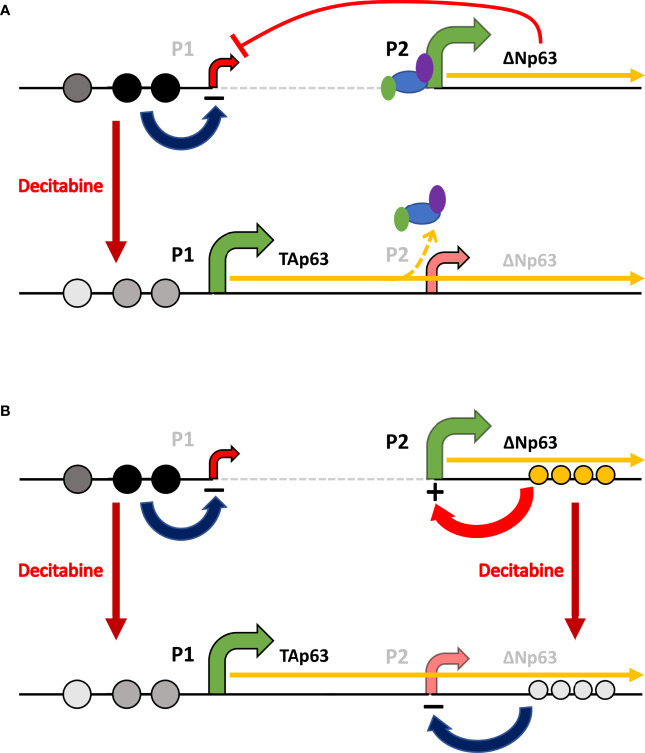
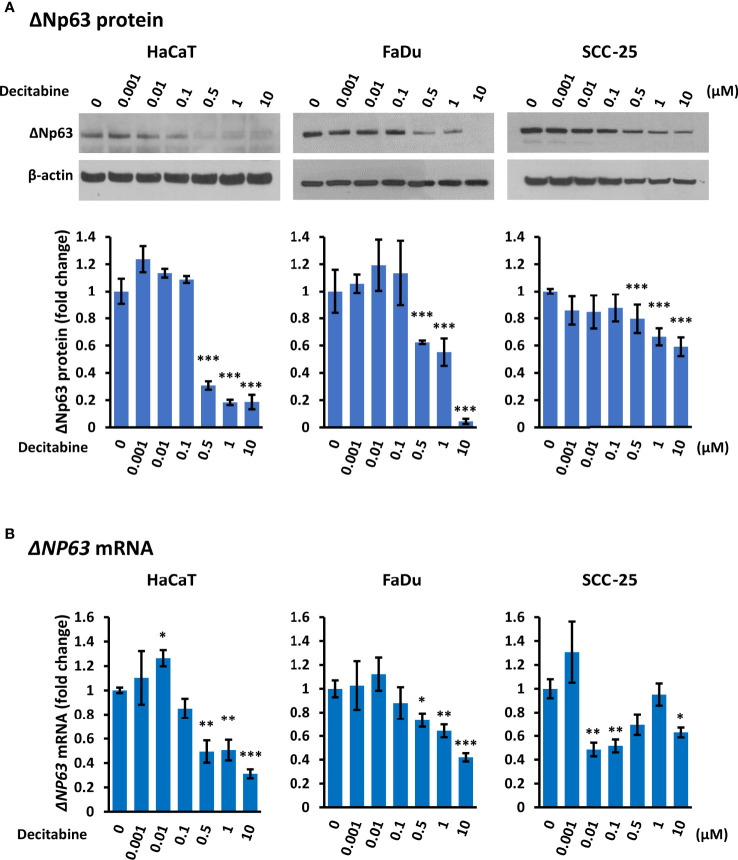
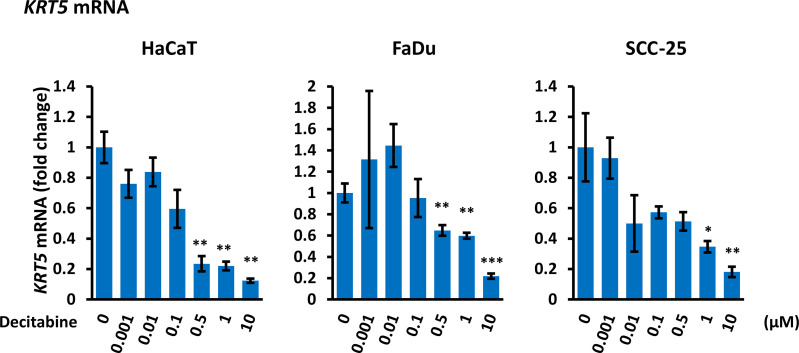
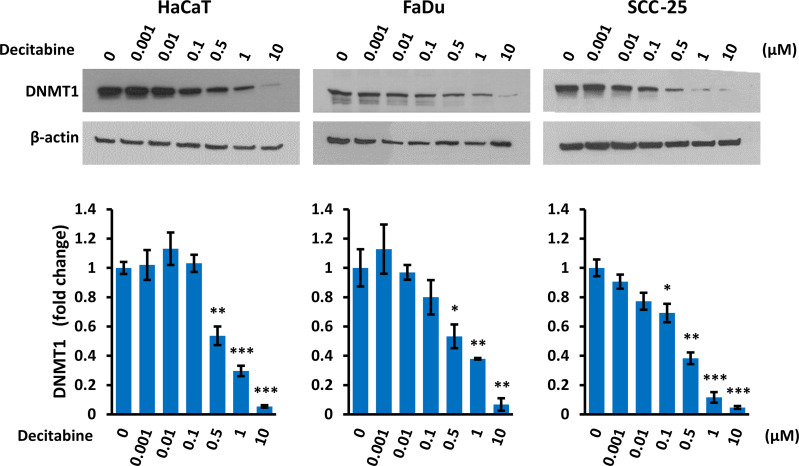
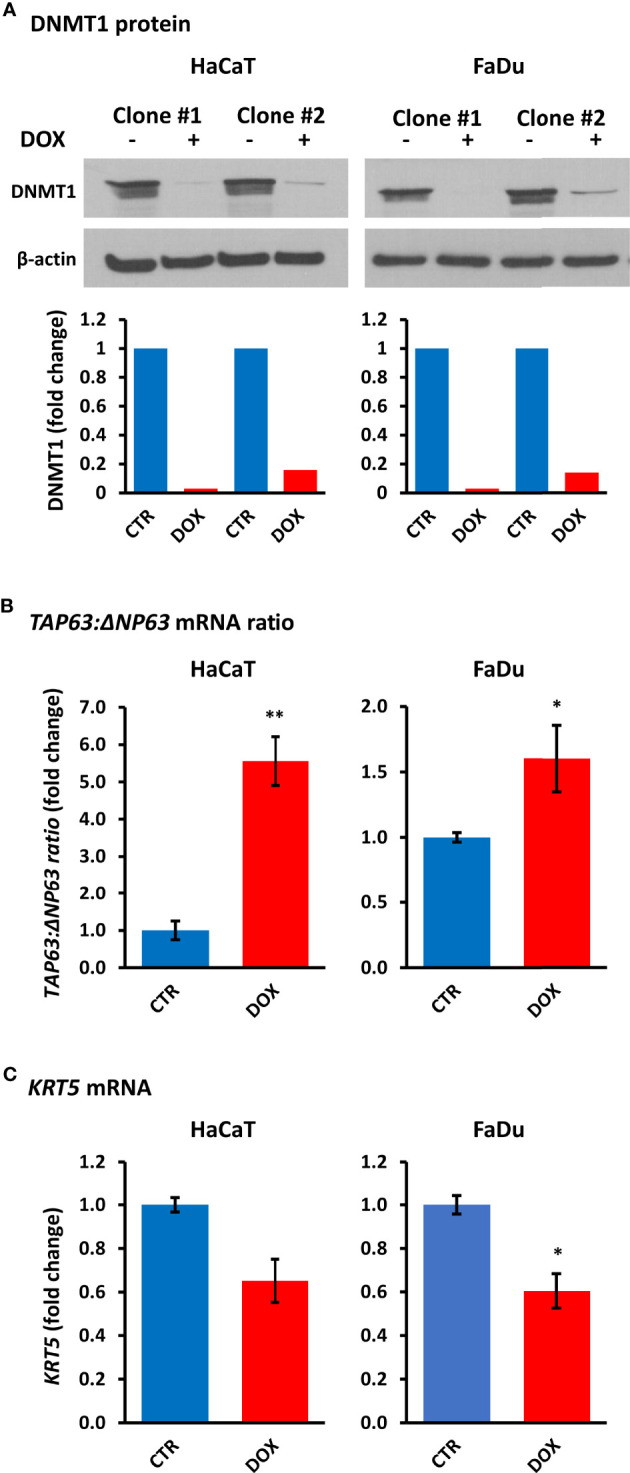
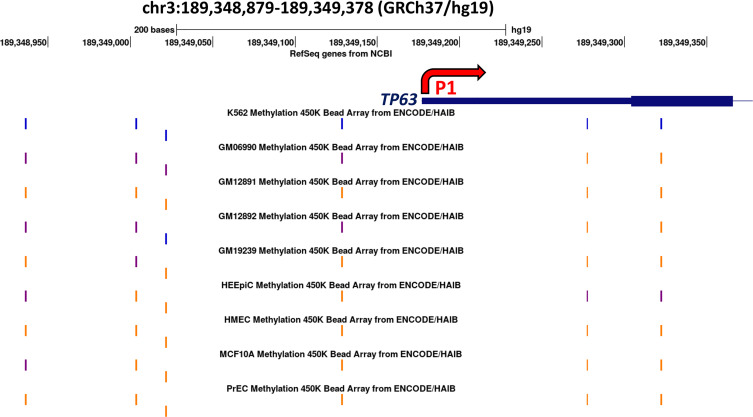
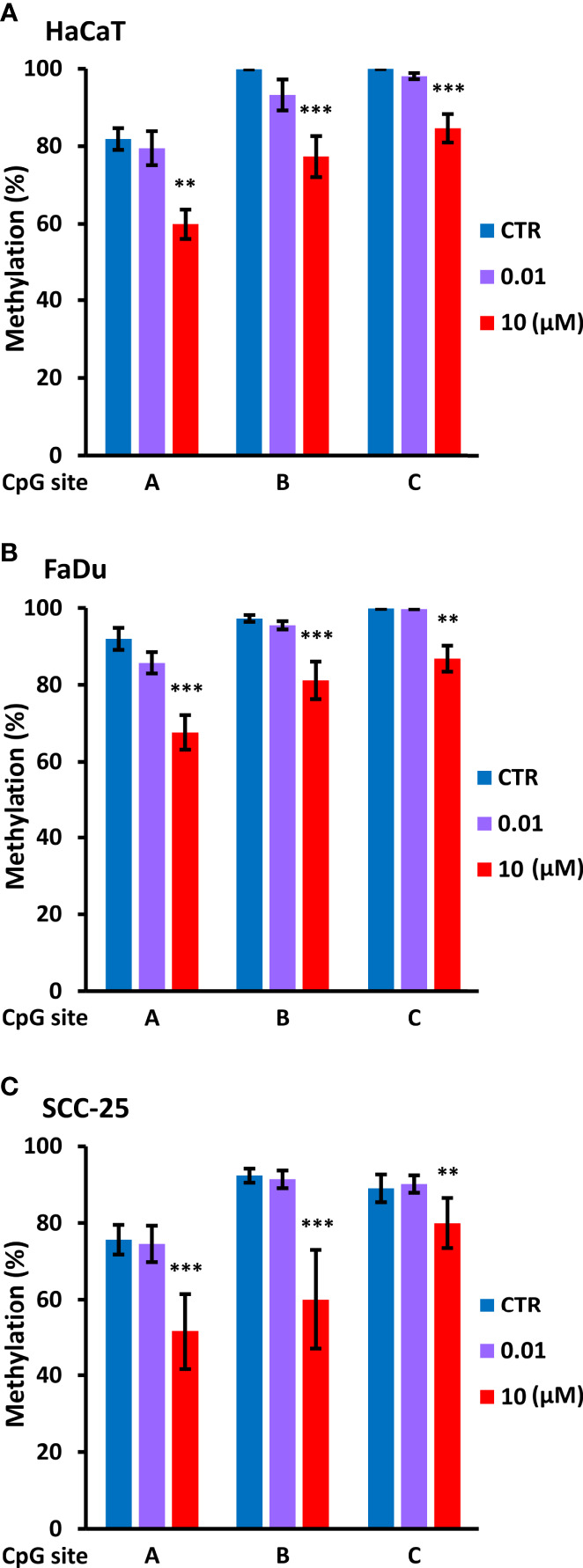
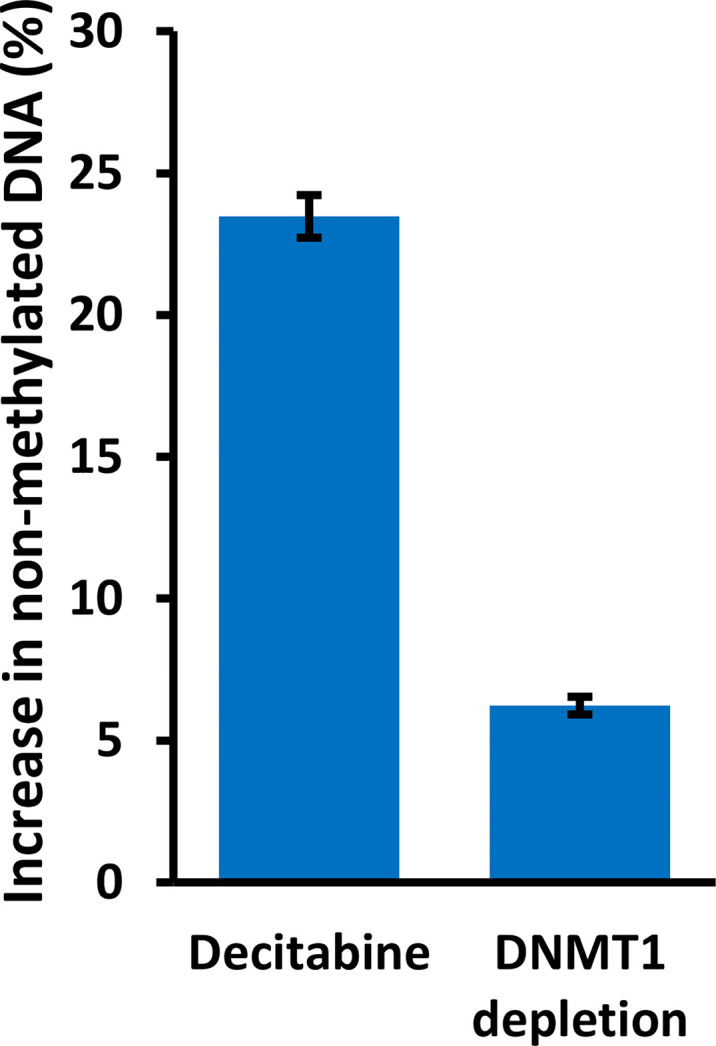
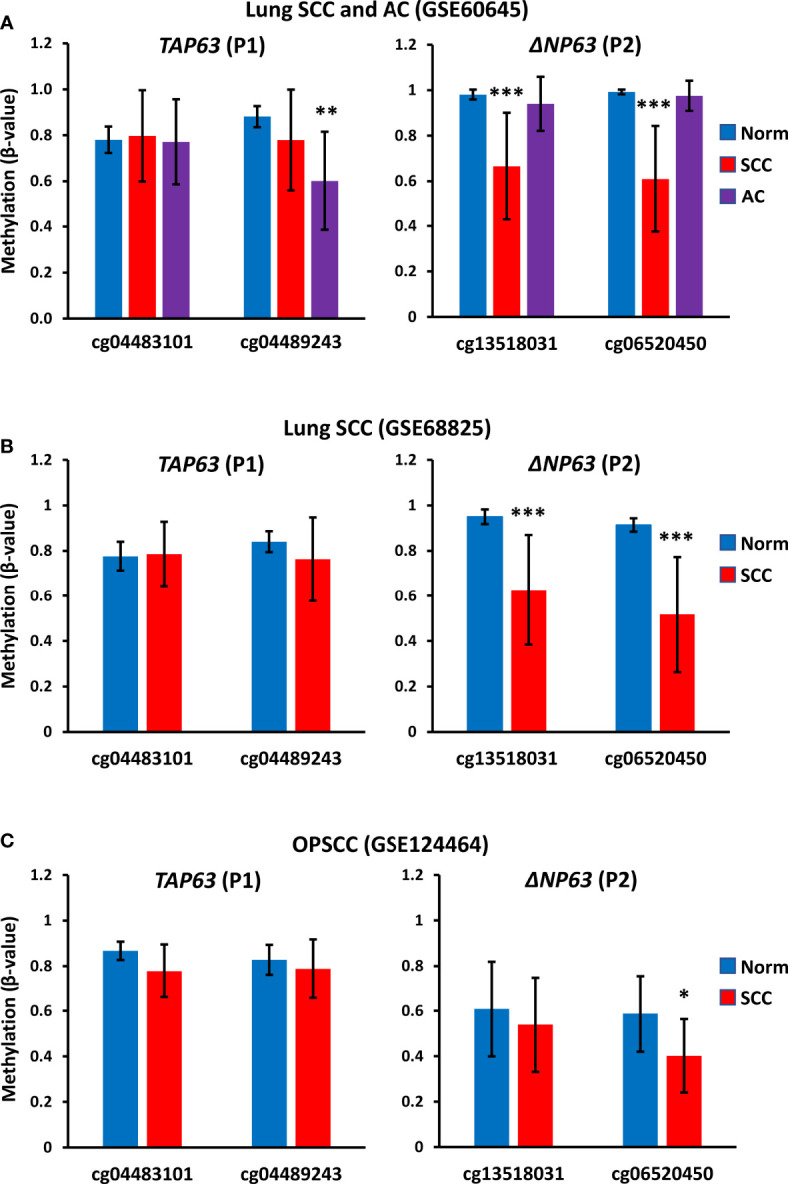
The gene encodes two major protein variants; TAp63 contains a p53-like transcription domain and consequently has tumor suppressor activities whereas ΔNp63 lacks this domain and acts as an oncogene. The two variants show distinct expression patterns in normal tissues and tumors, with lymphocytes and lymphomas/leukemias expressing TAp63, and basal epithelial cells and some carcinomas expressing high levels of ΔNp63, most notably squamous cell carcinomas (SCC). Whilst the transcriptional functions of TAp63 and ΔNp63 isoforms are known, the mechanisms involved in their regulation are poorly understood. Using squamous epithelial cells that contain high levels of ΔNp63 and low/undetectable TAp63, the DNA demethylating agent decitabine (5-aza-2'-deoxycytidine, 5-dAza) caused a dose-dependent increase in TAp63, with a simultaneous reduction in ΔNp63, indicating DNA methylation-dependent regulation at the isoform-specific promoters. The basal cytokeratin , a direct ΔNp63 transcriptional target, was also reduced, confirming functional alteration of p63 activity after DNA demethylation. We also showed high level methylation of three CpG sites in the promoter in these cells, which was reduced by decitabine. DNMT1 depletion using inducible shRNAs partially replicated these effects, including an increase in the ratio of : mRNAs, a reduction in ΔNp63 protein and reduced mRNA levels. Finally, high DNA methylation levels were found at the promoter in clinical SCC samples and matched normal tissues. We conclude that DNA methylation at the promoter normally silences transcription in squamous epithelial cells, indicating DNA methylation as a therapeutic approach to induce this tumor suppressor in cancer. That decitabine simultaneously reduced the oncogenic activity of ΔNp63 provides a "double whammy" for SCC and other p63-positive carcinomas. Whilst a variety of mechanisms may be involved in producing the opposite effects of DNA demethylation on TAp63 and ΔNp63, we propose an "either or" mechanism in which transcription physically interferes with the ability to initiate transcription from the downstream promoter on the same DNA strand. This mechanism can explain the observed inverse expression of p63 isoforms in normal cells and cancer.
该基因编码两种主要的蛋白质变体;TAp63含有一个类似p53的转录结构域,因此具有肿瘤抑制活性,而ΔNp63缺乏该结构域并作为一种癌基因发挥作用。这两种变体在正常组织和肿瘤中表现出不同的表达模式,淋巴细胞和淋巴瘤/白血病表达TAp63,基底上皮细胞和一些癌,最显著的是鳞状细胞癌(SCC),表达高水平的ΔNp63。虽然TAp63和ΔNp63亚型的转录功能是已知的,但其调控机制却知之甚少。使用含有高水平ΔNp63和低水平/不可检测TAp63的鳞状上皮细胞,DNA去甲基化剂地西他滨(5-氮杂-2'-脱氧胞苷,5-dAza)导致TAp63呈剂量依赖性增加,同时ΔNp63减少,表明在亚型特异性启动子处存在DNA甲基化依赖性调控。基底细胞角蛋白是ΔNp63的直接转录靶点,其表达也降低,证实了DNA去甲基化后p63活性的功能改变。我们还显示这些细胞中启动子的三个CpG位点存在高水平甲基化,地西他滨可使其降低。使用诱导型短发夹RNA耗尽DNMT1部分复制了这些效应,包括TAp63:ΔNp63 mRNA比值增加、ΔNp63蛋白减少和基底细胞角蛋白mRNA水平降低。最后,在临床SCC样本和匹配的正常组织中,启动子处发现高DNA甲基化水平。我们得出结论,启动子处的DNA甲基化通常使鳞状上皮细胞中的转录沉默,表明DNA甲基化是一种在癌症中诱导这种肿瘤抑制因子的治疗方法。地西他滨同时降低了ΔNp63的致癌活性,为SCC和其他p63阳性癌提供了“双重打击”。虽然DNA去甲基化对TAp63和ΔNp63产生相反作用可能涉及多种机制,但我们提出一种“非此即彼(要么……要么……)”机制,即TAp63转录在物理上干扰了从同一DNA链上的下游启动子起始转录的能力。这种机制可以解释在正常细胞和癌症中观察到的p63亚型的反向表达。