Merck & Co., Inc., Rahway, New Jersey, USA.
The International AIDS Vaccine Initiative, Inc. (IAVI), Vaccine Design and Development Laboratory, New York, USA.
EBioMedicine. 2022 Aug;82:104203. doi: 10.1016/j.ebiom.2022.104203. Epub 2022 Jul 30.
To investigate a vaccine technology with potential to protect against coronavirus disease 2019 (COVID-19) and reduce transmission of severe acute respiratory syndrome coronavirus 2 (SARS-CoV-2) with a single vaccine dose, we developed a SARS-CoV-2 candidate vaccine using the live vesicular stomatitis virus (VSV) chimeric virus approach previously used to develop a licensed Ebola virus vaccine.
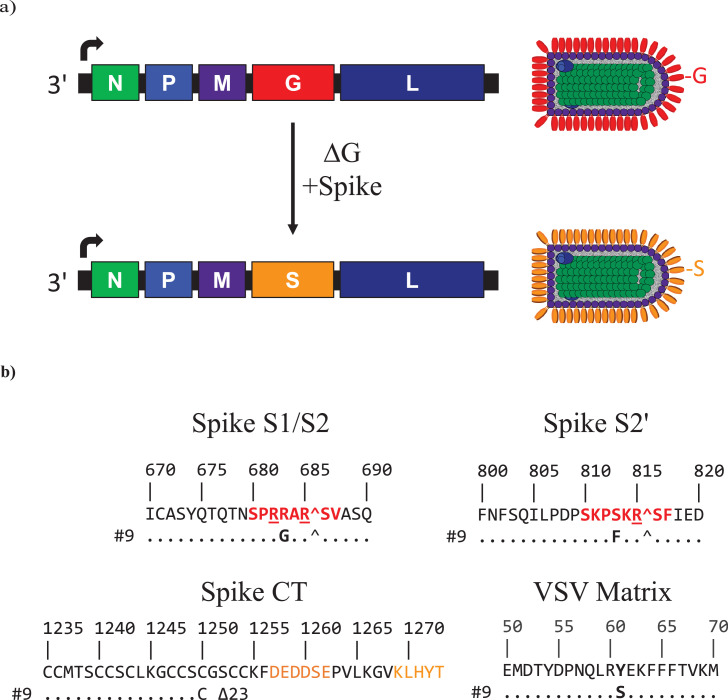
We generated a replication-competent chimeric VSV-SARS-CoV-2 vaccine candidate by replacing the VSV glycoprotein (G) gene with coding sequence for the SARS-CoV-2 Spike glycoprotein (S). Immunogenicity of the lead vaccine candidate (VSV∆G-SARS-CoV-2) was evaluated in cotton rats and golden Syrian hamsters, and protection from SARS-CoV-2 infection also was assessed in hamsters.
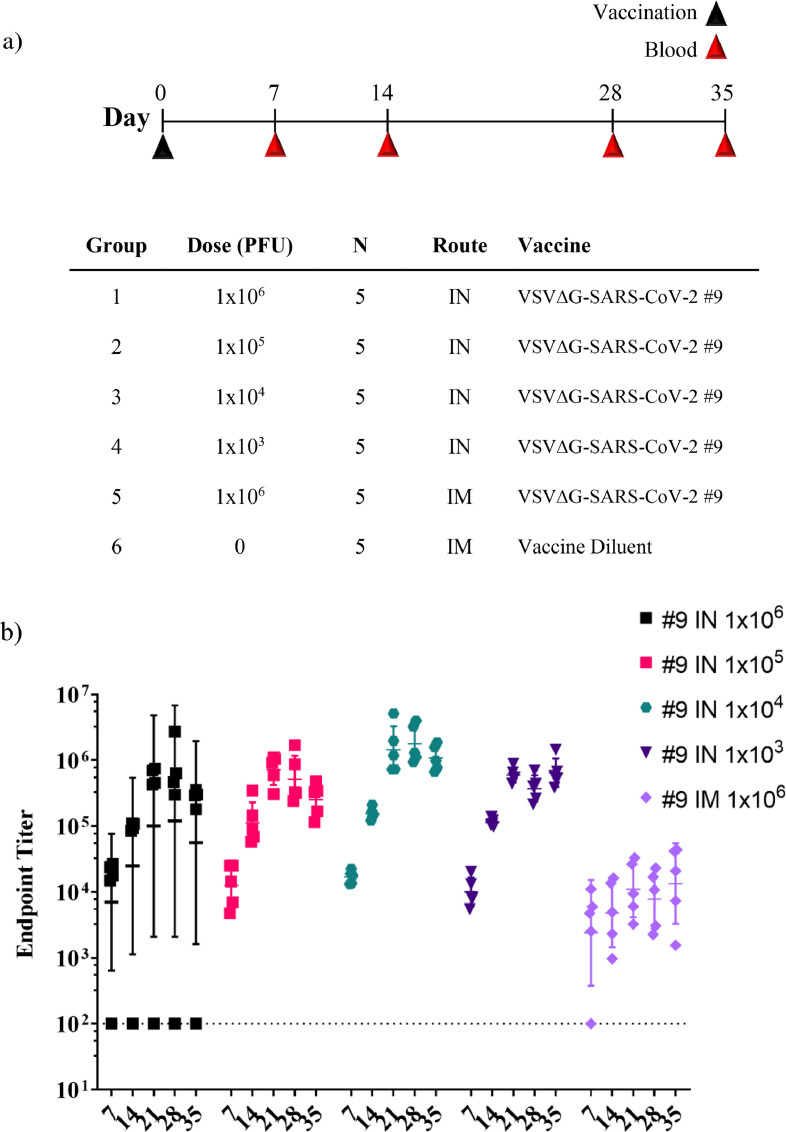
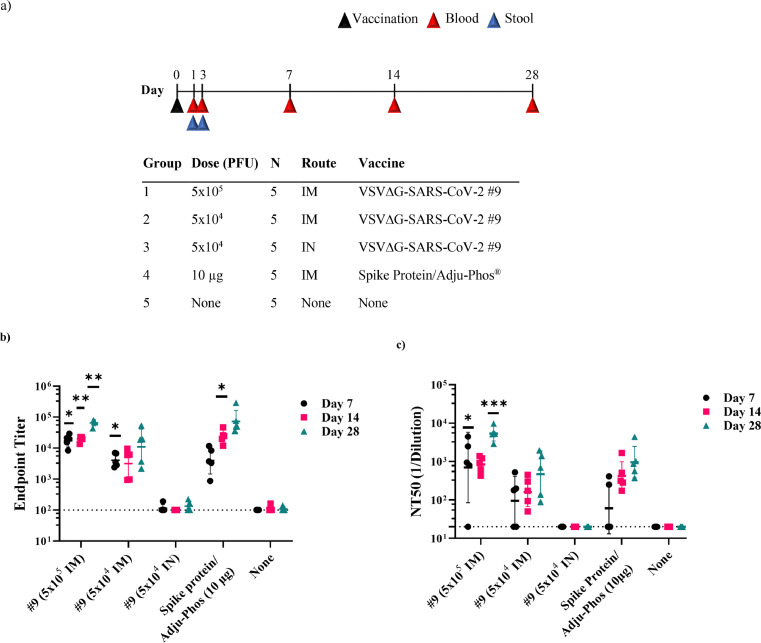
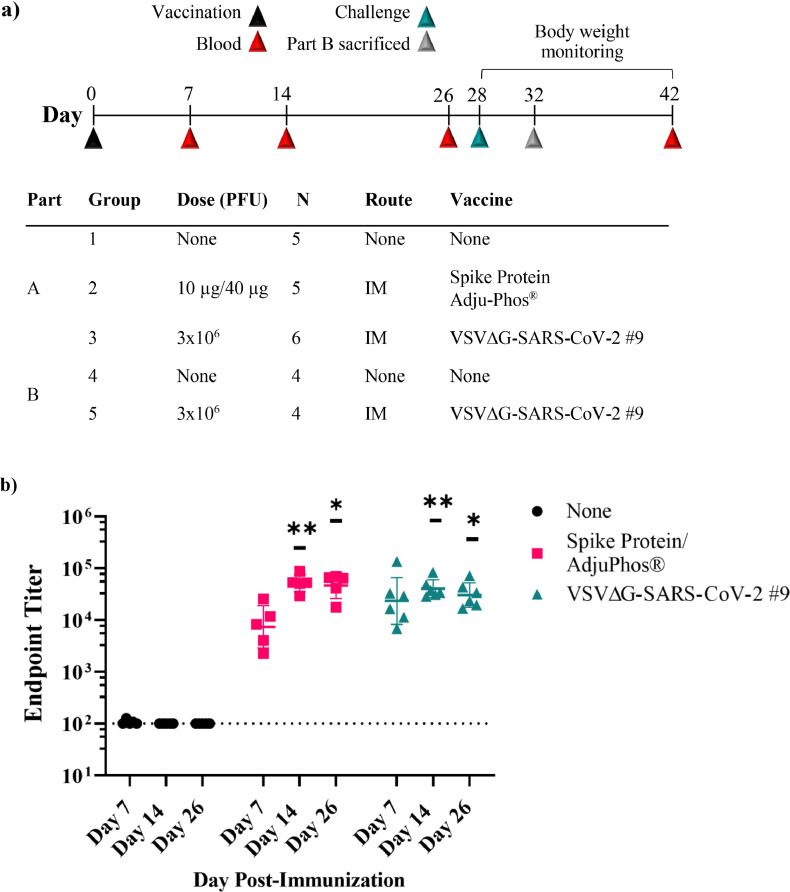
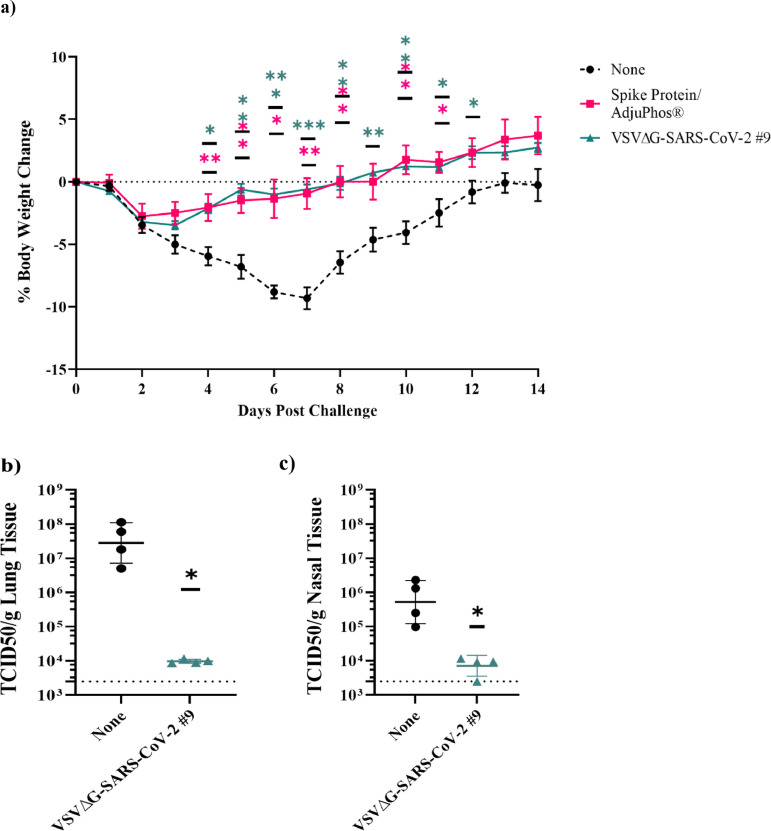
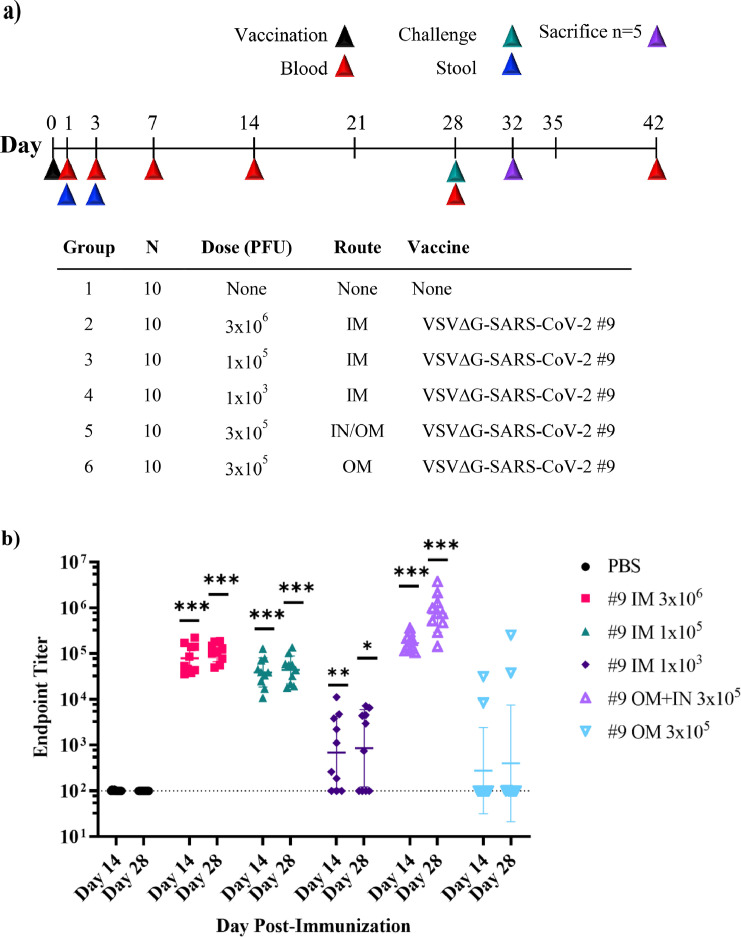
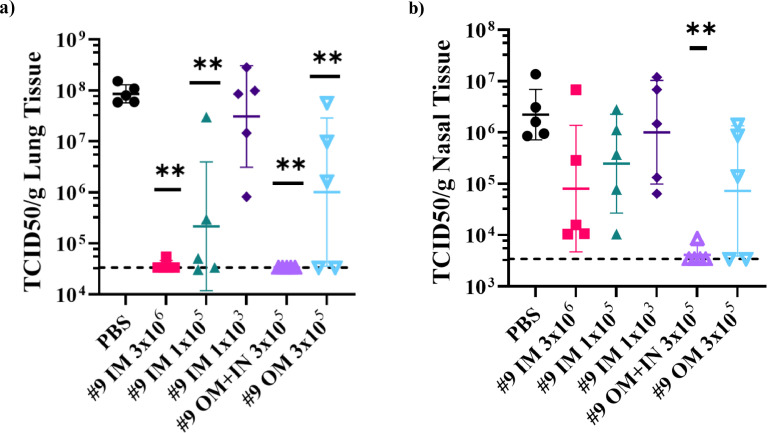
VSV∆G-SARS-CoV-2 delivered with a single intramuscular (IM) injection was immunogenic in cotton rats and hamsters and protected hamsters from weight loss following SARS-CoV-2 challenge. When mucosal vaccination was evaluated, cotton rats did not respond to the vaccine, whereas mucosal administration of VSV∆G-SARS-CoV-2 was found to be more immunogenic than IM injection in hamsters and induced immunity that significantly reduced SARS-CoV-2 challenge virus loads in both lung and nasal tissues.
VSV∆G-SARS-CoV-2 delivered by IM injection or mucosal administration was immunogenic in golden Syrian hamsters, and both vaccination methods effectively protected the lung from SARS-CoV-2 infection. Hamsters vaccinated by mucosal application of VSV∆G-SARS-CoV-2 also developed immunity that controlled SARS-CoV-2 replication in nasal tissue.
The study was funded by Merck Sharp & Dohme, Corp., a subsidiary of Merck & Co., Inc., Rahway, NJ, USA, and The International AIDS Vaccine Initiative, Inc. (IAVI), New York, USA. Parts of this research was supported by the Biomedical Advanced Research and Development Authority (BARDA) and the Defense Threat Reduction Agency (DTRA) of the US Department of Defense.
为了研究一种具有预防 2019 年冠状病毒病(COVID-19)和减少严重急性呼吸综合征冠状病毒 2(SARS-CoV-2)传播潜力的疫苗技术,我们使用先前用于开发一种已许可的埃博拉病毒疫苗的活水疱性口炎病毒(VSV)嵌合病毒方法开发了一种 SARS-CoV-2 候选疫苗。
我们通过用 SARS-CoV-2 刺突糖蛋白(S)的编码序列替换 VSV 糖蛋白(G)基因,生成了一种具有复制能力的嵌合 VSV-SARS-CoV-2 疫苗候选物。在棉鼠和金黄地鼠中评估了主导疫苗候选物(VSVΔG-SARS-CoV-2)的免疫原性,并在金黄地鼠中评估了其对 SARS-CoV-2 感染的保护作用。
通过单次肌肉内(IM)注射递送的 VSVΔG-SARS-CoV-2 在棉鼠和金黄地鼠中具有免疫原性,并能保护金黄地鼠免受 SARS-CoV-2 攻击后的体重减轻。当评估黏膜接种时,棉鼠对疫苗无反应,而在金黄地鼠中,VSVΔG-SARS-CoV-2 的黏膜给药比 IM 注射更具免疫原性,并诱导了显著降低肺部和鼻腔组织中 SARS-CoV-2 挑战病毒载量的免疫。
通过 IM 注射或黏膜给药接种 VSVΔG-SARS-CoV-2 在金黄地鼠中具有免疫原性,两种接种方法均可有效保护肺部免受 SARS-CoV-2 感染。通过 VSVΔG-SARS-CoV-2 的黏膜应用接种的金黄地鼠还产生了控制鼻腔组织中 SARS-CoV-2 复制的免疫力。
这项研究由美国新泽西州 Rahway 的默克公司子公司默沙东公司和美国纽约的国际艾滋病疫苗倡议组织(IAVI)资助。该研究的部分内容得到了美国国防部生物医学高级研究与发展局(BARDA)和国防威胁降低局(DTRA)的支持。