• 文献检索
  • 文档翻译
  • 深度研究
  • 学术资讯
  • Suppr Zotero 插件Zotero 插件
  • 邀请有礼
  • 套餐&价格
  • 历史记录
应用&插件
Suppr Zotero 插件Zotero 插件浏览器插件Mac 客户端Windows 客户端微信小程序
定价
高级版会员购买积分包购买API积分包
服务
文献检索文档翻译深度研究API 文档MCP 服务
关于我们
关于 Suppr公司介绍联系我们用户协议隐私条款
关注我们

Suppr 超能文献

核心技术专利:CN118964589B侵权必究
粤ICP备2023148730 号-1Suppr @ 2026

文献检索

告别复杂PubMed语法,用中文像聊天一样搜索,搜遍4000万医学文献。AI智能推荐,让科研检索更轻松。

立即免费搜索

文件翻译

保留排版,准确专业,支持PDF/Word/PPT等文件格式,支持 12+语言互译。

免费翻译文档

深度研究

AI帮你快速写综述,25分钟生成高质量综述,智能提取关键信息,辅助科研写作。

立即免费体验

新型分泌修饰区域(SMR)肽在人乳腺癌细胞中表现出抗转移特性。

Novel secretion modification region (SMR) peptide exhibits anti-metastatic properties in human breast cancer cells.

机构信息

Department of Microbiology, Biochemistry, and Immunology, Morehouse School of Medicine, Atlanta, GA, 30310, USA.

Columbia College, Columbia University, New York, NY, 10027, USA.

出版信息

Sci Rep. 2022 Aug 1;12(1):13204. doi: 10.1038/s41598-022-17534-z.

DOI:10.1038/s41598-022-17534-z
PMID:35915218
原文链接:https://pmc.ncbi.nlm.nih.gov/articles/PMC9343421/
Abstract

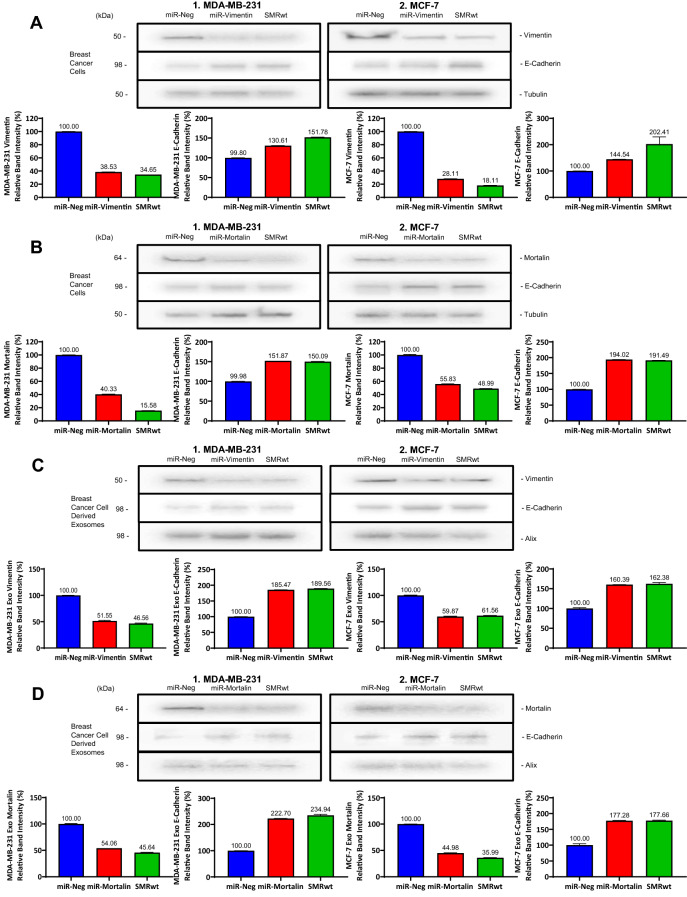
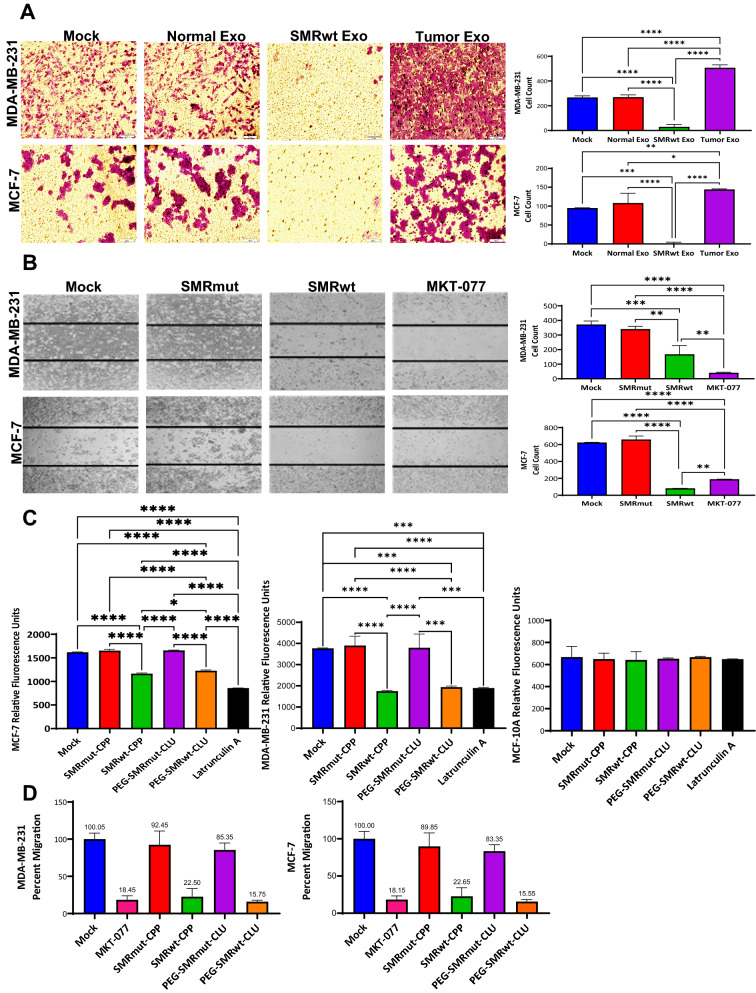
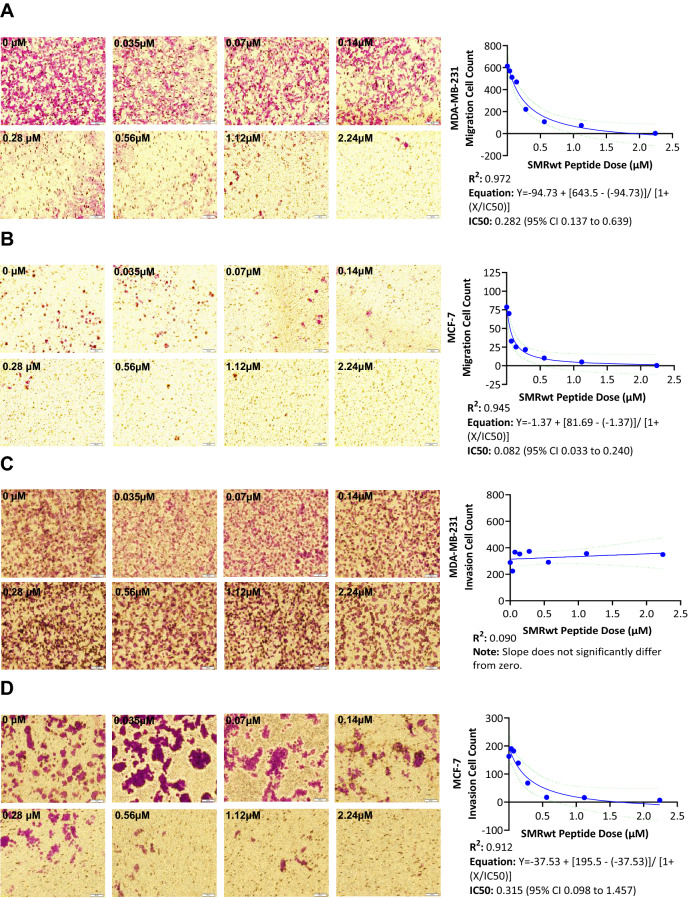
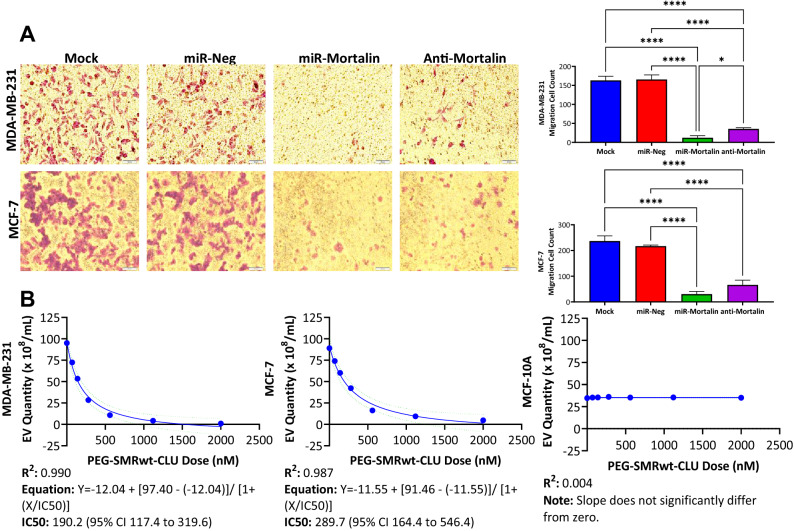
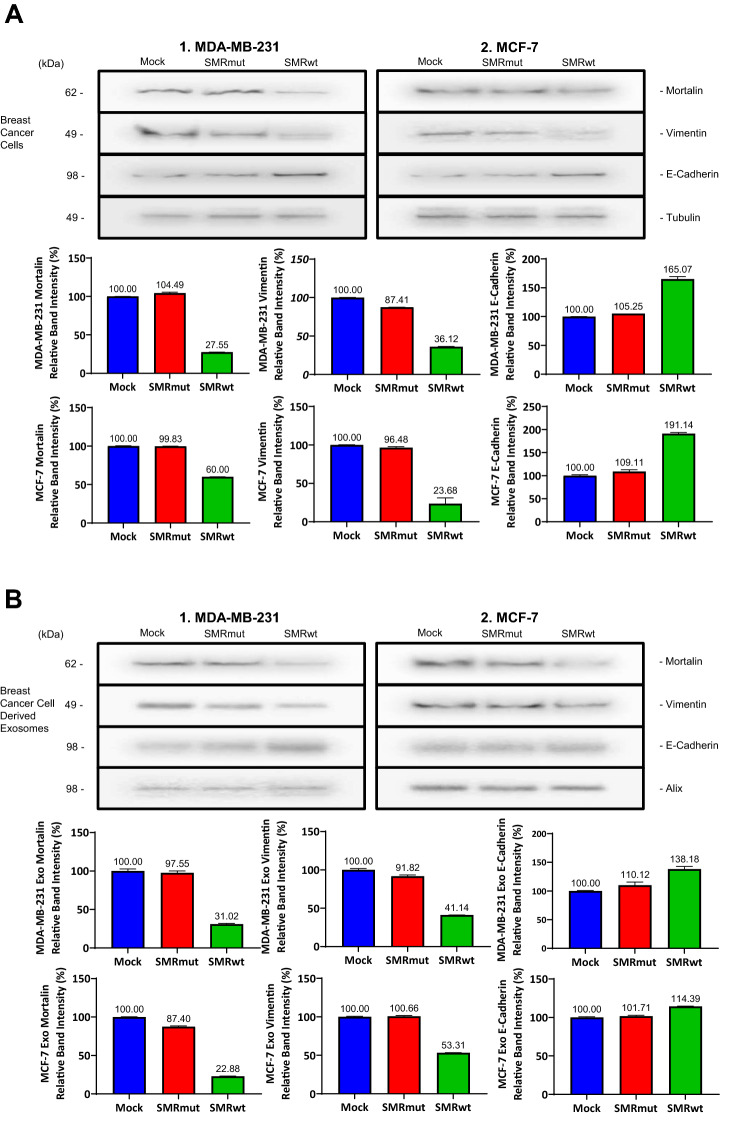
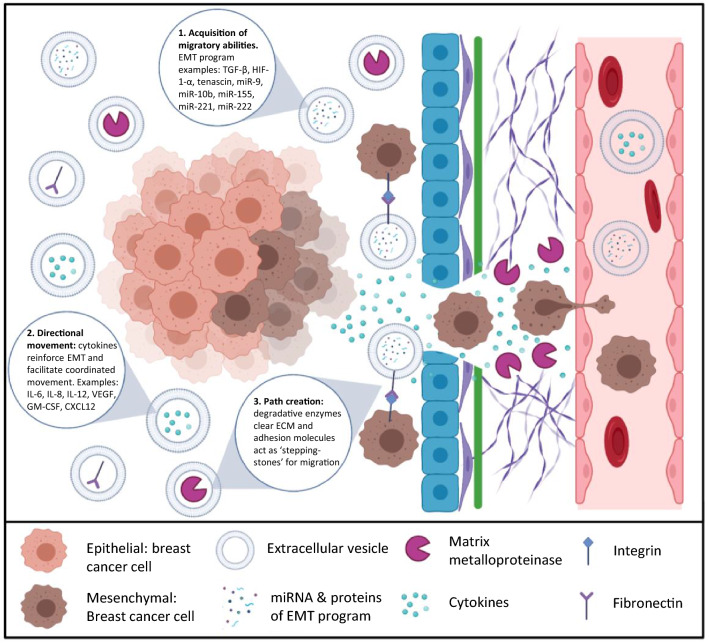
Breast cancer is the second leading cause of cancer-related mortality in women worldwide, with nearly 90% attributed to metastatic progression. Exosomes containing epithelial-mesenchymal transition (EMT) 'programs' transmit pro-metastatic phenotypes. Our group discovered and developed a novel anti-cancer SMR peptide that antagonizes breast cancer cell exosome release resulting in cell cycle arrest and tumor growth suppression. This study aims to evaluate the anti-metastatic capabilities of the SMR peptide, focusing on exosomes and EMT. Breast cancer cell lines MDA-MB-231 and MCF-7 were treated with the SMRwt peptide, and the following assays were performed: cell wound-healing, migration, invasion. The SMRwt peptide consists of the following amino acid sequence VGFPVAAVGFPVDYKDDDDK and contains the SMR domain (VGFPV) of the HIV-1 Nef protein. Western blot analysis detected epithelial and mesenchymal markers to evaluate EMT progression. Extracellular vesicle type and quantity were assessed through NanoSight analysis. Mortalin and Vimentin knockdown was achieved through antibody targeting and miRNAs. Data gathered demonstrated that the SMR peptide interacts with Mortalin and Vimentin to inhibit pro-EMT exosome release and induce EMT tumor suppressor protein expression. Specifically, SMRwt treatment reduced mesenchymal markers Mortalin and Vimentin expression, while the epithelial marker E-cadherin expression was increased in breast cancer cells and breast cancer-derived exosomes. The SMR peptide specificity was identified as no effect was observed for MCF-10A exosome release or function. Direct Mortalin knockdown paralleled the results of SMR peptide treatment with an effective blockade of breast cancer cell migration. Conversely, the invasion assay differed between breast cancer cell lines with invasion blocked for in MCF-7 but not in MDA-MB-231. These results reinforce the therapeutic value of targeting breast cancer exosome release and reinforce Mortalin and Vimentin as critical regulators and therapeutic targets in breast cancer cell progression, EMT, and metastatic potential. A greater understanding of the SMR peptide mechanism of action will benefit the therapeutic design of anti-metastatic agents.

摘要

乳腺癌是全球女性癌症相关死亡的第二大主要原因,近 90%归因于转移性进展。含有上皮-间充质转化(EMT)“程序”的外泌体传递促转移表型。我们小组发现并开发了一种新型的抗癌 SMR 肽,该肽拮抗乳腺癌细胞外泌体释放,导致细胞周期停滞和肿瘤生长抑制。本研究旨在评估 SMR 肽的抗转移能力,重点关注外泌体和 EMT。用 SMRwt 肽处理乳腺癌细胞系 MDA-MB-231 和 MCF-7,并进行以下实验:细胞划痕愈合、迁移、侵袭。SMRwt 肽由以下氨基酸序列 VGFPVAAVGFPVDYKDDDDK 组成,包含 HIV-1 Nef 蛋白的 SMR 结构域(VGFPV)。Western blot 分析检测上皮和间充质标志物以评估 EMT 进展。通过纳米粒子追踪分析评估细胞外囊泡的类型和数量。通过抗体靶向和 miRNA 实现 Mortalin 和 Vimentin 的敲低。收集的数据表明,SMR 肽与 Mortalin 和 Vimentin 相互作用,抑制促 EMT 外泌体释放并诱导 EMT 肿瘤抑制蛋白表达。具体而言,SMRwt 处理降低了间充质标志物 Mortalin 和 Vimentin 的表达,而乳腺癌细胞和乳腺癌衍生的外泌体中上皮标志物 E-钙粘蛋白的表达增加。SMR 肽的特异性是指 MCF-10A 外泌体释放或功能没有观察到影响。直接 Mortalin 敲低与 SMR 肽处理的结果平行,有效地阻断了乳腺癌细胞的迁移。相反,乳腺癌细胞系的侵袭实验不同,在 MCF-7 中阻断侵袭,但在 MDA-MB-231 中不阻断。这些结果强化了针对乳腺癌外泌体释放的治疗价值,并强化了 Mortalin 和 Vimentin 作为乳腺癌细胞进展、EMT 和转移潜能的关键调节剂和治疗靶点。对 SMR 肽作用机制的更深入了解将有益于抗转移剂的治疗设计。
https://cdn.ncbi.nlm.nih.gov/pmc/blobs/a42a/9343421/ac46bbcd3b02/41598_2022_17534_Fig6_HTML.jpg
https://cdn.ncbi.nlm.nih.gov/pmc/blobs/a42a/9343421/b611eafd220d/41598_2022_17534_Fig1_HTML.jpg
https://cdn.ncbi.nlm.nih.gov/pmc/blobs/a42a/9343421/94cfae24ec99/41598_2022_17534_Fig2_HTML.jpg
https://cdn.ncbi.nlm.nih.gov/pmc/blobs/a42a/9343421/4f5535b2b07a/41598_2022_17534_Fig3_HTML.jpg
https://cdn.ncbi.nlm.nih.gov/pmc/blobs/a42a/9343421/3d47ff6d9659/41598_2022_17534_Fig4_HTML.jpg
https://cdn.ncbi.nlm.nih.gov/pmc/blobs/a42a/9343421/121ce3461477/41598_2022_17534_Fig5_HTML.jpg
https://cdn.ncbi.nlm.nih.gov/pmc/blobs/a42a/9343421/ac46bbcd3b02/41598_2022_17534_Fig6_HTML.jpg
https://cdn.ncbi.nlm.nih.gov/pmc/blobs/a42a/9343421/b611eafd220d/41598_2022_17534_Fig1_HTML.jpg
https://cdn.ncbi.nlm.nih.gov/pmc/blobs/a42a/9343421/94cfae24ec99/41598_2022_17534_Fig2_HTML.jpg
https://cdn.ncbi.nlm.nih.gov/pmc/blobs/a42a/9343421/4f5535b2b07a/41598_2022_17534_Fig3_HTML.jpg
https://cdn.ncbi.nlm.nih.gov/pmc/blobs/a42a/9343421/3d47ff6d9659/41598_2022_17534_Fig4_HTML.jpg
https://cdn.ncbi.nlm.nih.gov/pmc/blobs/a42a/9343421/121ce3461477/41598_2022_17534_Fig5_HTML.jpg
https://cdn.ncbi.nlm.nih.gov/pmc/blobs/a42a/9343421/ac46bbcd3b02/41598_2022_17534_Fig6_HTML.jpg

相似文献

1
Novel secretion modification region (SMR) peptide exhibits anti-metastatic properties in human breast cancer cells.新型分泌修饰区域(SMR)肽在人乳腺癌细胞中表现出抗转移特性。
Sci Rep. 2022 Aug 1;12(1):13204. doi: 10.1038/s41598-022-17534-z.
2
SMR peptide antagonizes mortalin promoted release of extracellular vesicles and affects mortalin protection from complement-dependent cytotoxicity in breast cancer cells and leukemia cells.SMR肽拮抗mortalin促进的细胞外囊泡释放,并影响mortalin对乳腺癌细胞和白血病细胞补体依赖性细胞毒性的保护作用。
Oncotarget. 2019 Sep 10;10(52):5419-5438. doi: 10.18632/oncotarget.27138.
3
Secretion modification region-derived peptide blocks exosome release and mediates cell cycle arrest in breast cancer cells.分泌修饰区域衍生肽可阻断乳腺癌细胞中外泌体的释放并介导细胞周期停滞。
Oncotarget. 2017 Feb 14;8(7):11302-11315. doi: 10.18632/oncotarget.14513.
4
Secretion modification region-derived peptide disrupts HIV-1 Nef's interaction with mortalin and blocks virus and Nef exosome release.分泌修饰区域衍生肽扰乱 HIV-1 Nef 与 mortalin 的相互作用并阻断病毒和 Nef 外泌体释放。
J Virol. 2012 Jan;86(1):406-19. doi: 10.1128/JVI.05720-11. Epub 2011 Oct 19.
5
CD147 promotes breast cancer migration and invasion by inducing epithelial-mesenchymal transition via the MAPK/ERK signaling pathway.CD147 通过激活 MAPK/ERK 信号通路诱导上皮间质转化促进乳腺癌迁移和侵袭。
BMC Cancer. 2023 Dec 8;23(1):1214. doi: 10.1186/s12885-023-11724-2.
6
Anti-metastasis activity of curcumin against breast cancer via the inhibition of stem cell-like properties and EMT.姜黄素通过抑制干细胞样特性和 EMT 对乳腺癌的抗转移活性。
Phytomedicine. 2019 May;58:152740. doi: 10.1016/j.phymed.2018.11.001. Epub 2018 Nov 12.
7
Epithelial requirement for in vitro proliferation and xenograft growth and metastasis of MDA-MB-468 human breast cancer cells: oncogenic rather than tumor-suppressive role of E-cadherin.MDA-MB-468人乳腺癌细胞体外增殖、异种移植生长及转移的上皮细胞需求:E-钙黏蛋白的致癌而非抑癌作用
Breast Cancer Res. 2017 Jul 27;19(1):86. doi: 10.1186/s13058-017-0880-z.
8
miR-448 inhibits the epithelial-mesenchymal transition in breast cancer cells by directly targeting the E-cadherin repressor ZEB1/2.miR-448 通过直接靶向 E-钙黏蛋白抑制因子 ZEB1/2 抑制乳腺癌细胞的上皮-间充质转化。
Exp Biol Med (Maywood). 2018 Mar;243(5):473-480. doi: 10.1177/1535370218754848. Epub 2018 Jan 25.
9
Withaferin A inhibits experimental epithelial-mesenchymal transition in MCF-10A cells and suppresses vimentin protein level in vivo in breast tumors.穿心莲内酯A抑制MCF - 10A细胞的实验性上皮 - 间质转化,并在体内抑制乳腺肿瘤中波形蛋白的蛋白水平。
Mol Carcinog. 2015 Jun;54(6):417-29. doi: 10.1002/mc.22110. Epub 2013 Nov 30.
10
NR2F2 plays a major role in insulin-induced epithelial-mesenchymal transition in breast cancer cells.NR2F2 在胰岛素诱导的乳腺癌细胞上皮-间充质转化中起主要作用。
BMC Cancer. 2020 Jul 6;20(1):626. doi: 10.1186/s12885-020-07107-6.

引用本文的文献

1
Synthetic and Natural Inhibitors of Mortalin for Cancer Therapy.用于癌症治疗的Mortalin的合成和天然抑制剂
Cancers (Basel). 2024 Oct 13;16(20):3470. doi: 10.3390/cancers16203470.
2
SMR peptide antagonizes biofilm formation.SMR 肽拮抗生物膜形成。
Microbiol Spectr. 2024 Feb 6;12(2):e0258323. doi: 10.1128/spectrum.02583-23. Epub 2024 Jan 3.
3
Extracellular Vesicles in Breast Cancer: From Biology and Function to Clinical Diagnosis and Therapeutic Management.乳腺癌细胞外囊泡:从生物学和功能到临床诊断和治疗管理。

本文引用的文献

1
Extracellular vesicles: Critical players during cell migration.细胞外囊泡:细胞迁移过程中的关键参与者。
Dev Cell. 2021 Jul 12;56(13):1861-1874. doi: 10.1016/j.devcel.2021.03.020. Epub 2021 Apr 2.
2
Mouse 4T1 Breast Cancer Cell-Derived Exosomes Induce Proinflammatory Cytokine Production in Macrophages via miR-183.鼠源 4T1 乳腺癌细胞衍生的外泌体通过 miR-183 诱导巨噬细胞产生促炎细胞因子。
J Immunol. 2020 Nov 15;205(10):2916-2925. doi: 10.4049/jimmunol.1901104. Epub 2020 Sep 28.
3
Selectively-Packaged Proteins in Breast Cancer Extracellular Vesicles Involved in Metastasis.
Int J Mol Sci. 2023 Apr 13;24(8):7208. doi: 10.3390/ijms24087208.
乳腺癌细胞外囊泡中参与转移的选择性包装蛋白。
Int J Mol Sci. 2020 Jul 15;21(14):4990. doi: 10.3390/ijms21144990.
4
ASPH-notch Axis guided Exosomal delivery of Prometastatic Secretome renders breast Cancer multi-organ metastasis.ASPH-notch 轴指导外泌体递送促转移分泌组使乳腺癌多器官转移。
Mol Cancer. 2019 Nov 7;18(1):156. doi: 10.1186/s12943-019-1077-0.
5
The Role of Exosomal MicroRNAs in the Tumor Microenvironment of Breast Cancer.外泌体 microRNAs 在乳腺癌肿瘤微环境中的作用。
Int J Mol Sci. 2019 Aug 9;20(16):3884. doi: 10.3390/ijms20163884.
6
MicroRNAs in regulation of triple-negative breast cancer progression.微小 RNA 在三阴性乳腺癌进展中的调控作用。
J Cancer Res Clin Oncol. 2018 Aug;144(8):1401-1411. doi: 10.1007/s00432-018-2689-2. Epub 2018 Jun 19.
7
Exosome-mediated breast cancer chemoresistance via miR-155 transfer.外泌体介导的 miR-155 转移导致乳腺癌化疗耐药。
Sci Rep. 2018 Jan 16;8(1):829. doi: 10.1038/s41598-018-19339-5.
8
ZEB1 Mediates Drug Resistance and EMT in p300-Deficient CRC.ZEB1介导p300缺陷型结直肠癌中的耐药性和上皮-间质转化。
J Cancer. 2017 May 12;8(8):1453-1459. doi: 10.7150/jca.18762. eCollection 2017.
9
Relevance of mortalin to cancer cell stemness and cancer therapy.衰老相关蛋白 mortalin 与肿瘤干细胞干性和肿瘤治疗的相关性。
Sci Rep. 2017 Feb 6;7:42016. doi: 10.1038/srep42016.
10
Epithelial-mesenchymal transition as a therapeutic target for overcoming chemoresistance in pancreatic cancer.上皮-间质转化作为克服胰腺癌化疗耐药性的治疗靶点
World J Gastrointest Oncol. 2017 Jan 15;9(1):37-41. doi: 10.4251/wjgo.v9.i1.37.