Almeqbaali Mariam, Ouhbi Sofia, Serhani Mohamed Adel, Amiri Leena, Jan Reem K, Zaki Nazar, Sharaf Ayman, Al Helali Abdulla, Almheiri Eisa
Department of Computer Science and Software Engineering, College of Information Technology, United Arab Emirates University, Al Ain, Abu Dhabi, United Arab Emirates.
Department of Information Systems and Security, College of Information Technology, United Arab Emirates University, Al Ain, Abu Dhabi, United Arab Emirates.
JMIR Serious Games. 2022 Aug 2;10(3):e36936. doi: 10.2196/36936.
Following the outbreak of COVID-19, several studies have reported that young adults encountered a rise in anxiety symptoms, which could negatively affect their quality of life. Promising evidence suggests that mobile apps with biofeedback, serious games, breathing exercises, and positive messaging, among other features, are useful for anxiety self-management and treatment.
This study aimed to develop and evaluate the usability of a biofeedback-based app with serious games for young adults with anxiety in the United Arab Emirates (UAE).
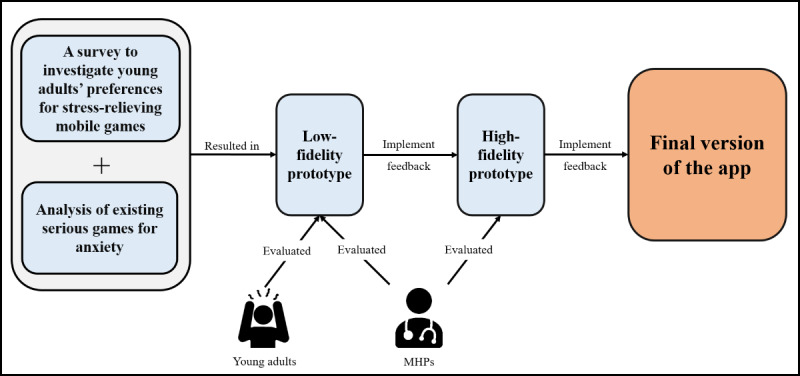
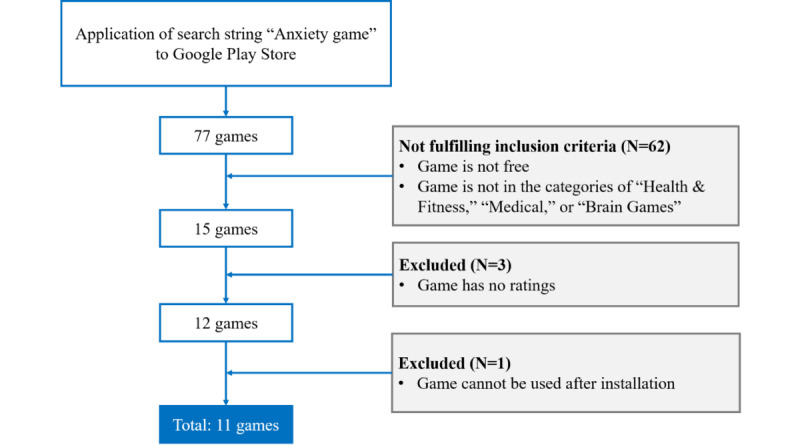
This study consists of two phases: Phase I describes the design and development of the app, while Phase II presents the results of a usability evaluation by experts. To elicit the app's requirements during Phase I, we conducted (1) a survey to investigate preferences of young adults in the UAE for mobile games for stress relief; (2) an analysis of serious games for anxiety; and (3) interviews with mental health professionals and young adults in the UAE. In Phase II, five experts tested the usability of the developed app using a set of Nielsen's usability heuristics.
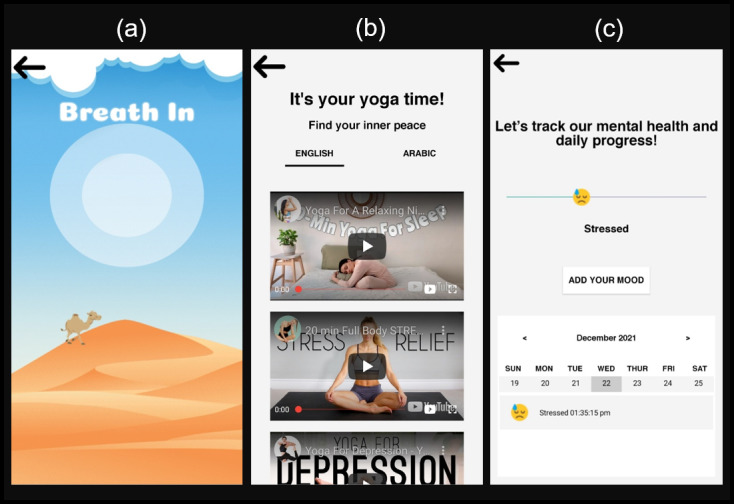
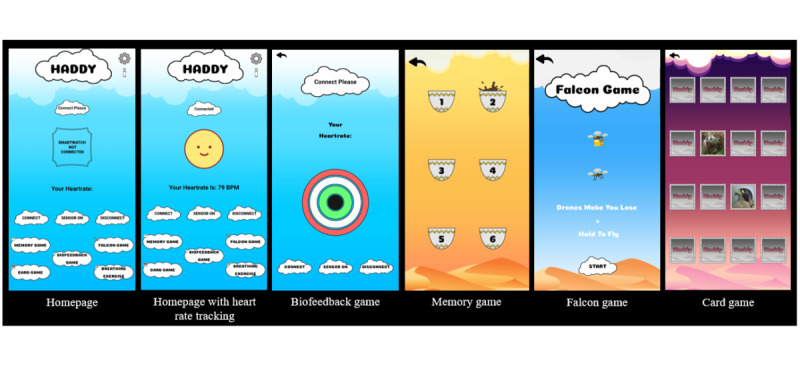
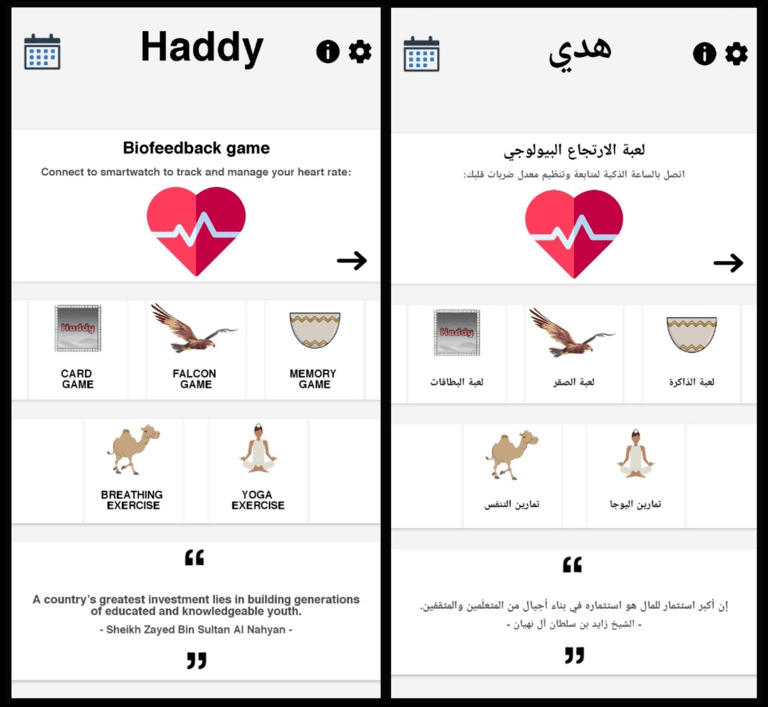
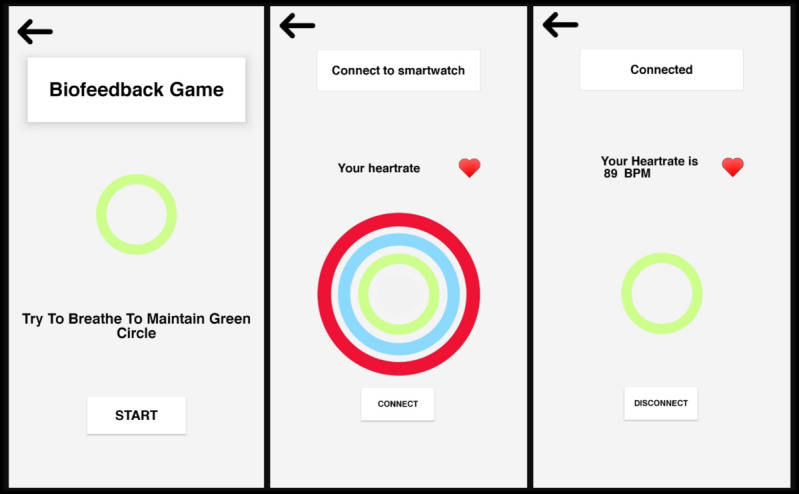
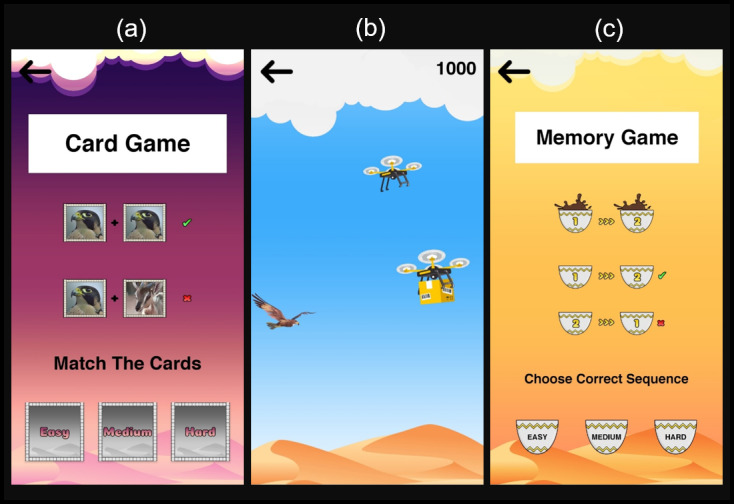
A fully functional biofeedback-based app with serious games was co-designed with mental health professionals. The app included 4 games (ie, a biofeedback game, card game, arcade game, and memory game), 2 relaxation techniques (ie, a breathing exercise and yoga videos), and 2 additional features (ie, positive messaging and a mood tracking calendar). The results of Phase II showed that the developed app is efficient, simple, and easy to use. Overall, the app design scored an average of 4 out of 5.
The elicitation techniques used in Phase I resulted in the development of an easy-to-use app for the self-management of anxiety. Further research is required to determine the app's usability and effectiveness in the target population.
新型冠状病毒肺炎疫情爆发后,多项研究报告称,年轻人的焦虑症状有所增加,这可能会对他们的生活质量产生负面影响。有证据表明,具有生物反馈、严肃游戏、呼吸练习和积极信息等功能的移动应用程序,对焦虑的自我管理和治疗很有用。
本研究旨在开发一款基于生物反馈并带有严肃游戏的应用程序,并评估其在阿拉伯联合酋长国(阿联酋)患有焦虑症的年轻人中的可用性。
本研究包括两个阶段:第一阶段描述该应用程序的设计与开发,而第二阶段展示专家进行可用性评估的结果。在第一阶段,为了确定该应用程序的需求,我们进行了以下工作:(1)一项调查,以了解阿联酋年轻人对缓解压力的手机游戏的偏好;(2)对治疗焦虑的严肃游戏进行分析;(3)采访阿联酋的心理健康专业人员和年轻人。在第二阶段,五名专家使用一组尼尔森可用性启发式方法测试了所开发应用程序的可用性。
与心理健康专业人员共同设计了一款功能齐全的、基于生物反馈并带有严肃游戏的应用程序。该应用程序包括4款游戏(即一款生物反馈游戏、纸牌游戏、街机游戏和记忆游戏)、2种放松技巧(即呼吸练习和瑜伽视频)以及2个附加功能(即积极信息和情绪跟踪日历)。第二阶段的结果表明,所开发的应用程序高效、简单且易于使用。总体而言,该应用程序设计的平均得分为4分(满分5分)。
第一阶段使用的启发式方法促成了一款易于使用的焦虑自我管理应用程序的开发。需要进一步研究来确定该应用程序在目标人群中的可用性和有效性。