Pitarini Astuti, Anastasia Maria, Kennedy Dave, Sumargono Endrotomo, Kholinne Erica
St. Carolus Bone & Joint Center, St. Carolus Hospital, Jakarta, Indonesia.
Faculty of Medicine, Universitas Katolik Indonesia Atma Jaya, Jakarta, Indonesia.
Orthop Res Rev. 2022 Jul 27;14:255-262. doi: 10.2147/ORR.S351356. eCollection 2022.
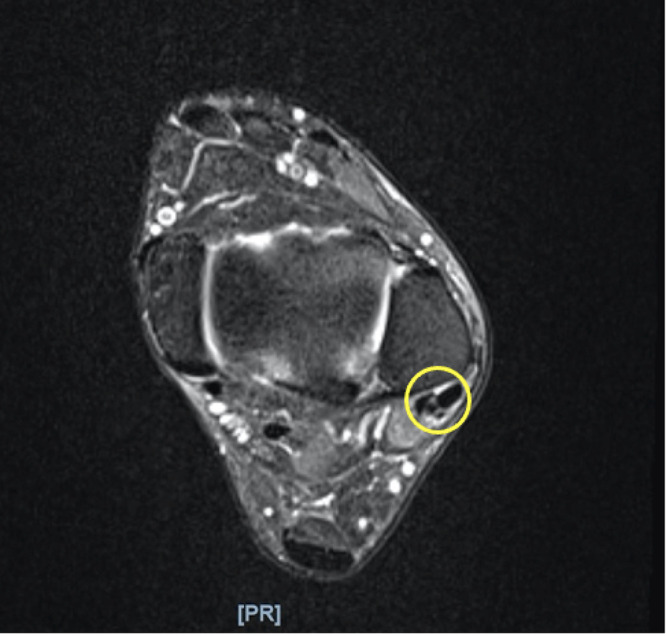
Peroneal tendon injury is one of the pathological ankle conditions which causes pain and is frequently misdiagnosed as ankle sprain. There is a variety of peroneal tendon injuries, depending on the mechanism of injury. We report a series of three peroneal injuries in our institution.
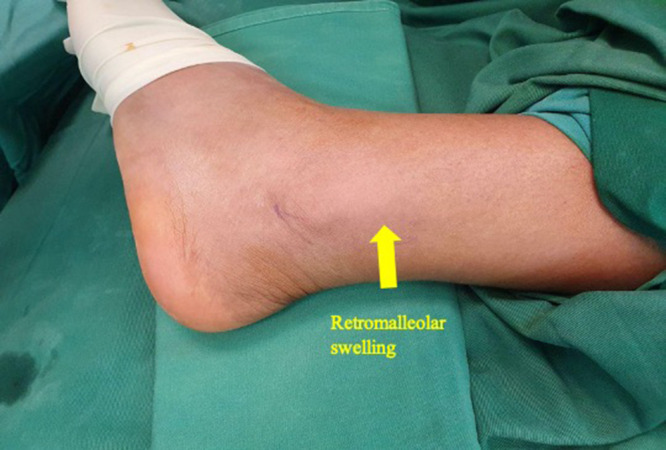
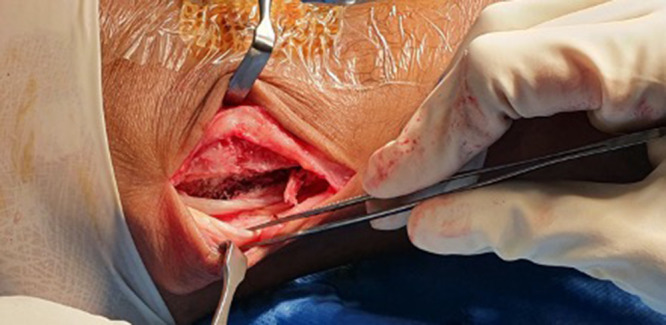
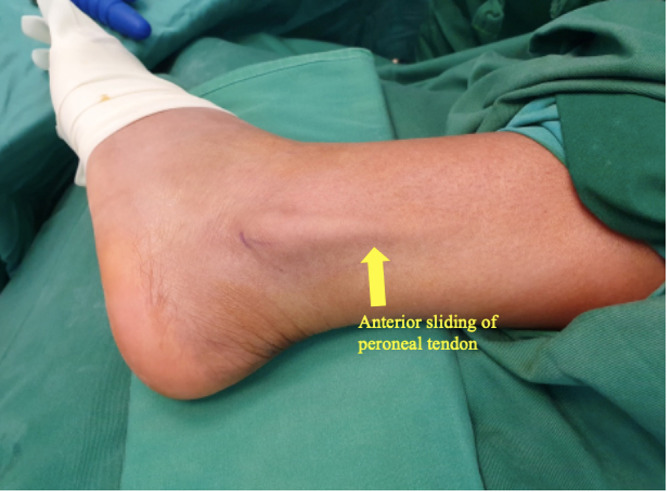
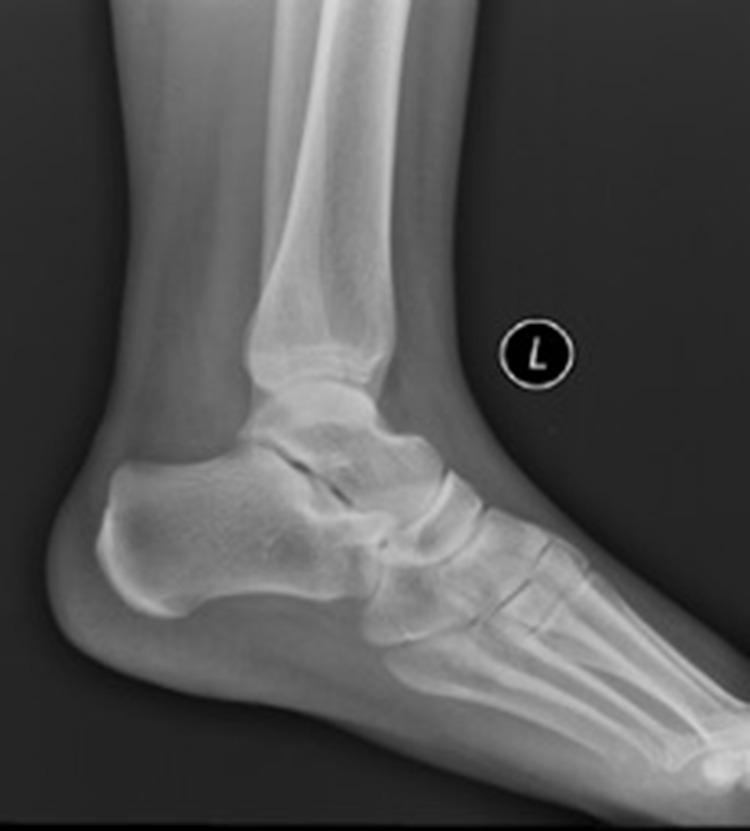
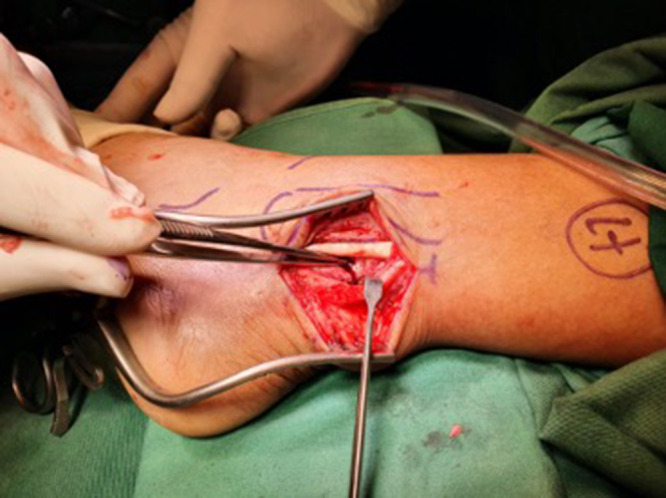
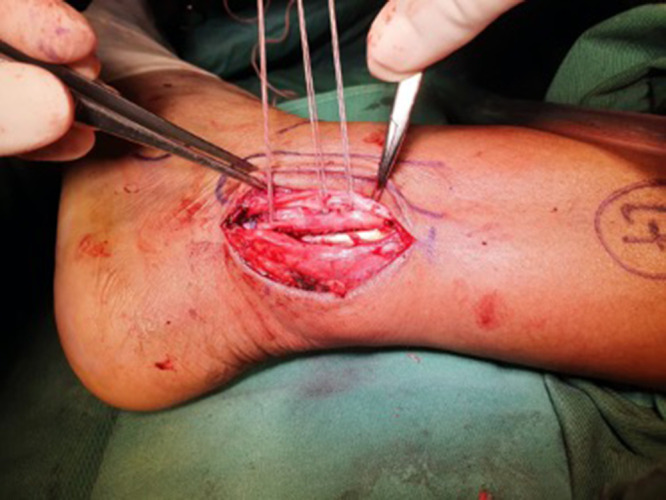
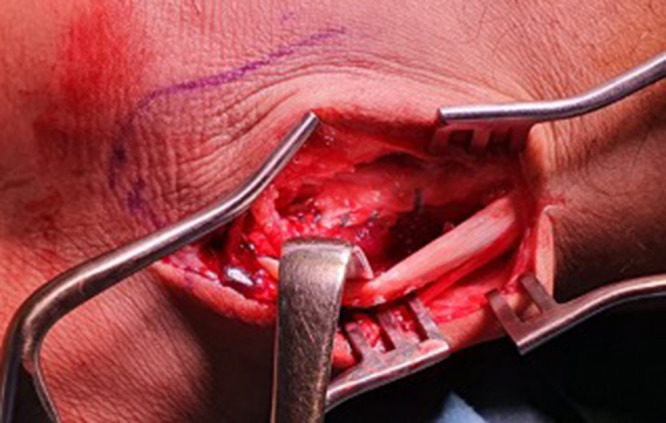
All three of the patients presented with ankle pain and instability following injuries. There was a presence of peroneus quartus in one of the patients. Retromalleolar pain was revealed in all of the patients, in addition to instability. All of the three patients received open peroneal tendon repair with groove tubular deepening for the 1 patient. Following the surgery, the patients could partially weight-bear after 3-4 weeks. Full range of motion was restored 6 weeks after surgery.
The peroneal muscle functions as a dynamic stabilizer of the ankle, which is vital to control the dynamic stability of the lateral ankle. There is a variety of peroneal injuries ranging from split tear to chronic dislocation. The treatment for peroneal tendon subluxation can be conservative or surgical. There are several surgical techniques for peroneal tendon subluxation repair, such as: 1) direct repair of retinaculum; 2) retromalleolar groove deepening; 3) tendon graft reconstruction; 4) bone block procedure; 5) tendon rerouting procedure.
Peroneal tendon injury should always be considered following inversion ankle trauma, especially in case of chronic lateral retromalleolar pain. Surgeries are often required after failure of conservative treatment which can cause impaired walking, decreased sports performance, or chronic pain and muscle strain.
腓骨肌腱损伤是导致疼痛的病理性踝关节疾病之一,常被误诊为踝关节扭伤。根据损伤机制的不同,腓骨肌腱损伤有多种类型。我们报告了本机构的一系列三例腓骨肌腱损伤病例。
所有三名患者受伤后均出现踝关节疼痛和不稳。其中一名患者存在第四腓骨肌。除了踝关节不稳外,所有患者均有后踝疼痛。三名患者均接受了开放性腓骨肌腱修复术,其中一名患者还进行了沟管加深术。术后,患者在3 - 4周后可部分负重。术后6周恢复了全范围活动。
腓骨肌作为踝关节的动态稳定器,对控制外侧踝关节的动态稳定性至关重要。腓骨肌腱损伤有多种类型,从撕裂到慢性脱位不等。腓骨肌腱半脱位的治疗可以是保守治疗或手术治疗。腓骨肌腱半脱位修复有几种手术技术,例如:1)直接修复支持带;2)后踝沟加深;3)肌腱移植重建;4)骨块手术;5)肌腱改道手术。
踝关节内翻创伤后应始终考虑腓骨肌腱损伤,特别是在慢性后外侧踝疼痛的情况下。保守治疗失败后通常需要手术治疗,保守治疗失败可能导致行走障碍、运动表现下降或慢性疼痛和肌肉劳损。