Yu Lily, Bensman Rachel S, Hariharan Selena L, McAneney Constance M, Ovalle Victoria Wurster, Kurowski Eileen Murtagh
Division of Emergency Medicine, Cincinnati Children's Hospital Medical Center, Cincinnati, Ohio.
Department of Pediatrics, College of Medicine, University of Cincinnati, Cincinnati, Ohio.
Pediatr Qual Saf. 2022 Aug 1;7(4):e583. doi: 10.1097/pq9.0000000000000583. eCollection 2022 Jul-Aug.
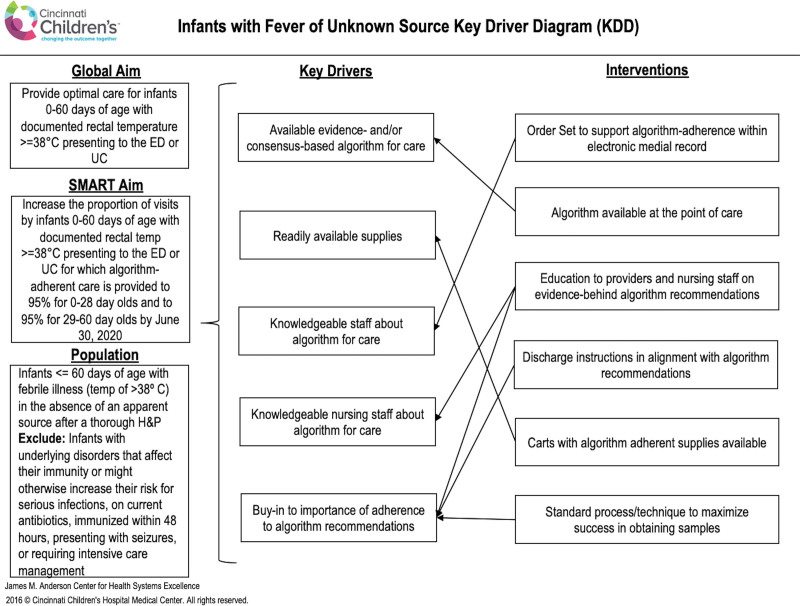
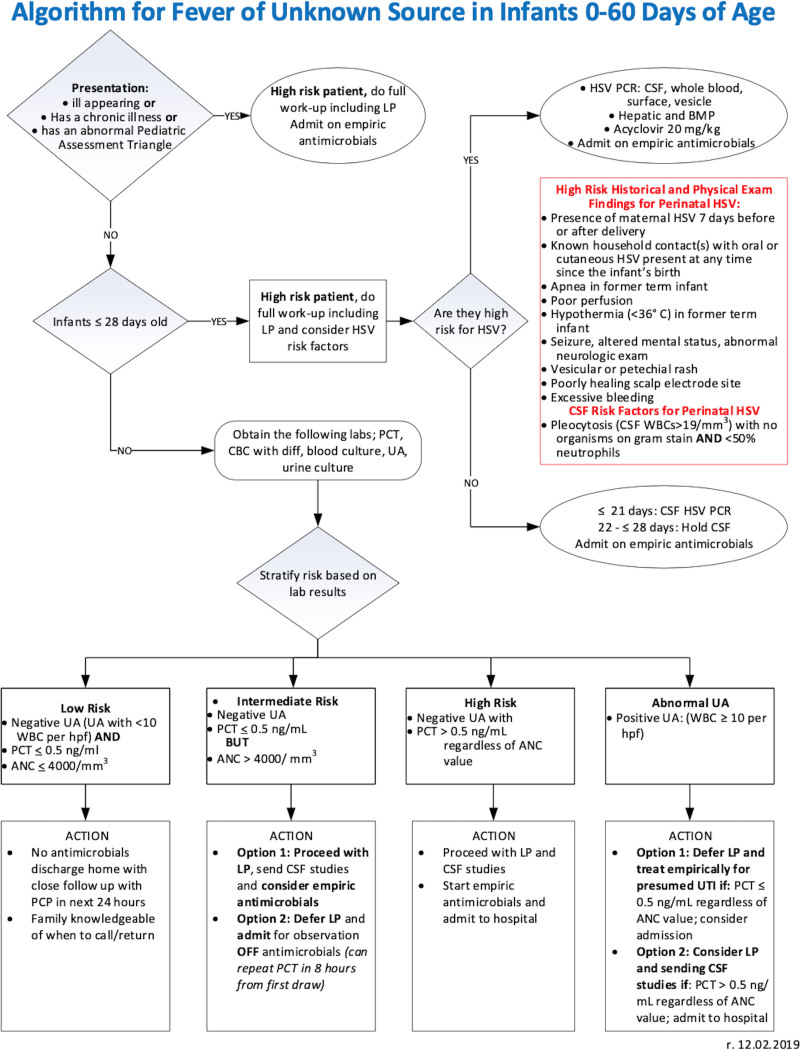
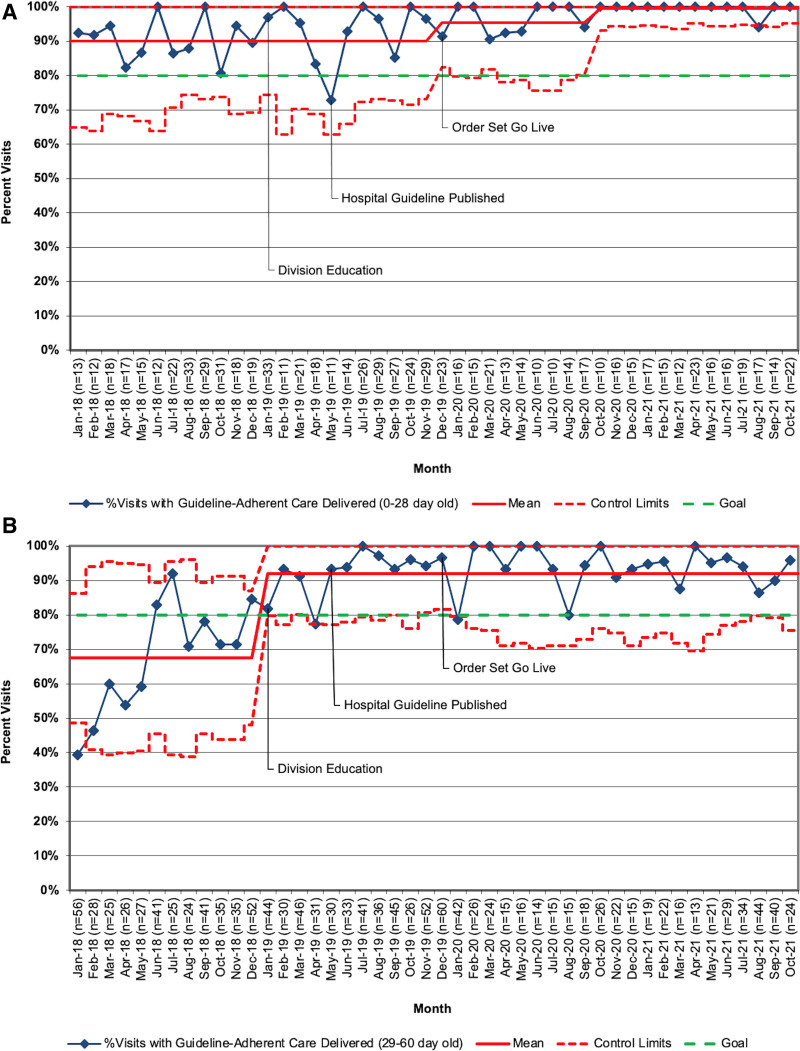
Our emergency department updated our care algorithm to provide evidence-based, standardized care to 0- to 60-day-old febrile neonates. Specifically, we wanted to increase the proportion of visits for which algorithm-adherent care was provided from 90% to 95% for infants 0-28 days, and from 67% to 95% for infants 29-60 days, by June 30, 2020.
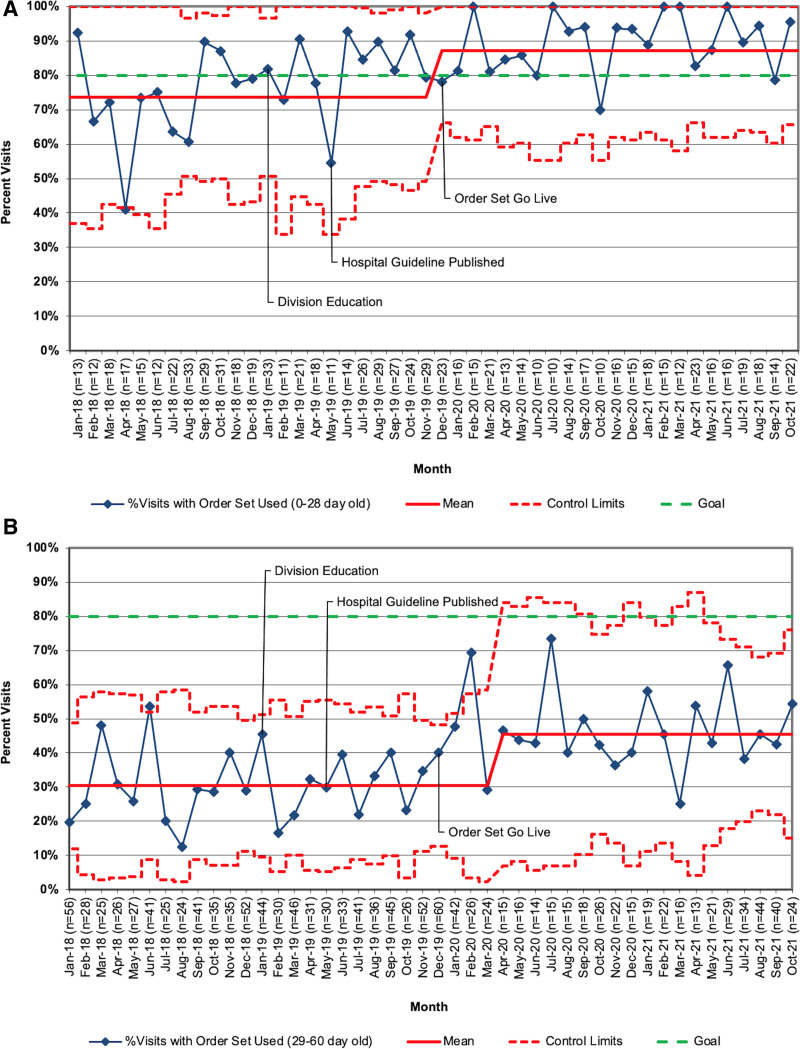
Our emergency medicine team outlined our theory for improvement and used multiple plan-do-study-act cycles to test interventions aimed at key drivers. Interventions included constructing an updated care algorithm, clinician, and nurse education, integrating an updated opt-out order set, and streamlined discharge instructions. Our primary outcome was the proportion of patient encounters in which clinicians ordered algorithm-adherent care. In addition, our quality improvement team manually reviewed all failures to determine the reasons for failure and inform further interventions.
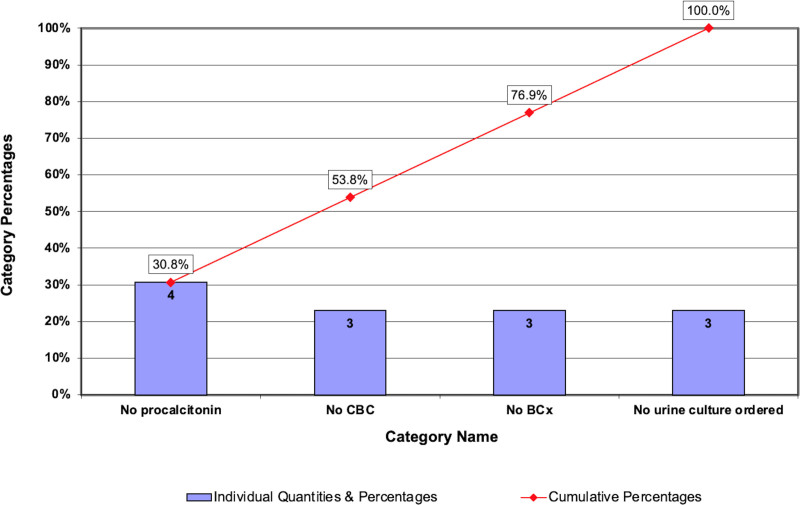
We evaluated 2,248 visits between January 2018 and October 2021. Algorithm-adherent care for 29- to 60-day-old infants improved from 67% to 92%. Algorithm-adherent care for 0- to 28-day infants improved from 90% to 96%. We sustained these improvements for 22 months. Failure to adhere to the algorithm in the 29- to 60-day-old infant group was primarily due to clinicians not ordering procalcitonin.
Using quality improvement methods, we successfully increased algorithm-adherent evaluation of febrile neonates 0-60 days old in our pediatric emergency departments. Education and opt-out order sets were keys to implementing our new algorithm.
我们的急诊科更新了护理算法,以便为0至60日龄的发热新生儿提供基于证据的标准化护理。具体而言,我们希望到2020年6月30日,将0至28日龄婴儿接受符合算法护理的就诊比例从90%提高到95%,将29至60日龄婴儿的这一比例从67%提高到95%。
我们的急诊医学团队概述了改进理论,并使用多个计划-执行-研究-行动循环来测试针对关键驱动因素的干预措施。干预措施包括构建更新的护理算法、对临床医生和护士进行教育、整合更新的退出医嘱集以及简化出院指导。我们的主要结果是临床医生开出符合算法护理医嘱的患者就诊比例。此外,我们的质量改进团队人工审查了所有失败案例,以确定失败原因并为进一步干预提供依据。
我们评估了2018年1月至2021年10月期间的2248次就诊。29至60日龄婴儿的符合算法护理从67%提高到了92%。0至28日龄婴儿的符合算法护理从90%提高到了96%。我们将这些改进维持了22个月。29至60日龄婴儿组未遵守算法主要是因为临床医生未开出降钙素原检测医嘱。
通过质量改进方法,我们成功提高了儿科急诊科对0至60日龄发热新生儿的符合算法评估。教育和退出医嘱集是实施新算法的关键。