Zhang Mengwen, Zheng Shu, Liang Jessie Qiaoyi
The Second Affiliated Hospital of Zhejiang University School of Medicine, Hangzhou, China.
Ministry of Education Key Laboratory of Cancer Prevention and Intervention, Second Affiliated Hospital, Cancer Institute, Zhejiang University School of Medicine, Hangzhou, China.
Front Microbiol. 2022 Jul 19;13:946296. doi: 10.3389/fmicb.2022.946296. eCollection 2022.
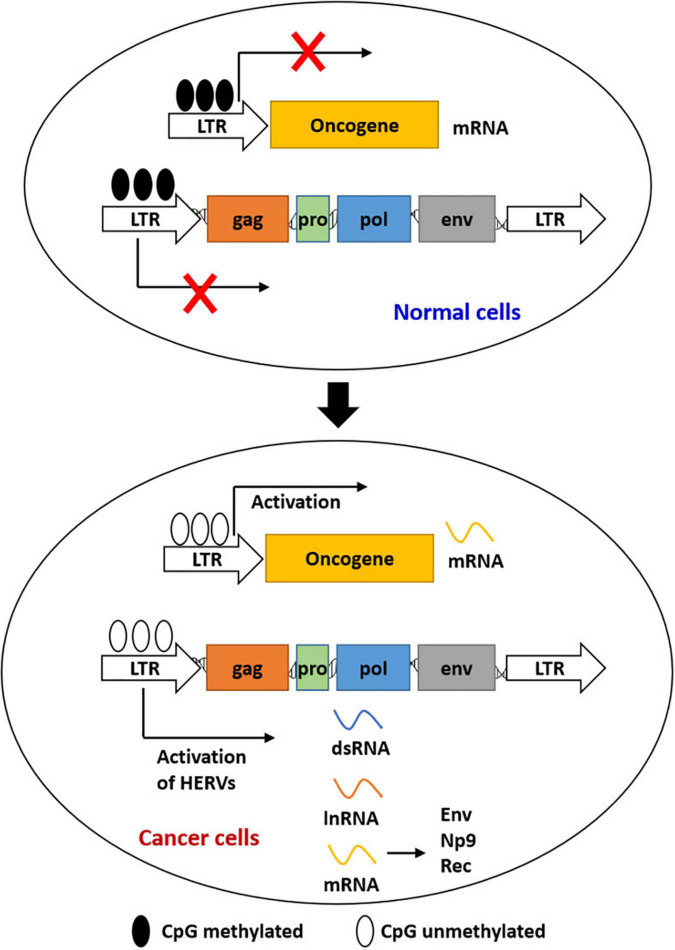
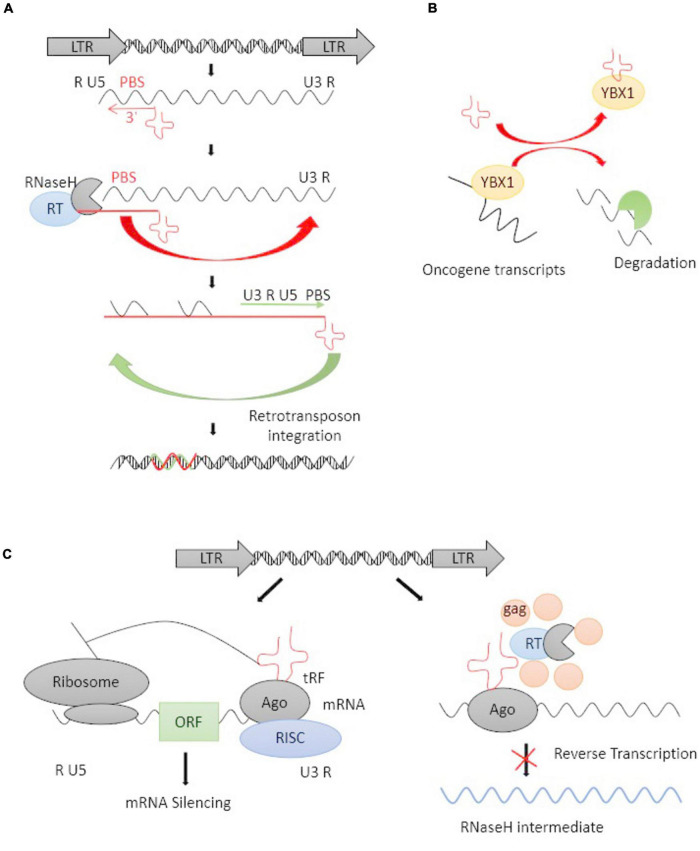
Human endogenous retroviruses (HERVs) originated from ancient retroviral infections of germline cells millions of years ago and have evolved as part of the host genome. HERVs not only retain the capacity as retroelements but also regulate host genes. The expansion of HERVs involves transcription by RNA polymerase II, reverse transcription, and re-integration into the host genome. Fast progress in deep sequencing and functional analysis has revealed the importance of domesticated copies of HERVs, including their regulatory sequences, transcripts, and proteins in normal cells. However, evidence also suggests the involvement of HERVs in the development and progression of many types of cancer. Here we summarize the current state of knowledge about the expression of HERVs, transcriptional regulation of host genes by HERVs, and the functions of HERVs in reverse transcription and gene editing with their reverse transcriptase.
人类内源性逆转录病毒(HERVs)起源于数百万年前种系细胞的古代逆转录病毒感染,并已作为宿主基因组的一部分进化。HERVs不仅保留了作为逆转录元件的能力,还能调节宿主基因。HERVs的扩增涉及RNA聚合酶II转录、逆转录以及重新整合到宿主基因组中。深度测序和功能分析的快速进展揭示了HERVs驯化拷贝的重要性,包括它们在正常细胞中的调控序列、转录本和蛋白质。然而,有证据也表明HERVs参与了多种癌症的发生和发展。在此,我们总结了关于HERVs表达、HERVs对宿主基因的转录调控以及HERVs通过其逆转录酶在逆转录和基因编辑中的功能的当前知识状态。