Peng Yuling, Zhu Jieying, Zhang Qi, Zhang Ran, Wang Zhenhua, Ye Zesen, Ma Ning, Qin Dajiang, Pei Duanqing, Li Dongwei
Key Laboratory of Biological Targeting Diagnosis, Therapy and Rehabilitation of Guangdong Higher Education Institutes, The Fifth Affiliated Hospital of Guangzhou Medical University, Guangzhou, 510799, China.
Bioland Laboratory (Guangzhou Regenerative Medicine and Health Guangdong Laboratory), Guangzhou, 510005, China.
Cell Regen. 2024 Sep 13;13(1):17. doi: 10.1186/s13619-024-00200-2.
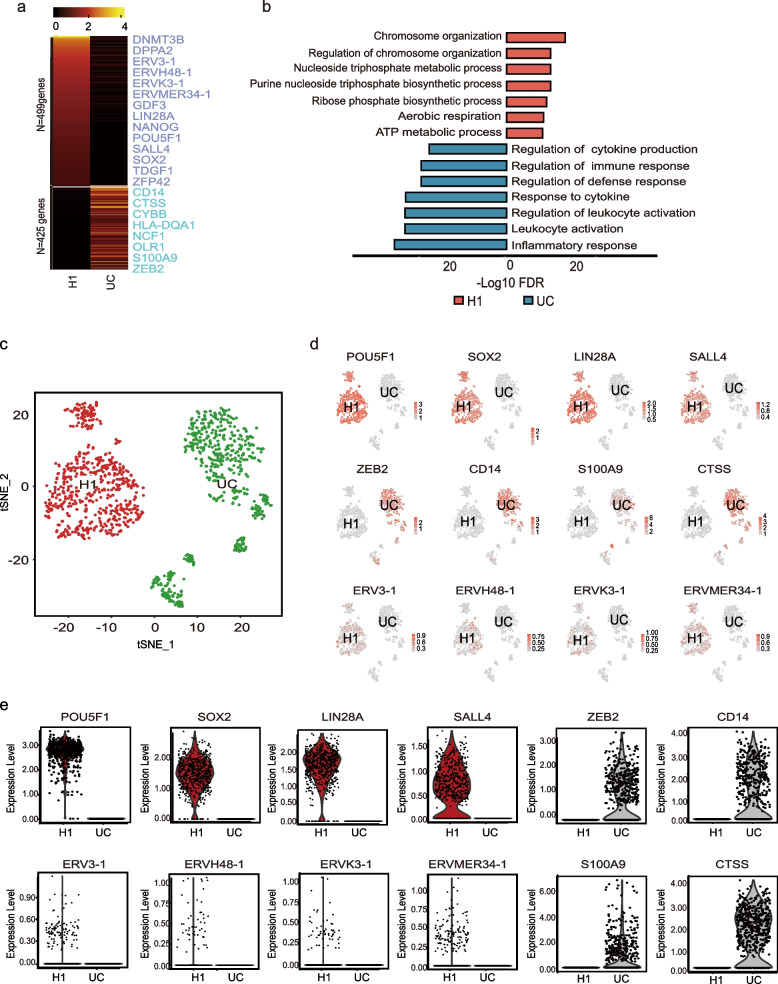
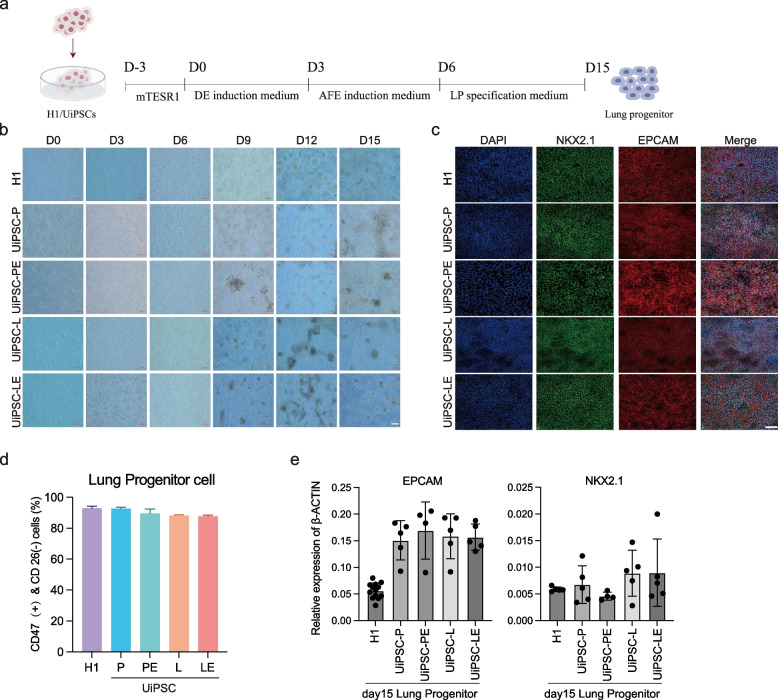
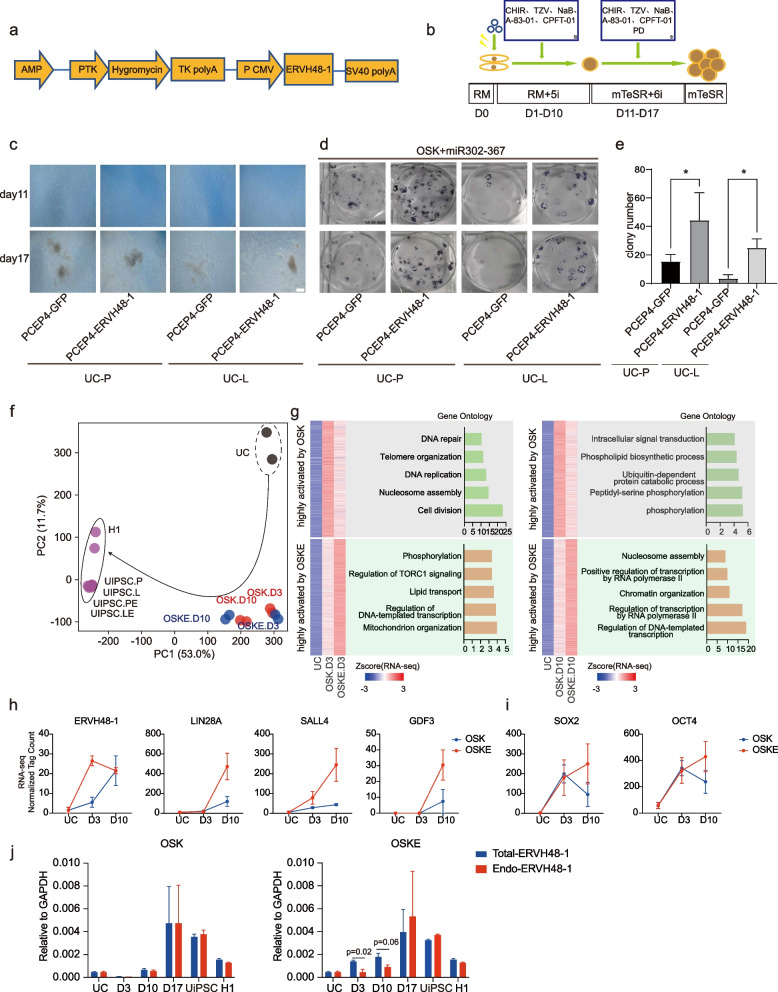
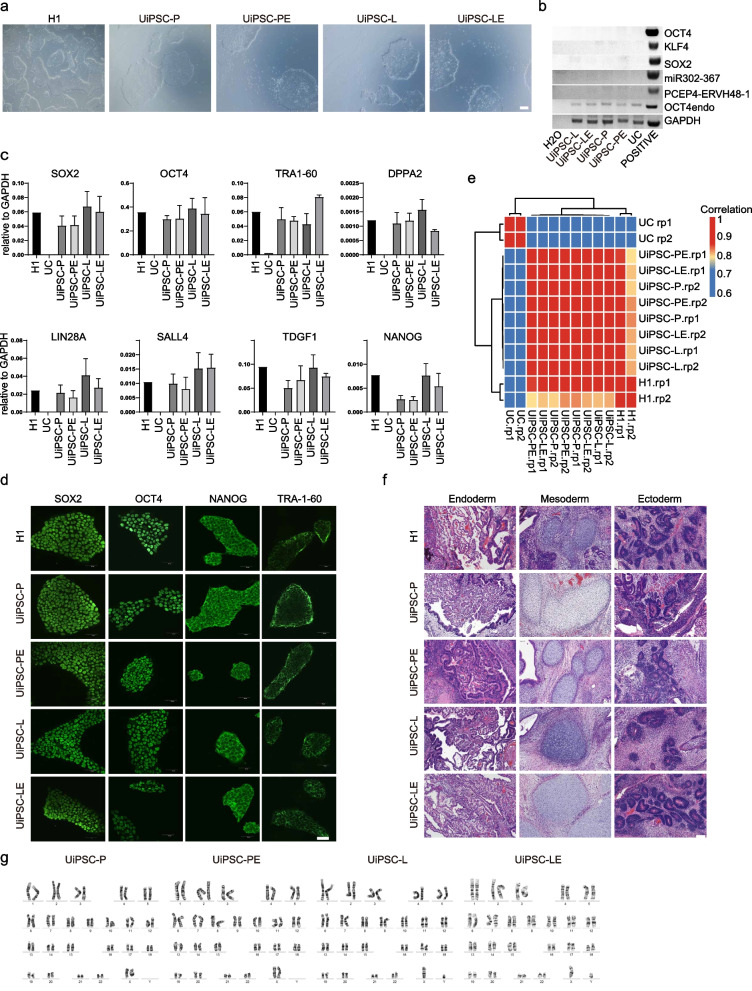
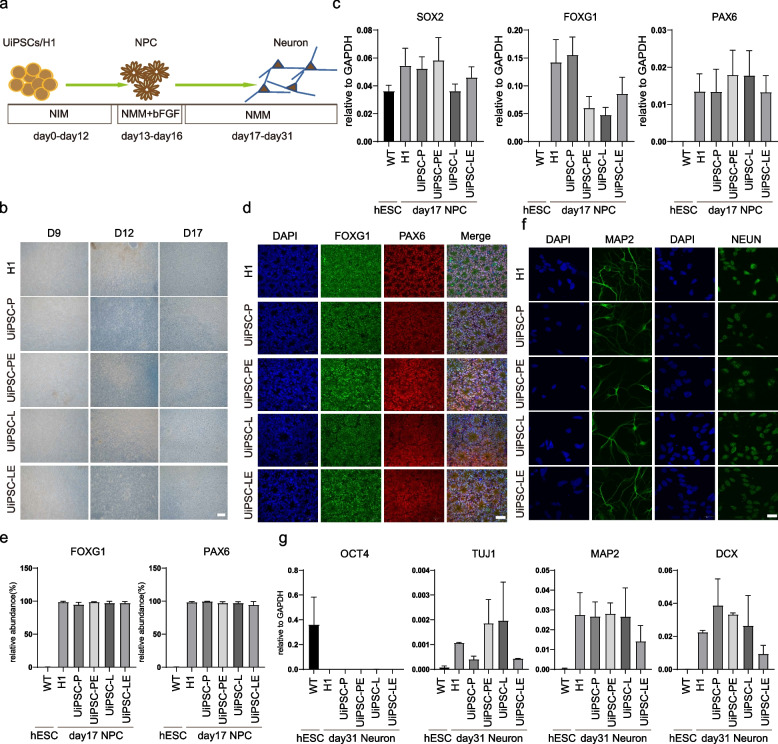
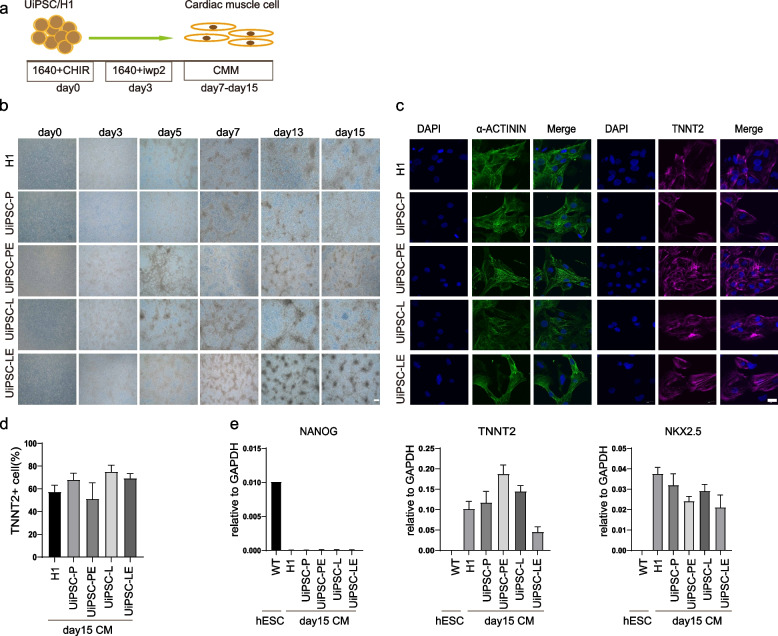
Endogenous retroviruses (ERVs), once thought to be mere remnants of ancient viral integrations in the mammalian genome, are now recognized for their critical roles in various physiological processes, including embryonic development, innate immunity, and tumorigenesis. Their impact on host organisms is significant driver of evolutionary changes, offering insight into evolutionary mechanisms. In our study, we explored the functionality of ERVs by examining single-cell transcriptomic profiles from human embryonic stem cells and urine cells. This led to the discovery of a unique ERVH48-1 expression pattern between these cell types. Additionally, somatic cell reprogramming efficacy was enhanced when ERVH48-1 was overexpressed in a urine cell-reprogramming system. Induced pluripotent stem cells (iPSCs) generated with ERVH48-1 overexpression recapitulated the traits of those produced by traditional reprogramming approaches, and the resulting iPSCs demonstrated the capability to differentiate into all three germ layers in vitro. Our research elucidated the role of ERVs in somatic cell reprogramming.
内源性逆转录病毒(ERVs),曾被认为只是哺乳动物基因组中古代病毒整合的残余物,现在因其在各种生理过程中的关键作用而受到认可,这些生理过程包括胚胎发育、先天免疫和肿瘤发生。它们对宿主生物体的影响是进化变化的重要驱动因素,为进化机制提供了见解。在我们的研究中,我们通过检查人类胚胎干细胞和尿液细胞的单细胞转录组图谱来探索ERVs的功能。这导致在这些细胞类型之间发现了一种独特的ERVH48-1表达模式。此外,当ERVH48-1在尿液细胞重编程系统中过表达时,体细胞重编程效率得到提高。过表达ERVH48-1产生的诱导多能干细胞(iPSCs)重现了传统重编程方法产生的iPSCs的特征,并且产生的iPSCs在体外表现出分化为所有三个胚层的能力。我们的研究阐明了ERVs在体细胞重编程中的作用。