Liu Runze, Liu Zhendong, Zhao Yaoye, Cheng Xingbo, Liu Binfeng, Wang Yanbiao, Wang Jialin, Lian Xiaoyu, Zhu Yongjie, Gao Yanzheng
Henan University People's Hospital, Henan Provincial People's Hospital, Zhengzhou, China.
Department of Surgery of Spine and Spinal Cord, Henan Provincial People's Hospital, Henan International Joint Laboratory of Intelligentized Orthopedics Innovation and Transformation, Henan Key Laboratory for Intelligent Precision Orthopedics, People's Hospital of Zhengzhou University, People's Hospital of Henan University, Zhengzhou, China.
Front Oncol. 2022 Jul 19;12:726556. doi: 10.3389/fonc.2022.726556. eCollection 2022.
GNG12 influences a variety of tumors; however, its relationship with glioma remains unclear. The aim of this study was to comprehensively investigate the relationship between GNG12 and the clinical characteristics and prognosis of glioma patients and reveal the mechanisms causing the malignant process of GNG12.
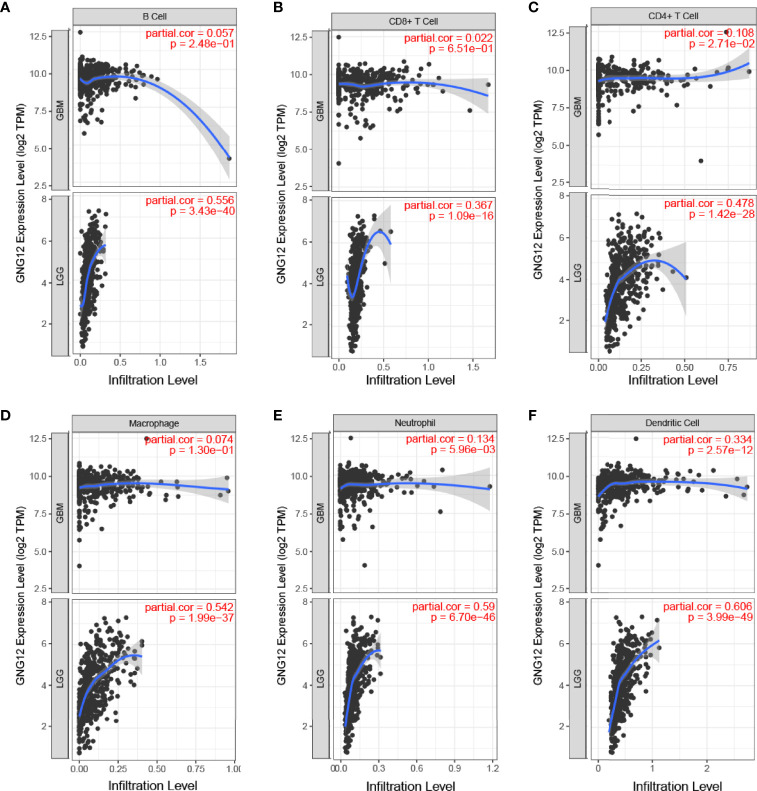
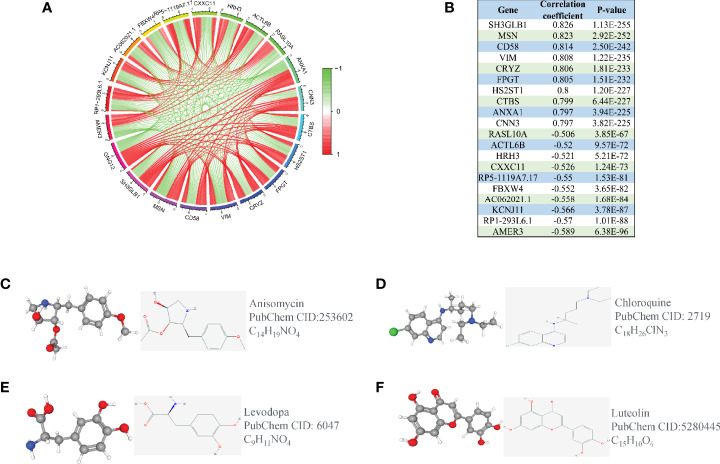
We obtained information on clinical samples from multiple databases. The expression level of GNG12 was validated using a RT-qPCR and IHC. KM curves were used to assess the correlation between the GNG12 expression and OS of glioma patients. An ROC curve was drawn to assess the predictive performance of GNG12. Univariate and multivariate Cox analyses were performed to analyze the factors affecting the prognosis of patients with glioma. GSEA and TIMER databases were used to estimate the relationship between GNG12 expression, possible molecular mechanisms, and immune cell infiltration. CMap analysis was used to screen candidate drugs for glioma. Subsequent experiments were used to validate the proliferation and migration of glioma cells and to explore the potential mechanisms by which GNG12 causes poor prognosis in gliomas.
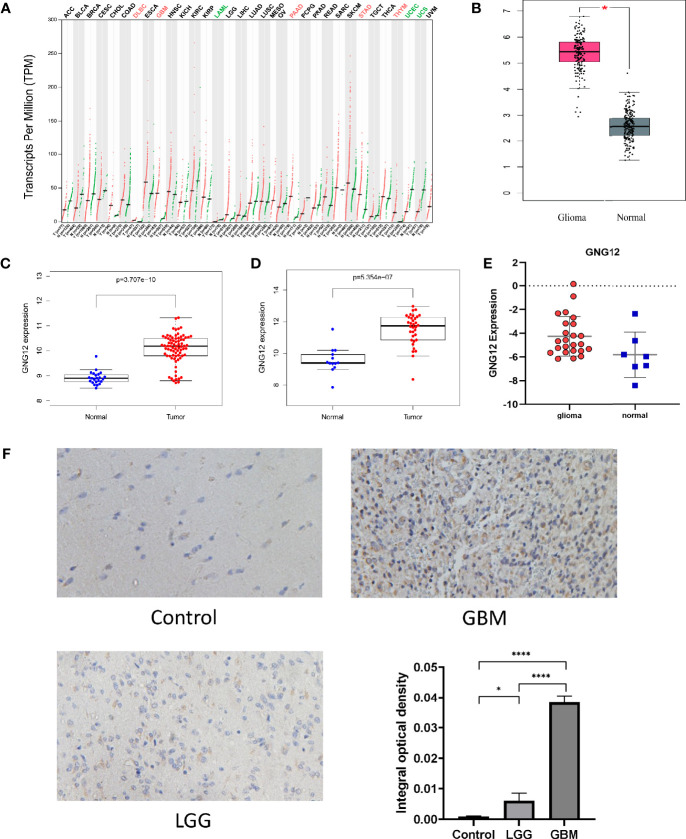
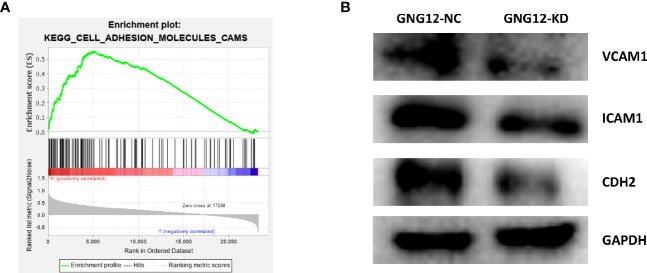
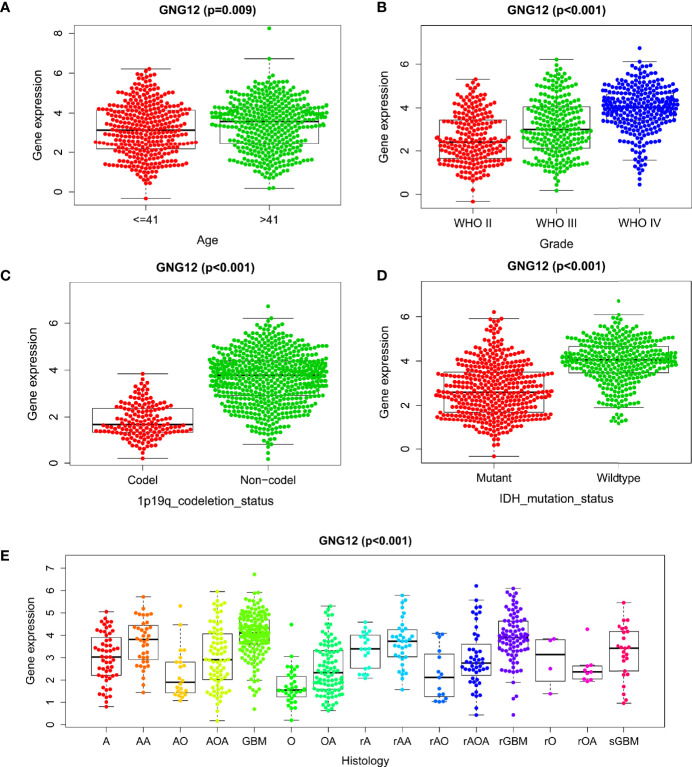
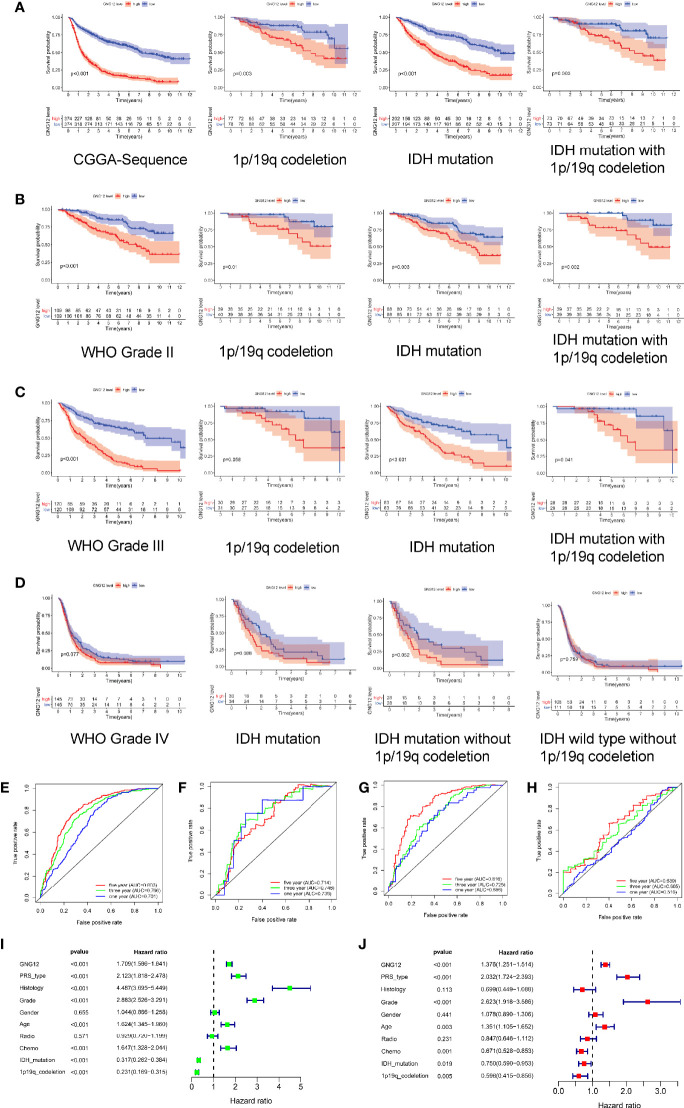
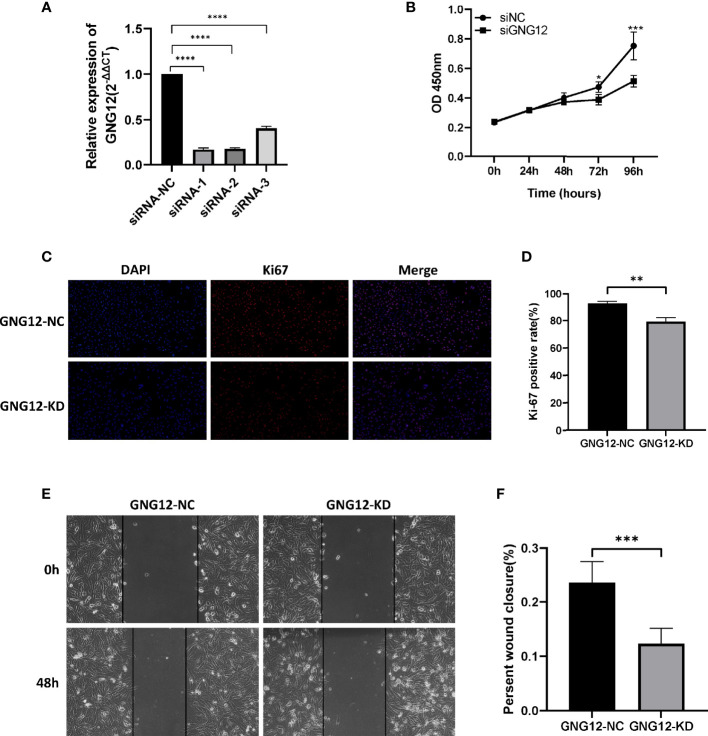
GNG12 was overexpressed in glioma patients and GNG12 expression level correlated closely with clinical features, including age and histological type, etc. Subsequently, the K-M survival analysis indicated that the expression level of GNG12 was relevant to the prognosis of glioma, and the ROC curve implied that GNG12 can predict glioma stability. Univariate and multivariate analyses showed that GNG12 represents a risk factor for glioma occurrence. GNG12 expression is closely associated with some immune cells. Additionally, several experiments demonstrated that down-regulation of GNG12 expression can inhibits the proliferation and migration capacity of glioma cells. Ultimately, the results for the GSEA and WB experiments revealed that GNG12 may promote the malignant progression of gliomas by regulating the cell adhesion molecule cell signaling pathway.
In this study, we identified GNG12 as a novel oncogene elevated in gliomas. Reducing GNG12 expression inhibits the proliferation and migration of glioma cells. In summary, GNG12 can be used as a novel biomarker for the early diagnosis of human gliomas and as a potential therapeutic target.
GNG12影响多种肿瘤;然而,其与胶质瘤的关系仍不清楚。本研究的目的是全面调查GNG12与胶质瘤患者临床特征及预后之间的关系,并揭示导致GNG12恶性进程的机制。
我们从多个数据库获取临床样本信息。使用RT-qPCR和免疫组化验证GNG12的表达水平。采用KM曲线评估GNG12表达与胶质瘤患者总生存期之间的相关性。绘制ROC曲线评估GNG12的预测性能。进行单因素和多因素Cox分析以分析影响胶质瘤患者预后的因素。使用GSEA和TIMER数据库评估GNG12表达、可能的分子机制与免疫细胞浸润之间的关系。使用CMap分析筛选胶质瘤的候选药物。随后进行实验验证胶质瘤细胞的增殖和迁移,并探索GNG12导致胶质瘤预后不良的潜在机制。
GNG12在胶质瘤患者中过表达,且GNG12表达水平与包括年龄和组织学类型等临床特征密切相关。随后,K-M生存分析表明GNG12的表达水平与胶质瘤的预后相关,ROC曲线表明GNG12可预测胶质瘤的稳定性。单因素和多因素分析表明GNG12是胶质瘤发生的危险因素。GNG12表达与一些免疫细胞密切相关。此外,多项实验表明下调GNG12表达可抑制胶质瘤细胞的增殖和迁移能力。最终,GSEA和WB实验结果表明GNG12可能通过调节细胞粘附分子细胞信号通路促进胶质瘤的恶性进展。
在本研究中,我们确定GNG12是胶质瘤中升高的一种新型癌基因。降低GNG12表达可抑制胶质瘤细胞的增殖和迁移。总之,GNG12可作为人类胶质瘤早期诊断的新型生物标志物和潜在治疗靶点。