Laboratory of Virology, Division of Intramural Research, National Institute of Allergy and Infectious Diseases, National Institutes of Health, Rocky Mountain Laboratories, Hamilton, MT 59840, USA.
Laboratory of Virology, Division of Intramural Research, National Institute of Allergy and Infectious Diseases, National Institutes of Health, Rocky Mountain Laboratories, Hamilton, MT 59840, USA.
EBioMedicine. 2022 Sep;83:104196. doi: 10.1016/j.ebiom.2022.104196. Epub 2022 Aug 4.
In late 2021, the SARS-CoV-2 Omicron (B.1.1.529) variant of concern (VoC) was reported with many mutations in the viral spike protein that were predicted to enhance transmissibility and allow viral escape of neutralizing antibodies. Within weeks of the first report of B.1.1.529, this VoC has rapidly spread throughout the world, replacing previously circulating strains of SARS-CoV-2 and leading to a resurgence in COVID-19 cases even in populations with high levels of vaccine- and infection-induced immunity. Studies have shown that B.1.1.529 is less sensitive to protective antibody conferred by previous infections and vaccines developed against earlier lineages of SARS-CoV-2. The ability of B.1.1.529 to spread even among vaccinated populations has led to a global public health demand for updated vaccines that can confer protection against B.1.1.529.
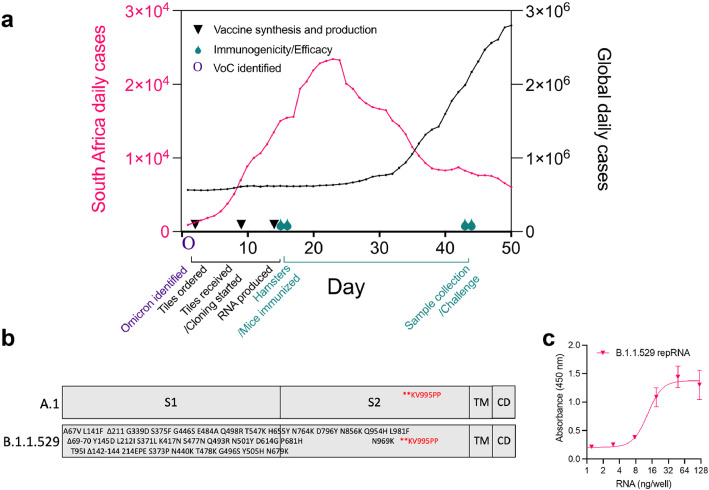
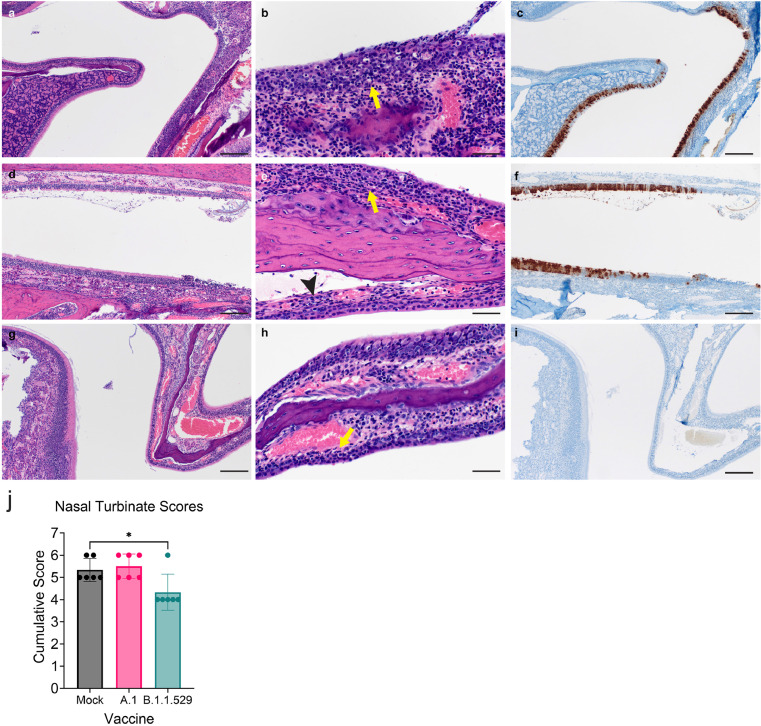
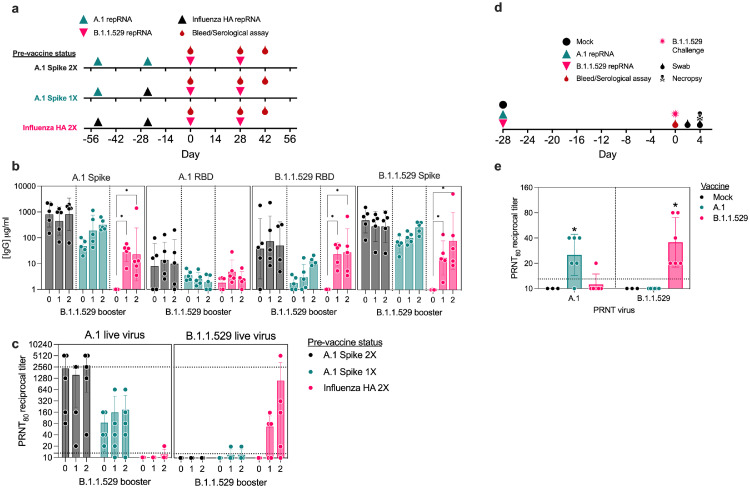
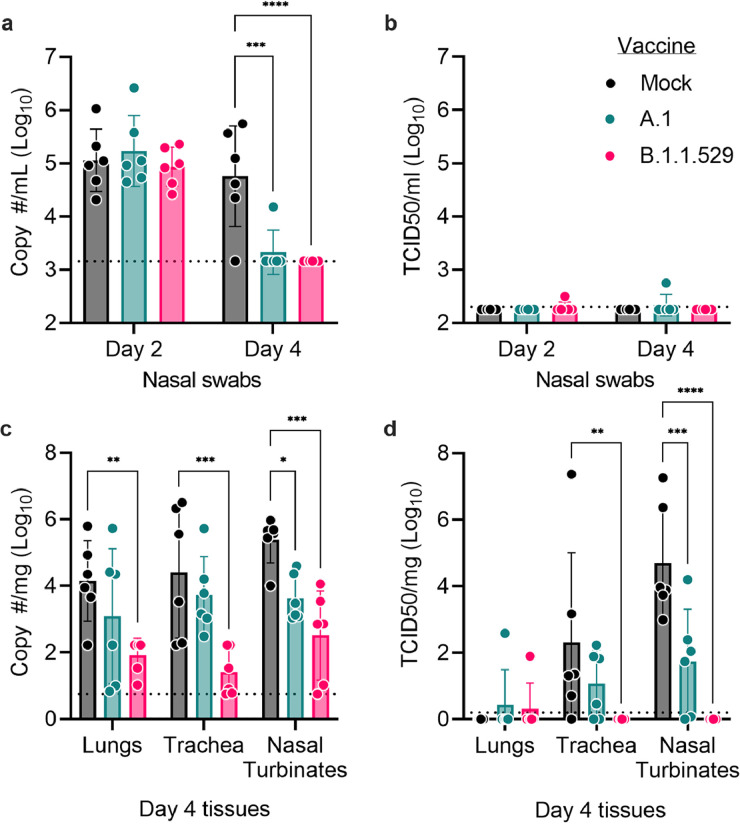
We rapidly developed a replicating RNA vaccine expressing the B.1.1.529 spike and evaluated immunogenicity in mice and hamsters. We also challenged hamsters with B.1.1.529 and evaluated whether vaccination could protect against viral shedding and replication within respiratory tissue.
We found that mice previously immunized with A.1-specific vaccines failed to elevate neutralizing antibody titers against B.1.1.529 following B.1.1.529-targeted boosting, suggesting pre-existing immunity may impact the efficacy of B.1.1.529-targeted boosters. Furthermore, we found that our B.1.1.529-targeted vaccine provides superior protection compared to the ancestral A.1-targeted vaccine in hamsters challenged with the B.1.1.529 VoC after a single dose of each vaccine.
Our data suggest that B.1.1.529-targeted vaccines may provide superior protection against B.1.1.529 but pre-existing immunity and timing of boosting may need to be considered for optimum protection.
This research was supported in part by the Intramural Research Program, NIAID/NIH, Washington Research Foundation and by grants 27220140006C (JHE), AI100625, AI151698, and AI145296 (MG).
2021 年末,SARS-CoV-2 的奥密克戎(B.1.1.529)变体被报告,其病毒刺突蛋白中有许多突变,预计这些突变会增强传染性,并使中和抗体逃逸。在 B.1.1.529 首次报告的几周内,这种变体迅速在全球范围内传播,取代了之前流行的 SARS-CoV-2 株,导致即使在具有高水平疫苗和感染诱导免疫的人群中,COVID-19 病例也再次出现。研究表明,B.1.1.529 对先前感染和针对 SARS-CoV-2 早期谱系开发的疫苗所产生的保护性抗体的敏感性降低。B.1.1.529 甚至在接种人群中的传播能力,导致了对能够针对 B.1.1.529 提供保护的更新疫苗的全球公共卫生需求。
我们迅速开发了一种表达 B.1.1.529 刺突的复制 RNA 疫苗,并在小鼠和仓鼠中评估了其免疫原性。我们还用 B.1.1.529 对仓鼠进行了攻毒,并评估了接种疫苗是否能防止呼吸道组织中的病毒脱落和复制。
我们发现,先前用 A.1 特异性疫苗免疫的小鼠在接受 B.1.1.529 靶向增强后,未能提高针对 B.1.1.529 的中和抗体滴度,这表明预先存在的免疫可能会影响 B.1.1.529 靶向增强的效果。此外,我们发现,与用每种疫苗进行单次接种后用 B.1.1.529 变异株攻毒的情况下,用 A.1 靶向疫苗相比,我们的 B.1.1.529 靶向疫苗在仓鼠中提供了更好的保护。
我们的数据表明,B.1.1.529 靶向疫苗可能对 B.1.1.529 提供更好的保护,但预先存在的免疫和增强的时机可能需要考虑以获得最佳保护。
这项研究部分得到了 NIAID/NIH 院内研究计划、华盛顿研究基金会以及 27220140006C(JHE)、AI100625、AI151698 和 AI145296(MG)的资助。