Lady Davis Institute, Jewish General Hospital, Montreal, Quebec, Canada; Department of Medicine, McGill University, Montreal, Quebec, Canada.
Lady Davis Institute, Jewish General Hospital, Montreal, Quebec, Canada; Department of Medicine, McGill University, Montreal, Quebec, Canada.
Virus Res. 2022 Oct 2;319:198882. doi: 10.1016/j.virusres.2022.198882. Epub 2022 Aug 4.
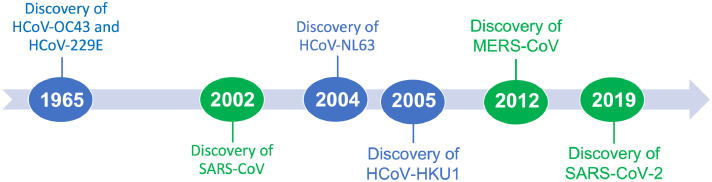
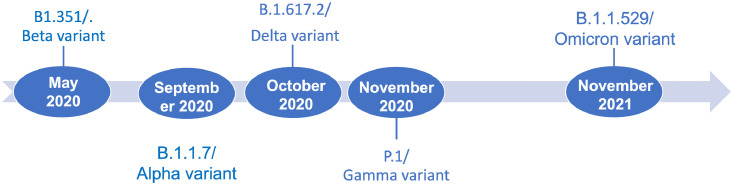
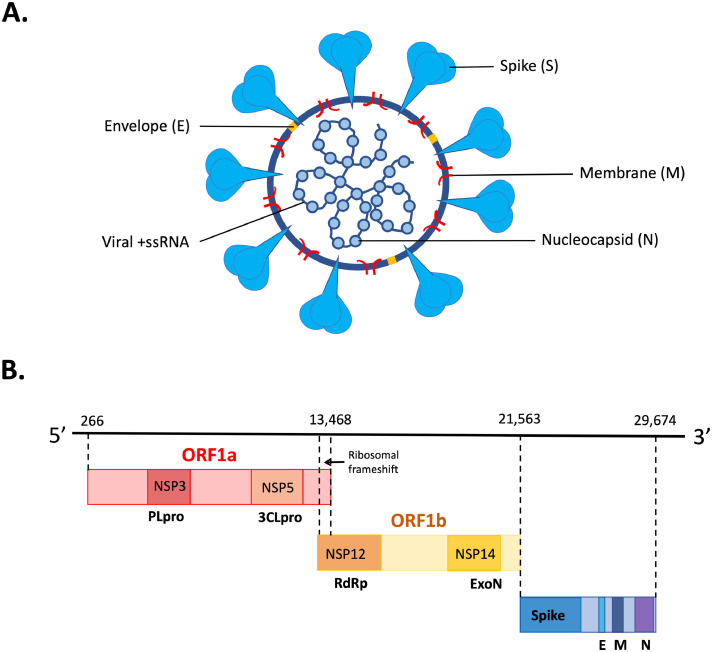
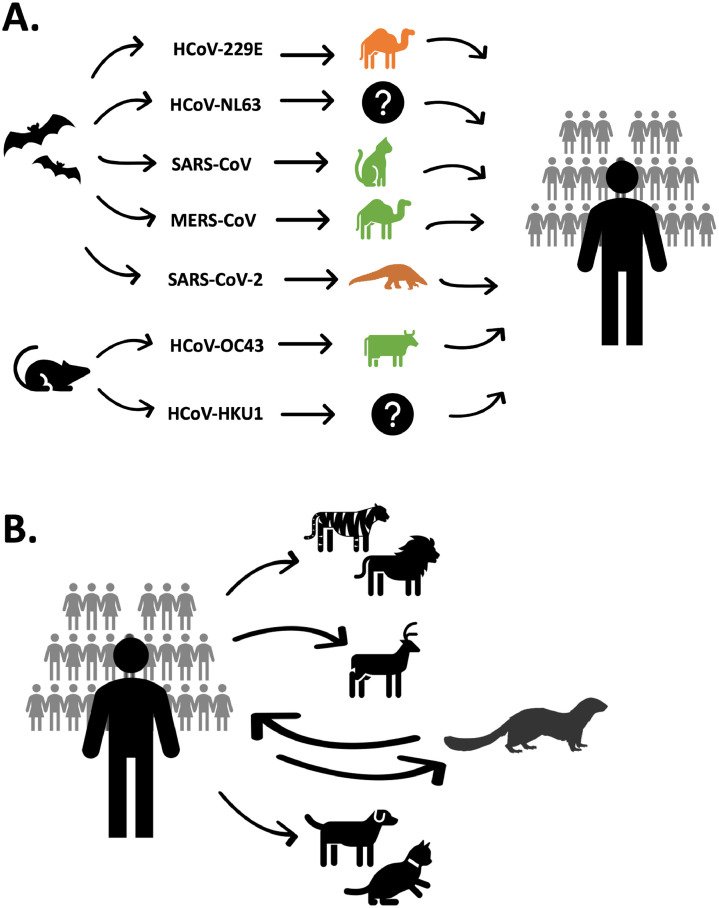
To date, a total of seven human coronaviruses (HCoVs) have been identified, all of which are important respiratory pathogens. Recently, severe acute respiratory syndrome coronavirus 2 (SARS-CoV-2), the causative agent of coronavirus disease 2019 (COVID-19), has led to a global pandemic causing millions of infections and deaths. Here, we summarize the discovery and fundamental virology of HCoVs, discuss their zoonotic transmission and highlight the weak species barrier of SARS-CoV-2. We also discuss the possible origins of SARS-CoV-2 variants of concern identified to date and discuss the experimental challenges in characterizing mutations of interest and propose methods to circumvent them. As the COVID-19 treatment and prevention landscape rapidly evolves, we summarize current therapeutics and vaccines, and their implications on SARS-CoV-2 variants. Finally, we explore how interspecies transmission of SARS-CoV-2 may drive the emergence of novel strains, how disease severity may evolve and how COVID-19 will likely continue to burden healthcare systems globally.
迄今为止,已鉴定出七种人类冠状病毒(HCoV),它们均是重要的呼吸道病原体。最近,引发 2019 冠状病毒病(COVID-19)的严重急性呼吸综合征冠状病毒 2(SARS-CoV-2)导致了一场全球性大流行,引发了数百万人感染和死亡。在此,我们总结了 HCoV 的发现和基础病毒学,讨论了其人畜共患病传播,并强调了 SARS-CoV-2 较弱的种间屏障。我们还讨论了迄今为止鉴定出的令人关注的 SARS-CoV-2 变体的可能起源,并讨论了对感兴趣的突变进行特征描述的实验挑战,并提出了克服这些挑战的方法。随着 COVID-19 治疗和预防领域的迅速发展,我们总结了目前的治疗方法和疫苗,以及它们对 SARS-CoV-2 变体的影响。最后,我们探讨了 SARS-CoV-2 的种间传播如何可能导致新型菌株的出现,疾病严重程度如何演变,以及 COVID-19 将如何继续在全球范围内给医疗系统带来负担。