Mirzaeei Shahla, Barfar Donya
Pharmaceutical Sciences Research Center, Health Institute, Kermanshah University of Medical Sciences, Kermanshah, Iran.
Nano Drug Delivery Research Center, Health Technology Institute, Kermanshah University of Medical Sciences, Kermanshah, Iran.
Adv Pharm Bull. 2022 May;12(3):531-540. doi: 10.34172/apb.2022.056. Epub 2021 Jul 4.
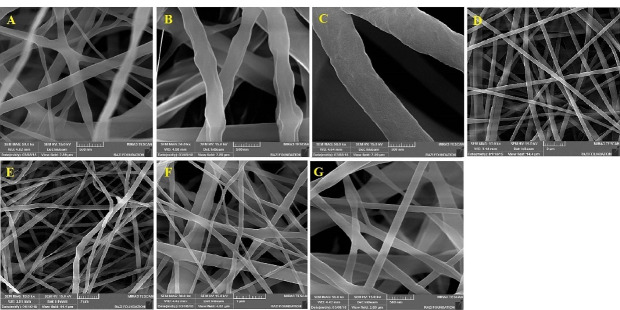
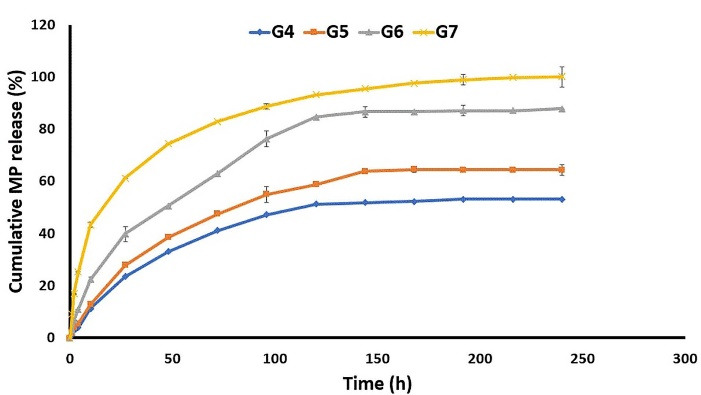
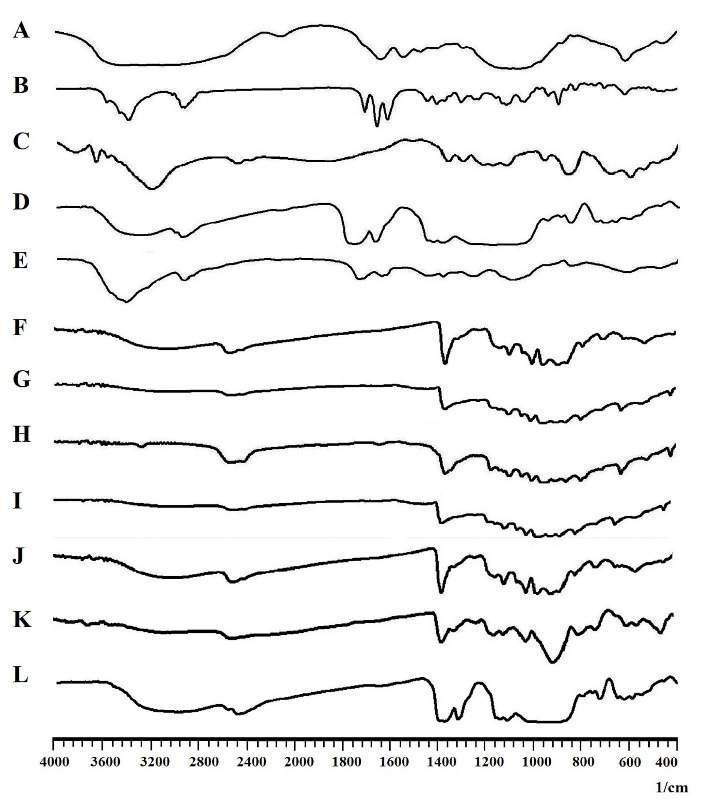
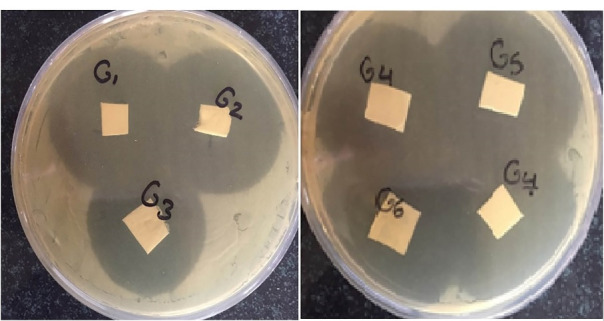
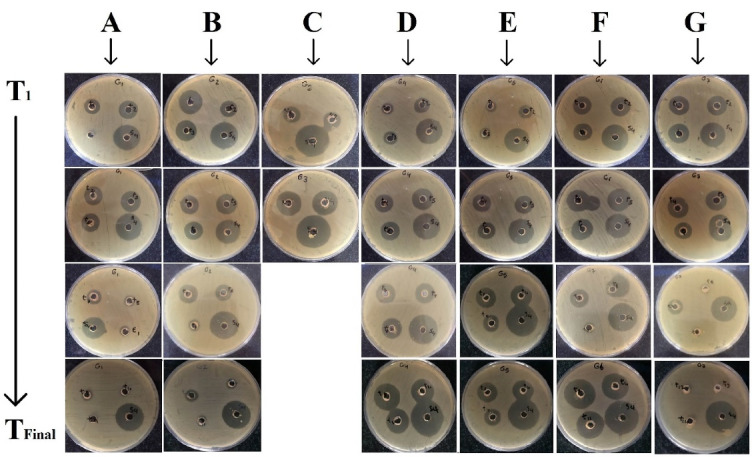
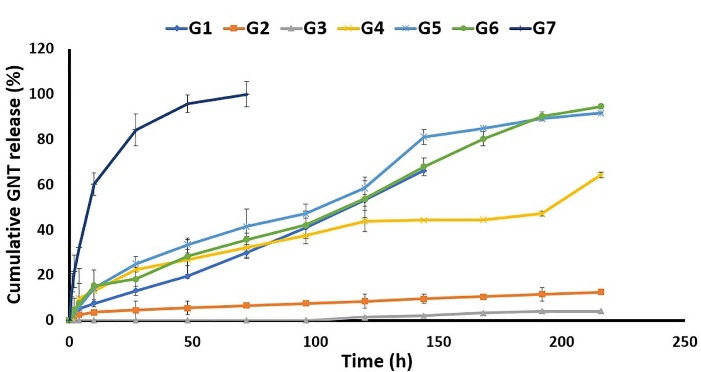
To overcome the challenges caused by the use of conventional ophthalmic dosage forms such as the fast elimination of the drug from the surface of the eye, in this study, dual drug-loaded nanofibers were developed for sustained ophthalmic delivery of gentamicin (GNT) and methylprednisolone (MP). Moreover, the solvent effects, polymer mixtures, and method of preparation on the release profile of the prepared nanofibers, were evaluated. The nanofibers were prepared using polycaprolactone (PCL), poly (lactic-co-glycolic acid) (PLGA), and polyvinyl alcohol (PVA) using electrospinning technique. Thereafter, seven optimized formulations were developed with different solvent mixtures and polymer concentrations using various electrospinning methods. The physicochemical and mechanical properties of nanofibers were also evaluated, and the morphology of formulations was observed. The antibacterial efficacy was investigated and the release amounts of GNT and MP from nanofibers were estimated using the bioassay and ultraviolet-visible (UV-Vis) spectroscopy. The developed G1, G4, G5, G6, and G7 had suitable mechanical properties and morphologies with diameter ranging between 70-350 nm. The 1:1 v/v ratio of DMF/DCM in the solvent mixture and using core-shell technique for the preparation, formed nanofibers with more favorable release profiles. The optimized formulations indicated sustained-release manner for both drugs during 3-9 days and the antibacterial efficacy against . Among all the prepared formulations, the nanofiber with core-shell structure possessed the best sustained-release profiles of GNT and MP. The obtained results suggest that these nanofibers have a potential to be used as an insert in the eye for long-term release of the drug.
为了克服使用传统眼科剂型所带来的挑战,比如药物从眼表快速消除的问题,在本研究中,制备了载有两种药物的纳米纤维,用于庆大霉素(GNT)和甲基泼尼松龙(MP)的眼部持续给药。此外,还评估了溶剂效应、聚合物混合物以及制备方法对所制备纳米纤维释放曲线的影响。采用静电纺丝技术,使用聚己内酯(PCL)、聚(乳酸-乙醇酸)共聚物(PLGA)和聚乙烯醇(PVA)制备纳米纤维。此后,使用各种静电纺丝方法,通过不同的溶剂混合物和聚合物浓度,开发了七种优化配方。还评估了纳米纤维的物理化学和机械性能,并观察了配方的形态。研究了抗菌效果,并使用生物测定法和紫外可见(UV-Vis)光谱法估算了纳米纤维中GNT和MP的释放量。所开发的G1、G4、G5、G6和G7具有合适的机械性能和形态,直径在70-350nm之间。溶剂混合物中DMF/DCM的体积比为1:1,并采用核壳技术进行制备,形成了具有更有利释放曲线的纳米纤维。优化后的配方表明,两种药物在3-9天内均呈现持续释放方式,并且对……具有抗菌效果。在所有制备的配方中,具有核壳结构的纳米纤维对GNT和MP具有最佳的持续释放曲线。所得结果表明,这些纳米纤维有潜力作为眼部植入物用于药物的长期释放。