Ongtanasup Tassanee, Wanmasae Smith, Srisang Siriwan, Manaspon Chawan, Net-Anong Soiphet, Eawsakul Komgrit
School of Medicine, Walailak University, Nakhon Si Thammarat 80160, Thailand.
Research Excellence Center for Innovation and Health Products (RECIHP), Walailak University, Nakhon Si Thammarat 80160, Thailand.
Saudi J Biol Sci. 2022 Sep;29(9):103389. doi: 10.1016/j.sjbs.2022.103389. Epub 2022 Jul 25.
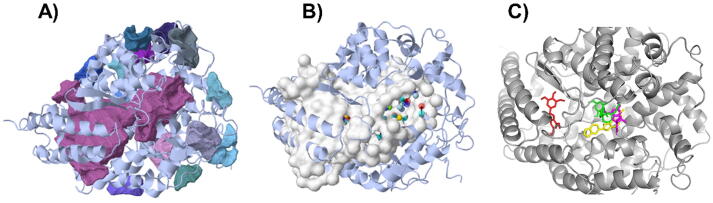
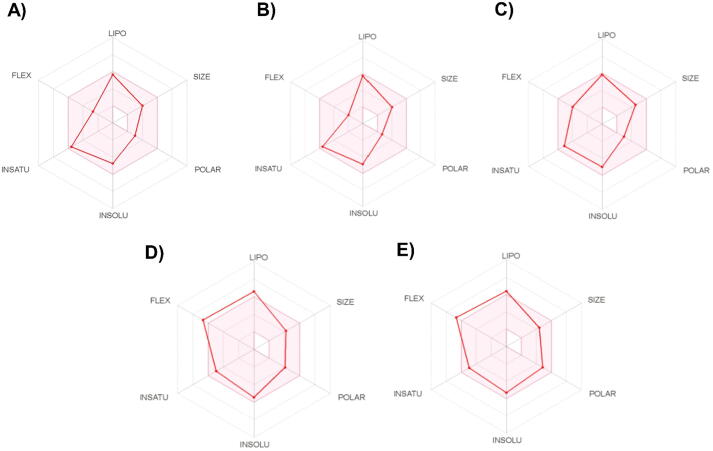
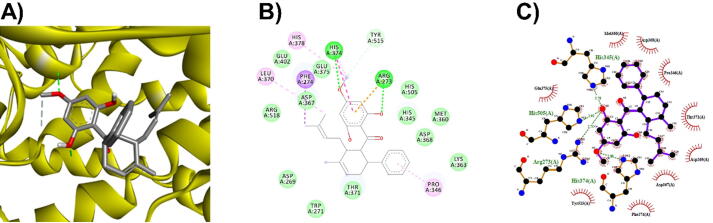
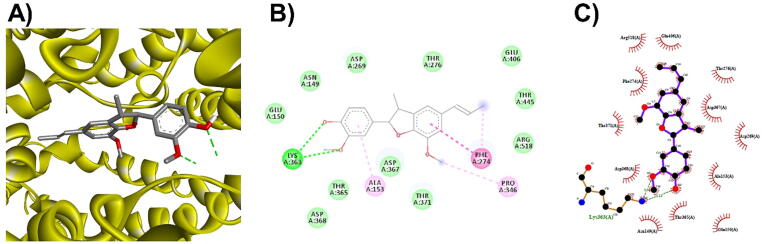
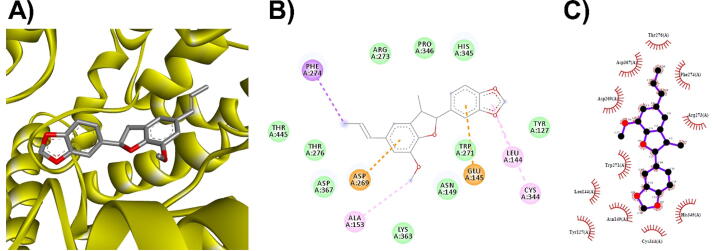
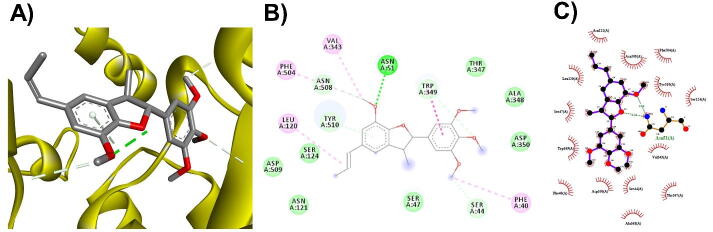
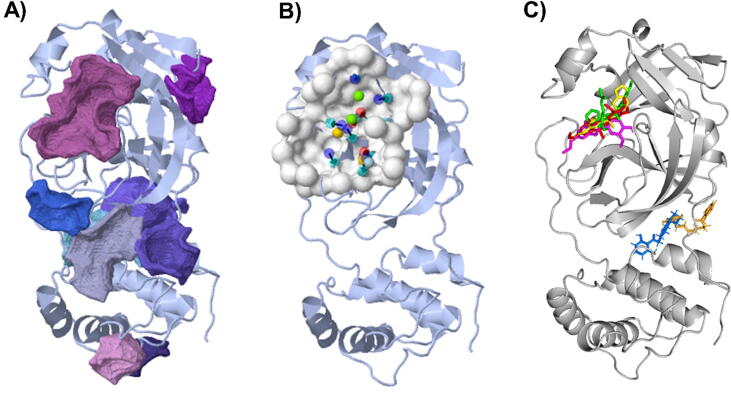
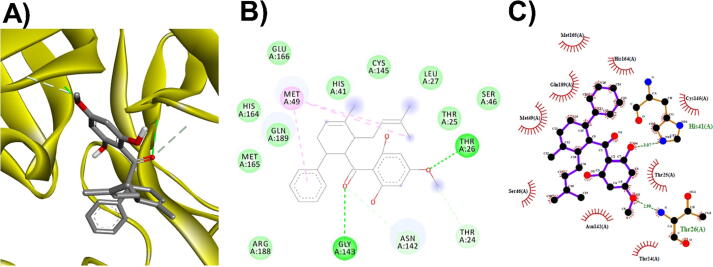
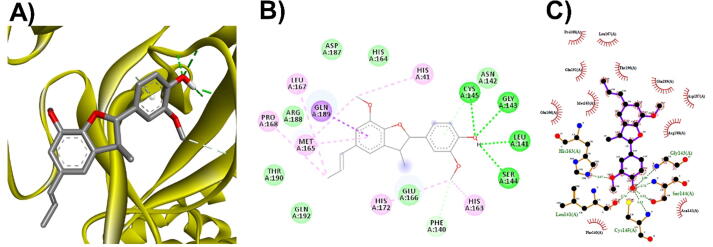
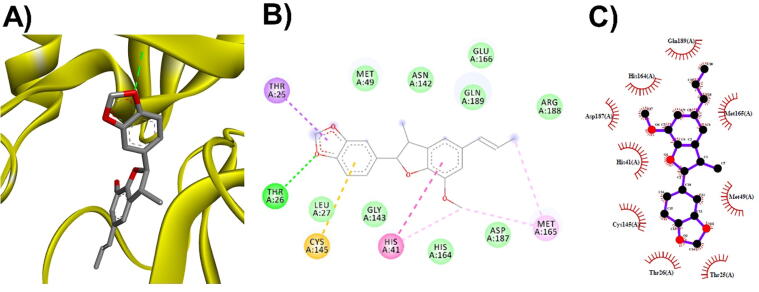
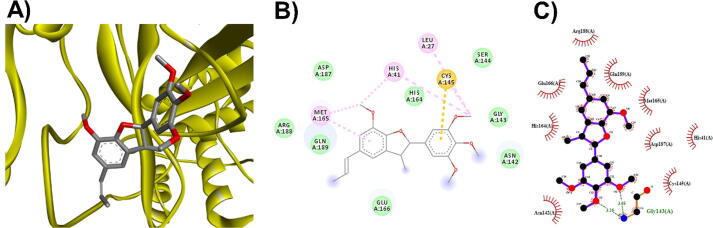
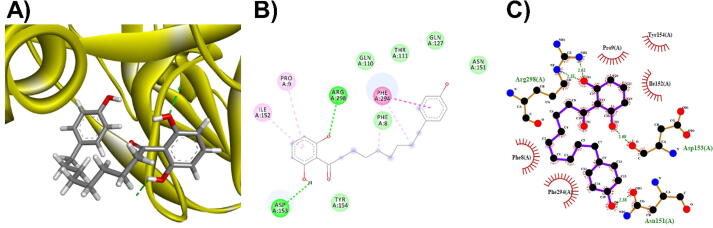
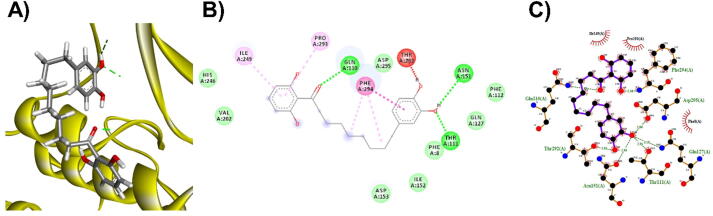
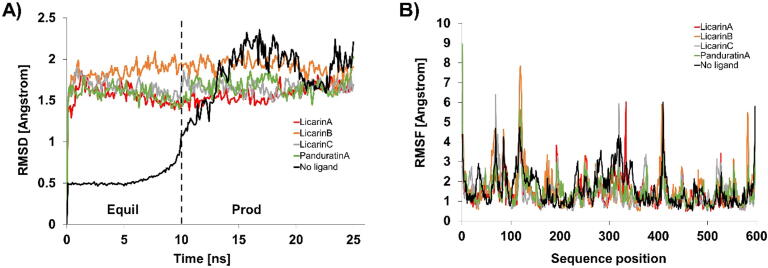
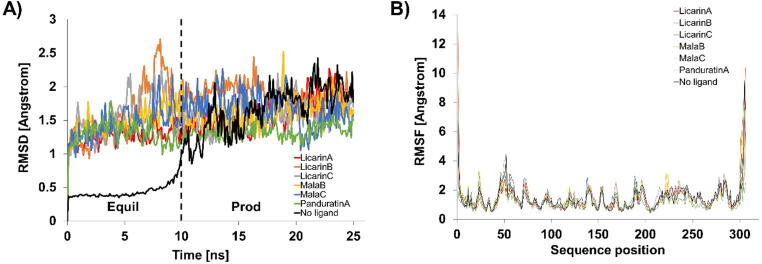
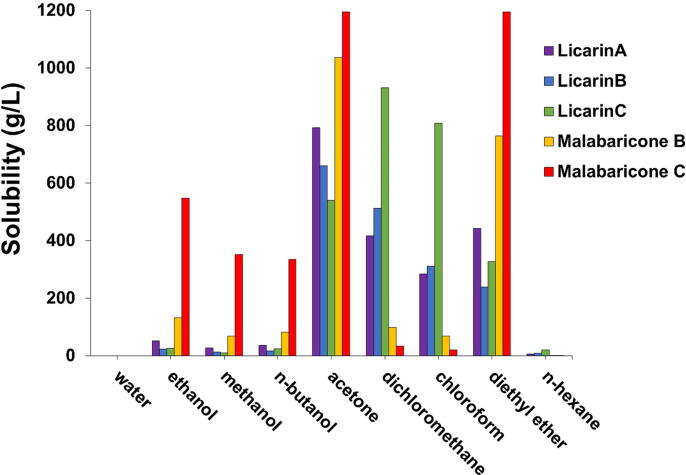
Severe acute respiratory syndrome coronavirus 2 (SARS-CoV-2), the virus that causes coronavirus disease 2019 (COVID-19), is a new coronavirus strain that was first reported in December 2019 in Wuhan, China. A specific treatment for COVID-19 has yet to be identified. Potential therapeutic targets include SARS-CoV-2 main protease (Mpro) and the SARS-CoV-2 spike-ACE2 interaction. Molecular docking, molecular dynamics (MD), solvent screening for the extraction of the specified compounds, and prediction of the drug properties of certain molecules were the methods used in this study to investigate compounds from the medicinal plant , which is one of twelve herbs in Prasachandaeng remedy (PSD). ArgusLab, AutoDock Vina, and AutoDock were used to perform docking tasks. The examined ligands were compared with panduratin A as a standard (Kanjanasirirat et al., 2020), which is a promising medicinal plant molecule for the treatment of COVID-19. Molecular docking revealed that malabaricones B and C and licarins A, B and C bound to SARS-CoV-2/ACE2 and SARS-CoV-2 Mpro with low binding energies compared to that of the standard ligand. Furthermore, appropriate solvent usage is important. Acetone was selected by COSMOquick software for compound extraction in this investigation because it can extract large amounts of all five of the abovementioned compounds. Furthermore, the drug-like properties of these compounds were studied utilizing the Lipinski, Veber, and Ghose criteria. The results revealed that these compounds have potential as effective medicines to combat the COVID-19 pandemic. However, to assess the therapeutic potential of these ligands, additional research is needed, which will use our findings as a foundation.
严重急性呼吸综合征冠状病毒2(SARS-CoV-2)是导致2019冠状病毒病(COVID-19)的病毒,是一种新型冠状病毒株,于2019年12月首次在中国武汉报告。目前尚未确定COVID-19的特效治疗方法。潜在的治疗靶点包括SARS-CoV-2主要蛋白酶(Mpro)和SARS-CoV-2刺突蛋白与血管紧张素转换酶2(ACE2)的相互作用。本研究采用分子对接、分子动力学(MD)、用于提取特定化合物的溶剂筛选以及某些分子的药物性质预测等方法,研究了一种药用植物中的化合物,该植物是Prasachandaeng疗法(PSD)中的十二种草药之一。使用ArgusLab、AutoDock Vina和AutoDock进行对接任务。将检测的配体与作为标准的潘杜拉亭A(Kanjanasirirat等人,2020年)进行比较,潘杜拉亭A是一种有前景的用于治疗COVID-19的药用植物分子。分子对接显示,与标准配体相比,马拉巴酮B和C以及甘草素A、B和C以低结合能与SARS-CoV-2/ACE2和SARS-CoV-2 Mpro结合。此外,适当使用溶剂很重要。在本研究中,COSMOquick软件选择丙酮用于化合物提取,因为它可以提取上述所有五种化合物的大量成分。此外,利用Lipinski、Veber和Ghose标准研究了这些化合物的类药性质。结果表明,这些化合物有潜力成为对抗COVID-19大流行的有效药物。然而,要评估这些配体的治疗潜力,还需要进一步的研究,将以我们的研究结果为基础。