Gill Rajwinder, Meghrajani Vineet
Department of Internal Medicine, Icahn School of Medicine at Mount Sinai Beth Israel, New York, USA.
Department of Cardiovascular Medicine, Icahn School of Medicine at Mount Sinai Beth Israel, New York, USA.
Cureus. 2022 Jul 5;14(7):e26583. doi: 10.7759/cureus.26583. eCollection 2022 Jul.
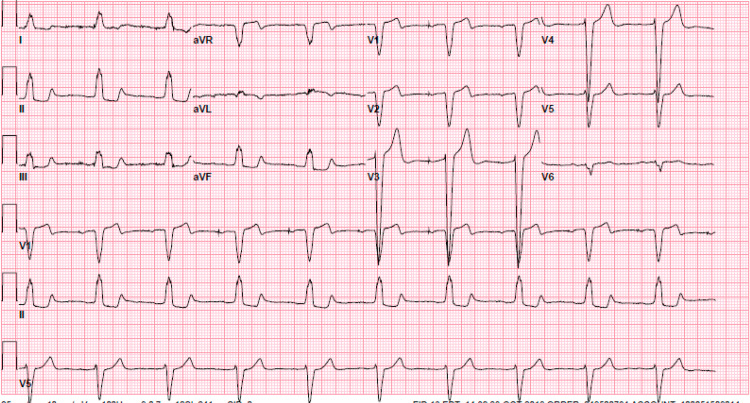
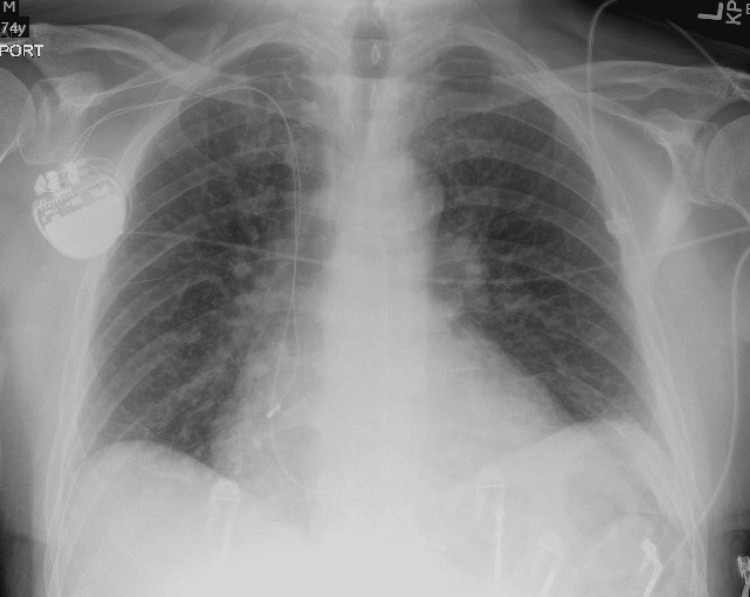
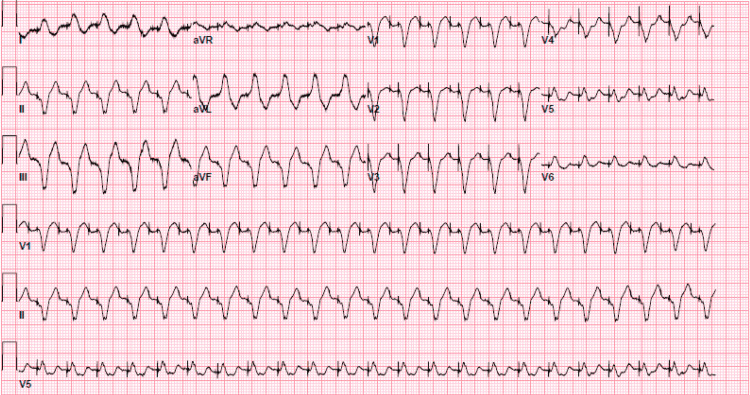
Pacemakers respond to the physical activity of patients by increasing the heart rate to compensate for the increased demand. They sense the physical activity of the patient with the help of different types of sensors that work with different mechanisms. In this case, we are presenting a 74-year-old male who was experiencing intermittent chest pain and palpitations. Following interrogation, he was found to have atrial paced tachycardias due to a tracking of the atrial tachycardia.
起搏器通过提高心率来应对患者的身体活动,以补偿增加的需求。它们借助不同机制工作的各类传感器感知患者的身体活动。在此案例中,我们介绍一位74岁男性,他曾间歇性胸痛和心悸。经问询,发现他因心房心动过速的跟踪而出现心房起搏性心动过速。