Natural Resources Institute Finland (Luke), Yliopistokatu 6 B, Joensuu 80100, Finland.
School of Forest Sciences, University of Eastern Finland, Yliopistokatu 7, 80100 Joensuu, Finland.
Tree Physiol. 2022 Dec 12;42(12):2502-2520. doi: 10.1093/treephys/tpac093.
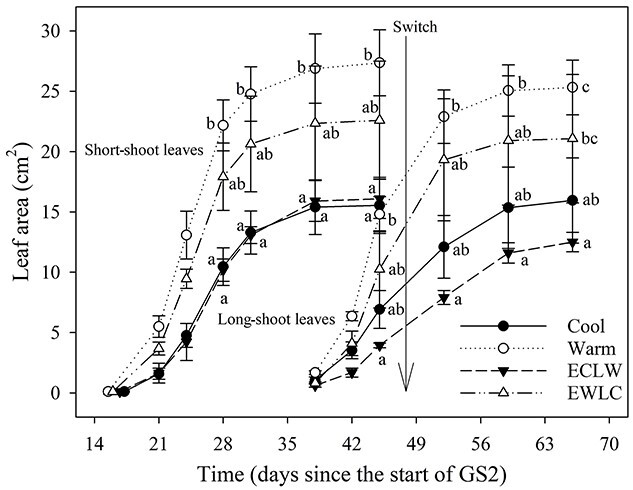
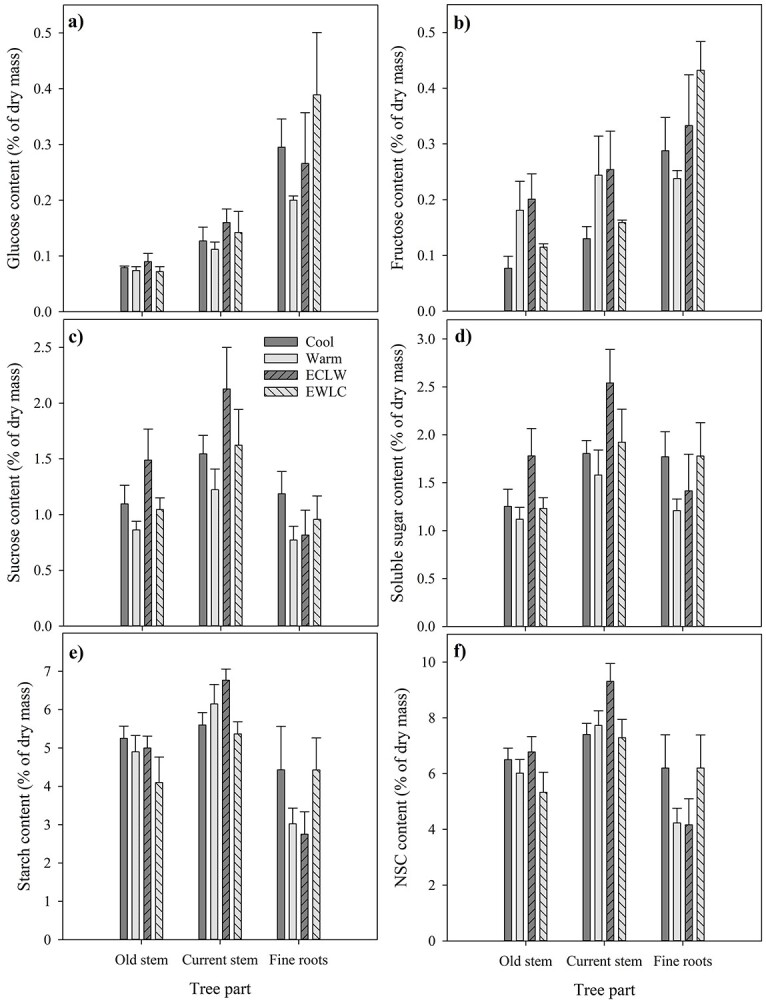
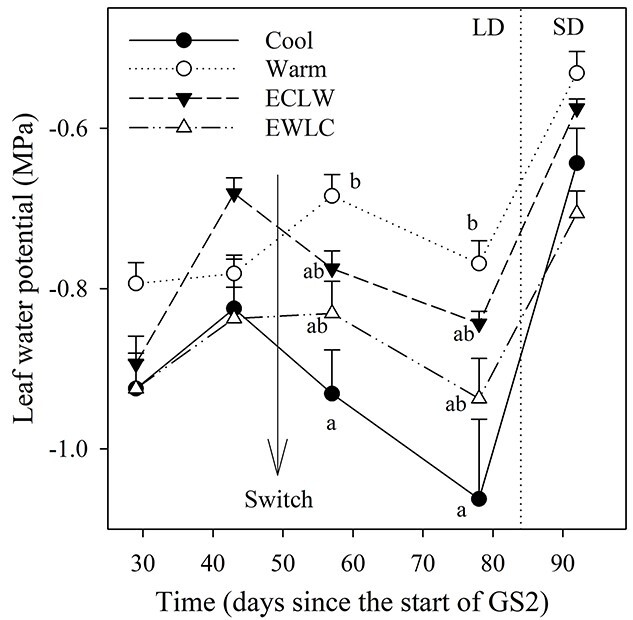
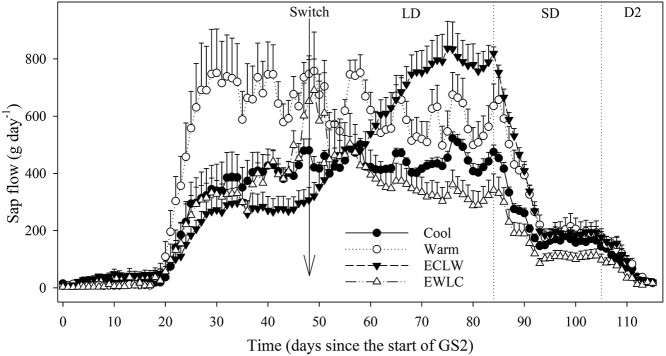
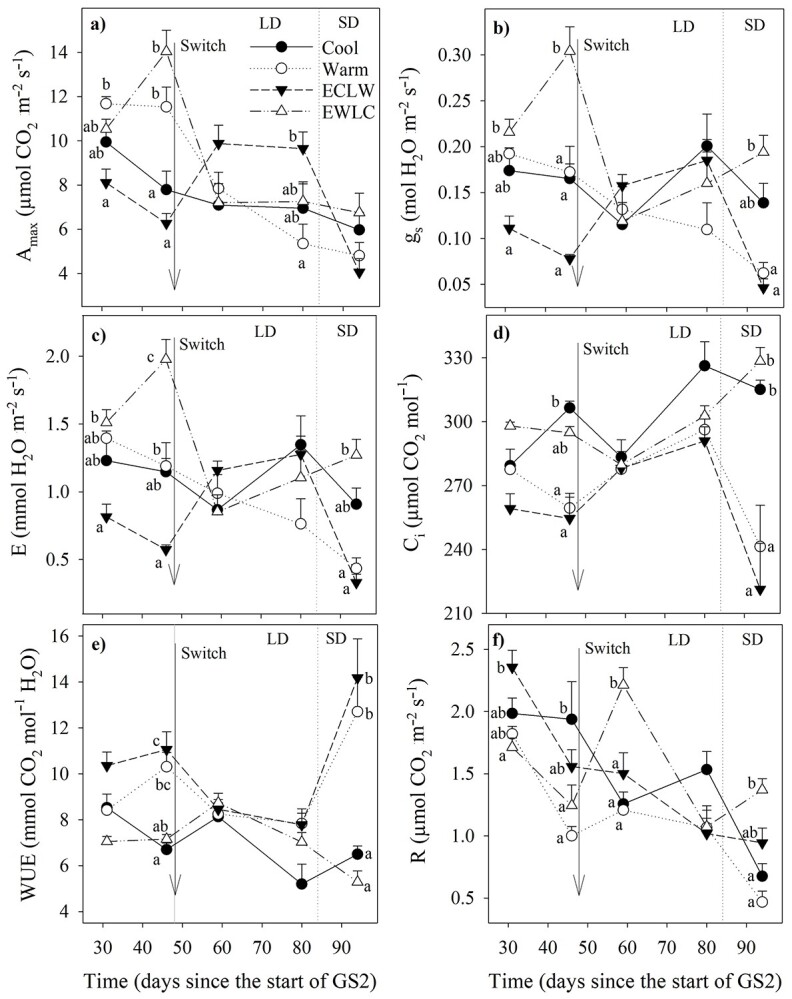
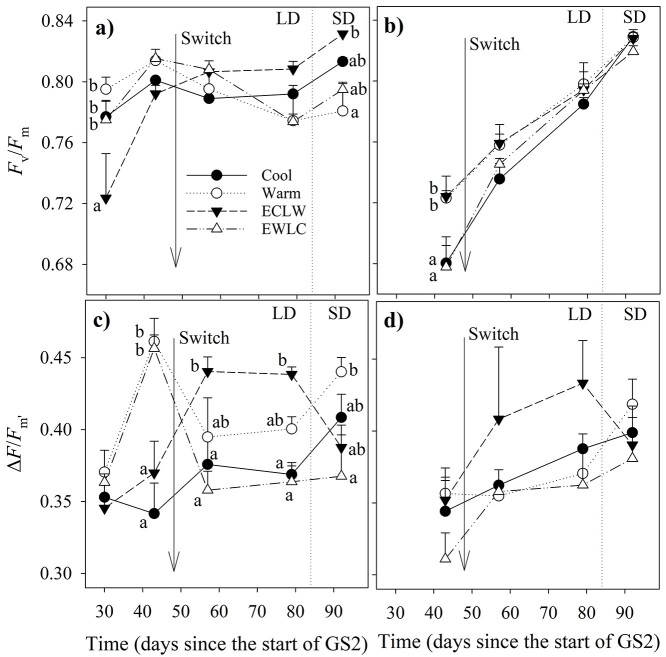
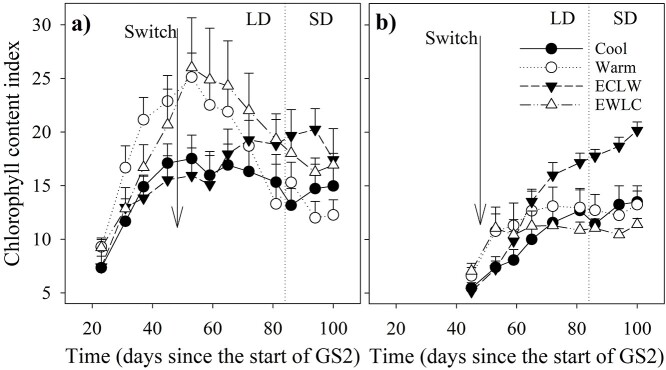
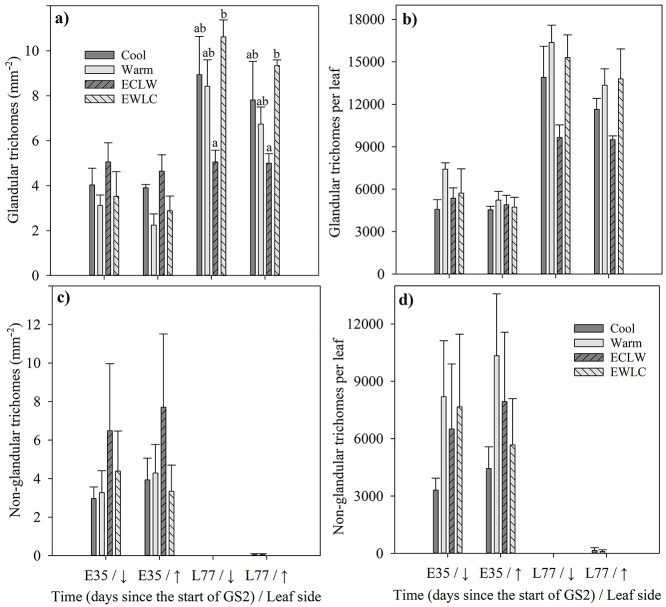
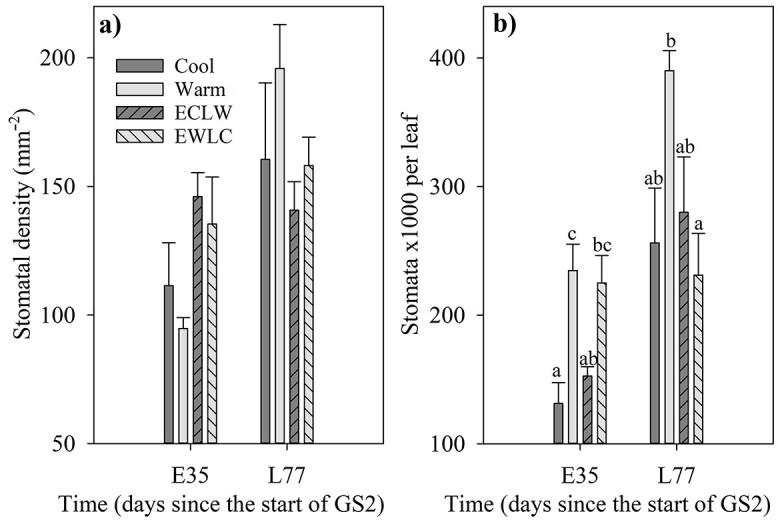
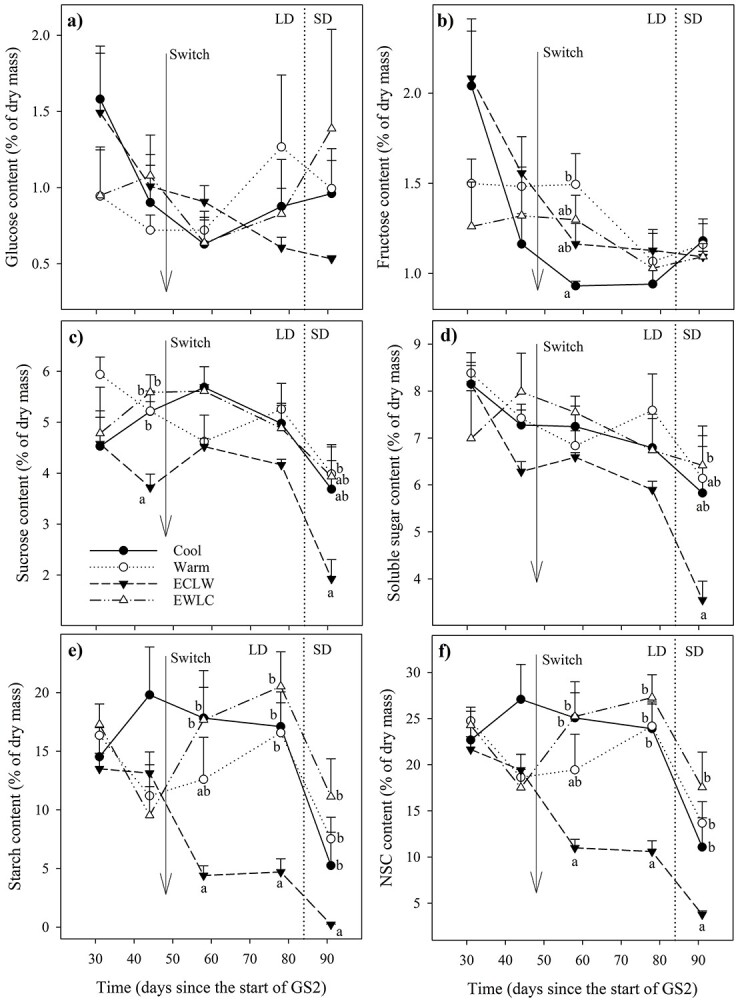
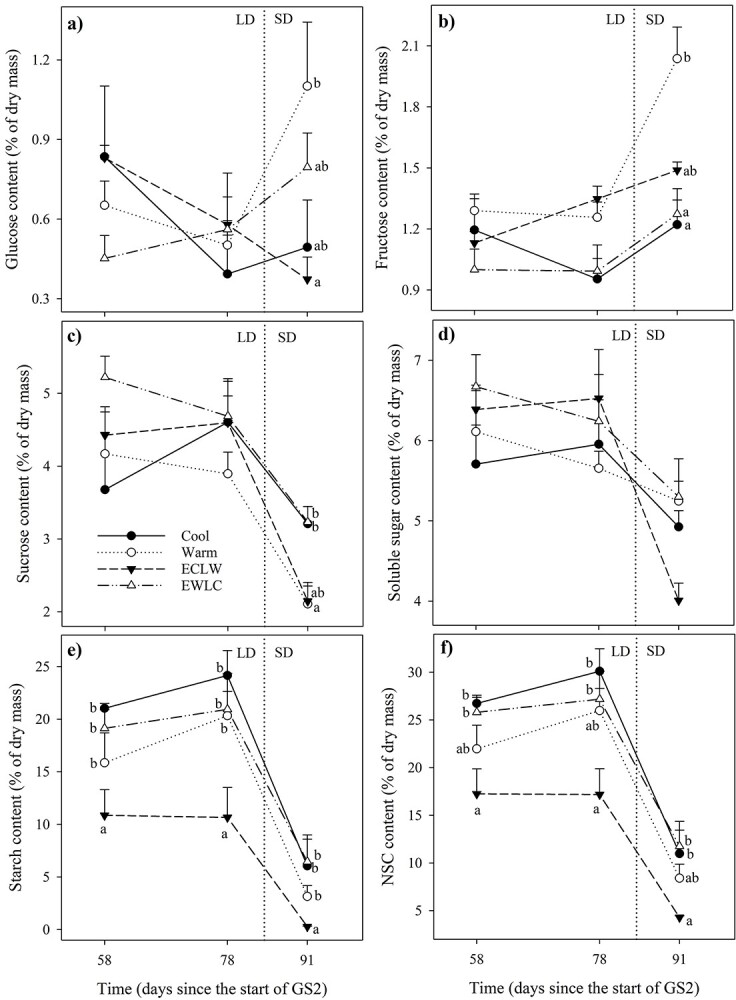
The aboveground parts of boreal forest trees grow earlier in the growing season, the roots mostly later. The idea was to examine whether root growth followed soil temperature, or whether shoot growth also demanded most resources in the early growing season (soil temperature vs internal sink strengths for resources). The linkage between air and soil temperature was broken by switching the soil temperature. We aimed here to identify the direct effects of different soil temperature patterns on physiology, leaf anatomy and their interactions, and how they relate to the control of the growth dynamics of silver birch (Betula pendula Roth). Sixteen 2-year-old seedlings were grown in a controlled environment for two 14-week simulated growing seasons (GS1, GS2). An 8-week dormancy period interposed the GSs. In GS2, soil temperature treatments were applied: constant 10 °C (Cool), constant 18 °C (Warm), early growing season at 10 °C switched to 18 °C later (Early Cool Late Warm) and 18 °C followed by 10 °C (Early Warm Late Cool) were applied during GS2. The switch from cool to warm enhanced the water status, net photosynthesis, chlorophyll content index, effective yield of photosystem II (ΔF/Fm') and leaf expansion of the seedlings. Warm treatment increased the stomatal number per leaf. In contrast, soil cooling increased glandular trichomes. This investment in increasing the chemical defense potential may be associated with the decreased growth in cool soil. Non-structural carbohydrates were accumulated in leaves at a low soil temperature showing that growth was more hindered than net photosynthesis. Leaf anatomy differed between the first and second leaf flush of silver birch, which may promote tree fitness in the prevailing growing conditions. The interaction of birch structure and function changes with soil temperature, which can further reflect to ecosystem functioning.
北方森林树木的地上部分在生长季早期生长得更早,而根系则大多在后期。研究的目的是检验根的生长是否取决于土壤温度,或者是否在早期生长季中,芽的生长也需要大量的资源(土壤温度与资源的内部吸收能力)。通过切换土壤温度来打破空气和土壤温度之间的联系。我们的目的是确定不同土壤温度模式对生理、叶片解剖结构及其相互作用的直接影响,以及它们如何与银桦(Betula pendula Roth)生长动态的控制有关。16 株 2 年生幼苗在控制环境中生长了两个 14 周的模拟生长季(GS1、GS2)。GS 之间插入了 8 周的休眠期。在 GS2 中,应用了土壤温度处理:10°C(冷)、18°C(暖)恒定、早期生长季的 10°C 切换到后期的 18°C(早冷晚暖)和 18°C 后 10°C(早暖晚冷)。从凉爽到温暖的转变提高了幼苗的水分状况、净光合作用、叶绿素含量指数、光合系统 II 的有效产量(ΔF/Fm')和叶片扩展。温暖的处理增加了每片叶子的气孔数量。相比之下,土壤冷却增加了腺毛。这种增加化学防御潜力的投资可能与在凉爽土壤中生长减少有关。非结构性碳水化合物在低温下积累在叶片中,表明生长受到的抑制比净光合作用更大。银桦的第一次和第二次叶展之间的叶片解剖结构不同,这可能会促进树木在当前生长条件下的适应性。桦木结构和功能的相互作用随土壤温度而变化,这可以进一步反映到生态系统功能上。