Department of Pharmacology and Toxicology, Faculty of Pharmacy, Ain Shams University, Cairo, Egypt.
Inflammopharmacology. 2022 Dec;30(6):2197-2209. doi: 10.1007/s10787-022-01045-4. Epub 2022 Aug 10.
Multiple sclerosis (MS) is a demyelinating neurodegenerative inflammatory disease affecting mainly young adults. Microgliosis-derived neuroinflammation represents a key hallmark in MS pathology and progression. Nebivolol (Neb) demonstrated antioxidant, anti-inflammatory and neuroprotective properties in several brain pathologies. This study was conducted to investigate the potential neuroprotective effect of Neb in the cuprizone (Cup) model of MS.
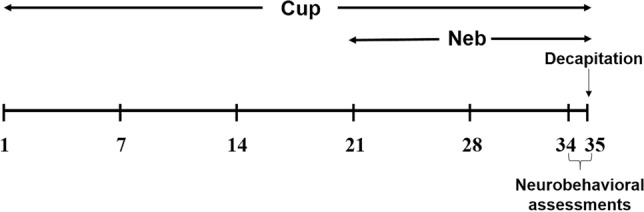
C57Bl/6 mice were fed 0.2% Cup mixed into rodent chow for 5 weeks. Neb (5 and 10 mg/kg/day) was administered by oral gavage during the last 2 weeks.
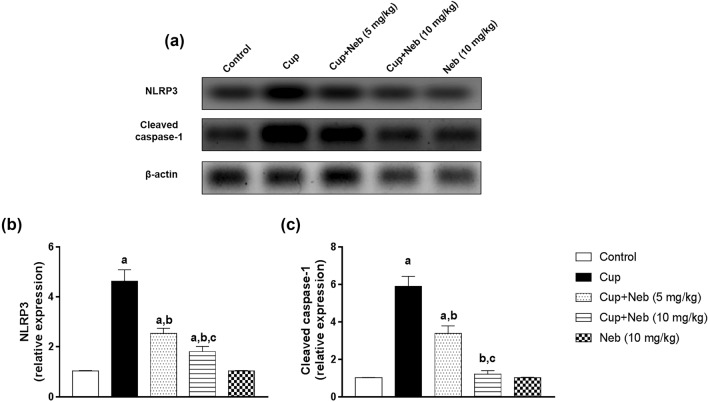
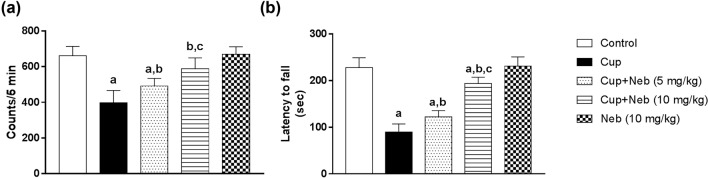
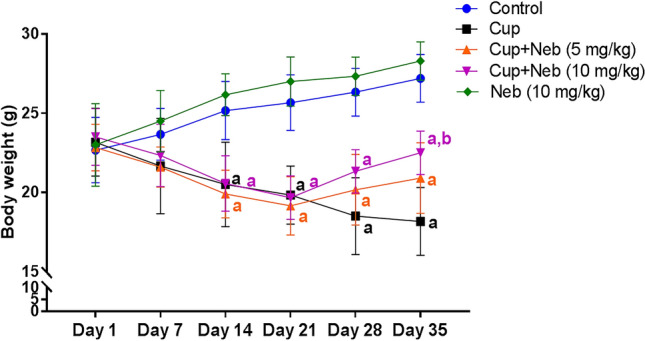
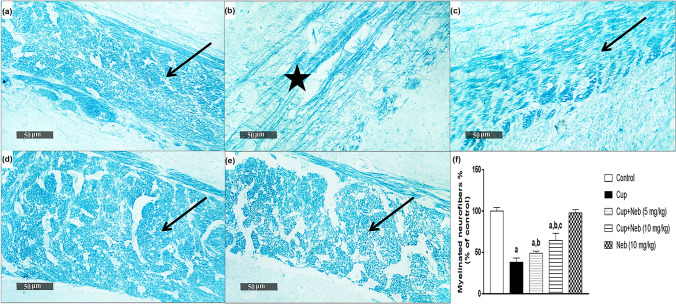
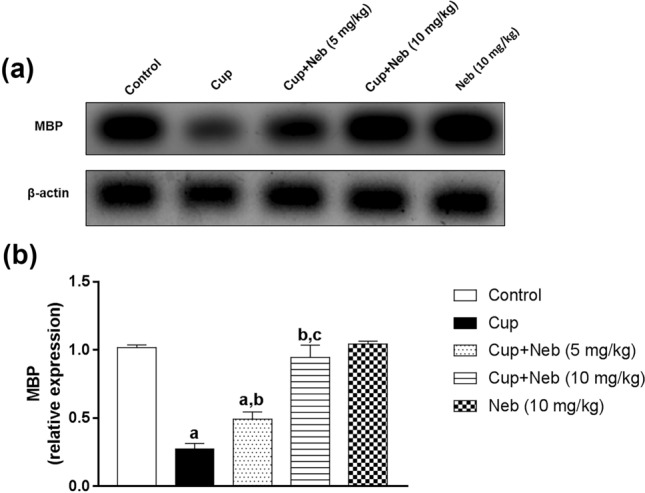
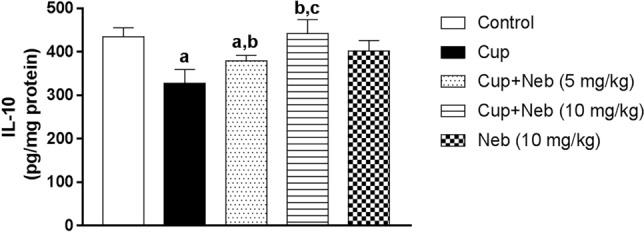
Neb prevented Cup-induced weight loss and motor deficits as evidenced by increased latency to fall in the rotarod test and enhanced locomotor activity as compared to Cup-intoxicated mice. Neb reversed Cup-induced demyelination as confirmed by Luxol fast blue staining and myelin basic protein western blotting. Administration of Neb modulated microglial activation status by suppressing M1 markers (Iba-1, CD86, iNOS, NO and TNF-α) and increasing M2 markers (Arg-1 and IL-10) as compared to Cup-fed mice. Furthermore, Neb hindered NLRP3/caspase-1/IL-18 inflammatory cascade and alleviated oxidative stress by reducing lipid peroxidation, as well as increasing catalase and superoxide dismutase activities.
These findings suggest the potential neuroprotective effect of Neb in the Cup-induced model of MS in mice, at least partially by virtue of shifting microglia towards M2 phenotype, mitigation of NLRP3 inflammasome activation and alleviation of oxidative stress.
多发性硬化症(MS)是一种脱髓鞘神经退行性炎症性疾病,主要影响年轻人。小胶质细胞源性神经炎症是 MS 病理和进展的一个关键标志。比索洛尔(Neb)在几种脑部疾病中表现出抗氧化、抗炎和神经保护作用。本研究旨在探讨 Neb 在 MS 的杯状醇(Cup)模型中的潜在神经保护作用。
C57Bl/6 小鼠喂食 0.2% Cup 混合在啮齿动物饲料中 5 周。Neb(5 和 10mg/kg/天)在最后 2 周通过口服灌胃给药。
与 Cup 中毒小鼠相比,Neb 预防了 Cup 诱导的体重减轻和运动功能障碍,表现在旋转棒测试中潜伏期延长和运动活性增强。Neb 通过卢索快速蓝染色和髓鞘碱性蛋白 Western 印迹证实逆转了 Cup 诱导的脱髓鞘。与 Cup 喂养的小鼠相比,Neb 调节小胶质细胞激活状态,抑制 M1 标志物(Iba-1、CD86、iNOS、NO 和 TNF-α),增加 M2 标志物(Arg-1 和 IL-10)。此外,Neb 抑制 NLRP3/caspase-1/IL-18 炎症级联反应,并通过降低脂质过氧化、增加过氧化氢酶和超氧化物歧化酶活性来减轻氧化应激。
这些发现表明 Neb 在 Cup 诱导的 MS 小鼠模型中具有潜在的神经保护作用,至少部分是通过将小胶质细胞向 M2 表型转变、减轻 NLRP3 炎症小体激活和减轻氧化应激来实现的。