Ebrahimian Mahboubeh, Hashemi Maryam, Etemad Leila, Salmasi Zahra
Nanotechnology Research Center, Pharmaceutical Technology Institute, Mashhad University of Medical Sciences, Mashhad, Iran.
Department of Pharmaceutical Biotechnology, School of Pharmacy, Mashhad University of Medical Sciences, Mashhad, Iran.
Iran J Basic Med Sci. 2022 Jun;25(6):723-731. doi: 10.22038/IJBMS.2022.64092.14116.
Exosomes became the subject of extensive research in drug delivery approach due to their potential applicability as therapeutic tools for cancer therapy. Thymoquinone (Tq) is an anti-cancer agent due to its great anti-proliferative effect. However, poor solubility and weak bioavailability restrict its therapeutic applications. In this study, exosomes secreted from human adipocyte-derived mesenchymal stem cells (AdMSCs) were isolated and the efficacy of a novel encapsulation method for loading of Tq was investigated. Finally, the cytotoxic effect of Tq incorporated exosomes against cancer cells was evaluated.
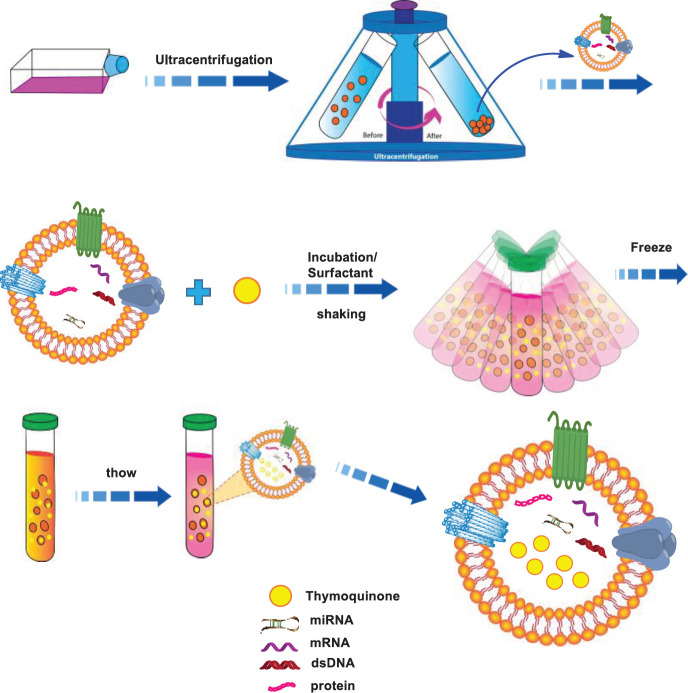
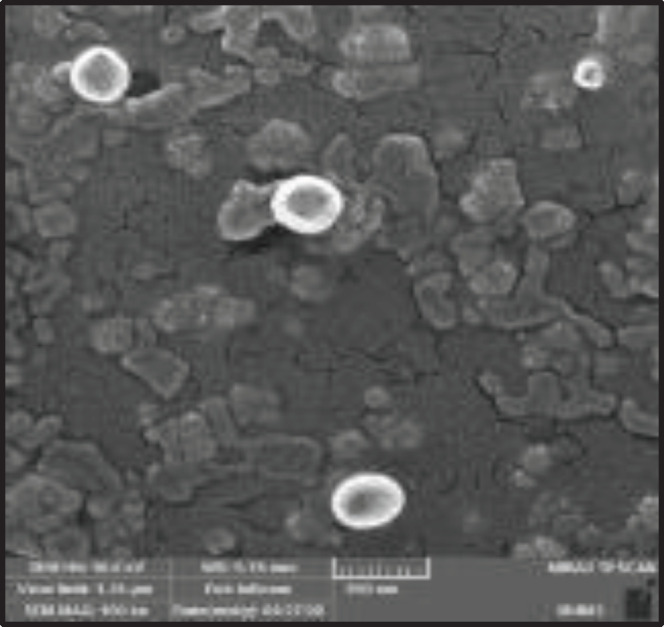
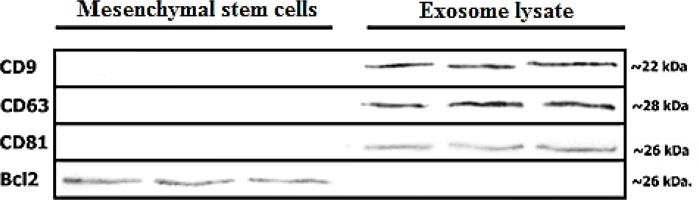
Exosomes secreted from AdMSCs were isolated via ultracentrifugation and characterized by electron microscopy and western blotting. Then, through a novel encapsulation approach, Tq was loaded into exosomes by the combination of three methods including incubation, freeze-thawing, and surfactant treatment. Then, the encapsulation efficiency, in vitro cellular uptake, and cytotoxicity of Tq incorporated exosomes (Tq@EXOs) in MCF7 and L929 cells were estimated.
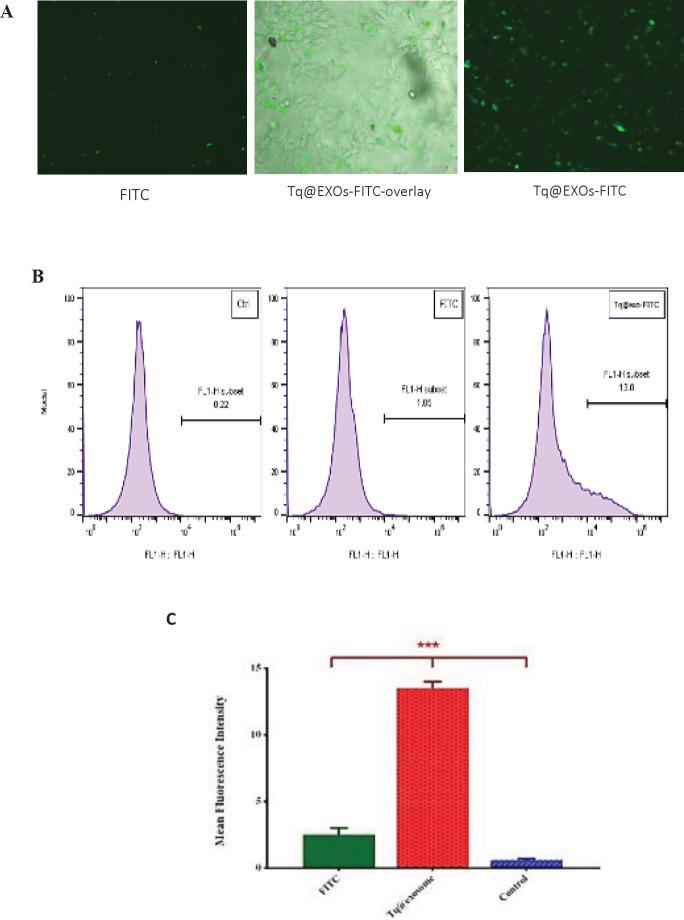
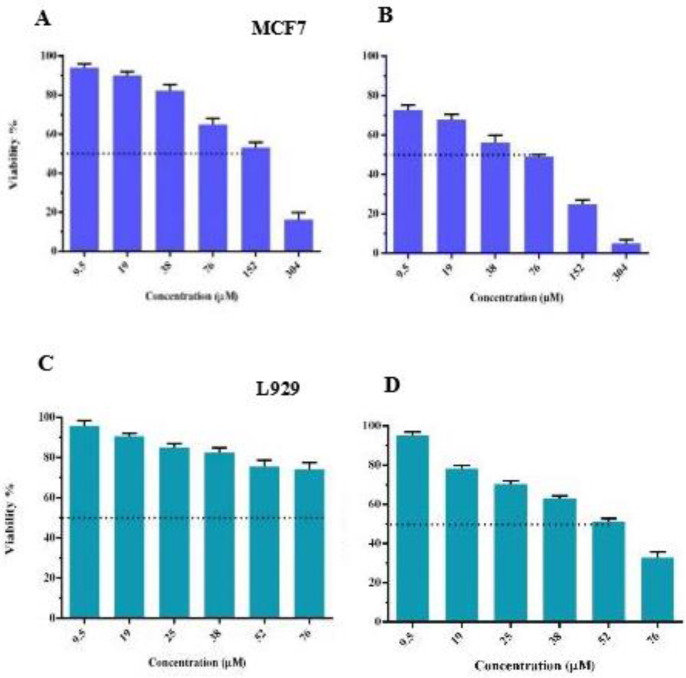
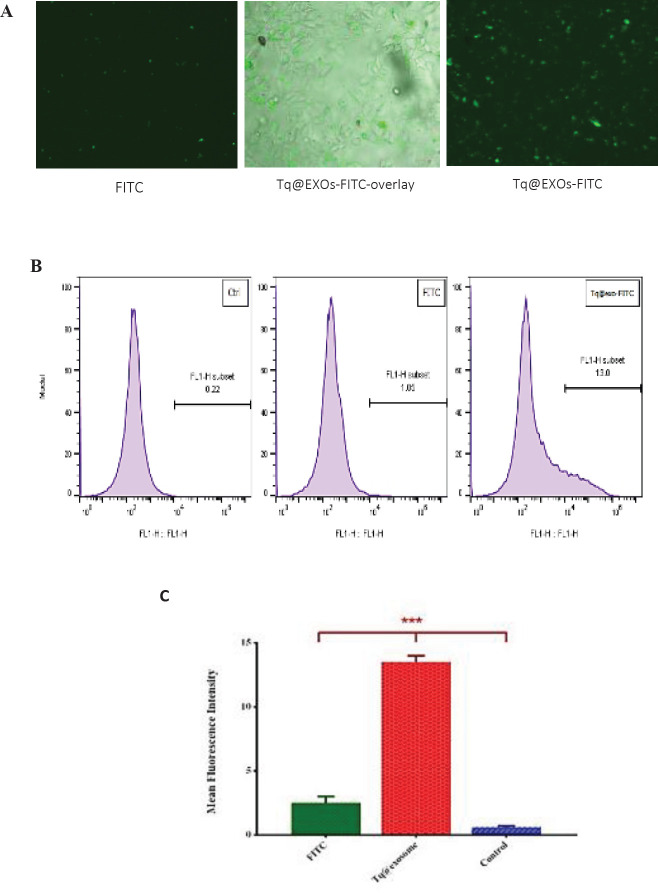
Tq loading into exosomes through our novel method caused a significant improvement in encapsulation efficiency of about 60%. The fluorescent microscopy and flow cytometry outcomes indicated the efficient uptake of Tq@EXOs-FITC by cells throughout 4 hr. Furthermore, MTT results displayed the ability of Tq@EXOs in effectively decreasing the cell viability of MCF7 without causing any obvious cytotoxicity on L929 as normal cells.
The results suggest that our approach provides effective loading of Tq into exosomes which offer a valuable and safe platform for drug delivery to cancer cells thus having a great potential for clinical studies.
外泌体因其作为癌症治疗的治疗工具的潜在适用性,成为药物递送方法中广泛研究的对象。百里醌(Tq)由于其强大的抗增殖作用而成为一种抗癌剂。然而,其溶解度差和生物利用度低限制了其治疗应用。在本研究中,分离了人脂肪来源间充质干细胞(AdMSCs)分泌的外泌体,并研究了一种新型包封方法加载Tq的效果。最后,评估了Tq包载外泌体对癌细胞的细胞毒性作用。
通过超速离心分离AdMSCs分泌的外泌体,并通过电子显微镜和蛋白质免疫印迹进行表征。然后,通过一种新型包封方法,将Tq通过孵育、冻融和表面活性剂处理三种方法联合加载到外泌体中。然后,估计了Tq包载外泌体(Tq@EXOs)在MCF7和L929细胞中的包封效率、体外细胞摄取和细胞毒性。
通过我们的新方法将Tq加载到外泌体中,使包封效率显著提高了约60%。荧光显微镜和流式细胞术结果表明,Tq@EXOs-FITC在4小时内被细胞有效摄取。此外,MTT结果显示Tq@EXOs能够有效降低MCF7的细胞活力,而对作为正常细胞的L929没有引起任何明显的细胞毒性。
结果表明,我们的方法能有效地将Tq加载到外泌体中,为向癌细胞递送药物提供了一个有价值且安全的平台,因此在临床研究中具有巨大潜力。