Fu Xiao-Hui, Hu Yu-Hui, Liao Jian-Xiang, Chen Li, Hu Zhan-Qi, Wen Jia-Lun, Chen Shu-Li
Department of Inherited Metabolic Disorders, The Affiliated Hospital of China Medical University and Shenzhen Children's Hospital, Shenzhen 518038, Guangdong Province, China.
Department of Neurology, The Affiliated Hospital of China Medical University and Shenzhen Children's Hospital, Shenzhen 518038, Guangdong Province, China.
World J Clin Cases. 2022 Jun 26;10(18):6156-6162. doi: 10.12998/wjcc.v10.i18.6156.
Ornithine transcarbamylase deficiency (OTCD) is an X-linked inherited disorder and characterized by marked elevation of blood ammonia. The goal of treatment is to minimize the neurological damage caused by hyperammonemia. OTCD can be cured by liver transplantation (LT). Post-transplant patients can discontinue anti- hyperammonemia agents and consume a regular diet without the risk of developing hyperammonemia. The neurological damage caused by hyperammonemia is almost irreversible.
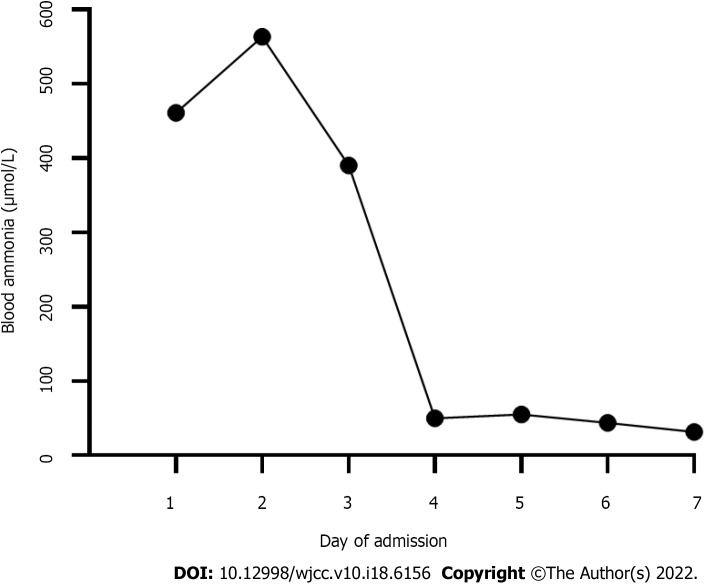
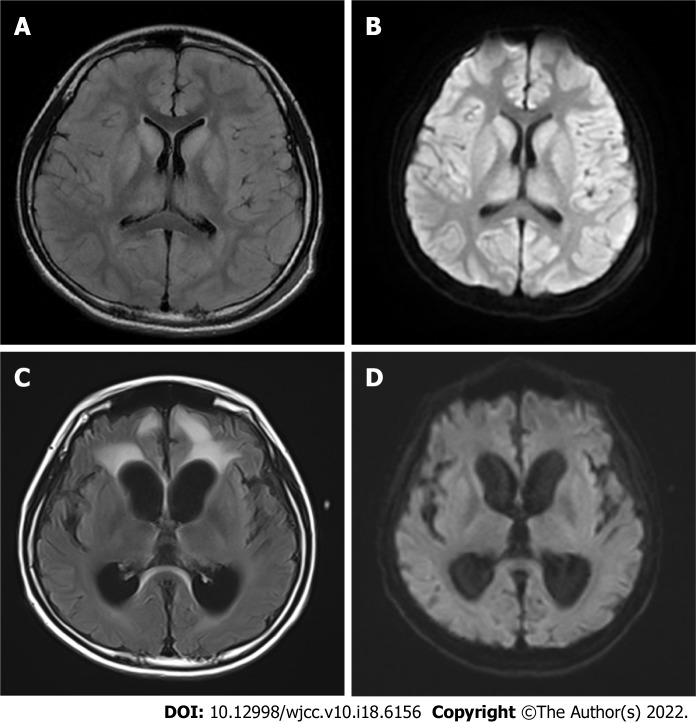
An 11.7-year-old boy presented with headache, vomiting, and altered consciousness. The patient was diagnosed with late-onset OTCD. After nitrogen scavenging treatment and a protein-free diet, ammonia levels were reduced to normal on the third day of admission. Nevertheless, the patient remained in a moderate coma. After discussion, LT was performed. Following LT, the patient's blood ammonia and biochemical indicators stabilized in the normal range, he regained consciousness, and his nervous system function significantly recovered. Two months after LT, blood amino acids and urine organic acids were normal, and brain magnetic resonance imaging showed a decrease in subcortical lesions.
LT can significantly improve partial neurological impairment caused by late-onset OTCD hyperammonemic encephalopathy, and LT can be actively considered when early drug therapy is ineffective.
鸟氨酸转氨甲酰酶缺乏症(OTCD)是一种X连锁遗传性疾病,其特征为血氨显著升高。治疗的目标是将高氨血症所致的神经损伤降至最低。OTCD可通过肝移植(LT)治愈。移植后患者可停用抗高氨血症药物并正常饮食,而不会有发生高氨血症的风险。高氨血症所致的神经损伤几乎不可逆转。
一名11.7岁男孩出现头痛、呕吐及意识改变。该患者被诊断为迟发性OTCD。经过排氮治疗及无蛋白饮食,入院第三天血氨水平降至正常。然而,患者仍处于中度昏迷状态。经讨论后,实施了肝移植。肝移植后,患者的血氨及生化指标稳定在正常范围,意识恢复,神经系统功能明显恢复。肝移植后两个月,血氨基酸及尿有机酸正常,脑磁共振成像显示皮质下病变减少。
肝移植可显著改善迟发性OTCD高氨血症性脑病所致的部分神经功能损害,早期药物治疗无效时可积极考虑肝移植。