Torres Cesar, Gonzalez Claudia I, Martinez Gabriela E
Tijuana Institute of Technology/TECNM, Tijuana 22414, Mexico.
Sensors (Basel). 2022 Aug 7;22(15):5892. doi: 10.3390/s22155892.
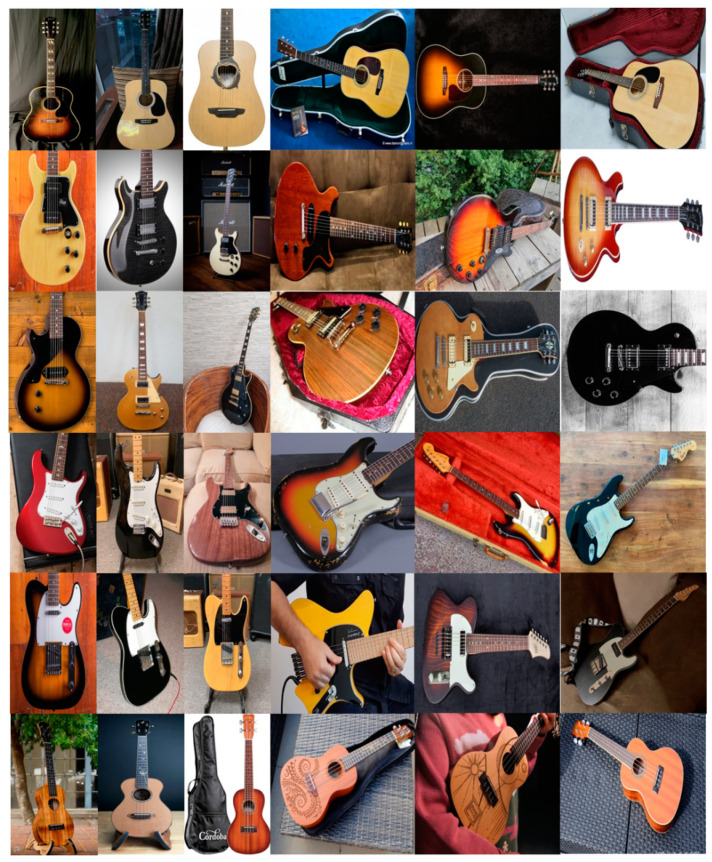
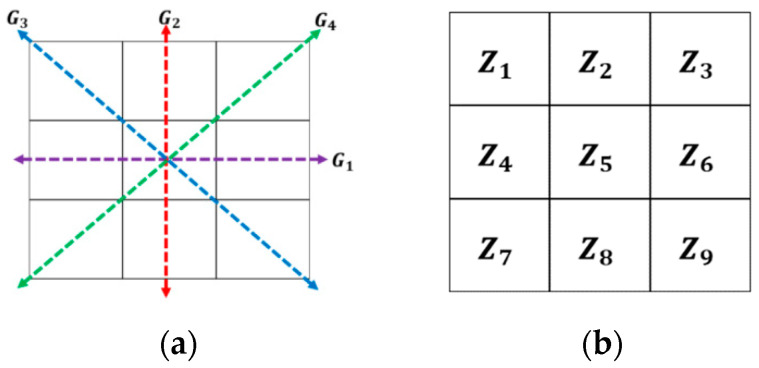
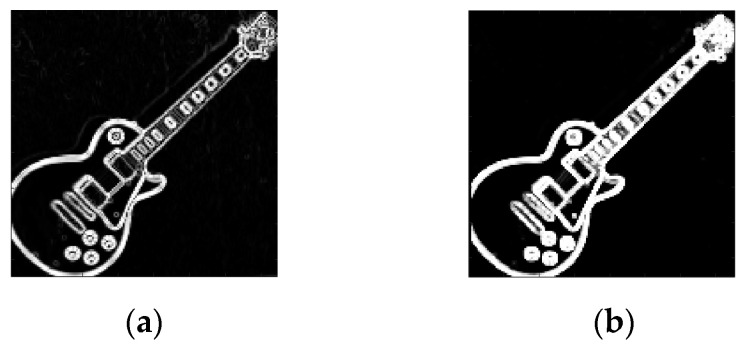
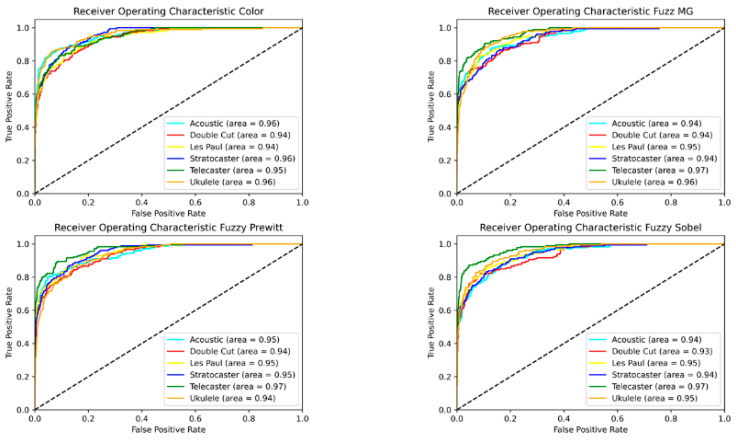
Deep neural networks have demonstrated the capability of solving classification problems using hierarchical models, and fuzzy image preprocessing has proven to be efficient in handling uncertainty found in images. This paper presents the combination of fuzzy image edge-detection and the usage of a convolutional neural network for a computer vision system to classify guitar types according to their body model. The focus of this investigation is to compare the effects of performing image-preprocessing techniques on raw data (non-normalized images) with different fuzzy edge-detection methods, specifically fuzzy Sobel, fuzzy Prewitt, and fuzzy morphological gradient, before feeding the images into a convolutional neural network to perform a classification task. We propose and compare two convolutional neural network architectures to solve the task. Fuzzy edge-detection techniques are compared against their classical counterparts (Sobel, Prewitt, and morphological gradient edge-detection) and with grayscale and color images in the RGB color space. The fuzzy preprocessing methodologies highlight the most essential features of each image, achieving favorable results when compared to the classical preprocessing methodologies and against a pre-trained model with both proposed models, as well as achieving a reduction in training times of more than 20% compared to RGB images.
深度神经网络已展示出使用分层模型解决分类问题的能力,而模糊图像预处理在处理图像中存在的不确定性方面已被证明是有效的。本文介绍了模糊图像边缘检测与卷积神经网络的结合,用于计算机视觉系统根据吉他的琴身模型对吉他类型进行分类。本研究的重点是在将图像输入卷积神经网络执行分类任务之前,比较使用不同模糊边缘检测方法(特别是模糊索贝尔、模糊普雷维特和模糊形态学梯度)对原始数据(非归一化图像)执行图像预处理技术的效果。我们提出并比较了两种卷积神经网络架构来解决该任务。将模糊边缘检测技术与其经典对应方法(索贝尔、普雷维特和形态学梯度边缘检测)以及RGB颜色空间中的灰度图像和彩色图像进行比较。模糊预处理方法突出了每个图像的最基本特征,与经典预处理方法以及使用两种提出的模型与预训练模型相比都取得了良好的结果,并且与RGB图像相比,训练时间减少了20%以上。