Faculty of Medicine, University of Southampton, Southampton, United Kingdom.
School of Medicine, The University of Notre Dame Australia, Freemantle, WA, Australia.
Front Immunol. 2022 Jul 25;13:922654. doi: 10.3389/fimmu.2022.922654. eCollection 2022.
Obesity is associated with enhanced lipid accumulation and the expansion of adipose tissue accompanied by hypoxia and inflammatory signalling. Investigation in human subcutaneous white adipose tissue (scWAT) in people living with obesity in which metabolic complications such as insulin resistance are yet to manifest is limited, and the mechanisms by which these processes are dysregulated are not well elucidated. Long chain omega-3 polyunsaturated fatty acids (LC n-3 PUFAs) have been shown to modulate the expression of genes associated with lipid accumulation and collagen deposition and reduce the number of inflammatory macrophages in adipose tissue from individuals with insulin resistance. Therefore, these lipids may have positive actions on obesity associated scWAT hypertrophy and inflammation.
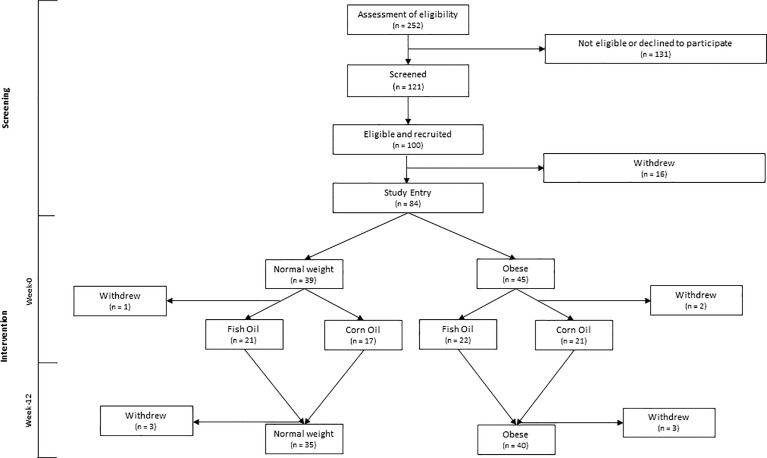
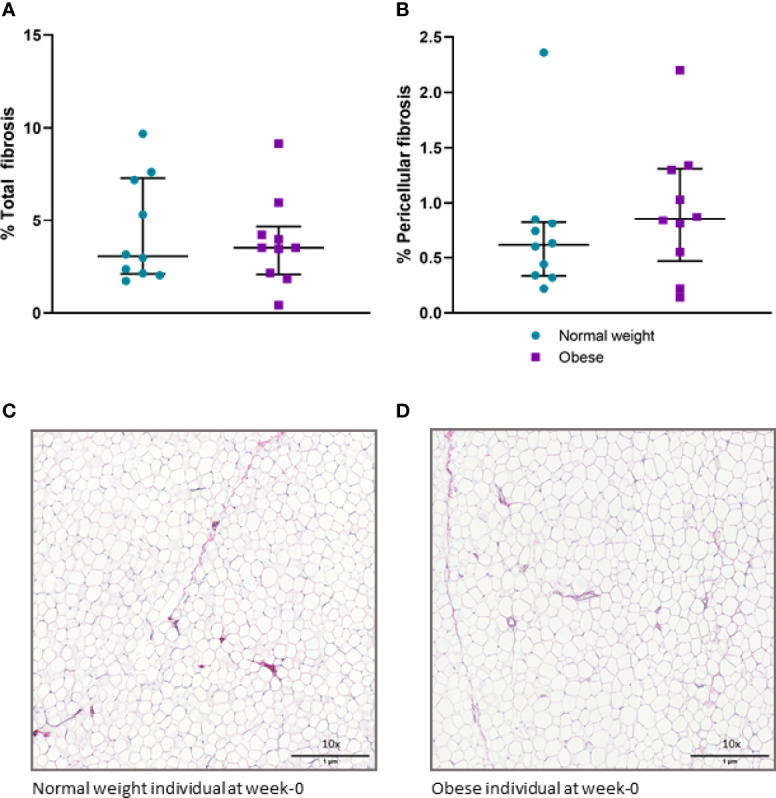
To evaluate obesity-associated tissue remodelling and responses to LC n-3 PUFAs, abdominal scWAT biopsies were collected from normal weight individuals and those living with obesity prior to and following 12-week intervention with marine LC n-3 PUFAs (1.1 g EPA + 0.8 g DHA daily). RNA sequencing, qRT-PCR, and histochemical staining were used to assess remodelling- and inflammatory-associated gene expression, tissue morphology and macrophage infiltration.
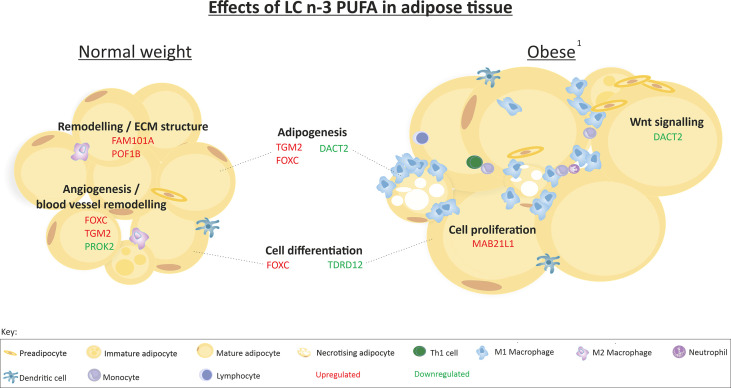
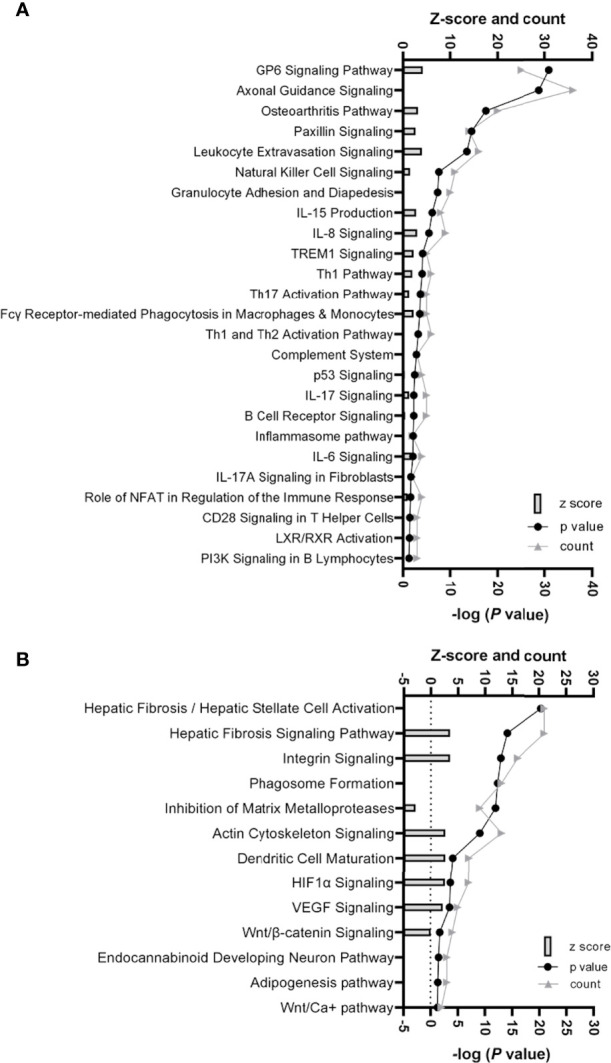
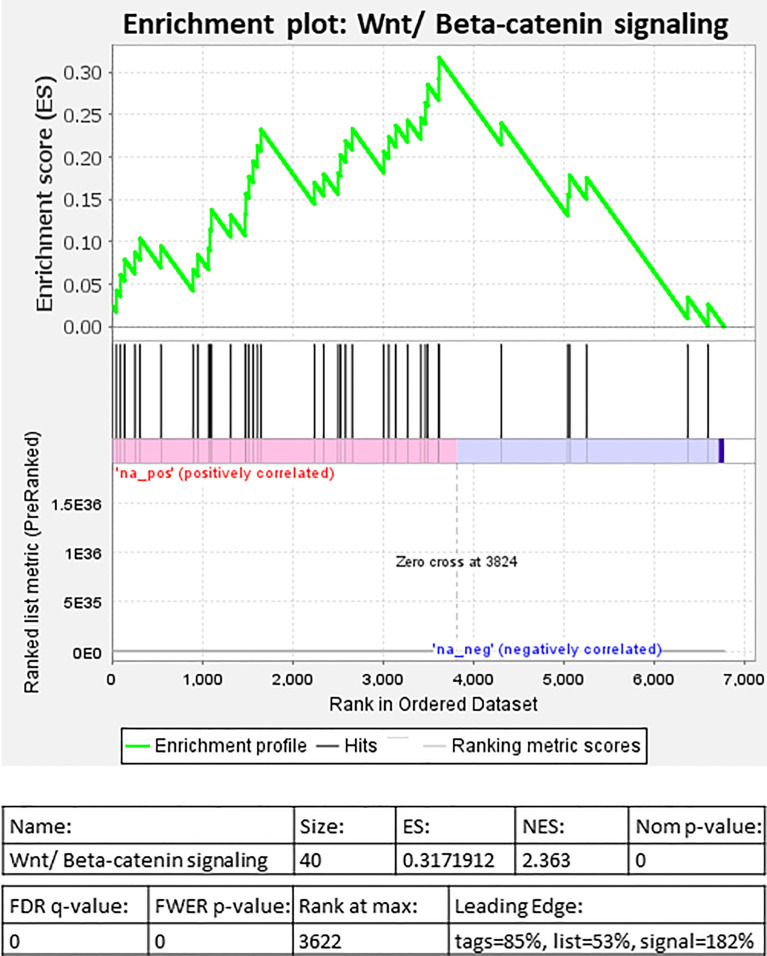
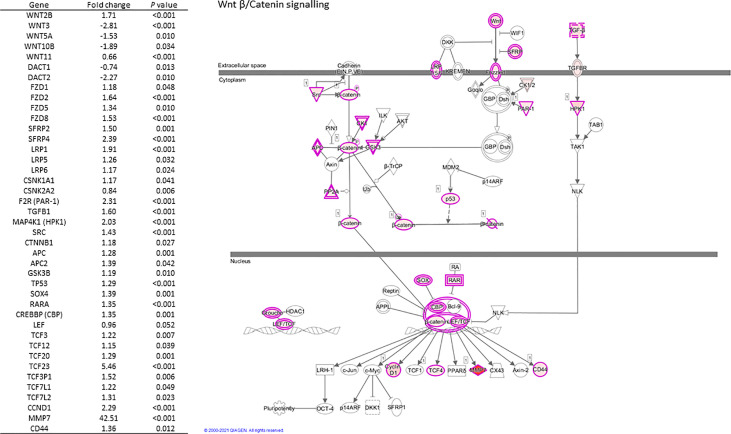
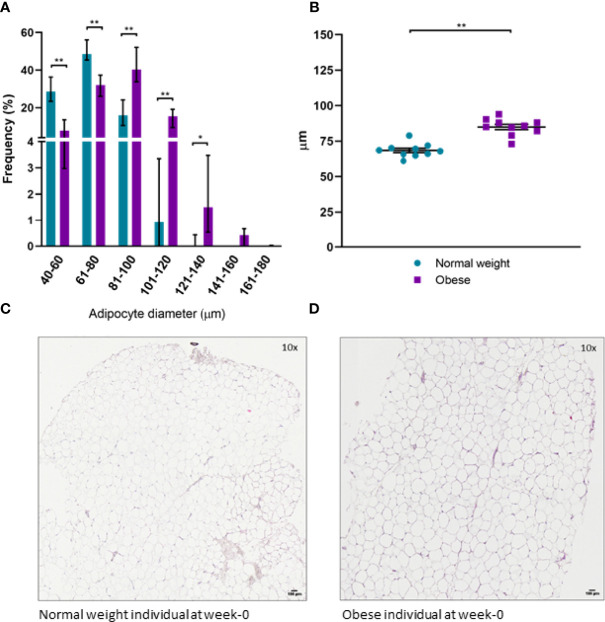
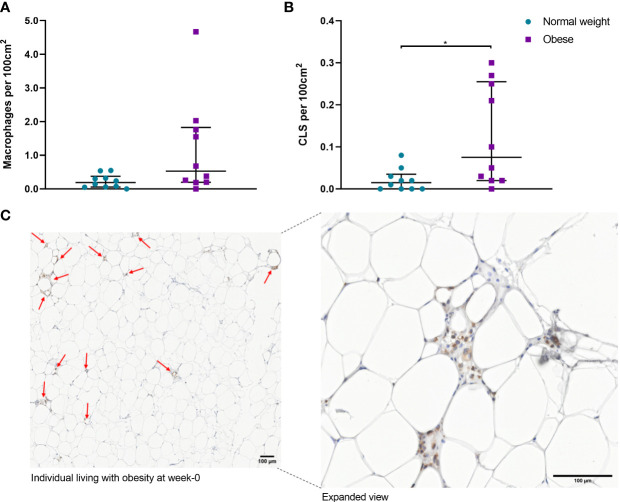
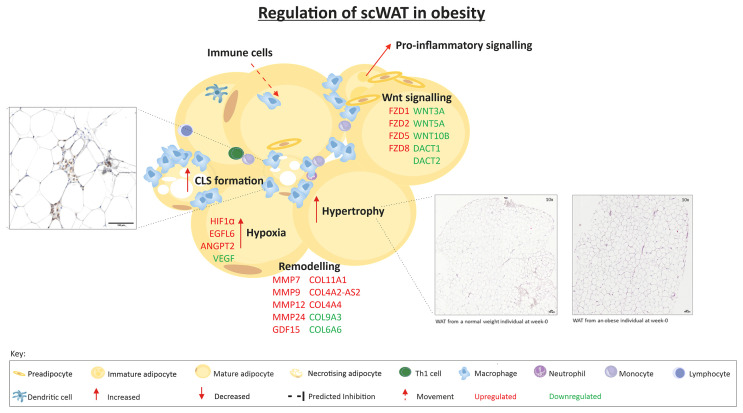
Obesity was associated with scWAT hypertrophy ( < 0.001), hypoxia, remodelling, and inflammatory macrophage infiltration ( = 0.023). Furthermore, we highlight the novel dysregulation of Wnt signalling in scWAT in non-insulin resistant obesity. LC n-3 PUFAs beneficially modulated the scWAT environment through downregulating the expression of genes associated with inflammatory and remodelling pathways (0.001), but there were altered outcomes in individuals living with obesity in comparison to normal weight individuals.
Our data identify dysregulation of Wnt signalling, hypoxia, and hypertrophy, and enhanced macrophage infiltration in scWAT in non-insulin resistant obesity. LC n-3 PUFAs modulate some of these processes, especially in normal weight individuals which may be preventative and limit the development of restrictive and inflammatory scWAT in the development of obesity. We conclude that a higher dose or longer duration of LC n-3 PUFA intervention may be needed to reduce obesity-associated scWAT inflammation and promote tissue homeostasis.
www.isrctn.com, identifier ISRCTN96712688.
肥胖与脂质积累增加以及脂肪组织扩张有关,同时伴有缺氧和炎症信号。在肥胖人群中,对尚未表现出代谢并发症(如胰岛素抵抗)的人体皮下白色脂肪组织(scWAT)进行研究是有限的,并且这些过程失调的机制尚未得到很好的阐明。长链 ω-3 多不饱和脂肪酸(LC n-3 PUFAs)已被证明可调节与脂质积累和胶原蛋白沉积相关的基因表达,并减少胰岛素抵抗个体脂肪组织中炎症性巨噬细胞的数量。因此,这些脂质可能对与肥胖相关的 scWAT 肥大和炎症有积极作用。
为了评估肥胖相关的组织重塑和对 LC n-3 PUFAs 的反应,我们从正常体重个体和肥胖个体中采集腹部 scWAT 活检,在接受为期 12 周的海洋 LC n-3 PUFAs(每天 1.1 克 EPA+0.8 克 DHA)干预之前和之后进行评估。使用 RNA 测序、qRT-PCR 和组织化学染色来评估重塑和炎症相关基因表达、组织形态和巨噬细胞浸润。
肥胖与 scWAT 肥大(<0.001)、缺氧、重塑和炎症性巨噬细胞浸润(=0.023)有关。此外,我们还强调了非胰岛素抵抗性肥胖中 scWAT 中 Wnt 信号的新失调。LC n-3 PUFAs 通过下调与炎症和重塑途径相关的基因表达,有益地调节了 scWAT 环境(<0.001),但与正常体重个体相比,肥胖个体的结果发生了改变。
我们的数据表明,非胰岛素抵抗性肥胖中 scWAT 存在 Wnt 信号、缺氧和肥大的失调,以及巨噬细胞浸润的增强。LC n-3 PUFAs 调节其中的一些过程,尤其是在正常体重个体中,这可能具有预防作用,并限制肥胖发展过程中限制性和炎症性 scWAT 的发展。我们得出结论,需要更高剂量或更长时间的 LC n-3 PUFA 干预,以减少与肥胖相关的 scWAT 炎症并促进组织内稳态。
www.isrctn.com,标识符 ISRCTN96712688。