Instituto Clodomiro Picado, Facultad de Microbiología, Universidad de Costa Rica, San José, Costa Rica.
PLoS Negl Trop Dis. 2022 Aug 12;16(8):e0010643. doi: 10.1371/journal.pntd.0010643. eCollection 2022 Aug.
Snakebite envenomation exerts a heavy toll in sub-Saharan Africa. The design and production of effective polyspecific antivenoms for this region demand a better understanding of the immunological characteristics of the different venoms from the most medically important snakes, to select the most appropriate venom combinations for generating antivenoms of wide neutralizing scope. Bitis spp. and Echis spp. represent the most important viperid snake genera in Africa.
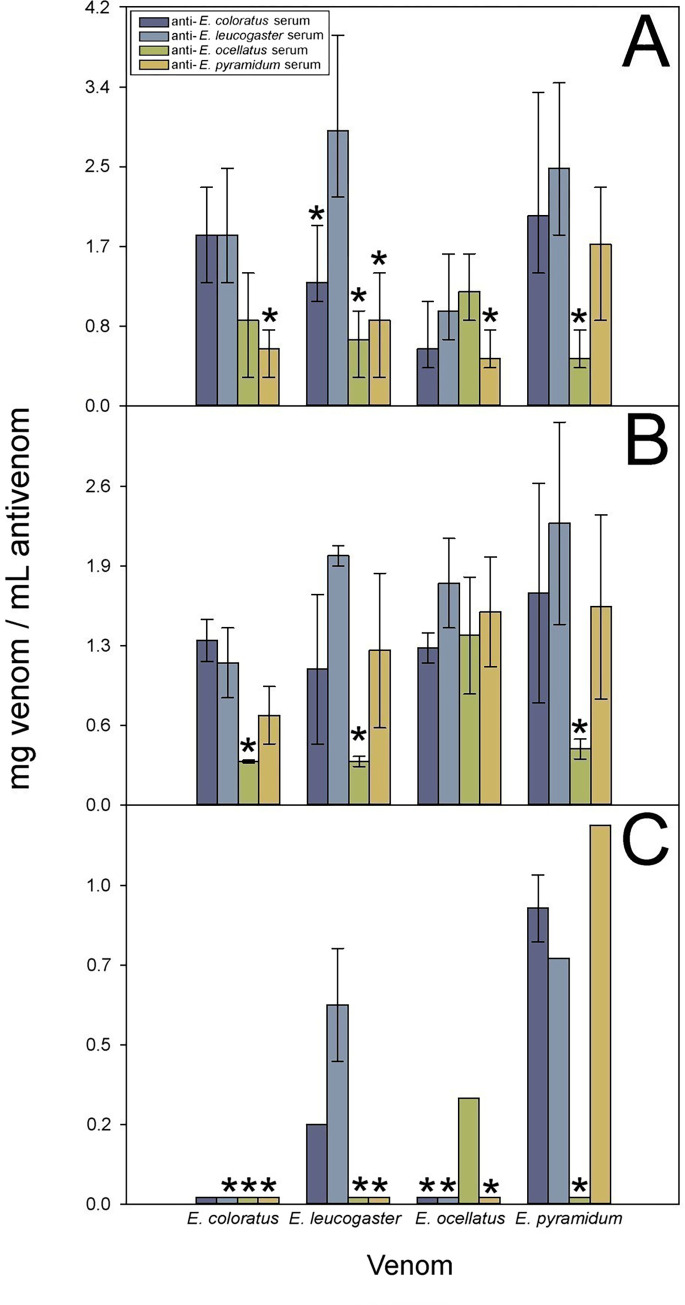
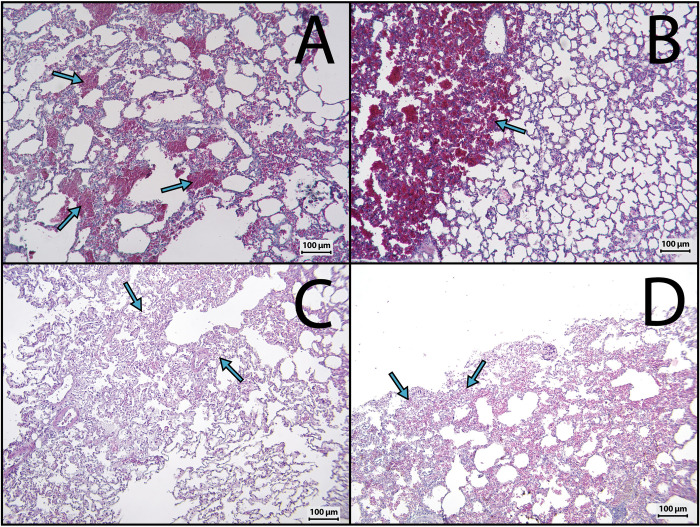
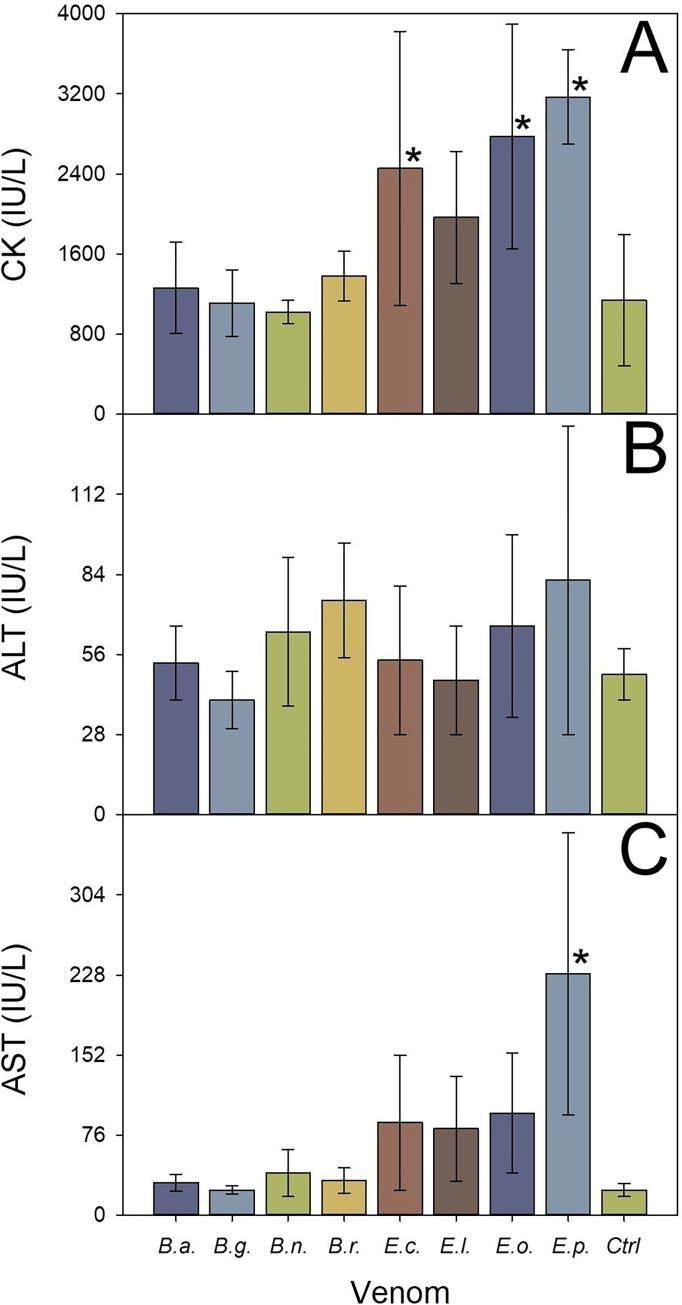
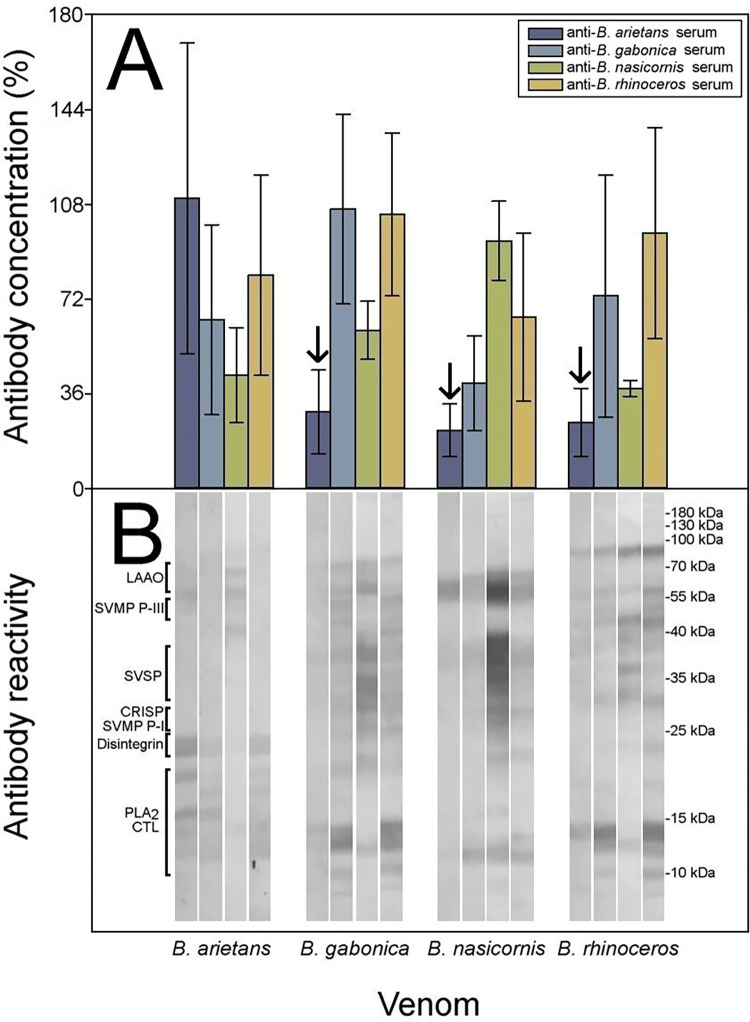
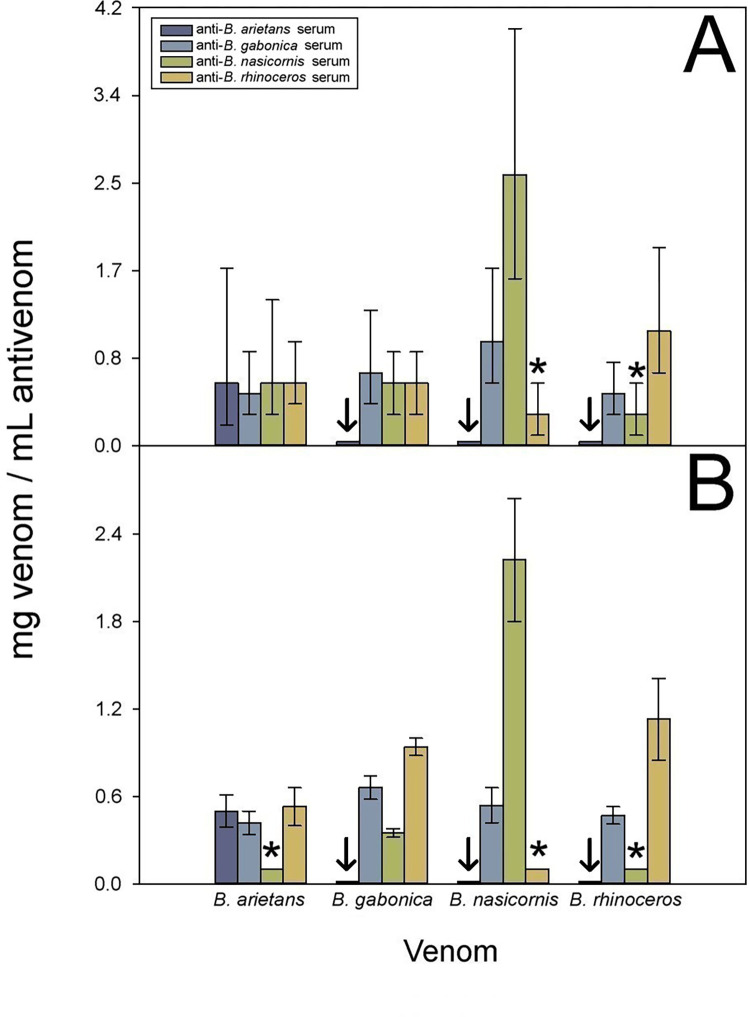
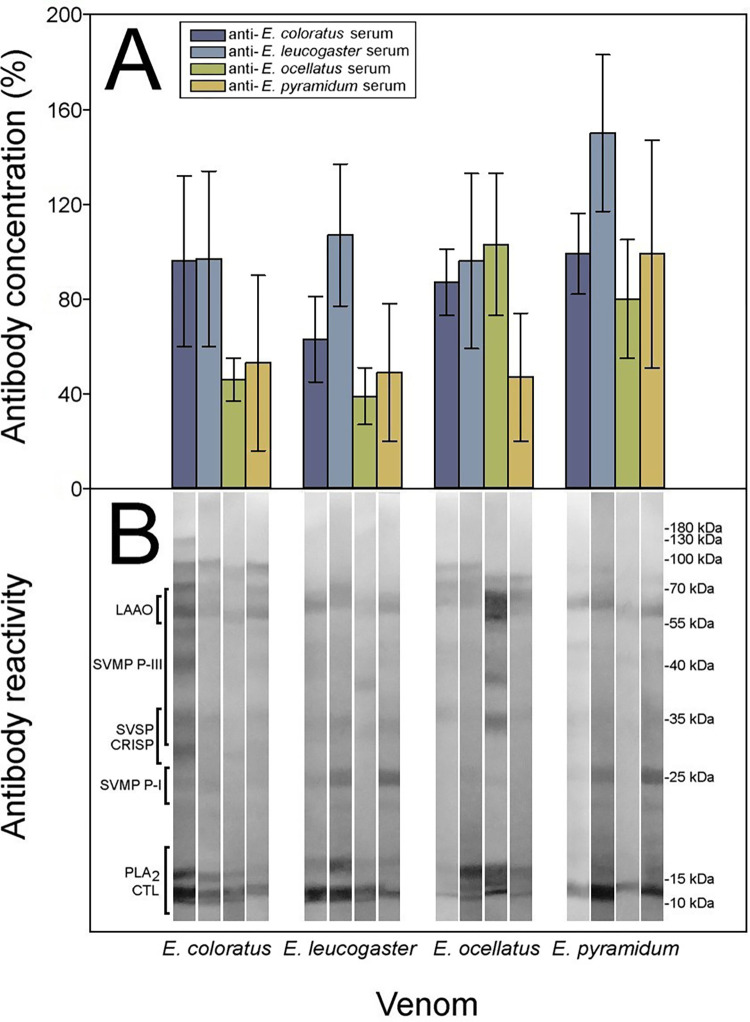
METHODOLOGY/PRINCIPAL FINDINGS: Eight rabbit-derived monospecific antisera were raised against the venoms of four species of Bitis spp. and four species of Echis spp. The effects of immunization in the rabbits were assessed, as well as the development of antibody titers, as judged by immunochemical assays and neutralization of lethal, hemorrhagic, and in vitro coagulant effects. At the end of immunizations, local and pulmonary hemorrhage, together with slight increments in the plasma activity of creatine kinase (CK), were observed owing to the action of hemorrhagic and myotoxic venom components. Immunologic analyses revealed a considerable extent of cross-reactivity of monospecific antisera against heterologous venoms within each genus, although some antisera provided a more extensive cross-reactivity than others. The venoms that generated antisera with the broadest coverage were those of Bitis gabonica and B. rhinoceros within Bitis spp. and Echis leucogaster within Echis spp.
CONCLUSIONS/SIGNIFICANCE: The methodology followed in this study provides a rational basis for the selection of the best combination of venoms for generating antivenoms of high cross-reactivity against viperid venoms in sub-Saharan Africa. Results suggest that the venoms of B. gabonica, B. rhinoceros, and E. leucogaster generate antisera with the broadest cross-reactivity within their genera. These experimental results in rabbits need to be translated to large animals used in antivenom production to assess whether these predictions are reproduced in horses or sheep.
在撒哈拉以南非洲,蛇伤中毒造成了沉重的负担。为该地区设计和生产有效的多价抗蛇毒血清需要更好地了解来自最重要的医学蛇种的不同毒液的免疫特性,以选择最合适的毒液组合来产生广泛中和范围的抗蛇毒血清。非洲最重要的蝰蛇属是 Bitis spp. 和 Echis spp.。
方法/主要发现:针对四种 Bitis spp. 和四种 Echis spp. 的毒液,用兔制备了八种单特异性抗血清。评估了免疫对兔子的影响,以及通过免疫化学测定和中和致死、出血和体外凝血作用来判断抗体滴度的发展。免疫结束时,由于出血和肌肉毒毒液成分的作用,观察到局部和肺出血,以及血浆肌酸激酶(CK)活性略有升高。免疫分析显示,在每个属内,单特异性抗血清对异种毒液具有相当大的交叉反应性,尽管一些抗血清比其他抗血清具有更广泛的交叉反应性。在 Bitis spp. 中,产生具有最广泛覆盖范围的抗血清的毒液是 Bitis gabonica 和 B. rhinoceros,而在 Echis spp. 中则是 Echis leucogaster。
结论/意义:本研究中采用的方法为选择最佳的毒液组合提供了合理的依据,以生成针对撒哈拉以南非洲蝰蛇毒液具有高交叉反应性的抗蛇毒血清。结果表明,B. gabonica、B. rhinoceros 和 E. leucogaster 的毒液在其属内产生了最广泛的交叉反应性的抗血清。这些在兔子中的实验结果需要转化为用于抗蛇毒血清生产的大型动物中,以评估这些预测是否在马或羊中重现。