Al-Waleedi Ali Ahmed, Bin-Ghouth Abdulla Salem
Department of Public Health and Community Medicine, Faculty of Medicine, University of Aden, Aden, Yemen.
Department of Community Medicine, Hadharamout University College of Medicine (HUCOM), Hadhramout University, 8892, Mukalla, Fwah, Yemen.
BMC Nutr. 2022 Aug 12;8(1):78. doi: 10.1186/s40795-022-00574-z.
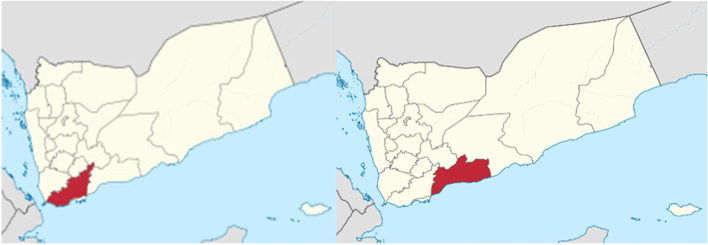
The analysis of acute malnutrition in 2018 for the Integrated Phase Classification of Food Security in Yemen shows that high malnutrition rates are present in Abyan governorate (23%) and Lahj governorate (21%). This analysis was community based addressed all children and mostly due to problems related to food intake. The role of diseases was not yet addressed in Yemen. The aim of this study is to assess acute and chronic malnutrition among hospitalized children at 12-59 months of age in Lahj and Abyan governorates in Yemen.
A cross-sectional, multi-center study is designed. The assessment of the nutritional status was measured by standardized anthropometry of 951 sick children at 12-59 months of age.
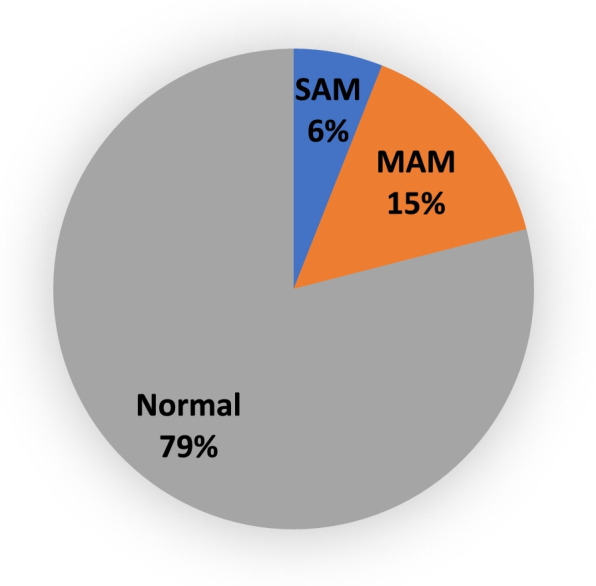
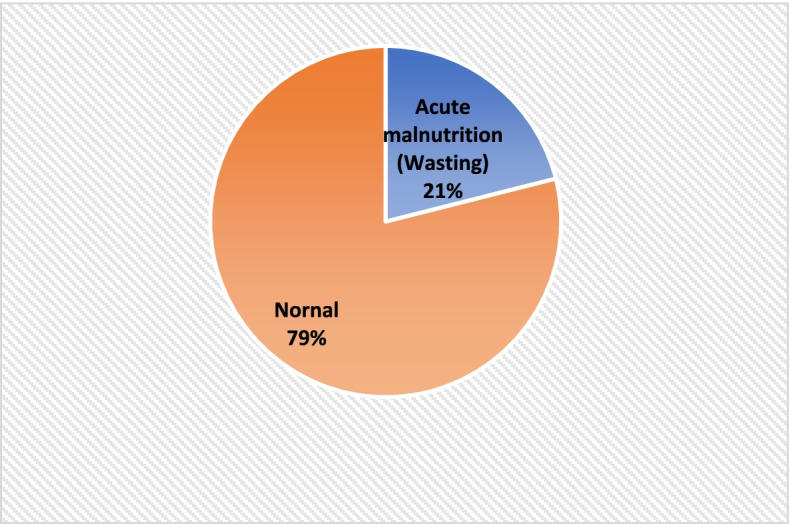
The prevalence of Global acute malnutrition (GAM) among the sick children seeking care in health facilities in Lahj and Abyan is 21%. More specifically; the prevalence of moderate acute malnutrition (MAM) is 15.1% while the prevalence of severe acute malnutrition (SAM) is 6.2%. The prevalence of acute malnutrition (wasting) among the studied sick children in lahj is 23.4% while in Abyan is 19.3%. The prevalence of MAM in Lahj is 17.7% and the prevalence of SAM is 5.7%. The prevalence of acute malnutrition (wasting) in Abyan is 12.6% while the prevalence of SAM in Abyan is 6.7%. The prevalence of acute malnutrition among male children (25.2%) is significantly higher than among female children (17.5%). The prevalence of the chronic malnutrition (Stunting) in the studied sick children is 41.3%; the prevalence of stunting in Lahj is 41% while in Abyan is 41.7%.
High acute and chronic malnutrition rates were identified among sick children seeking care in health facilities in lahj and Abyan, and higher than the SPHERE indicators of malnutrition. Boys are more exposed than girls to acute and chronic malnutrition.
2018年对也门粮食安全综合阶段分类中的急性营养不良情况分析表明,阿比扬省(23%)和拉赫季省(21%)的营养不良率很高。该分析以社区为基础,涵盖了所有儿童,主要是由于与食物摄入相关的问题。疾病的作用在也门尚未得到探讨。本研究的目的是评估也门拉赫季省和阿比扬省12至59个月住院儿童的急性和慢性营养不良情况。
设计了一项横断面多中心研究。通过对951名12至59个月患病儿童进行标准化人体测量来评估营养状况。
在拉赫季和阿比扬的医疗机构中寻求治疗的患病儿童中,全球急性营养不良(GAM)的患病率为21%。更具体地说,中度急性营养不良(MAM)的患病率为15.1%,而重度急性营养不良(SAM)的患病率为6.2%。在拉赫季的患病儿童中,急性营养不良(消瘦)的患病率为23.4%,在阿比扬为19.3%。拉赫季的MAM患病率为17.7%,SAM患病率为5.7%。阿比扬的急性营养不良(消瘦)患病率为12.6%,而阿比扬的SAM患病率为6.7%。男童急性营养不良的患病率(25.2%)显著高于女童(17.5%)。在患病儿童中,慢性营养不良(发育迟缓)的患病率为41.3%;拉赫季的发育迟缓患病率为41%,阿比扬为41.7%。
在拉赫季和阿比扬的医疗机构中寻求治疗的患病儿童中,发现急性和慢性营养不良率很高,且高于营养不良的SPHERE指标。男孩比女孩更容易遭受急性和慢性营养不良。