Department of Obstetrics and Gynecology, Renmin Hospital of Wuhan University, Wuhan, China.
J Ovarian Res. 2022 Aug 13;15(1):93. doi: 10.1186/s13048-022-01022-z.
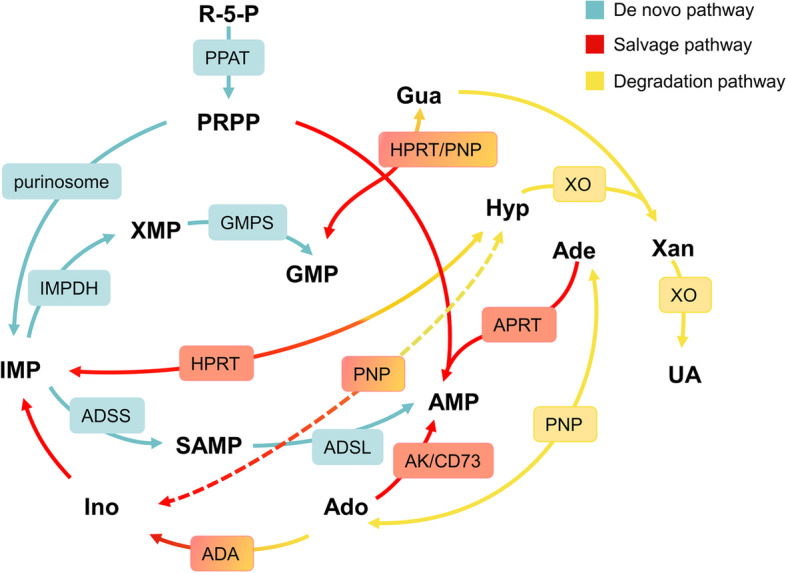
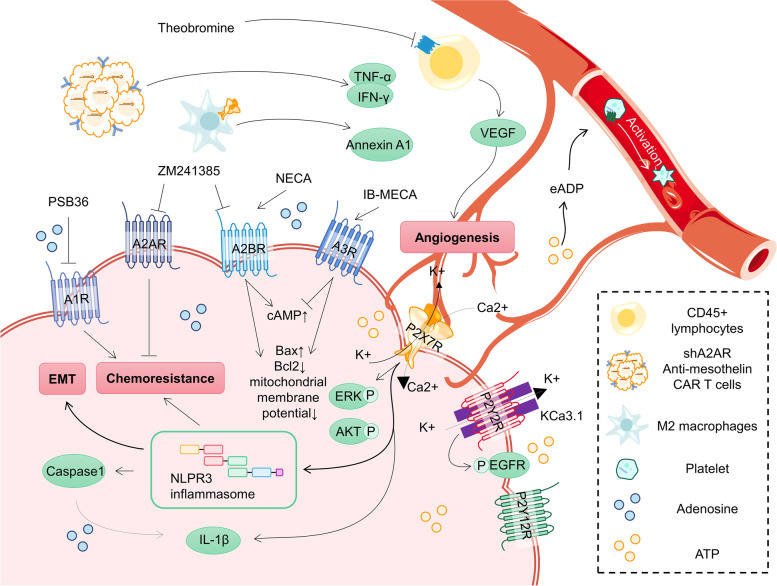
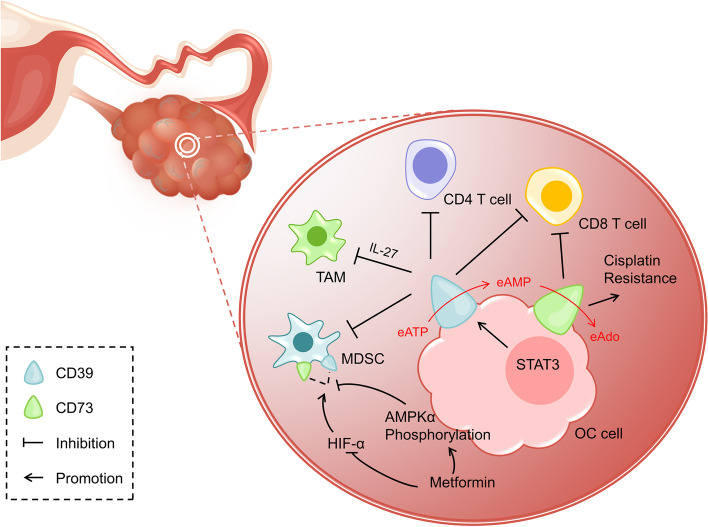
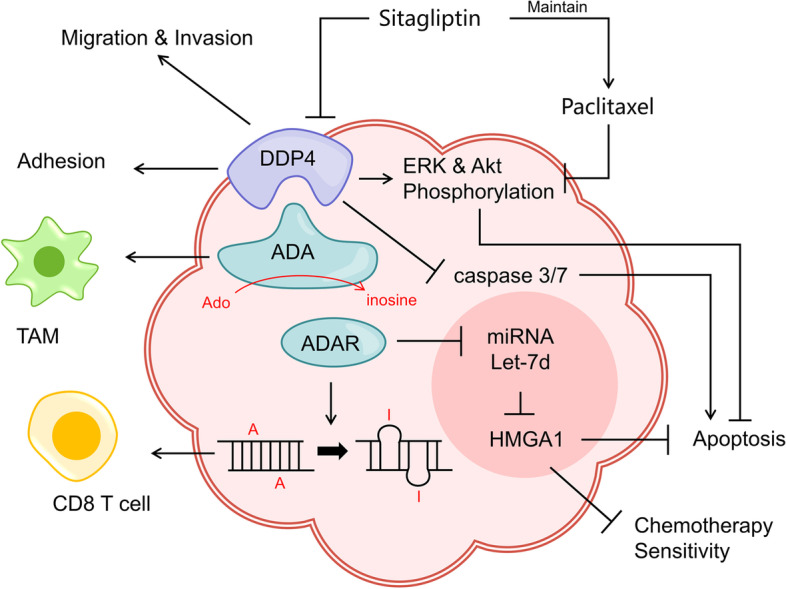
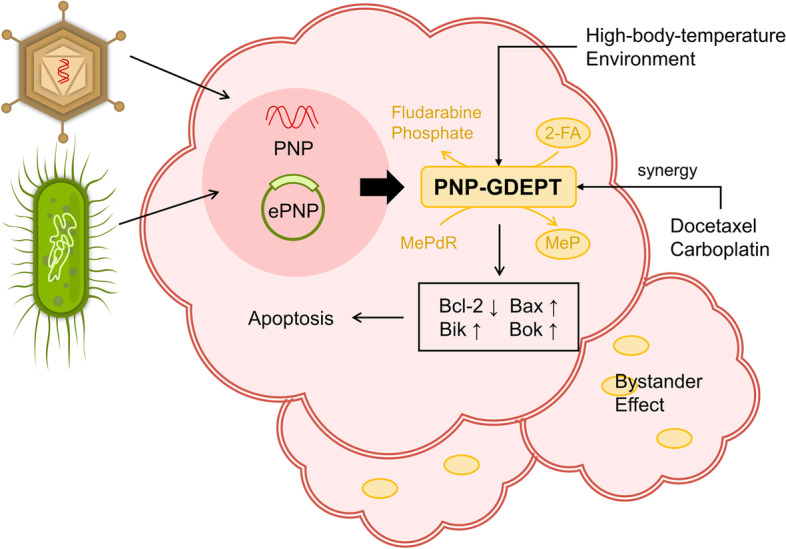
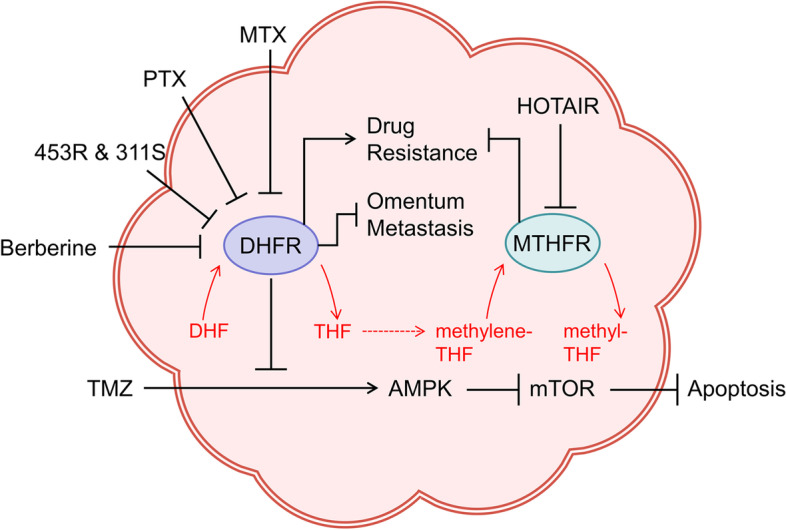
Purine, an abundant substrate in organisms, is a critical raw material for cell proliferation and an important factor for immune regulation. The purine de novo pathway and salvage pathway are tightly regulated by multiple enzymes, and dysfunction in these enzymes leads to excessive cell proliferation and immune imbalance that result in tumor progression. Maintaining the homeostasis of purine pools is an effective way to control cell growth and tumor evolution, and exploiting purine metabolism to suppress tumors suggests interesting directions for future research. In this review, we describe the process of purine metabolism and summarize the role and potential therapeutic effects of the major purine-metabolizing enzymes in ovarian cancer, including CD39, CD73, adenosine deaminase, adenylate kinase, hypoxanthine guanine phosphoribosyltransferase, inosine monophosphate dehydrogenase, purine nucleoside phosphorylase, dihydrofolate reductase and 5,10-methylenetetrahydrofolate reductase. Purinergic signaling is also described. We then provide an overview of the application of purine antimetabolites, comprising 6-thioguanine, 6-mercaptopurine, methotrexate, fludarabine and clopidogrel. Finally, we discuss the current challenges and future opportunities for targeting purine metabolism in the treatment-relevant cellular mechanisms of ovarian cancer.
嘌呤是生物体内丰富的底物,是细胞增殖的关键原料,也是免疫调节的重要因素。嘌呤从头合成途径和补救途径受到多种酶的严格调控,这些酶的功能障碍会导致过度的细胞增殖和免疫失衡,从而导致肿瘤进展。维持嘌呤池的动态平衡是控制细胞生长和肿瘤演变的有效方法,利用嘌呤代谢来抑制肿瘤为未来的研究提供了有趣的方向。在这篇综述中,我们描述了嘌呤代谢的过程,并总结了主要嘌呤代谢酶在卵巢癌中的作用和潜在的治疗效果,包括 CD39、CD73、腺苷脱氨酶、腺嘌呤激酶、次黄嘌呤鸟嘌呤磷酸核糖转移酶、肌苷单磷酸脱氢酶、嘌呤核苷磷酸化酶、二氢叶酸还原酶和 5,10-亚甲基四氢叶酸还原酶。嘌呤能信号也被描述。然后,我们概述了嘌呤抗代谢物的应用,包括 6-巯基嘌呤、6-巯基嘌呤、甲氨蝶呤、氟达拉滨和氯吡格雷。最后,我们讨论了针对卵巢癌治疗相关细胞机制中嘌呤代谢的当前挑战和未来机遇。