Blood Cell Development and Function Program, Fox Chase Cancer Center, Philadelphia, PA, United States.
Laboratory of Molecular Immunology, Immunology Center, National Heart, Lung, and Blood Institute, National Institutes of Health (NIH), Bethesda, MD, United States.
Front Immunol. 2022 Jul 29;13:928252. doi: 10.3389/fimmu.2022.928252. eCollection 2022.
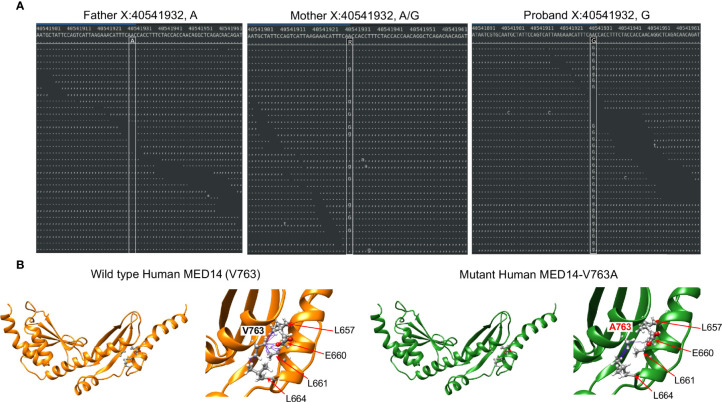
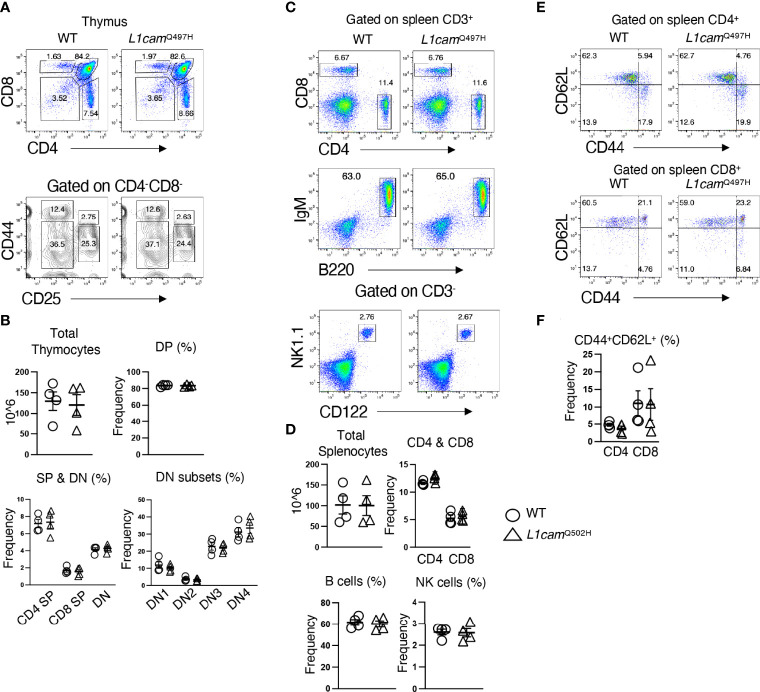
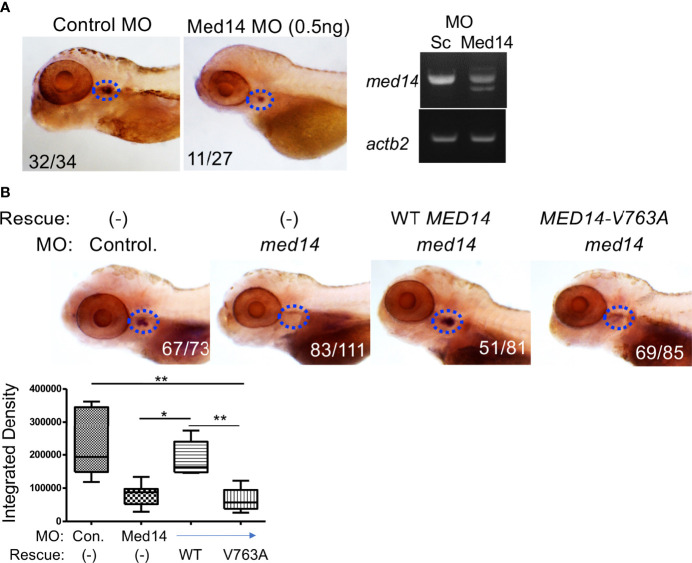
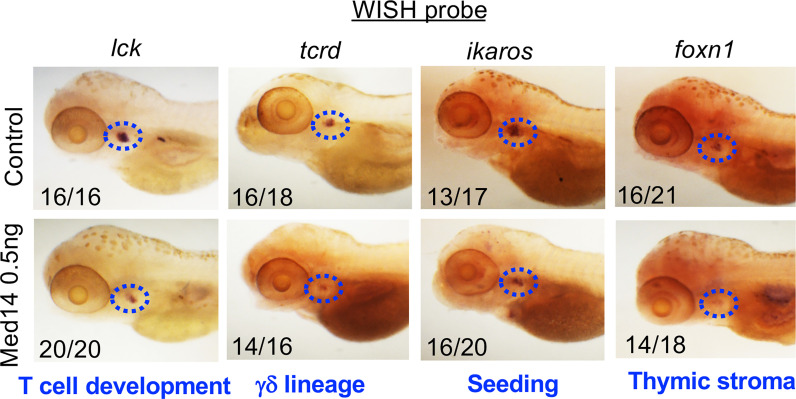
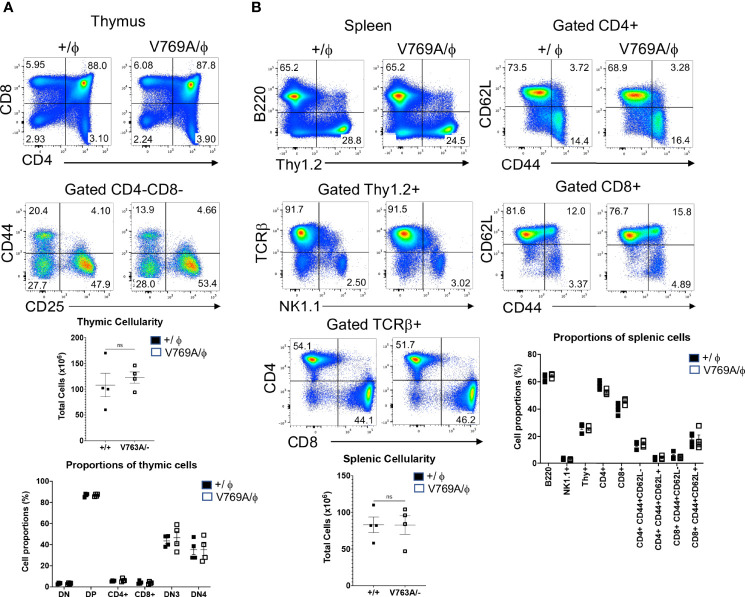
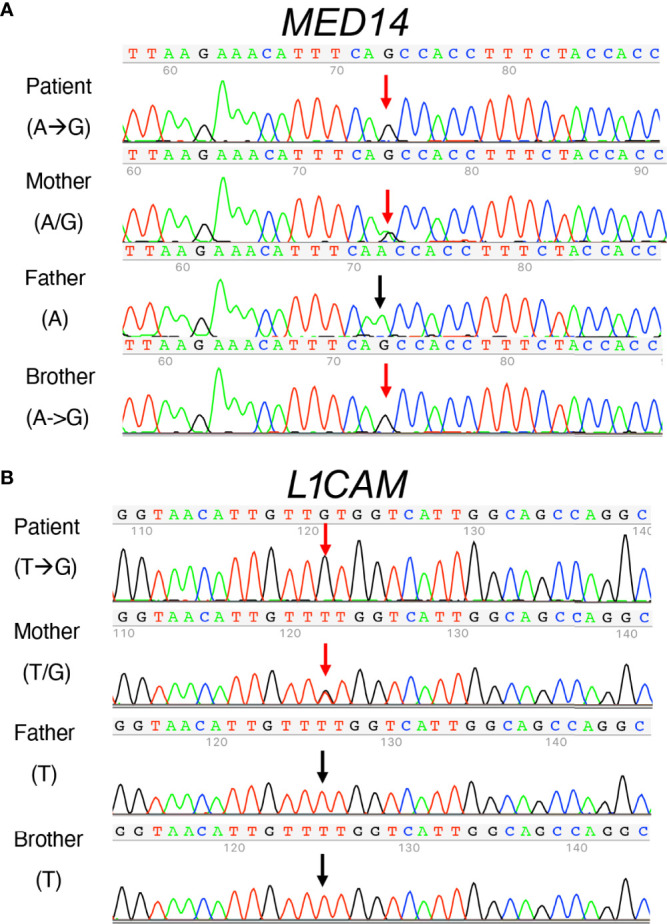
Newborn screening for severe combined immunodeficiency (SCID) has not only accelerated diagnosis and improved treatment for affected infants, but also led to identification of novel genes required for human T cell development. A male proband had SCID newborn screening showing very low T cell receptor excision circles (TRECs), a biomarker for thymic output of nascent T cells. He had persistent profound T lymphopenia, but normal numbers of B and natural killer (NK) cells. Despite an allogeneic hematopoietic stem cell transplant from his brother, he failed to develop normal T cells. Targeted resequencing excluded known SCID genes; however, whole exome sequencing (WES) of the proband and parents revealed a maternally inherited X-linked missense mutation in , a component of the mediator complex. Morpholino (MO)-mediated loss of MED14 function attenuated T cell development in zebrafish. Moreover, this arrest was rescued by ectopic expression of cDNA encoding the wild type human ortholog, but not by , suggesting that the variant impaired MED14 function. Modeling of the equivalent mutation in mouse ( did not disrupt T cell development at baseline. However, repopulation of peripheral T cells upon competitive bone marrow transplantation was compromised, consistent with the incomplete T cell reconstitution experienced by the proband upon transplantation with bone marrow from his healthy male sibling, who was found to have the same variant. Suspecting that the variable phenotypic expression between the siblings was influenced by further mutation(s), we sought to identify genetic variants present only in the affected proband. Indeed, WES revealed a mutation in the L1 cell adhesion molecule ; however, introducing that mutation in mice did not disrupt T cell development. Consequently, immunodeficiency in the proband may depend upon additional, unidentified gene variants.
新生儿严重联合免疫缺陷症(SCID)的筛查不仅加速了对受影响婴儿的诊断和治疗,还鉴定出了人类 T 细胞发育所必需的新基因。一名男性先证者的 SCID 新生儿筛查显示极低的 T 细胞受体切除环(TRECs),这是新生 T 细胞胸腺输出的生物标志物。他持续存在严重的 T 淋巴细胞减少症,但 B 细胞和自然杀伤(NK)细胞数量正常。尽管他接受了来自其兄弟的同种异体造血干细胞移植,但他未能发育出正常的 T 细胞。靶向重测序排除了已知的 SCID 基因;然而,先证者和父母的外显子组测序(WES)显示,一种中介体复合物的组成部分 X 连锁错义突变是母系遗传的。破坏 MED14 功能的 形态发生素(MO)显著减弱了斑马鱼 T 细胞的发育。此外,这种阻滞可通过过表达编码野生型人类 同源物的 cDNA 来挽救,但不能通过 来挽救,表明该变体损害了 MED14 功能。在小鼠中建模等效突变( 并没有在基线时破坏 T 细胞的发育。然而,在竞争性骨髓移植后外周 T 细胞的再植入受到损害,这与先证者在接受来自健康男性同胞的骨髓移植后,T 细胞重建不完全的情况一致,发现该同胞存在相同的 变体。由于怀疑兄弟姐妹之间可变的表型表达受进一步突变(s)的影响,我们试图鉴定仅存在于受影响先证者中的遗传变异。事实上,WES 揭示了 L1 细胞黏附分子中的一个突变;然而,将该突变引入小鼠中并没有破坏 T 细胞的发育。因此,先证者的免疫缺陷可能依赖于其他未识别的基因变异。