Bidlingmaier Martin, Gleeson Helena, Latronico Ana-Claudia, Savage Martin O
Medizinische Klinik und Poliklinik IV, LMU Klinikum, Ludwig-Maximilians University, Munich, Germany.
Department of Endocrinology, Queen Elizabeth Hospital, Birmingham, UK.
Endocr Connect. 2022 Sep 2;11(10). doi: 10.1530/EC-22-0177. Print 2022 Oct 1.
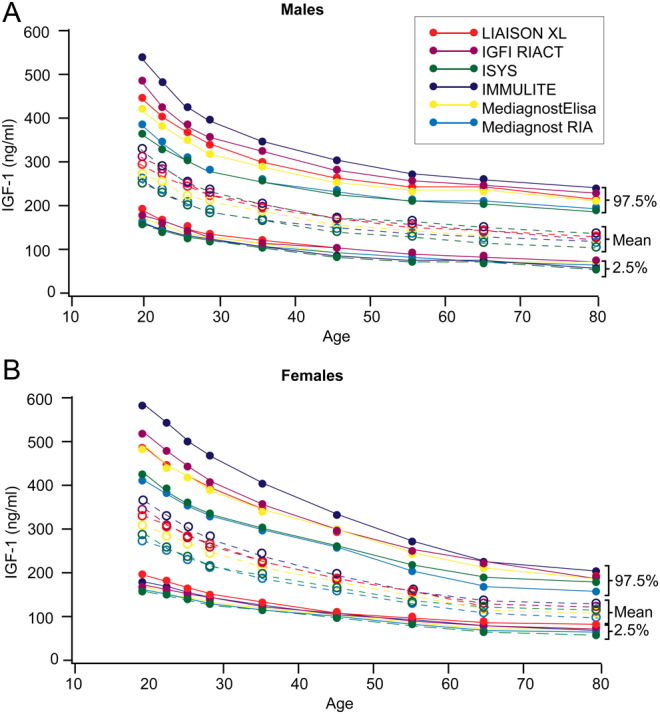
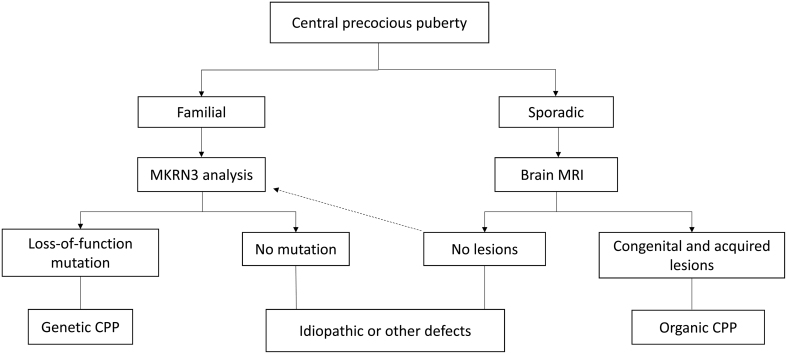
Precision medicine employs digital tools and knowledge of a patient's genetic makeup, environment and lifestyle to improve diagnostic accuracy and to develop individualised treatment and prevention strategies. Precision medicine has improved management in a number of disease areas, most notably in oncology, and it has the potential to positively impact others, including endocrine disorders. The accuracy of diagnosis in young patients with growth disorders can be improved by using biomarkers. Insulin-like growth factor I (IGF-I) is the most widely accepted biomarker of growth hormone secretion, but its predictive value for recombinant human growth hormone treatment response is modest and various factors can affect the accuracy of IGF-I measurements. These factors need to be taken into account when considering IGF-I as a component of precision medicine in the management of growth hormone deficiency. The use of genetic analyses can assist with diagnosis by confirming the aetiology, facilitate treatment decisions, guide counselling and allow prompt intervention in children with pubertal disorders, such as central precocious puberty and testotoxicosis. Precision medicine has also proven useful during the transition of young people with endocrine disorders from paediatric to adult services when patients are at heightened risk of dropping out from medical care. An understanding of the likelihood of ongoing GH deficiency, using tools such as MRI, detailed patient history and IGF-I levels, can assist in determining the need for continued recombinant human growth hormone treatment during the process of transitional care.
精准医学利用数字工具以及患者的基因构成、环境和生活方式等知识,以提高诊断准确性,并制定个性化的治疗和预防策略。精准医学已改善了多个疾病领域的管理,尤其是在肿瘤学领域,并且它有可能对包括内分泌疾病在内的其他领域产生积极影响。通过使用生物标志物,可以提高患有生长障碍的年轻患者的诊断准确性。胰岛素样生长因子I(IGF-I)是生长激素分泌最广泛接受的生物标志物,但其对重组人生长激素治疗反应的预测价值有限,并且多种因素会影响IGF-I测量的准确性。在将IGF-I作为生长激素缺乏症管理中精准医学的一个组成部分时,需要考虑这些因素。基因分析的应用可以通过确认病因来辅助诊断,促进治疗决策,指导咨询,并允许对患有青春期疾病(如中枢性性早熟和睾丸中毒症)的儿童进行及时干预。当患有内分泌疾病的年轻人从儿科服务过渡到成人服务时,由于患者退出医疗护理的风险增加,精准医学也已证明是有用的。利用MRI、详细的患者病史和IGF-I水平等工具了解持续存在生长激素缺乏症的可能性,有助于确定在过渡护理过程中继续进行重组人生长激素治疗的必要性。