Zhang Yu, Zhao Xuefei, Man Xin, Ma Yue, Zhang Wei, Wang Yu, Lei Xing, Bai Suying
College of Wildlife and Protected Area, Northeast Forestry University, Harbin, People's Republic of China.
National and Local Joint Engineering Laboratory for Freshwater Fish Breeding, Heilongjiang River Fisheries Research Institute, Chinese Academy of Fishery Sciences, Harbin, People's Republic of China.
Am J Physiol Regul Integr Comp Physiol. 2022 Oct 1;323(4):R571-R580. doi: 10.1152/ajpregu.00068.2022. Epub 2022 Aug 15.
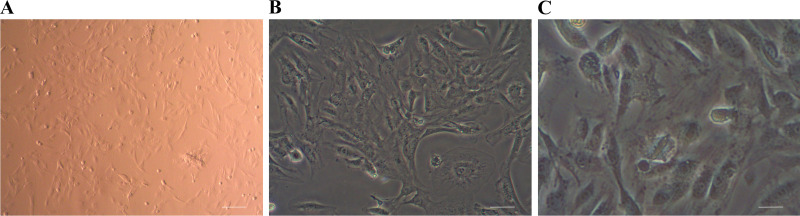
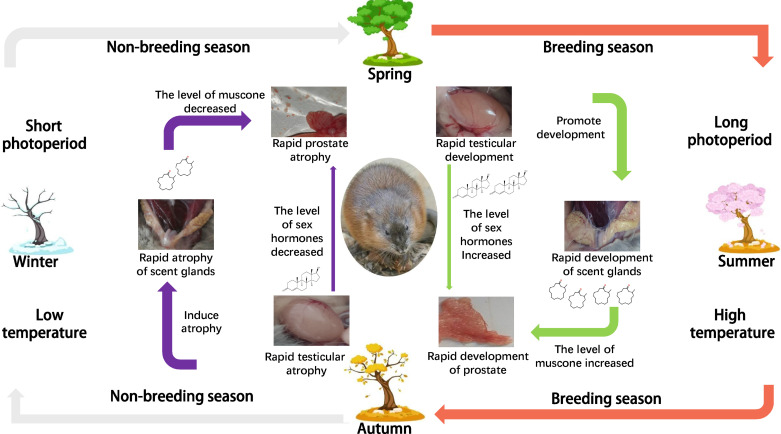
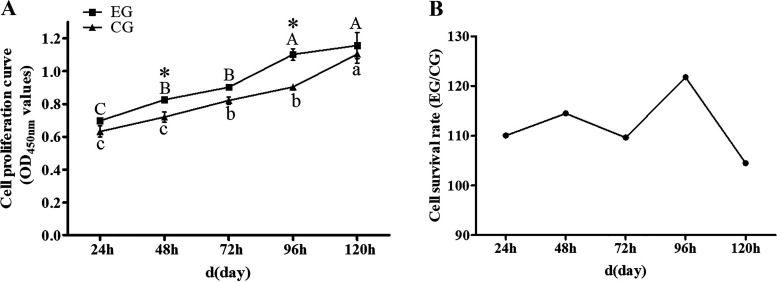
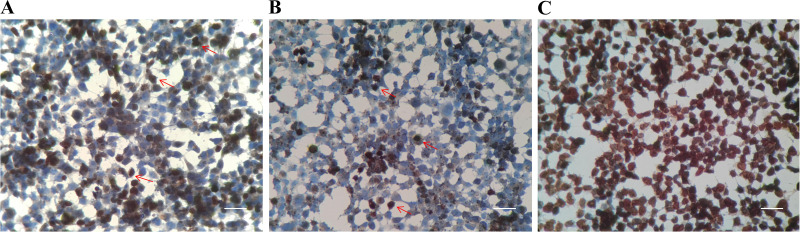
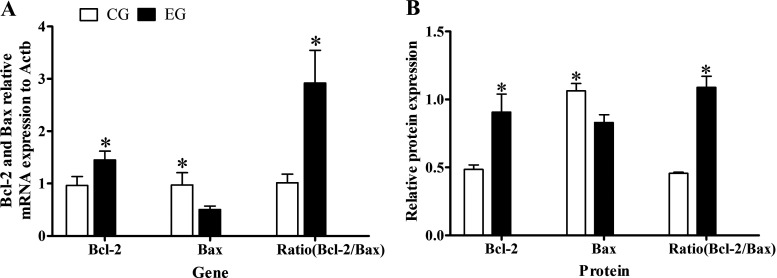
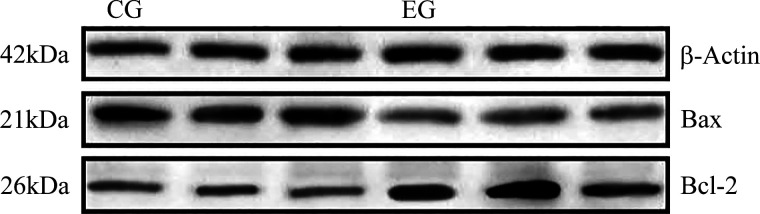
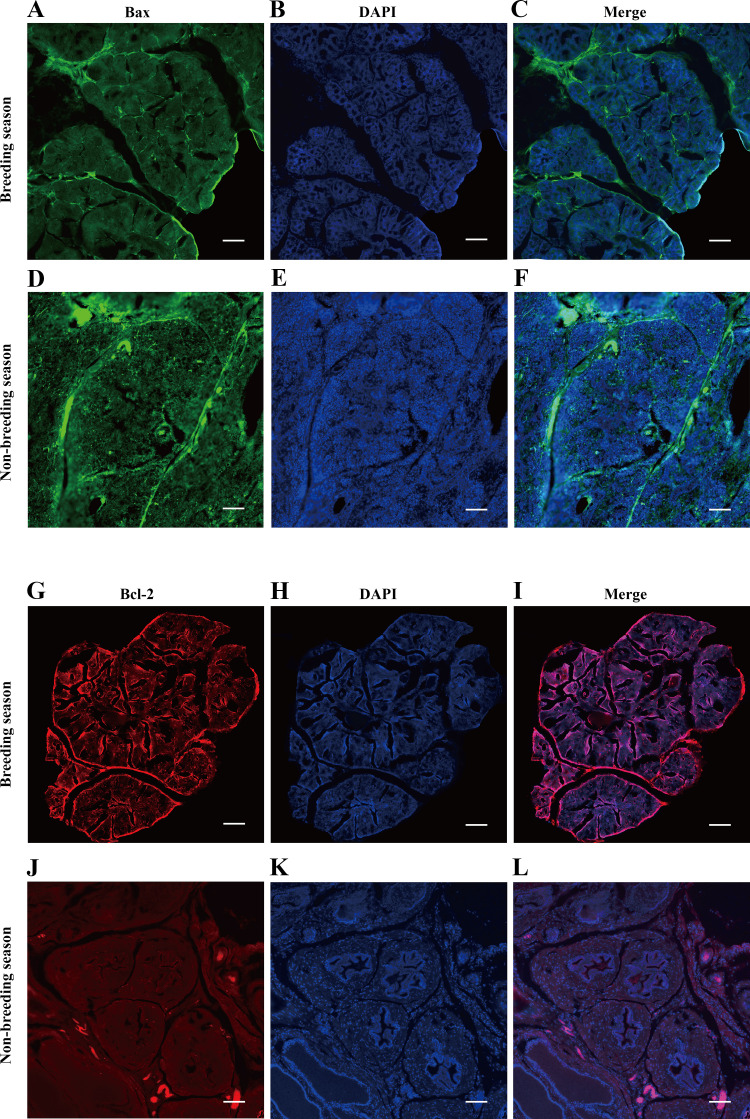
Muskrat is a small fur animal with a pair of scent glands that can secrete muskrat musk during breeding season. The consensus is muskrat musk functions as a pheromone, but we hypothesized it has a broader role. In previous research, we found the presence of muscone in muskrat musk. To study whether the muscone can affect the apoptosis of muskrat prostate, we carried out the following investigations. Primary muskrat prostate cells were cultured and treated with muscone. Then we drew cell proliferation curves by applying the CCK-8 and used TdT-mediated dUTP nick end labeling (TUNEL) to detect apoptosis. Levels of mRNA transcription and protein expression of as well as were detected by qRT-PCR and the Western blot. Meanwhile, we collected tissue samples of muskrat prostates and froze sections to analyze the fluorescence signal intensity of BCL-2 and BAX via immunofluorescence. Under the treatment of 30 μmol/L muscone, the proliferation rate of the experimental group exceeded that of the control group, and the proportion of cells undergoing apoptosis was lower in the experimental group. The qRT-PCR and Western blot result showed that, in the experimental group, the ratio of to mRNA transcription levels increased by 2.85 times and their corresponding protein expression ratio increased by 2.37 times ( < 0.05). Immunofluorescence results were consistent with the cell experiment's results. The fluorescence signal intensity of BCL-2 was higher in the breeding season than nonbreeding season but vice versa for BAX. Based on these results, we speculate that the muscone could regulates prostate development by inhibiting apoptosis.
麝鼠是一种小型毛皮动物,有一对气味腺,在繁殖季节能分泌麝鼠麝香。普遍认为麝鼠麝香具有信息素的功能,但我们推测它有更广泛的作用。在先前的研究中,我们在麝鼠麝香中发现了麝香酮。为了研究麝香酮是否会影响麝鼠前列腺的凋亡,我们进行了以下研究。培养原代麝鼠前列腺细胞并用麝香酮处理。然后我们通过应用CCK-8绘制细胞增殖曲线,并使用末端脱氧核苷酸转移酶介导的dUTP缺口末端标记法(TUNEL)检测凋亡。通过qRT-PCR和蛋白质印迹法检测以及的mRNA转录水平和蛋白质表达水平。同时,我们收集麝鼠前列腺组织样本并冷冻切片,通过免疫荧光分析BCL-2和BAX的荧光信号强度。在30μmol/L麝香酮处理下,实验组的增殖率超过对照组,且实验组中发生凋亡的细胞比例较低。qRT-PCR和蛋白质印迹结果表明,在实验组中,与mRNA转录水平的比值增加了2.85倍,其相应的蛋白质表达比值增加了2.37倍(<0.05)。免疫荧光结果与细胞实验结果一致。BCL-2的荧光信号强度在繁殖季节高于非繁殖季节,而BAX则相反。基于这些结果,我们推测麝香酮可能通过抑制凋亡来调节前列腺发育。