Department of Pediatrics, Division of Infectious Diseases Emory University School of Medicine, Atlanta, Georgia, United States of America.
Department of Immunology and Microbiology, The Scripps Research Institute, La Jolla, California, United States of America.
PLoS Pathog. 2022 Aug 15;18(8):e1010625. doi: 10.1371/journal.ppat.1010625. eCollection 2022 Aug.
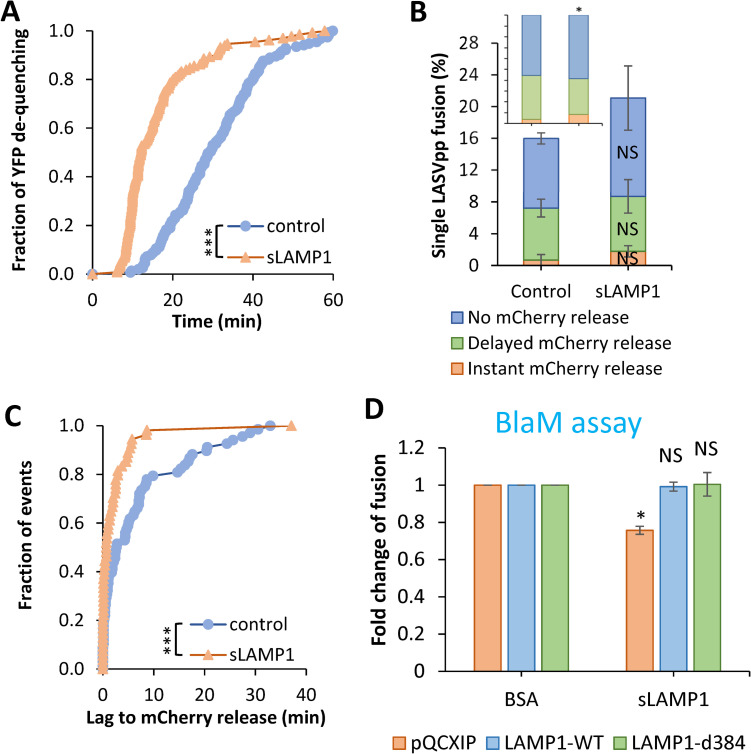
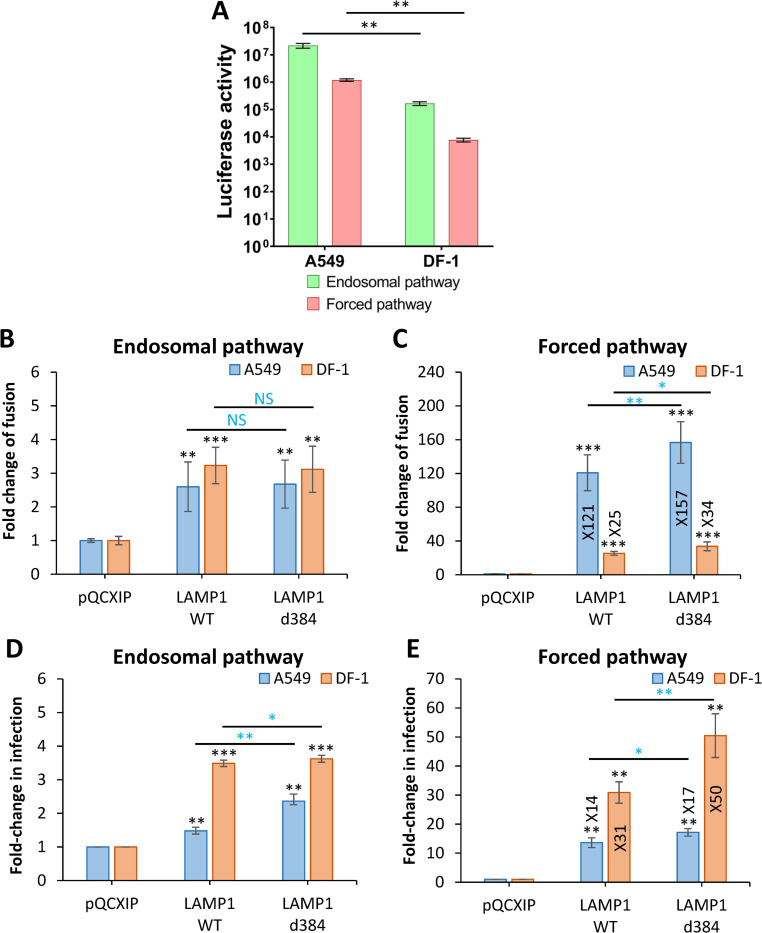
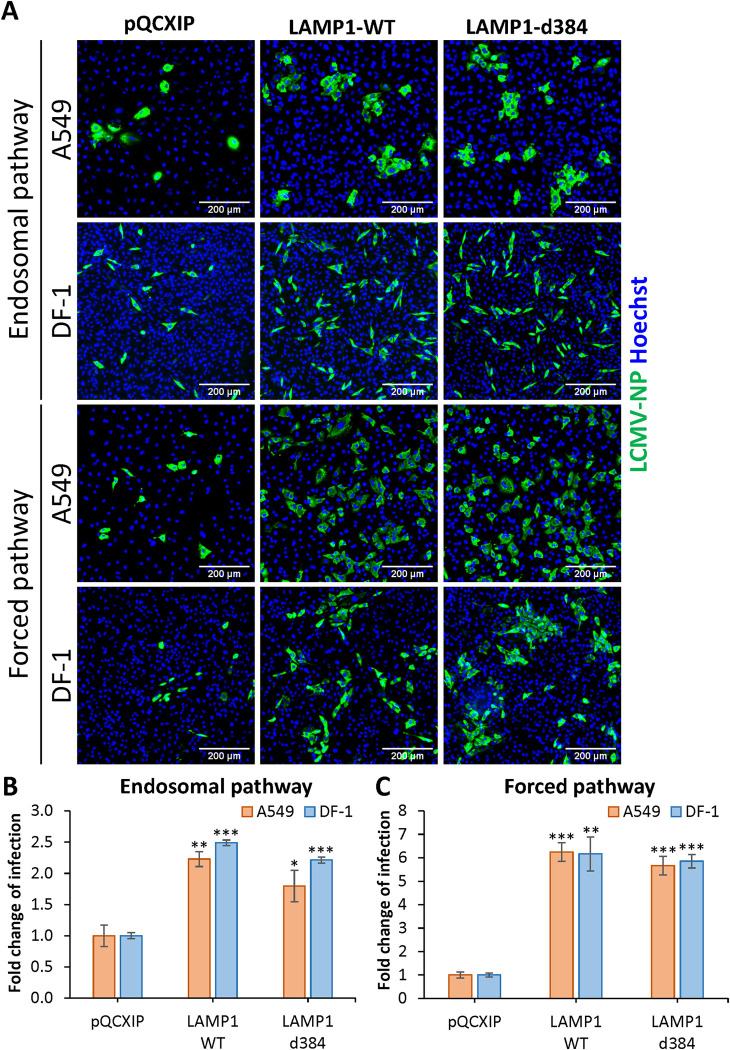
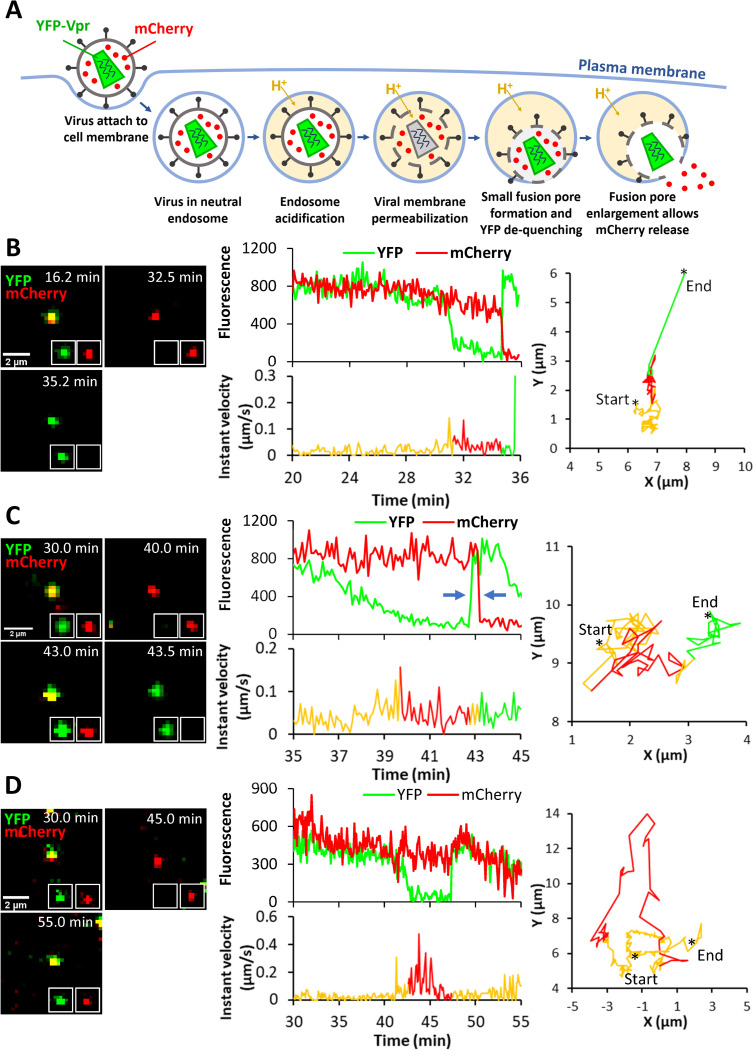
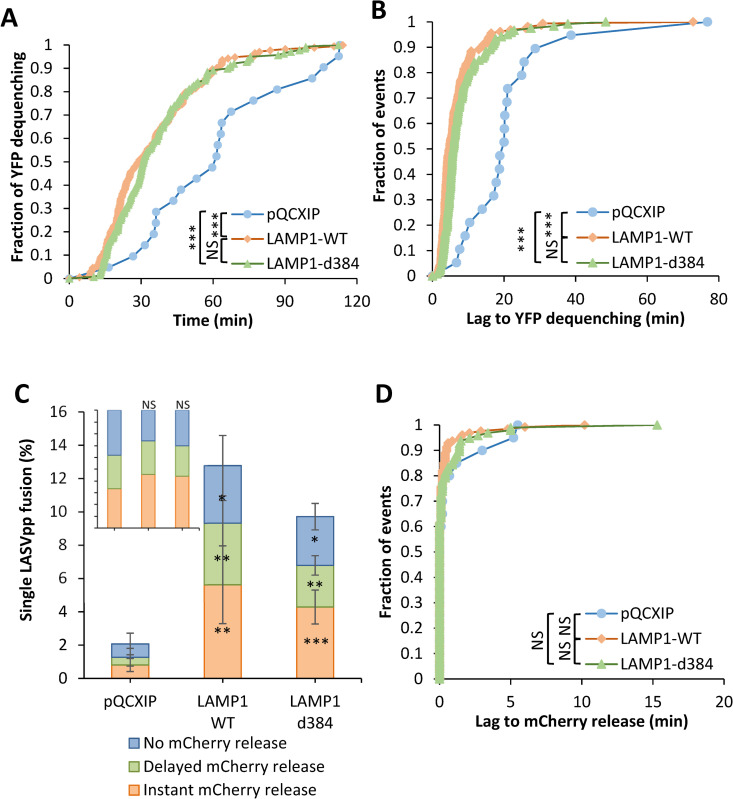
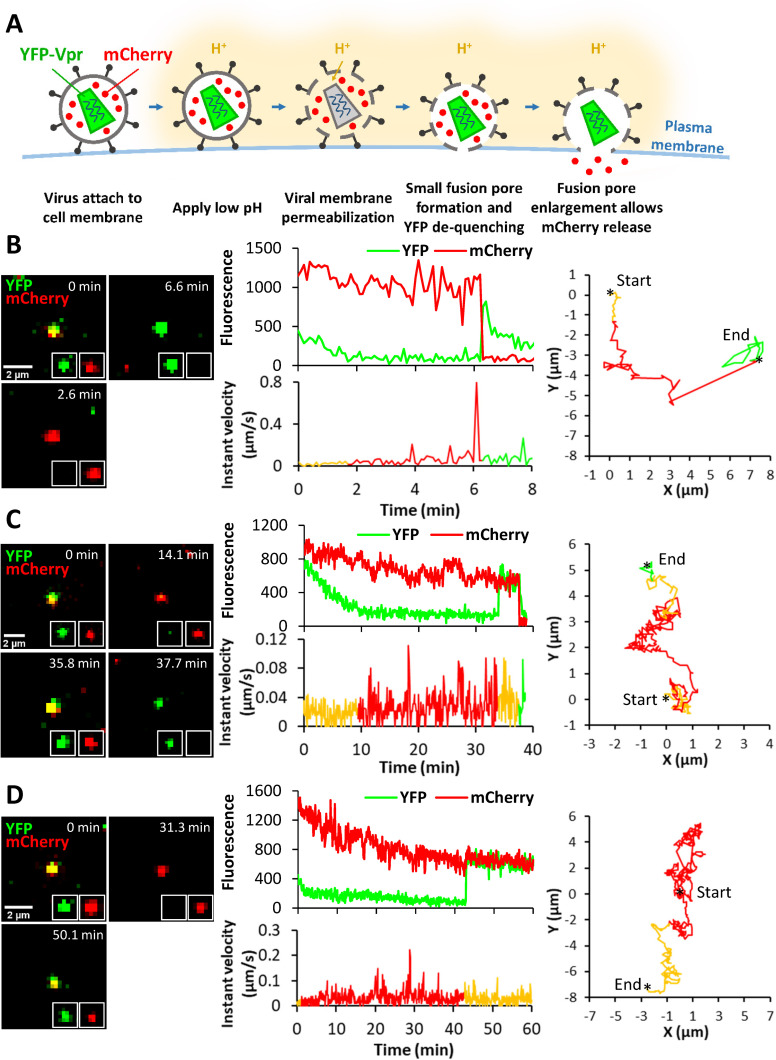
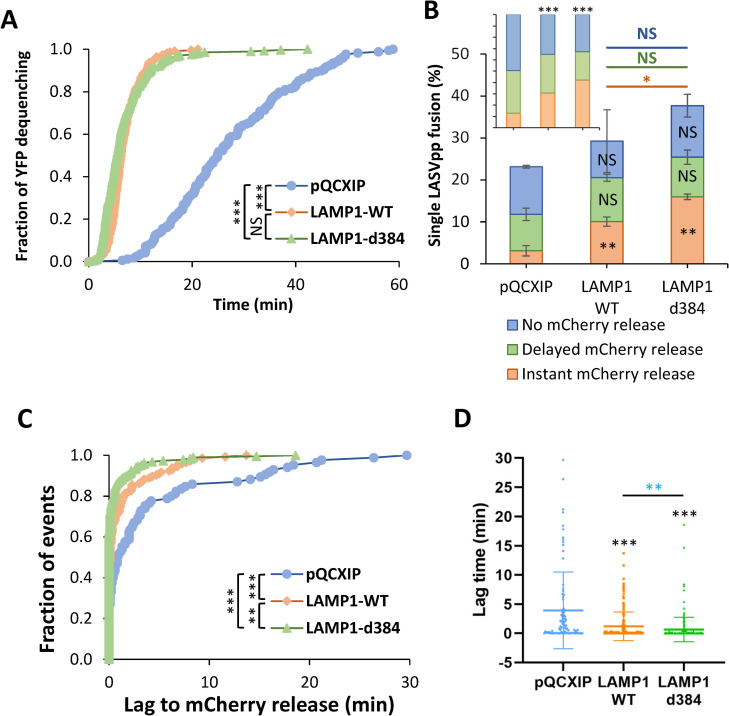
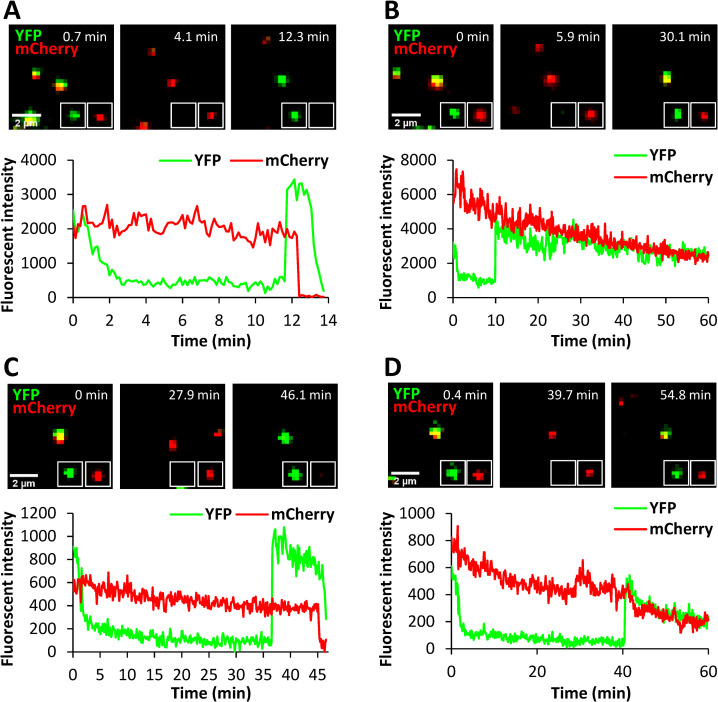
Lassa virus (LASV) cell entry is mediated by the interaction of the virus glycoprotein complex (GPC) with alpha-dystroglycan at the cell surface followed by binding to LAMP1 in late endosomes. However, LAMP1 is not absolutely required for LASV fusion, as this virus can infect LAMP1-deficient cells. Here, we used LASV GPC pseudoviruses, LASV virus-like particles and recombinant lymphocytic choriomeningitis virus expressing LASV GPC to investigate the role of human LAMP1 (hLAMP1) in LASV fusion with human and avian cells expressing a LAMP1 ortholog that does not support LASV entry. We employed a combination of single virus imaging and virus population-based fusion and infectivity assays to dissect the hLAMP1 requirement for initiation and completion of LASV fusion that culminates in the release of viral ribonucleoprotein into the cytoplasm. Unexpectedly, ectopic expression of hLAMP1 accelerated the kinetics of small fusion pore formation, but only modestly increased productive LASV fusion and infection of human and avian cells. To assess the effects of hLAMP1 in the absence of requisite endosomal host factors, we forced LASV fusion with the plasma membrane by applying low pH. Unlike the conventional LASV entry pathway, ectopic hLAMP1 expression dramatically promoted the initial and full dilation of pores formed through forced fusion at the plasma membrane. We further show that, while the soluble hLAMP1 ectodomain accelerates the kinetics of nascent pore formation, it fails to promote efficient pore dilation, suggesting the hLAMP1 transmembrane domain is involved in this late stage of LASV fusion. These findings reveal a previously unappreciated role of hLAMP1 in promoting dilation of LASV fusion pores, which is difficult to ascertain for endosomal fusion where several co-factors, such as bis(monoacylglycero)phosphate, likely regulate LASV entry.
拉沙病毒(LASV)细胞进入是由病毒糖蛋白复合物(GPC)与细胞表面的α- 肌营养不良糖蛋白相互作用介导的,随后与晚期内体中的 LAMP1 结合。然而,LAMP1 并非 LASV 融合所必需的,因为这种病毒可以感染缺乏 LAMP1 的细胞。在这里,我们使用 LASV GPC 假病毒、LASV 病毒样颗粒和表达 LASV GPC 的重组淋巴细胞性脉络丛脑膜炎病毒来研究人 LAMP1(hLAMP1)在 LASV 与人源和禽源细胞融合中的作用,这些细胞表达的 LAMP1 同源物不支持 LASV 进入。我们采用单个病毒成像和基于病毒群体的融合和感染性测定的组合,剖析 hLAMP1 在 LASV 融合起始和完成中的必要性,该融合最终导致病毒核糖核蛋白释放到细胞质中。出乎意料的是,hLAMP1 的异位表达加速了小融合孔形成的动力学,但仅适度增加了 LASV 对人源和禽源细胞的有效融合和感染。为了评估 hLAMP1 在缺乏必需的内体宿主因子的情况下的作用,我们通过施加低 pH 值来迫使 LASV 与质膜融合。与传统的 LASV 进入途径不同,hLAMP1 的异位表达显著促进了通过质膜强制融合形成的孔的初始和完全扩张。我们进一步表明,虽然可溶性 hLAMP1 胞外结构域加速了新生孔形成的动力学,但它不能促进有效孔扩张,这表明 hLAMP1 跨膜结构域参与了 LASV 融合的这个后期阶段。这些发现揭示了 hLAMP1 在促进 LASV 融合孔扩张中的以前未被认识的作用,这在需要几个共因子(如双(单酰基甘油)磷酸)来调节 LASV 进入的内体融合中难以确定。