Institute of Nephrology, Zhongda Hospital, Southeast University School of Medicine, Nanjing 210009, China.
Institute of Nephrology, Zhongda Hospital, Southeast University School of Medicine, Nanjing 210009, China.
EBioMedicine. 2022 Sep;83:104215. doi: 10.1016/j.ebiom.2022.104215. Epub 2022 Aug 13.
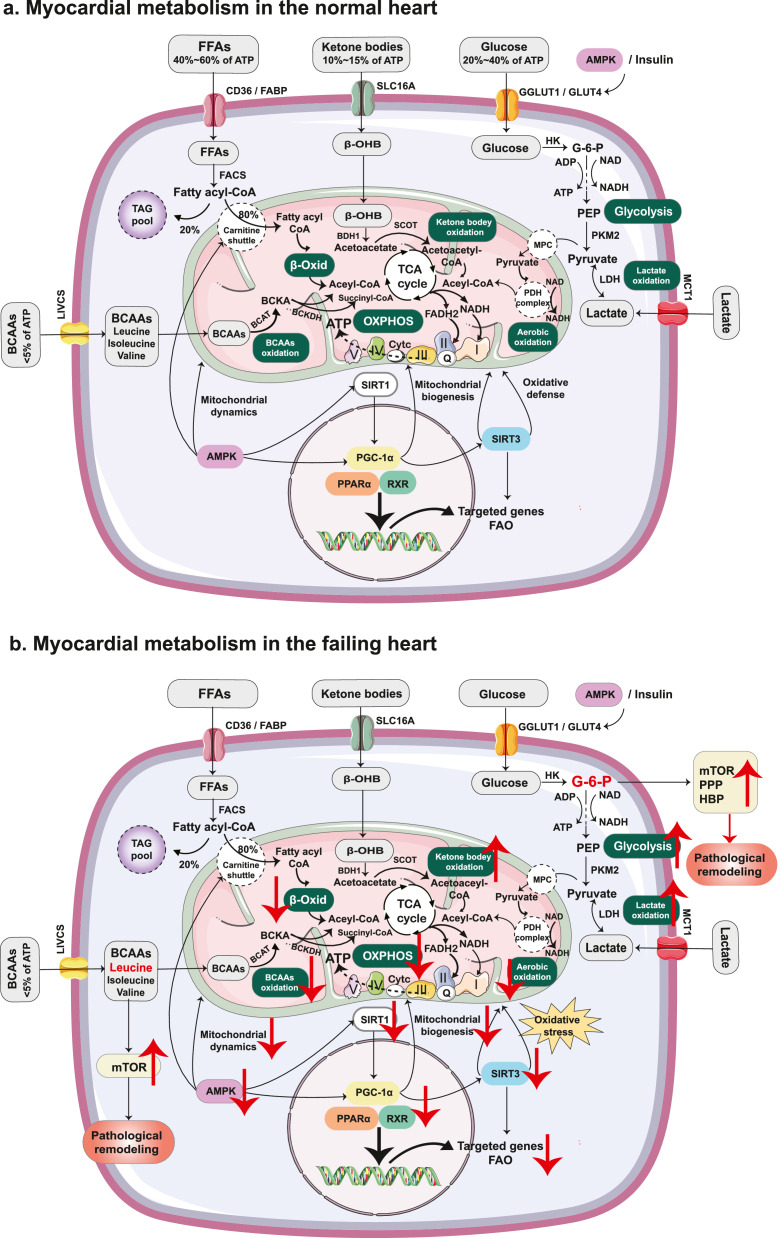
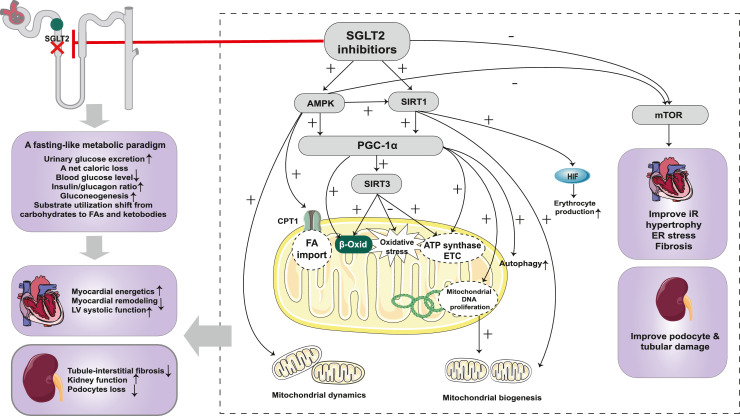
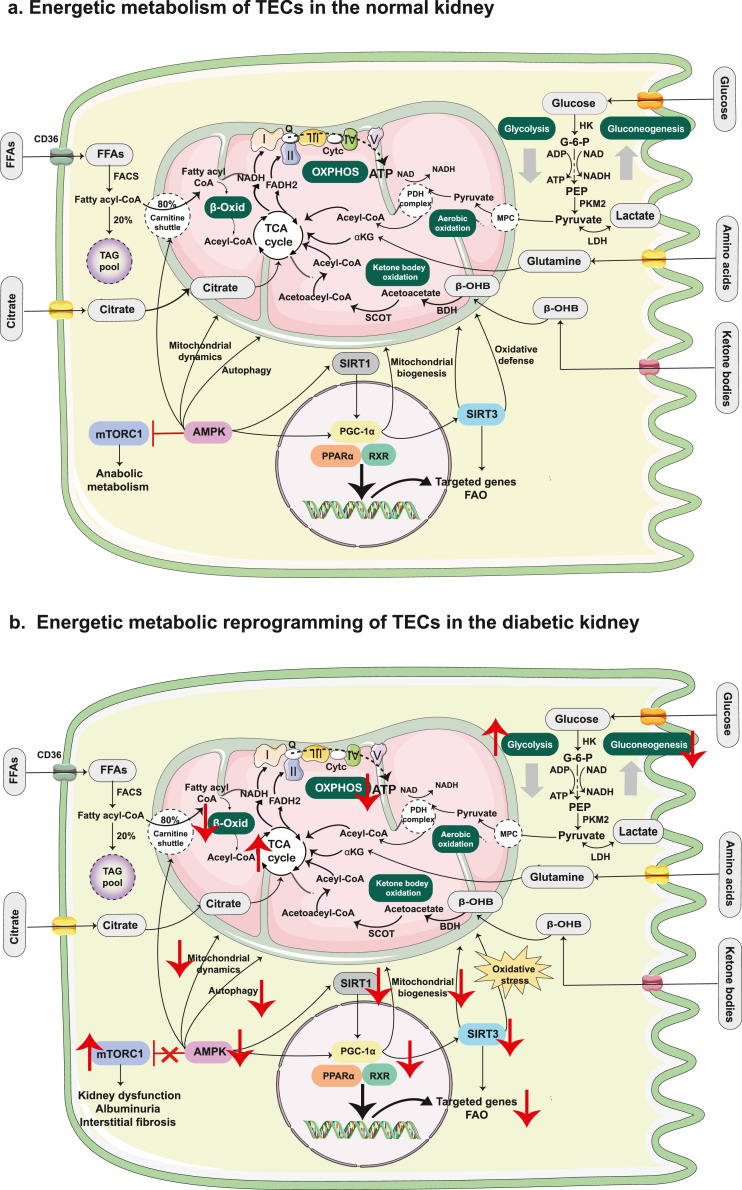
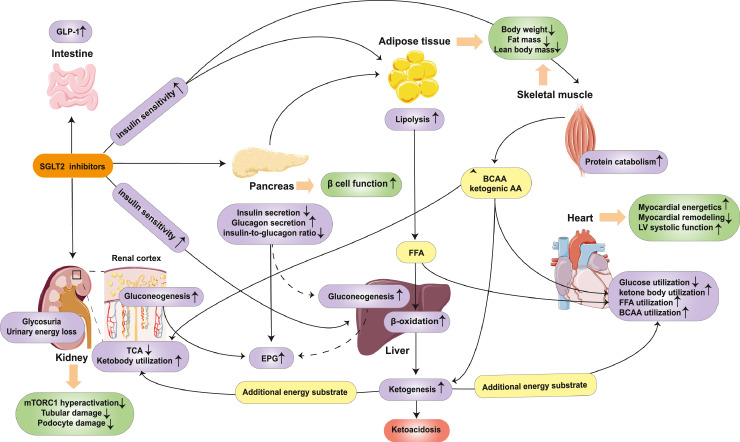
Sodium-glucose co-transporter 2 (SGLT2) inhibitors, initially developed as a novel class of anti-hyperglycaemic drugs, have been shown to significantly improve metabolic indicators and protect the kidneys and heart of patients with or without type 2 diabetes mellitus. The possible mechanisms mediating these unexpected cardiorenal benefits are being extensively investigated because they cannot solely be attributed to improvements in glycaemic control. Notably, emerging data indicate that metabolic reprogramming is involved in the progression of cardiorenal metabolic diseases. SGLT2 inhibitors reprogram systemic metabolism to a fasting-like metabolic paradigm, involving the metabolic switch from carbohydrates to other energetic substrates and regulation of the related nutrient-sensing pathways, which might explain some of their cardiorenal protective effects. In this review, we will focus on the current understanding of cardiorenal protection by SGLT2 inhibitors, specifically its relevance to metabolic reprogramming.
钠-葡萄糖共转运蛋白 2(SGLT2)抑制剂最初被开发为一类新型的抗高血糖药物,已被证明可显著改善代谢指标,并保护有或没有 2 型糖尿病的患者的肾脏和心脏。介导这些意外的心脏肾脏获益的可能机制正在被广泛研究,因为它们不能仅仅归因于血糖控制的改善。值得注意的是,新出现的数据表明代谢重编程参与了心脏肾脏代谢疾病的进展。SGLT2 抑制剂将全身代谢重编程为类似于禁食的代谢模式,涉及从碳水化合物到其他能量底物的代谢转换,以及相关营养感应途径的调节,这可能解释了它们的一些心脏肾脏保护作用。在这篇综述中,我们将重点讨论 SGLT2 抑制剂对心脏肾脏的保护作用的现有认识,特别是其与代谢重编程的相关性。