Ferguson Laura, Narasimhan Manjulaa, Gutierrez Jose, Jardell William, Gruskin Sofia
Associate Professor of Population and Public Health Sciences, Director of Research, USC Institute on Inequalities in Global Health, University of Southern California, Los Angeles, CA, USA. Correspondence:
Scientist, Department of Sexual and Reproductive Health and Research, World Health Organization, includes the UNDP/UNFPA/UNICEF/WHO/World Bank Special Programme of Research, Development and Research Training in Human Reproduction - HRP, Geneva, Switzerland.
Sex Reprod Health Matters. 2021;29(3):2105284. doi: 10.1080/26410397.2022.2105284.
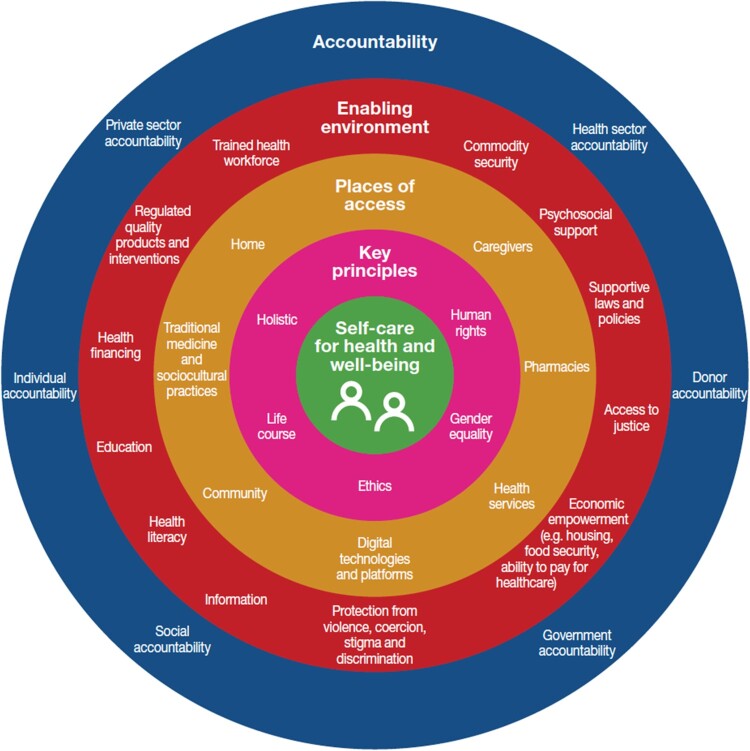
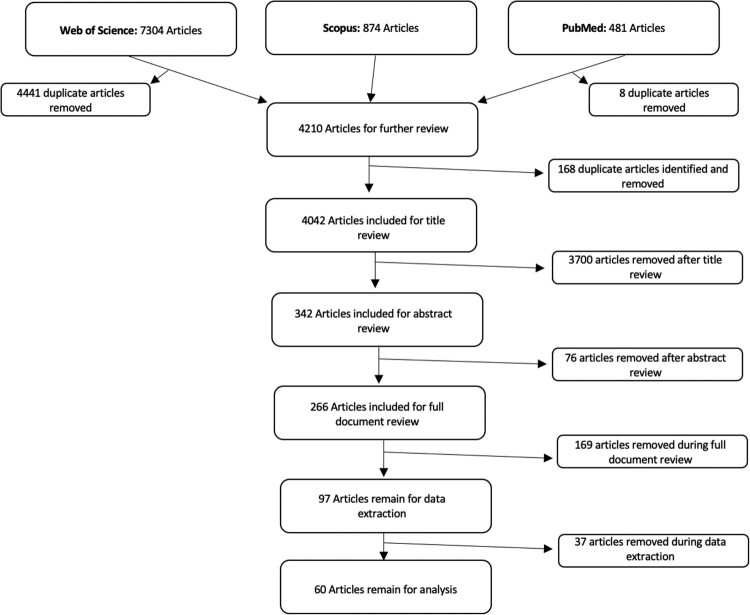
Self-care interventions for health are becoming increasingly available, and among the preferred options, including during the COVID-19 pandemic. This research assessed the extent of attention to laws and policies, human rights and gender in the implementation of self-care interventions for sexual and reproductive health (SRH), to identify where additional efforts to ensure an enabling environment for their use and uptake will be useful. A literature review of relevant studies published between 2010 and 2020 was conducted using PubMed, Scopus and Web of Science. Relevant data were systematically abstracted from 61 articles. In March-April 2021, semi-structured interviews were conducted with 10 key informants, selected for their experience implementing self-care interventions for SRH, and thematically analysed. Laws and policies, rights and gender are not being systematically addressed in the implementation of self-care interventions for SRH. Within countries, there is varied attention to the enabling environment including the acceptability of interventions, privacy, informed consent and gender concerns as they impact both access and use of specific self-care interventions, while other legal considerations appear to have been under-prioritised. Operational guidance is needed to develop and implement supportive laws and policies, as well as to ensure the incorporation of rights and gender concerns in implementing self-care interventions for SRH.
促进健康的自我保健干预措施日益普及,在包括新冠疫情期间在内的诸多首选方案中都有应用。本研究评估了在实施性与生殖健康(SRH)自我保健干预措施过程中对法律政策、人权和性别问题的关注程度,以确定在哪些方面做出额外努力来确保有利于这些措施使用和推广的环境将有所助益。利用PubMed、Scopus和科学网对2010年至2020年间发表的相关研究进行了文献综述。从61篇文章中系统提取了相关数据。2021年3月至4月,对10名关键信息提供者进行了半结构化访谈,这些人因其在实施SRH自我保健干预措施方面的经验而被选中,并对访谈结果进行了主题分析。在实施SRH自我保健干预措施过程中,法律政策、权利和性别问题并未得到系统解决。在各国国内,对有利环境的关注程度各不相同,包括干预措施的可接受性、隐私、知情同意以及性别问题,因为这些因素会影响特定自我保健干预措施的获取和使用,而其他法律考量似乎未得到优先重视。需要制定操作指南,以制定和实施支持性法律政策,并确保在实施SRH自我保健干预措施时纳入对权利和性别问题的关注。