Fraunhoffer Nicolas A, Abuelafia Analía Meilerman, Bigonnet Martin, Gayet Odile, Roques Julie, Nicolle Remy, Lomberk Gwen, Urrutia Raul, Dusetti Nelson, Iovanna Juan
Centre de Recherche en Cancérologie de Marseille (CRCM), INSERM U1068, CNRS UMR 7258, Parc Scientifique et Technologique de Luminy, Aix-Marseille Université and Institut Paoli-Calmettes, Marseille, France.
Universidad de Buenos Aires, Consejo Nacional de investigaciones Científicas y Técnicas. Centro de Estudios Farmacológicos y Botánicos (CEFYBO). Facultad de Medicina, Buenos Aires, Argentina.
NPJ Precis Oncol. 2022 Aug 17;6(1):57. doi: 10.1038/s41698-022-00299-z.
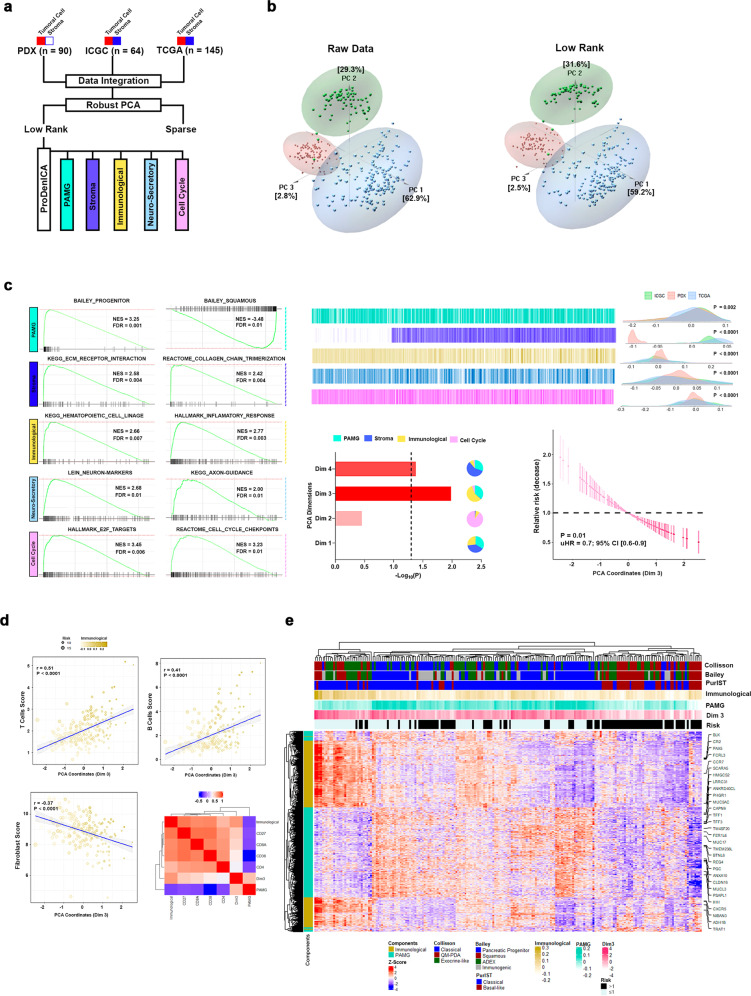
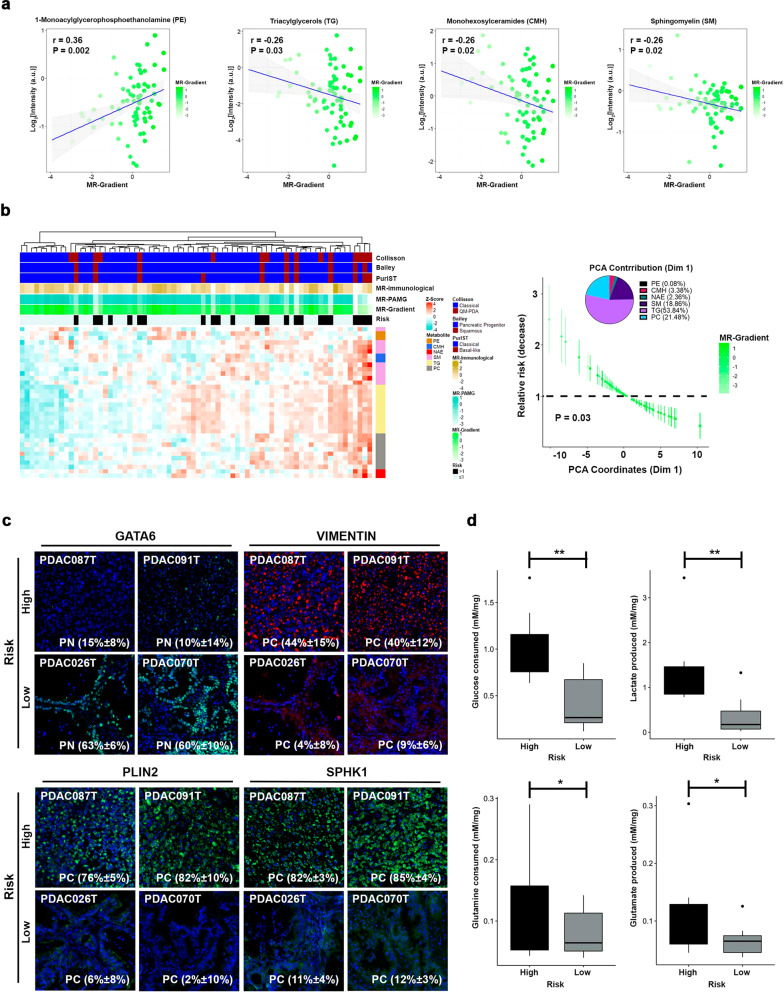
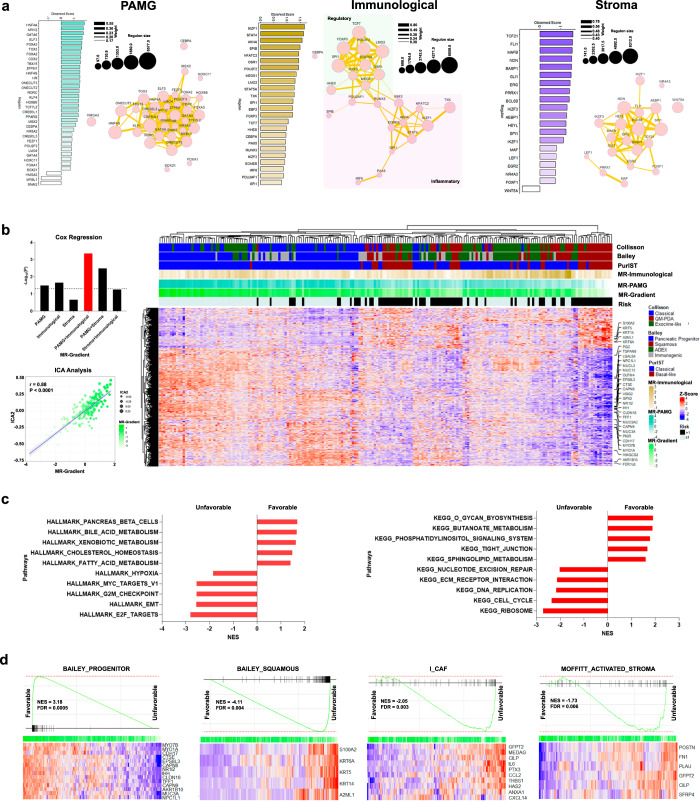
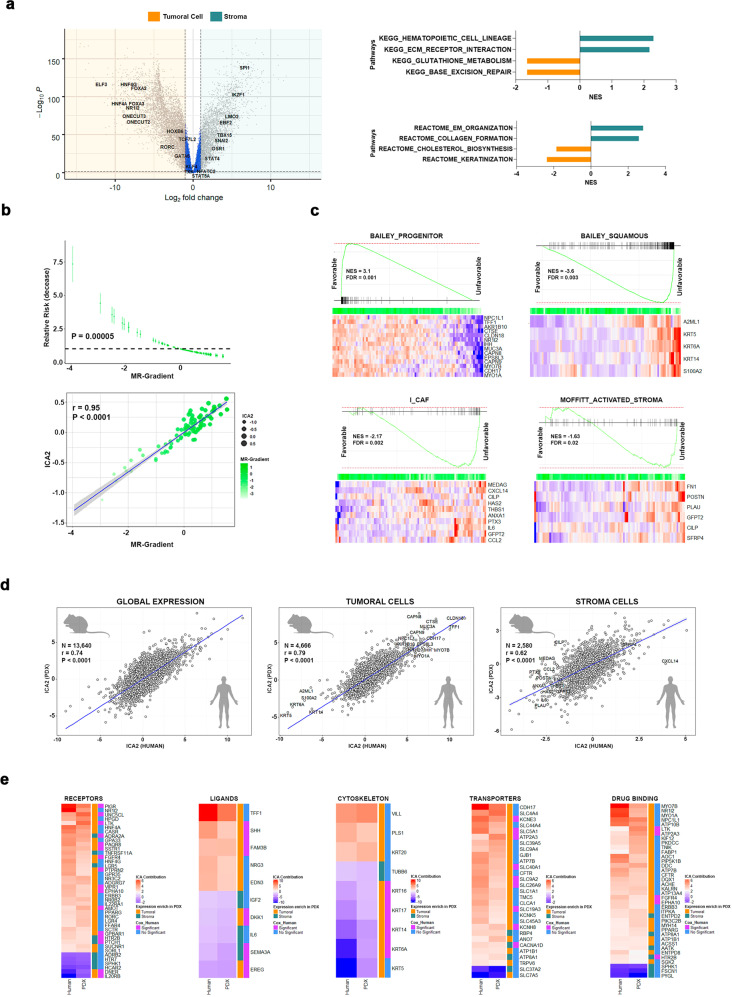
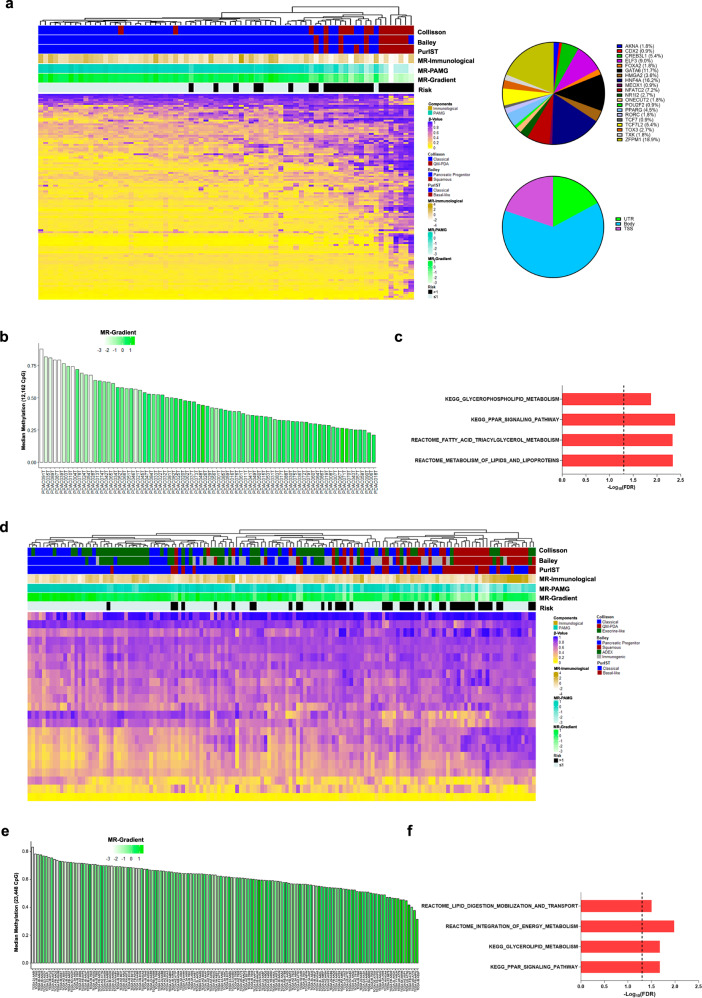
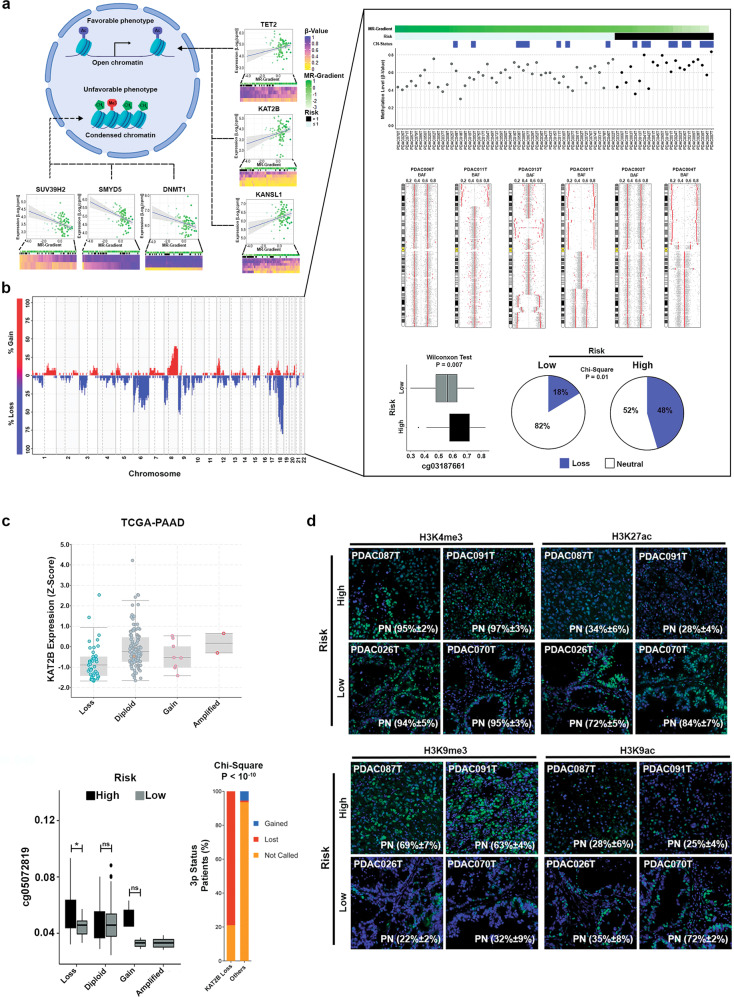
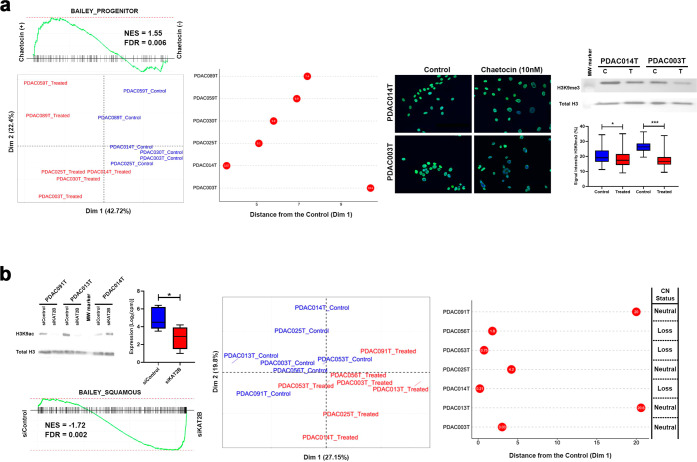
Pancreatic ductal adenocarcinoma (PDAC), has recently been found to be a heterogeneous disease, although the extension of its diversity remains to be fully understood. Here, we harmonize transcriptomic profiles derived from both PDAC epithelial and microenvironment cells to develop a Master Regulators (MR)-Gradient model that allows important inferences on transcriptional networks, epigenomic states, and metabolomics pathways that underlies this disease heterogeneity. This gradient model was generated by applying a blind source separation based on independent components analysis and robust principal component analyses (RPCA), following regulatory network inference. The result of these analyses reveals that PDAC prognosis strongly associates with the tumor epithelial cell phenotype and the immunological component. These studies were complemented by integration of methylome and metabolome datasets generated from patient-derived xenograft (PDX), together experimental measurements of metabolites, immunofluorescence microscopy, and western blot. At the metabolic level, PDAC favorable phenotype showed a positive correlation with enzymes implicated in complex lipid biosynthesis. In contrast, the unfavorable phenotype displayed an augmented OXPHOS independent metabolism centered on the Warburg effect and glutaminolysis. Epigenetically, we find that a global hypermethylation profile associates with the worst prognosis. Lastly, we report that, two antagonistic histone code writers, SUV39H1/SUV39H2 (H3K9Me3) and KAT2B (H3K9Ac) were identified key deregulated pathways in PDAC. Our analysis suggests that the PDAC phenotype, as it relates to prognosis, is determined by a complex interaction of transcriptomic, epigenomic, and metabolic features. Furthermore, we demonstrated that PDAC prognosis could be modulated through epigenetics.
胰腺导管腺癌(PDAC)最近被发现是一种异质性疾病,尽管其多样性的程度仍有待充分了解。在这里,我们整合了来自PDAC上皮细胞和微环境细胞的转录组图谱,以建立一个主调控因子(MR)梯度模型,该模型能够对构成这种疾病异质性基础的转录网络、表观基因组状态和代谢组学途径进行重要推断。这个梯度模型是在调控网络推断之后,通过基于独立成分分析和稳健主成分分析(RPCA)的盲源分离生成的。这些分析结果表明,PDAC的预后与肿瘤上皮细胞表型和免疫成分密切相关。这些研究通过整合来自患者来源异种移植(PDX)的甲基化组和代谢组数据集,以及代谢物的实验测量、免疫荧光显微镜检查和蛋白质印迹得到了补充。在代谢水平上,PDAC的有利表型与参与复杂脂质生物合成的酶呈正相关。相反,不利表型表现出以Warburg效应和谷氨酰胺分解为中心的增强的氧化磷酸化非依赖性代谢。在表观遗传学方面,我们发现整体高甲基化谱与最差的预后相关。最后,我们报告,两种拮抗的组蛋白编码写入器,SUV39H1/SUV39H2(H3K9Me3)和KAT2B(H3K9Ac)被确定为PDAC中关键的失调途径。我们的分析表明,与预后相关的PDAC表型是由转录组、表观基因组和代谢特征的复杂相互作用决定的。此外,我们证明了PDAC的预后可以通过表观遗传学进行调节。