General Biologics, Inc., 108 Fayerweather Street, Unit 2, Cambridge, Massachusetts 02138, United States.
Department of Systems Biology, Harvard Medical School, 210 Longwood Avenue, Boston, Massachusetts 02115, United States.
Biochemistry. 2023 Jan 17;62(2):178-186. doi: 10.1021/acs.biochem.2c00368. Epub 2022 Aug 19.
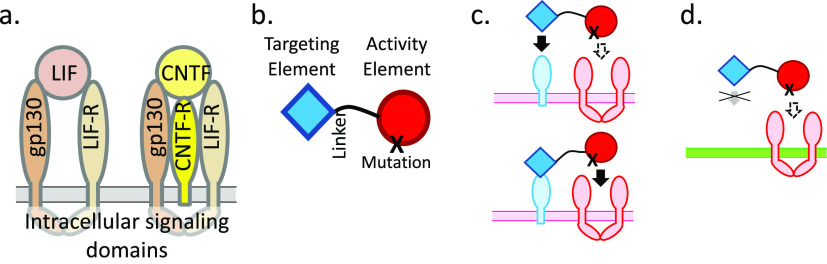
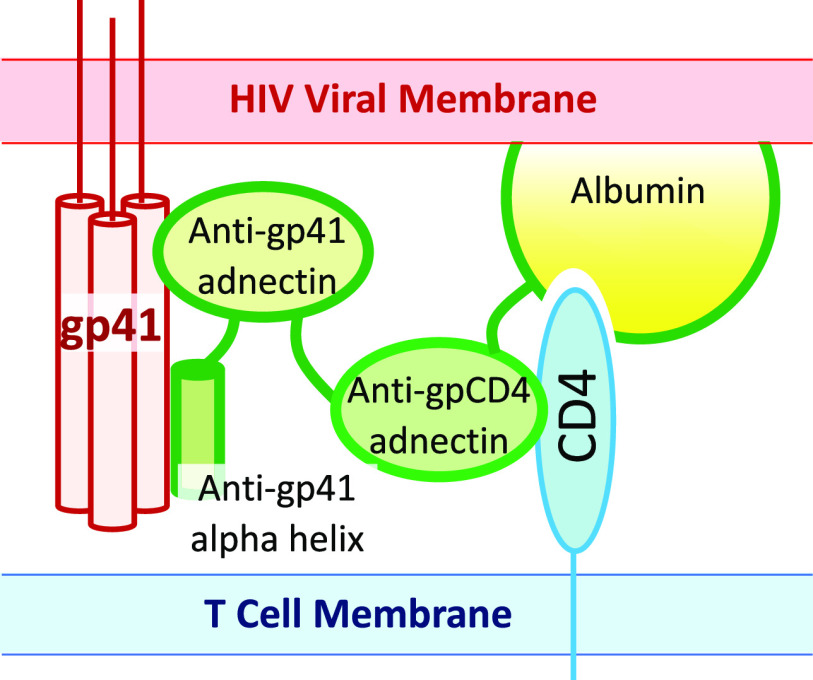
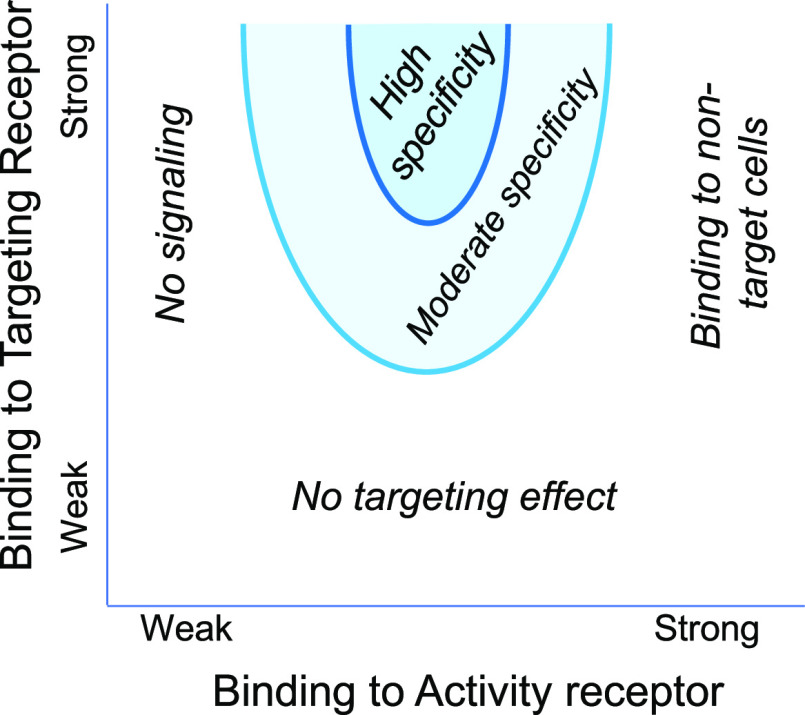
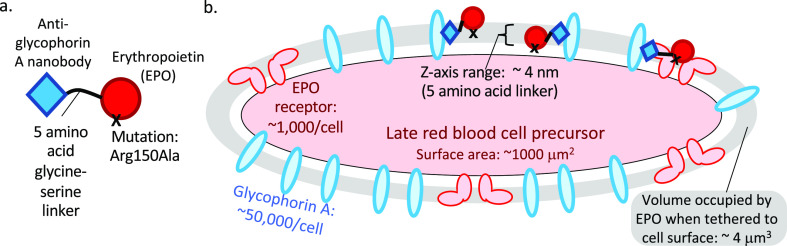
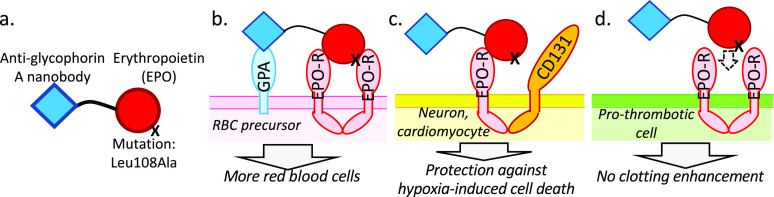
Natural systems use weak interactions and avidity effects to give biological systems high specificity and signal-to-noise ratios. Here we describe design principles for engineering fusion proteins that target therapeutic fusion proteins to membrane-bound signaling receptors by first binding to designer-chosen co-receptors on the same cell surface. The key design elements are separate protein modules, one that has no signaling activity and binds to a cell surface receptor with high affinity and a second that binds to a receptor with low or moderate affinity and carries out a desired signaling or inhibitory activity. These principles are inspired by natural cytokines such as CNTF, IL-2, and IL-4 that bind strongly to nonsignaling receptors and then signal through low-affinity receptors. Such designs take advantage of the fact that when a protein is anchored to a cell membrane, its local concentration is extremely high with respect to those of other membrane proteins, so a second-step, low-affinity binding event is favored. Protein engineers have used these principles to design treatments for cancer, anemia, hypoxia, and HIV infection.
自然系统利用弱相互作用和亲和力效应赋予生物系统高特异性和信噪比。在这里,我们描述了一种设计原理,用于通过首先与同一细胞表面上的设计选择的共受体结合,将治疗性融合蛋白靶向到膜结合信号受体的融合蛋白。关键的设计要素是分离的蛋白质模块,一个没有信号活性,与细胞表面受体高亲和力结合,第二个与受体低或中等亲和力结合,并执行所需的信号或抑制活性。这些原则受到天然细胞因子(如 CNTF、IL-2 和 IL-4)的启发,它们与非信号受体强烈结合,然后通过低亲和力受体发出信号。这种设计利用了这样一个事实,即当蛋白质锚定在细胞膜上时,其局部浓度相对于其他膜蛋白极高,因此有利于第二步的低亲和力结合事件。蛋白质工程师已经使用这些原则来设计治疗癌症、贫血、缺氧和 HIV 感染的方法。